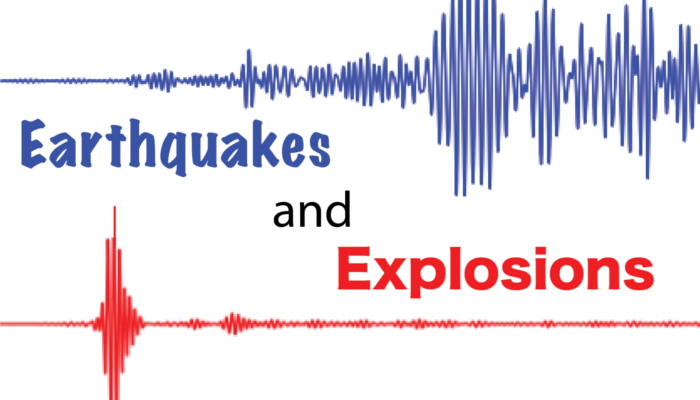

On August 4, 2020, the coast of Beirut, the capital of Lebanon, was rocked by an explosion caused by the blowing up of 2750 metric tons of ammonium nitrate, a chemical used in fertilizers (Figure 1). It resulted in at least 181 casualties, 6,000 injuries and 10-15 billion US dollars in damage [Ref 2]. Footage of the explosion has circulated widely: a large fire near the port’s warehouses and an in ...[Read More]
From light to waveform: how fiber-optic cables can be repurposed as seismic arrays
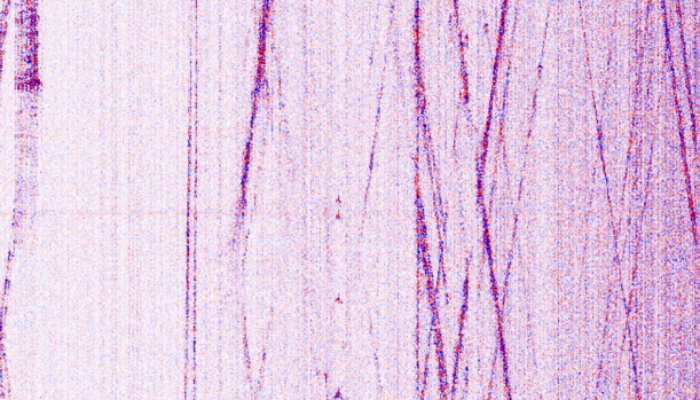
What is Distributed Acoustic Sensing (DAS) and why is it exciting? Any observational seismologist would agree that our understanding of subsurface structure and dynamics is in great part limited by our ability to acquire data at the right locations, with the necessary spatial and temporal resolution. However, although our ultimate objective would be to cover the Earth with high-quality, broadband ...[Read More]
Earthquake of the month: Simeonof – Alaska M 7.8
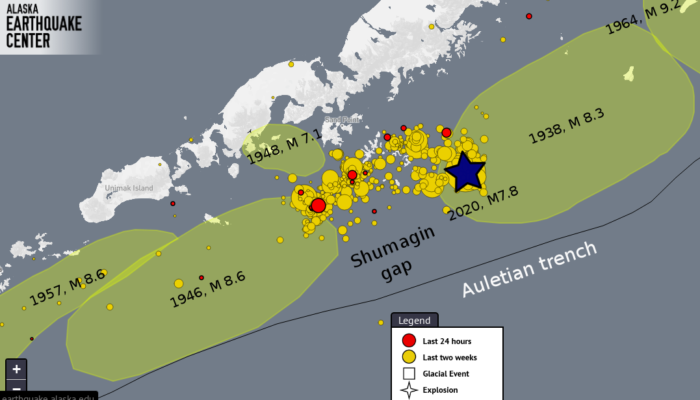
On July 22nd, Alaska was the scene of last month’s largest earthquake, a Mw 7.8 earthquake that hit the Aleutian Islands, offshore the Alaska Peninsula. The hypocenter location, tectonic setting and focal mechanism suggest a megathrust earthquake. The hypocenter of the so called Simeonof earthquake is located at the western edge of the historical 1938 earthquake (M8.3) slip zone, near the Shumagin ...[Read More]
Seismology Job Portal
On this page, we regularly update open positions in Seismology for early career scientists. Do you have a job on offer? Contact us at ecs-sm@egu.eu Please, note that other available research positions are displayed on the EGU Jobs Portal.
Follow up on: “The sound of COVID-Silence”
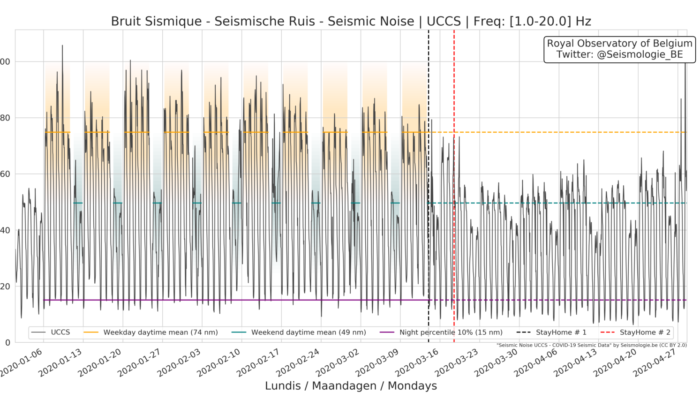
Dear colleagues, In the last months, there has been a storm both in traditional and social media about the observation that the Covid-19 lockdown measures cause an unprecedented seismic urban “silence”, which is observed globally on many urban seismic stations. It is the first time that such a protracted noise reduction has been observed on a global scale at the same time. To gather all seismologi ...[Read More]
Seismology Job Portal
On this page, we regularly update open positions in Seismology for early career scientists. Do you have a job on offer? Contact us at ecs-sm@egu.eu Please, note that other available research positions are displayed on the EGU Jobs Portal.
Lockdown in Northern Italy, what did seismology see?
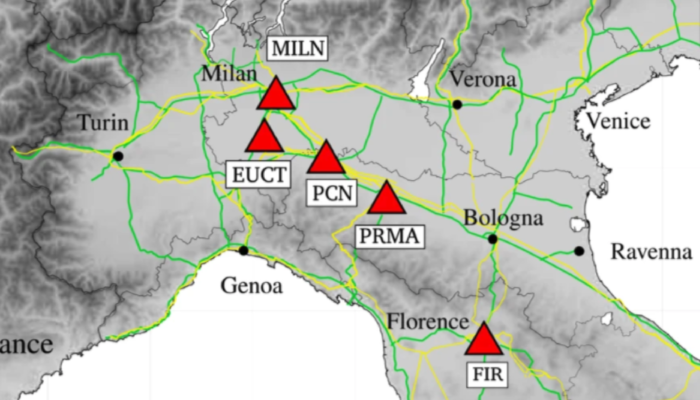
Seismologists are not surprised to see that the coronavirus lockdowns reduce seismic ambient noise; but what is emerging from the data is that the reduction is quite spectacular. This shows that human activities – road and railroad traffic, industrial machinery – account for a significant chunk of background Earth’s vibration: and that is a form of pollution that deserves more at ...[Read More]
Some Seismology reminders for EGU2018 General Assembly
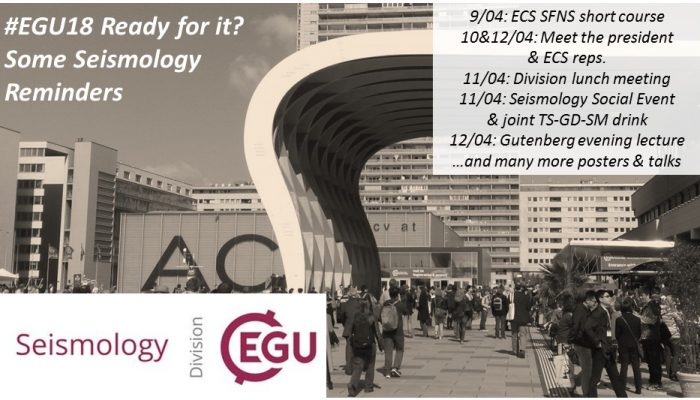
With only 2 days left for the kick off of the annual European Geosciences Union General Assembly (2018), here is a quick-list to go through in time for EGU. First, read this page for information concerning activities for Early Career Scientists at the GA: https://www.egu.eu/young-scientists/at-the-assembly/ EGU2018 mobile app The EGU2018 mobile app is now available. Go to http://app.egu2018.eu to ...[Read More]
Seismology for non-seismologists
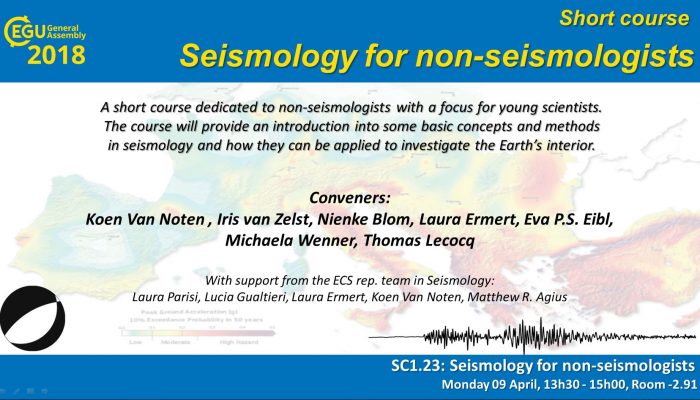
Short Course at EGU2018, organized by the ECS-Team of the Seismology Division Title: SC1.23 – Seismology for Non-Seismologists Time: Monday 9 April, 13:30 – 15:00 Location: Room -2.91 Are you getting ready for the upcoming General Assembly EGU2018? Consider attending our short course in Seismology on Monday. How do seismologists detect earthquakes? How do we locate them? Is seismology ...[Read More]
Crowdsourcing in Europe: how to share macroseismic data of felt earthquakes ?
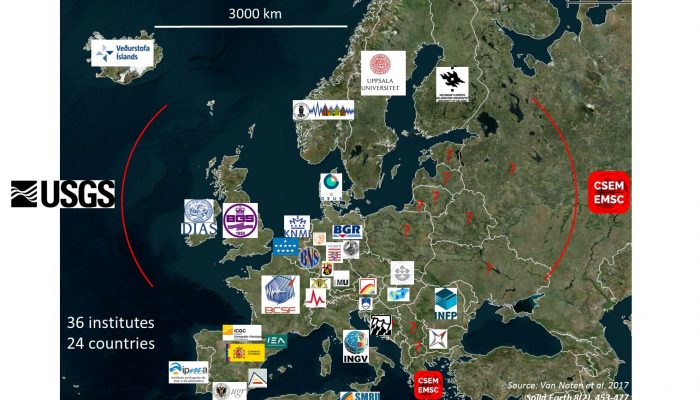
“Did you feel the earthquake ?” “Avez-vous ressenti un tremblement de Terre?” “Erdbeben gespürt?” ” Følte du siste jordskjelv?” “Sentiu um Sismo?” “Ha sentido algún terremoto?” “Pocítili ste zemetrasenie?” “Hai Sentito il Terremoto?” “почувствахте ли земетрес ...[Read More]