About the revolution of generating butterflies Imagine the most vibrant butterfly you can conceive. Congratulations – you’ve just achieved what generative AI does! This technology can create images from simple text descriptions, revolutionising image generation. But as geoscientists, how can we use it to improve the prediction of chaotic system like our weather? How can …[Read More]
Division blogs
HydroData Chronicles: Celebrating 35 Years of Global Precipitation Monitoring with GPCC
Welcome back to the HydroData Chronicles, where we continue to explore the wealth of hydrological data shaping climate research worldwide. In this installment, we celebrate an incredible milestone — 35 years of global gridded precipitation data from the Global Precipitation Climatology Centre (GPCC). The Origins of GPCC Founded by the Deutscher Wetterdienst under the auspices …[Read More]
Ada Lovelace Poster Awardees
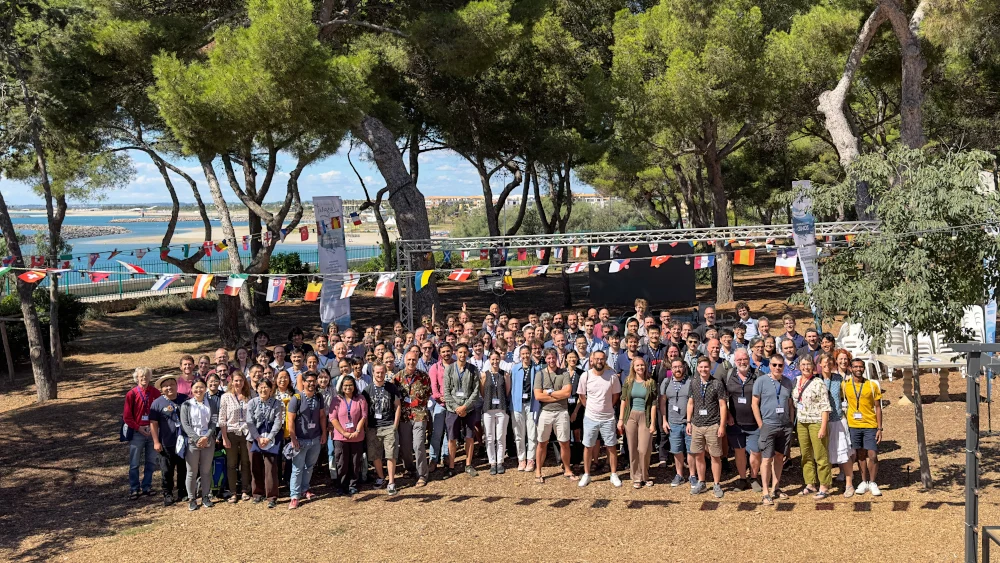
Ada Lovelace Poster Awardees A new edition of the Ada Lovelace workshop took place this year in Sète (1-6 septembre 2024), in the exceptional setting of the Domaine du Lazaret by the Mediterranean Sea. Sincere thanks go to Fanny Garel, Catherine Thoraval, and all the Montpellier team for the excellent organization of this event. This …[Read More]
World Mental Health Day 2024 with a focus on workplace
Friday the 10 October, was World Mental Health Day, a day that was founded by the World Federation for Mental Health (WFMH) in 1992. This year’s official theme focuses specifically on mental health in the work environment. So let’s take a look at what this means for the field of academia and the cryosphere specifically. …[Read More]
Coexisting Forces in Geodynamic Modelling: Pros, Cons, and Synergies of Analogue and Numerical Modelling
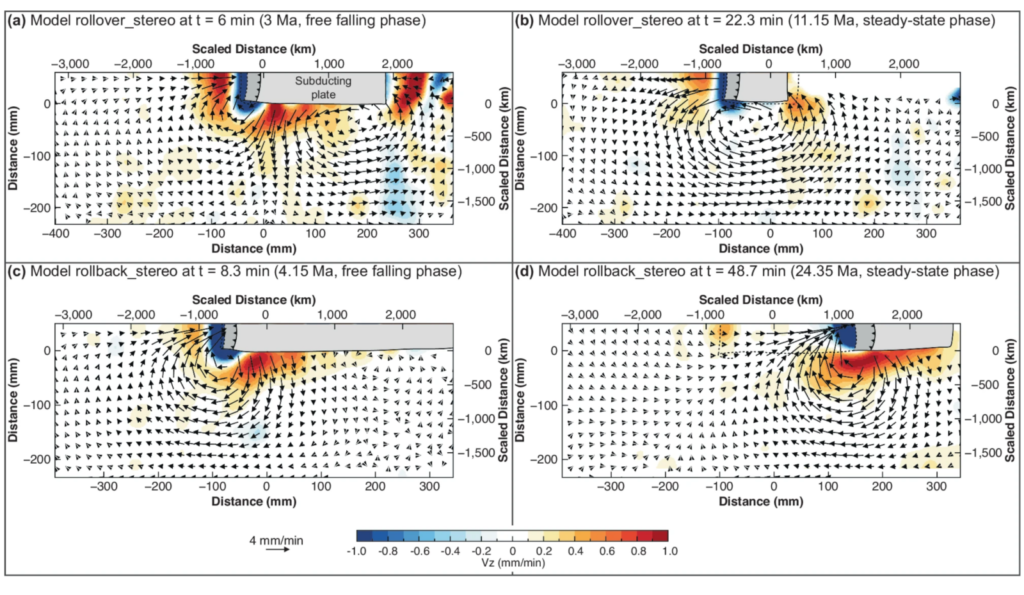
Geodynamic modelling helps us understand Earth’s internal processes by providing a framework to test hypotheses. Analogue modelling uses physical models governed by the laws of nature, with resolution down to Planck’s length. In contrast, numerical modelling employs mathematical methods to approximate solutions to the physical laws governing Earth’s processes. Each modelling approach comes with its …[Read More]
Highlights from Hawaii: Threshold dependent canyon incision?
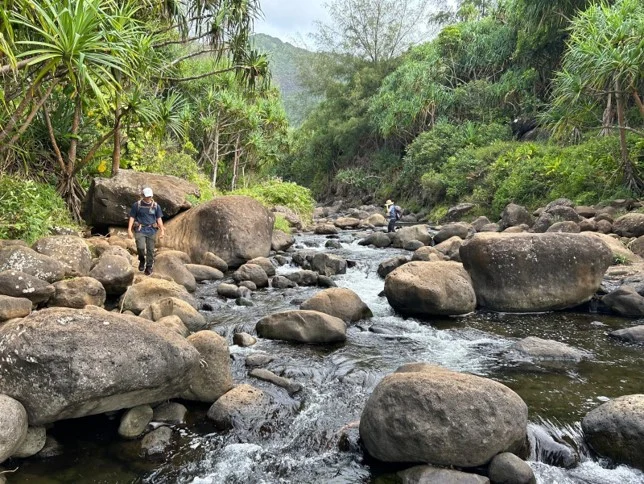
This blog post is part of our series: “Highlights” for which we’re accepting contributions! Please contact one of the GM blog editors, Emily (emily.bamber@utexas.edu) or Emma (elodes@asu.edu), if you’d like to contribute on this topic or others. by Emma Lodes, Postdoctoral Researcher, Arizona State University, USA Email: elodes@asu.edu I stood knee-deep in the middle of the …[Read More]
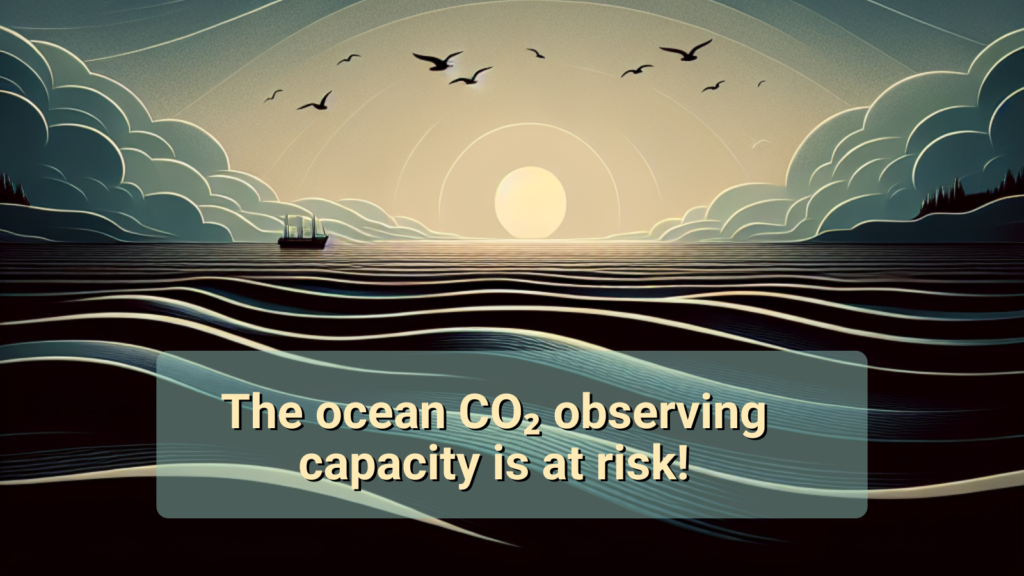
The Alarming Decline in Ocean CO2 Observations
„observations not taken today are lost forever.“ (Wunsch et al., 2013) The Critical Need for CO2 Measurements Imagine the ocean as a giant lung, breathing in carbon dioxide (CO2) and helping to keep our planet cool. It absorbs about 25% of the CO2 emissions from human activities, playing a crucial role in mitigating the pace …[Read More]
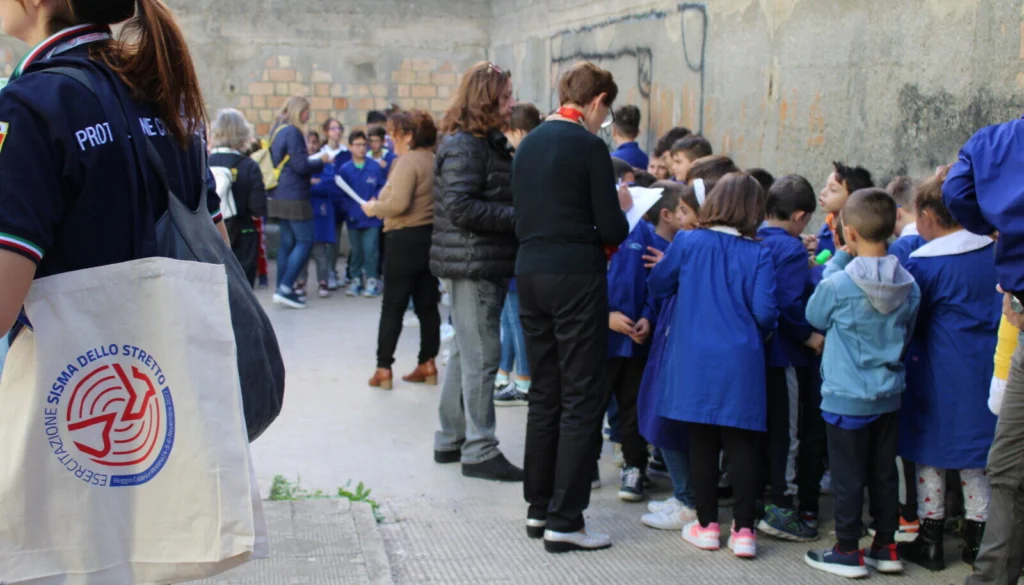
Education and Awareness as Pillars for a Disaster-Resilient Future – An Interview with Marina Morando, Programme Director at CIMA Research Foundation
This year, the International Day for Disaster Risk Reduction, observed on October 13th, emphasises the crucial role of education in mitigating disaster risks. In this insightful interview, we have the pleasure of discussing this important topic with Engineer Marina Morando, Programme Director at the CIMA Research Foundation in Italy. She brings extensive research and operational …[Read More]
GMPV is looking for a new Blog Editor-in-Chief!
Are you an Early Career Scientist (ECS) working on the topics of the Geochemistry, Mineralogy, Petrology, and Volcanology (GMPV) division? Do you enjoy engaging with scientific communities and communicating with a broad audience? The GMPV division of the EGU is looking for a new Editor-in-Chief to lead our blog team! On the GMPV Blog, we …[Read More]
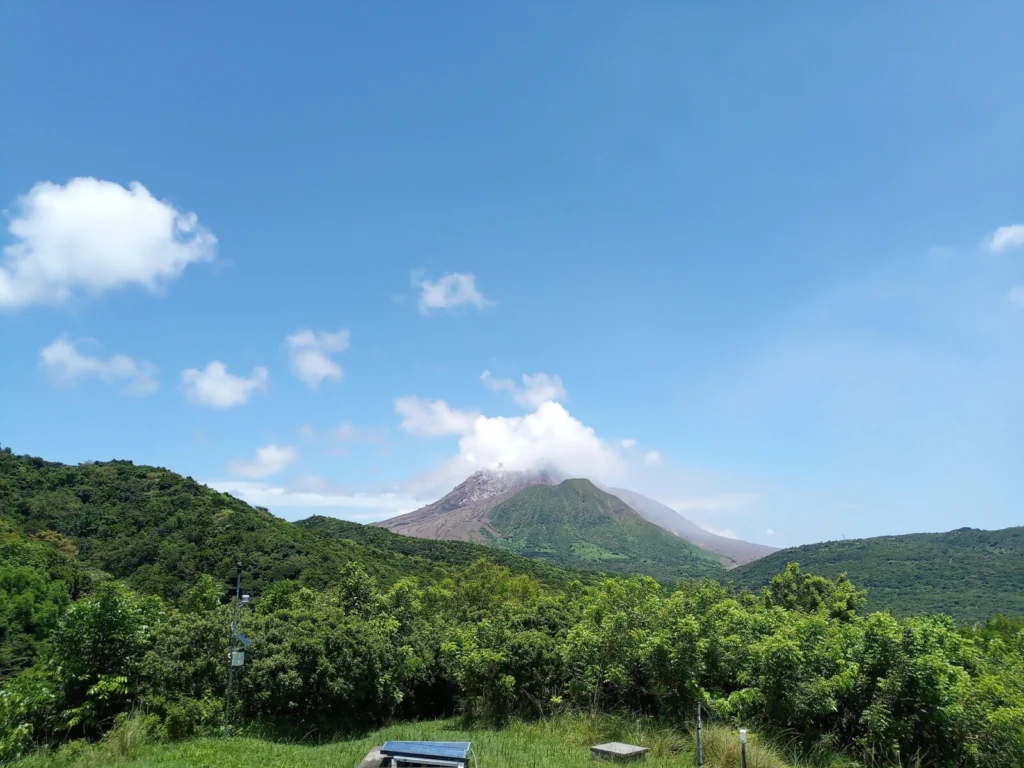
Between the Volcano and the Deep Blue Sea: Tales from Montserrat (Part 1)
In 1995, the Caribbean Island of Montserrat was shaken by the beginning of one of the most significant volcanic eruptions in recent history: one that profoundly changed the natural, social and economical landscape of the country. Three decades later, Soufrière Hills Volcano and its legacy of destruction still shape the lives of Montserrat’s people. Join …[Read More]