

If you were wondering what a group of young scientists such as NhET does in its free time, this is the right post for you to read! In between doing exciting fieldwork on an active volcano, writing an inspiring paper on landslide monitoring and applying that complicated algorithm for the analysis of earthquake return times: …[Read More]
Division blogs
50% Professorship = More time for family and science
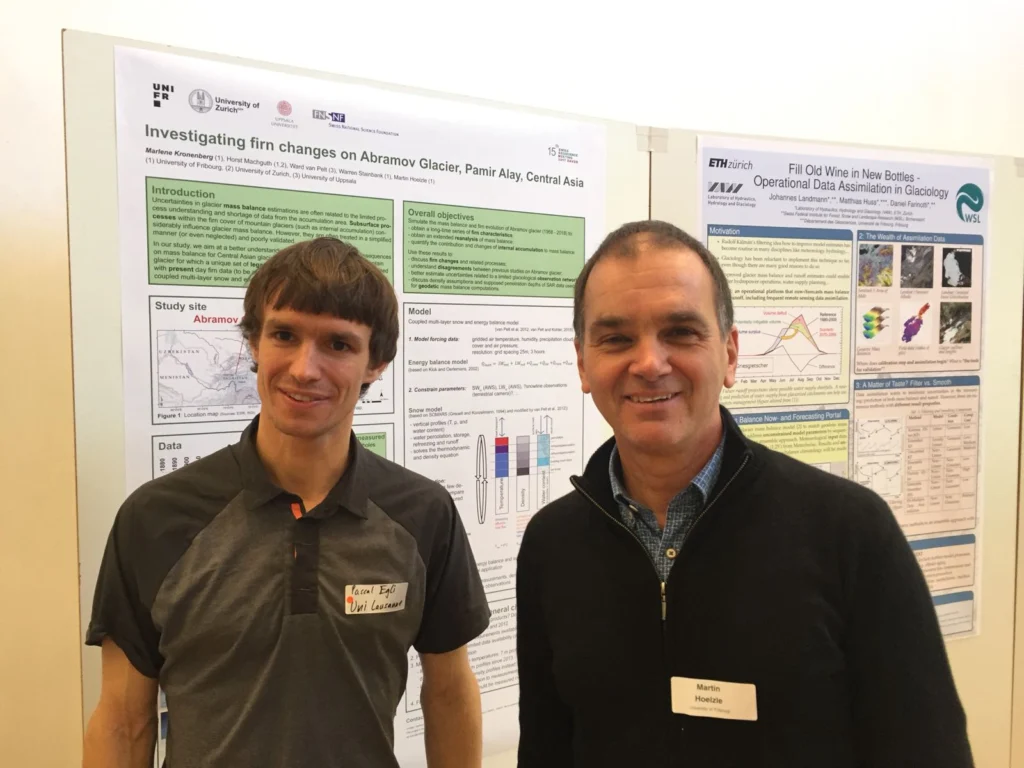
Annegret Larsen had the fantastic idea to encourage her colleague Pascal Egli, both from the University of Lausanne, to explore the nature of a shared professorship. Pascal took the chance and interviewed Professor Martin Hoelzle at the Swiss Geoscience meeting in November 2017. Professor Martin Hoelzle is a Geomorphologist/Glaciologist at University of Fribourg (Switzerland). He is also one of …[Read More]
Remarkable Regions – The India-Asia collision zone
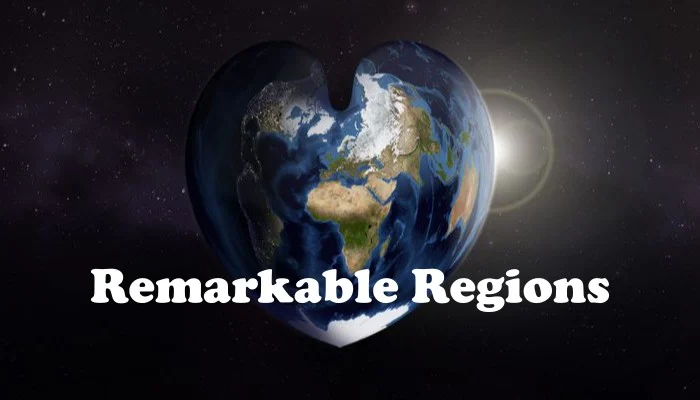
Every 8 weeks we turn our attention to a Remarkable Region that deserves a spot in the scientific limelight. This week we zoom in on a particular part of the eastern Tethys as Adina Pusok discusses the India-Asia collision zone. She is a postdoctoral researcher at the Institute of Geophysics and Planetary Physics, Scripps Institution of Oceanography, …[Read More]
Dr. Helen Mason – Solar space missions: a life with the Sun
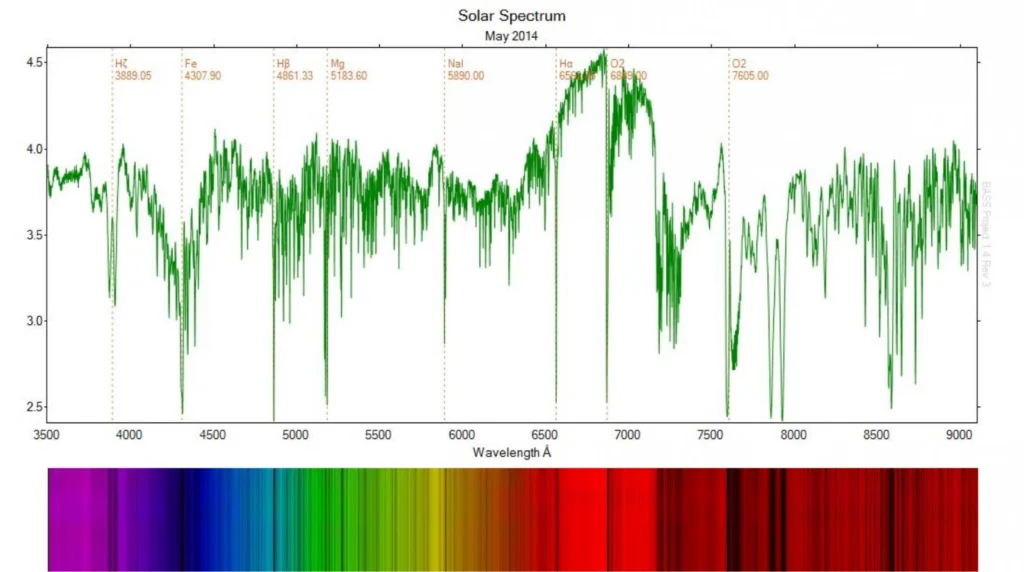
In the December issue of Life of a Scientist we have an interview of Dr. Helen Mason. She was working at the Department of Applied Mathematics and Theoretical Physics at the University of Cambridge, UK until recently when she retired. Her research interests include UV and X-Ray spectrum of the Sun. She has also devoted …[Read More]
Image of the Week – Understanding Antarctic Sea Ice Expansion
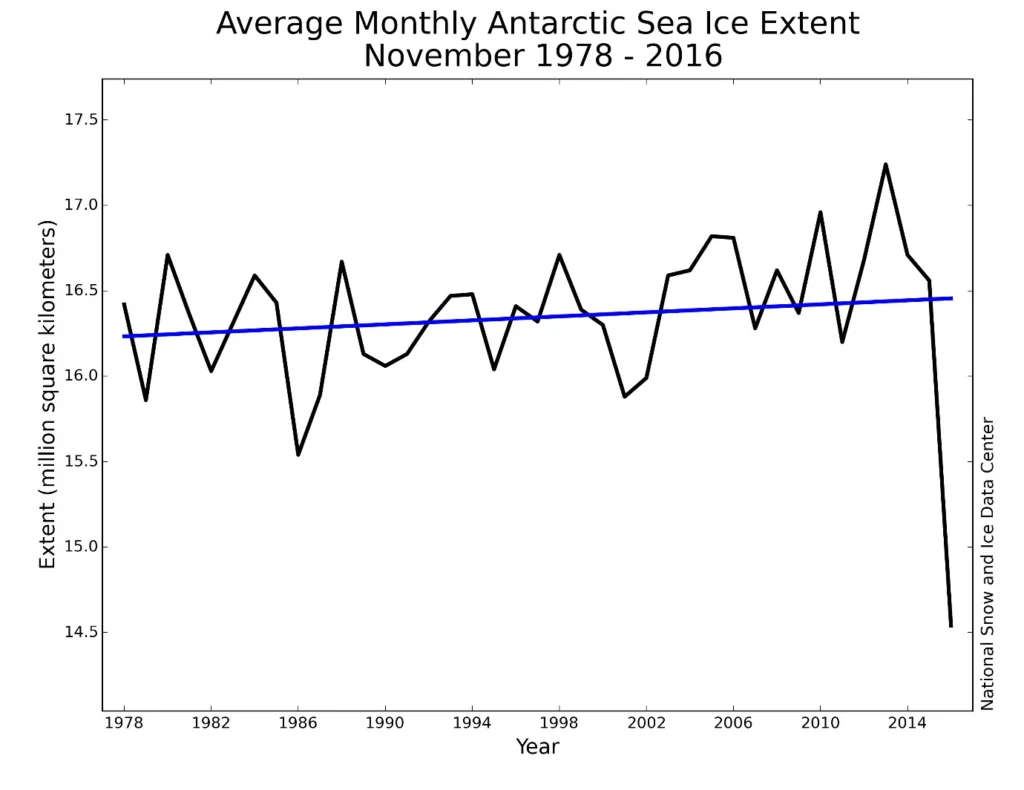
Sea ice is an extremely sensitive indicator of climate change. Arctic sea ice has been dubbed ‘the canary in the coal mine’, due to the observed steady decline in the summer sea ice extent in response to global warming over recent decades (see this and this previous posts). However, the story has not been mirrored …[Read More]
2017 AGU Fall Meeting
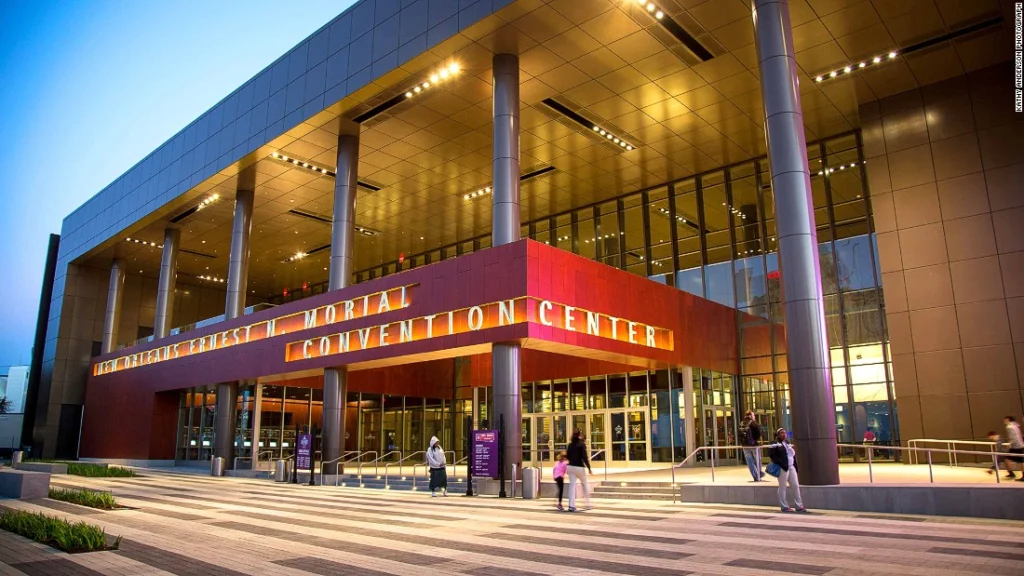
The largest Earth and Space science meeting in the world is taking place in New Orleans, Louisiana. As usual, once a year AGU gathers the best and brightest minds from around the globe in the pursuit of high quality science, knowledge, and a more sustainable future. In particular, AGU allows to share your science, …[Read More]
The risk of a Natural Hazard blog is now real, be prepared!
Hello and welcome to the blog of the Natural Hazards division! Starting from today we will try to enrich your readings every two weeks on Monday morning with a new blog post! Our division encompasses and intersects various topics in geoscience. For this reason, we will aim to diversify the content from post to post, …[Read More]
Theoretical Geomorphology: Selling a seemingly boring topic
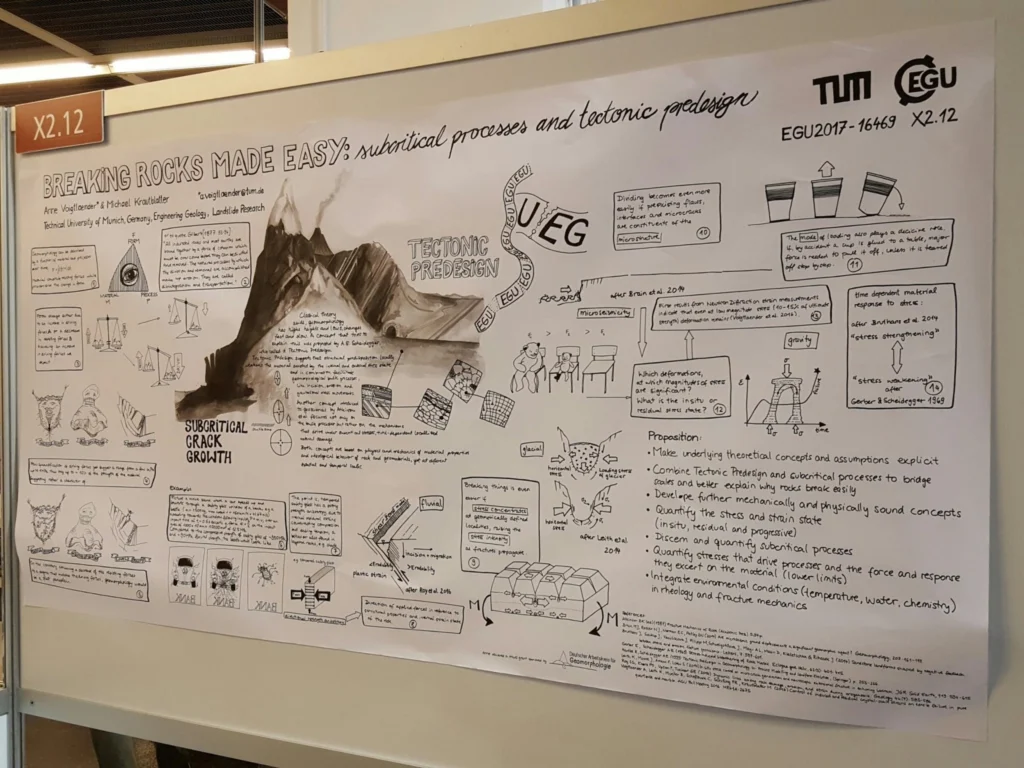
Anne Voigtländer (TUM Munich) presented her poster at the EGU 2017 and attracted quite some attention. She drew everything per hand and besides chocolate bars and smiling mountains she touched some very interesting topics. Have a look and get inspired! – written by Anne Voigtländer (TUM Munich) – Have you ever tried to sell a …[Read More]
Image of the Week – Searching for clues of extraterrestrial life on the Antarctic ice sheet
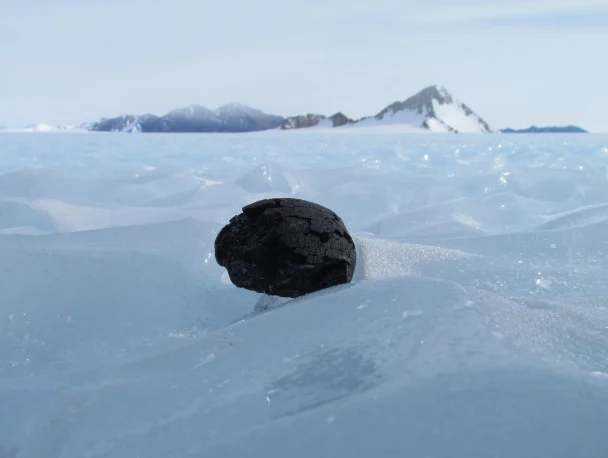
Last week we celebrated Antarctica Day, 50 years after the Antarctic Treaty was signed. This treaty includes an agreement to protect Antarctic ecosystems. But what if, unintentionally, this protection also covered clues of life beyond Earth? In this Image of the Week, we explore how meteorites found in Antarctica are an important piece of the …[Read More]
What is in the (European) air?
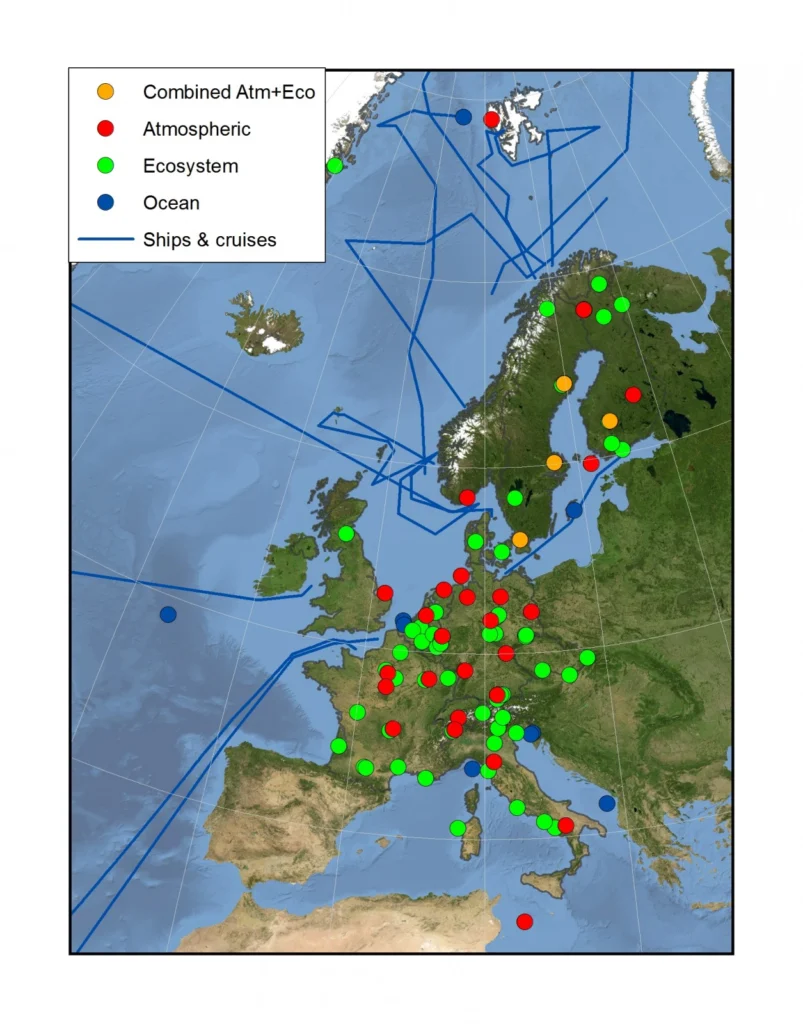
You thought that Mauna Loa was the only observatory to provide continuous measurements of atmospheric carbon dioxide concentration and were disappointed because Hawaii is way too far from your study area or because you wanted to know how bad the air is in your hometown? The US have been monitoring the composition of the atmosphere …[Read More]