NH
Natural Hazards

early career scientists

Multiple perspectives to understand multi-hazard risks. Why is it important to meet face-to-face when we could also meet digitally?
Multiple perspectives to understand multi-hazard risks. Why is it important to meet face-to-face when we could also meet digitally?
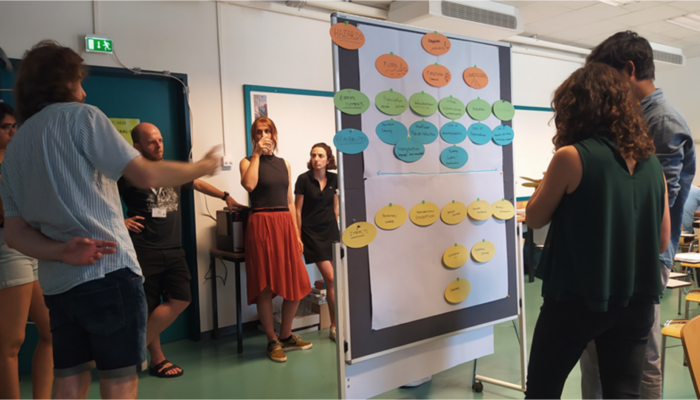
This summer the University of Vienna has hosted an inspiring summer school on multi-hazard risk management, bringing science outreach and research closer together. In this post, Till Wenzel provides some insights about the importance of face-to-face meetings to bring together multiple perspectives and better understand multi-hazard risks.   The summer school has been organized by the Vienna I ...[Read More]

The EGU23 bucket list for Natural Hazards Early Career Scientists

The EGU23 bucket list for Natural Hazards Early Career Scientists

The European Geoscience Union (EGU) General Assembly (GA) is a precious occasion to create new connections and receive new stimuli to feed your own research, specifically for those in the early stages of their career. Nevertheless, the occasions for networking and scientific discussion can be so many, that it could be difficult to choose what to attend. As a junior researcher and early career scie ...[Read More]

Unravelling the Complex Drivers of Wildfires in the Era of Climate Change

Unravelling the Complex Drivers of Wildfires in the Era of Climate Change

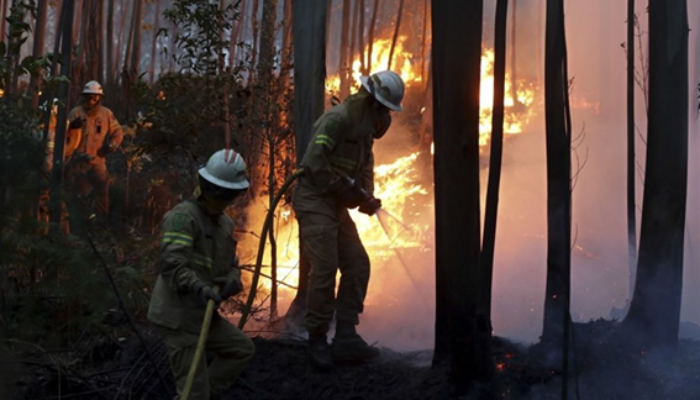
In the last decades, the strength of climate change has been evident across the globe in many weather and climate extremes occurrences, including heatwaves and droughts. Those events are involved in all fire stages and influence all aspects of the fire regime [1].    Climate change is driving unprecedented wildfire in the Mediterranean region  The Mediterranean region is a climate change hots ...[Read More]

The CRED presents the bill: the socio-economic cost of natural hazards.

The CRED presents the bill: the socio-economic cost of natural hazards.

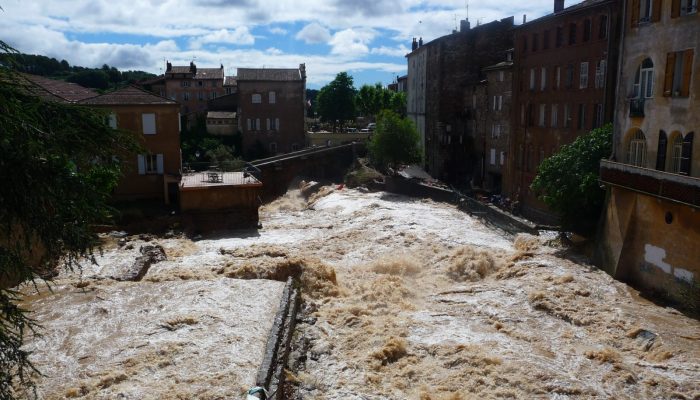
Which type of natural hazard is the most frequent? And which one causes the largest economic losses? Which populations are mainly affected? What are the necessary steps to reduce natural hazards’ impact? If you have ever wondered about any of these questions, you’d be interested to know that there is an institute answering all of them with a series of reports and ad hoc publications. We are ...[Read More]

The collapse of Anak Krakatau volcano: a scenario envisaged

The collapse of Anak Krakatau volcano: a scenario envisaged

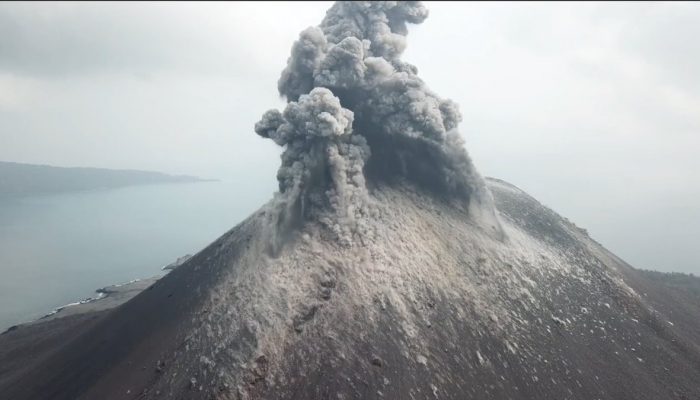
The volcano ID Krakatoa or Krakatau, in Indonesia, is part of the Ujung Kulon National Park, a UNESCO World Heritage property, and among the most (in)famous volcanoes in the world. From a geological point of view, it is part of the Indonesian island arc system generated by the north-eastward subduction of the Indo-Australian plate (Figure 1). Krakatau is now a caldera type of volcano thanks to the ...[Read More]

Heavy metals in industrial wastewater: hazardous waste or secondary resource?

Not long ago on the blog, we have talked about natural groundwater quality triggered by geogenic factors and related hazards such as a high concentration of heavy metals. Today’s topic concerns the anthropogenic input of heavy metals into the water and how to tackle its effects efficiently.   Industrial processes can lead to heavy metal-bearing wastewater, which is commonly treated by ineffi ...[Read More]

Doing and wandering of NhET at the EGU’s General Assembly

If you were wondering what a group of young scientists such as NhET does in its free time, this is the right post for you to read! In between doing exciting fieldwork on an active volcano, writing an inspiring paper on landslide monitoring and applying that complicated algorithm for the analysis of earthquake return times: we organize events at the EGU’s General Assembly (GA) targeting Early Caree ...[Read More]