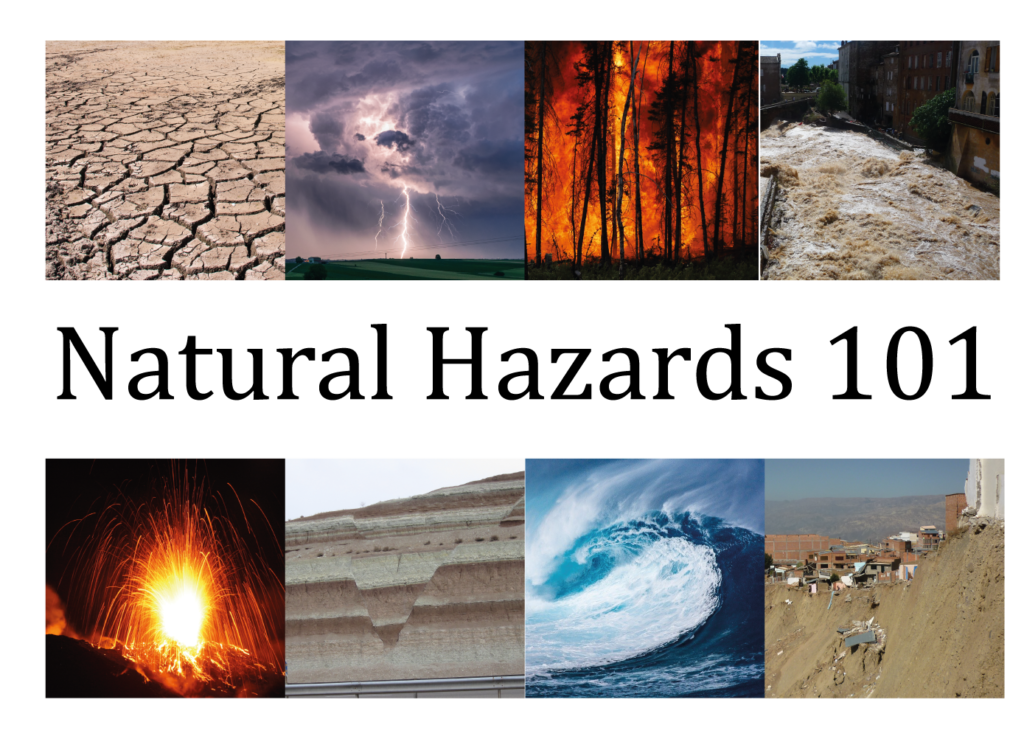
With the Natural Hazards 101 series, we mean to bring our readers closer to the terminology often used in the field of natural hazards, but that may not be so familiar. In the first episode of the series, we focused on the definition of hazard and natural hazard. We moved then to the concepts of risk, disaster risk management, and the forecasting and modelling of natural hazards. In this episode, ...[Read More]
Paving the way for climate resilience: what can we learn from the coronavirus pandemic?
Even though significant epidemics and pandemics have been recorded many times throughout human history, the Covid-19 pandemic demonstrated how vulnerable our societies still are. While the consequences of the pandemic are still ongoing, the global response so far can potentially offer some insights to support climate change response. Undoubtedly, the world is already experiencing a wide range of c ...[Read More]
Artificial intelligence for disaster management: that’s how we stand
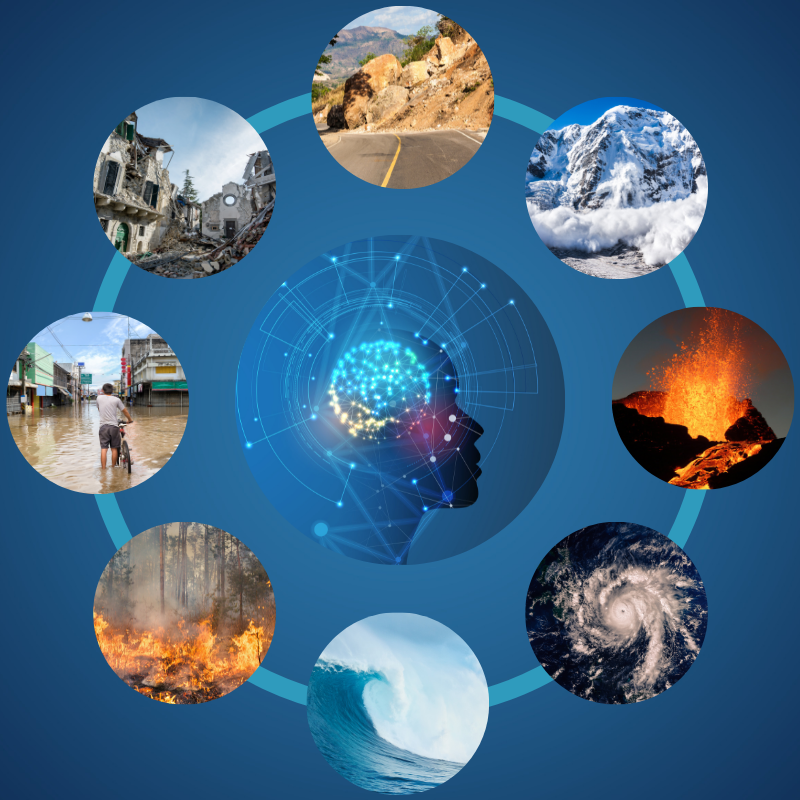
On the 23rd of June, I participated in the Second Workshop for AI (Artificial Intelligence) for Natural Disaster Management that hosted around 400 scientists, UN advisors, practitioners and policymakers from all over the world interested in machine learning for supporting disaster prediction and early warning. AI is not my research area; however, I have always been interested in the new advances t ...[Read More]
Mitigating Soil Erosion After Wildfires
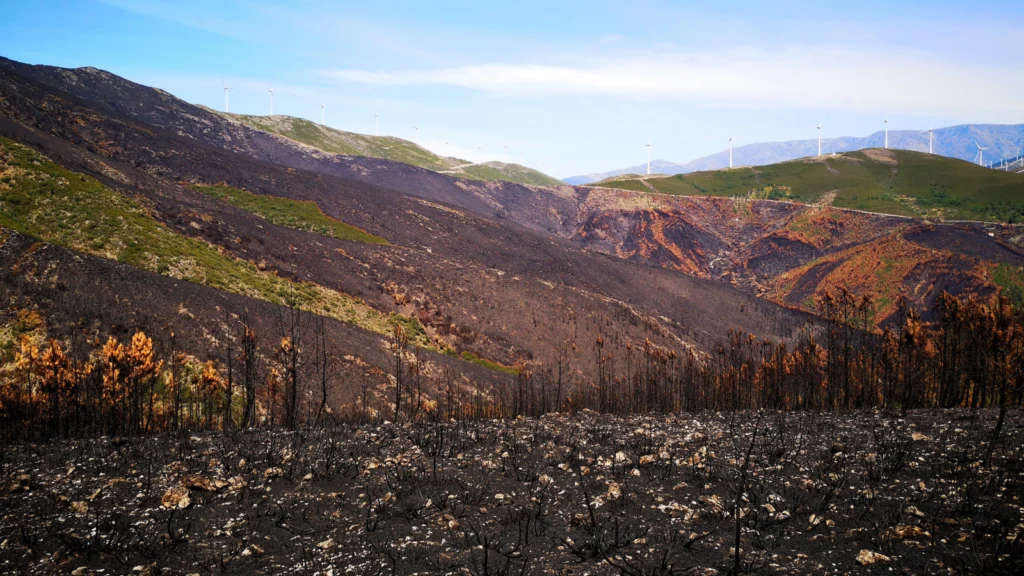
Wildfires are a natural element in many ecosystems and play a central role in their dynamics. For example, they clear forest floors and liberate nutrients that can replenish the soil. However, changes in fire regimes induced by anthropogenic factors (such as climate change and land uses) have resulted in fire patterns that harm ecosystems [1]. Let’s see together the issues and the mitigation solut ...[Read More]
LANDAWARE: the international network on landslide early warning systems
For today’s interview, it gives me great pleasure to host Dr Manfred Stähli, who will tell us about a new initiative in the field of Landslide Early Warning Systems (LEWS), which is attracting the attention and participation of researchers from many countries. This initiative is called LandAware. Manfred is a senior scientist in mountain hydrology, slope stability and early warning systems a ...[Read More]
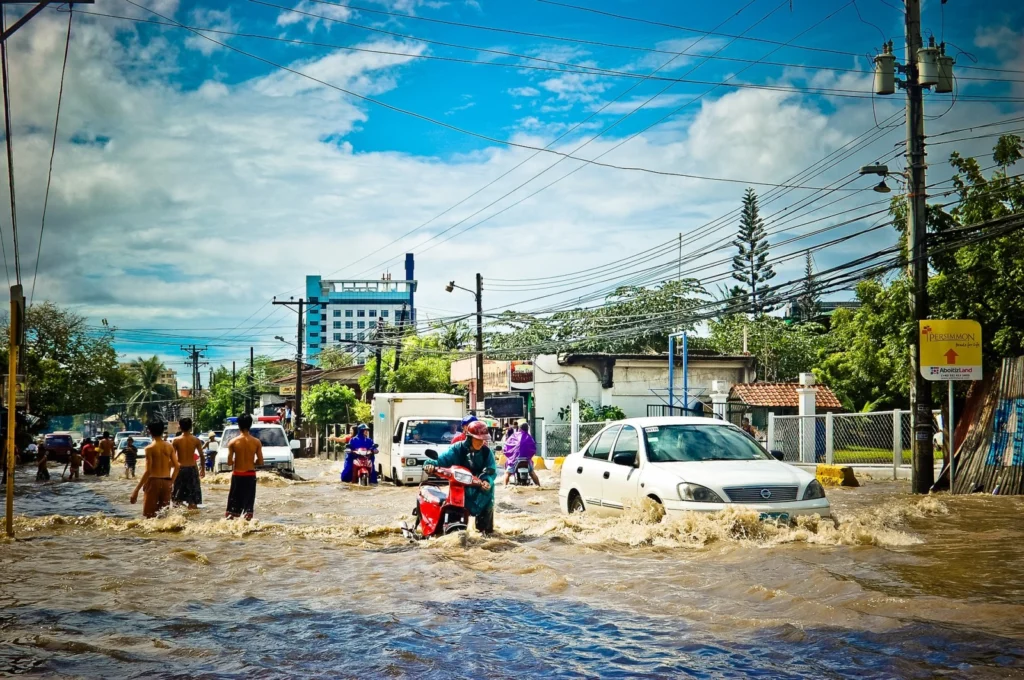
Floods in the Anthropocene: the good, the bad and the ugly
The interplay between human societies and floods dates back to Old World civilizations. Floodplains have provided the potential for prosperous agriculture and for the development of organised communities and urban cultures. Contextually, flood events have caused millions of fatalities and invaluable economic losses throughout history. Over the past decades, human activities have increasingly alter ...[Read More]
The earthquake traffic light
Dr. Laura Gulia is a senior post-doc at the University of Bologna, Department of Physics and Astronomy. She has a strong experience in statistical seismology, seismicity analysis as well as seismic hazard and risk assessment. Recently, she investigated the spatio-temporal evolution of the earthquake size distribution throughout a seismic sequence focusing on the b-value, a parameter characterizing ...[Read More]
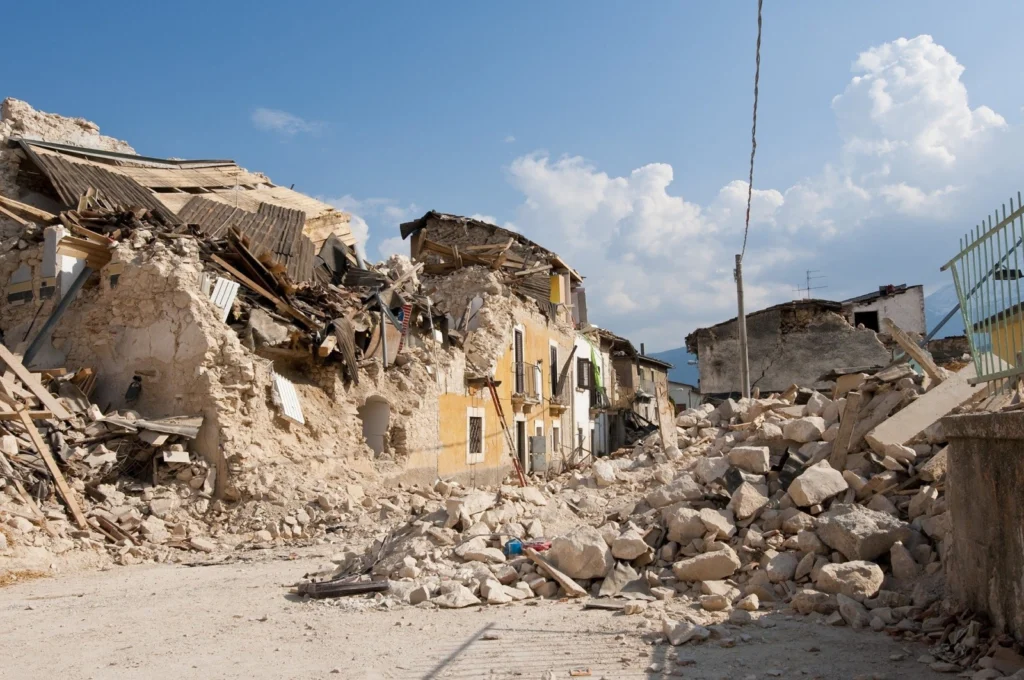
To be or not to be a ‘natural’ disaster: that is the question
The story of science is replete with theories that only become accepted by the scientific community after long and protracted uphill battles, said Howard Wolinsky in his commentary in Science and Society in 2008. Sometimes they are rejected, ridiculed, or they take time to be validated, digested, and likely accepted. However, in my opinion, the scientific discussion over new hypotheses is at the h ...[Read More]
Vitor Silva: 2020 Natural Hazards division medallist story
In today’s interview, we talk with Dr Vitor Silva, who was awarded the 2020 Natural Hazard Division Outstanding Early Career Scientist Award for his fundamental contributions to the research on earthquake risk assessment. Seismic risk is the probable building damage and the number of people that are expected to be hurt or killed if a likely earthquake on a particular fault occurs. Disaster risk ca ...[Read More]
A coffee with Mr Fujitsuka: Typhoon Hagibis and the recovery process
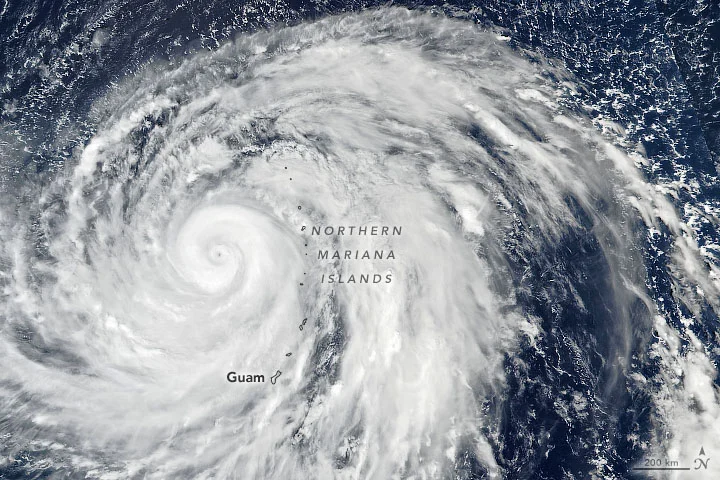
Today I got the chance to grab a coffee with Mr Fujitsuka, an ex-officer of the Ministry of Environment of Japan in charge of disaster preparedness, management and recovery. The reason why I decided to interview Mr Fujitsuka is that he helped in first person to manage the recovery process during Typhoon Hagibis that paralyzed the eastern coast of Japan on the first week of October. But, before exp ...[Read More]