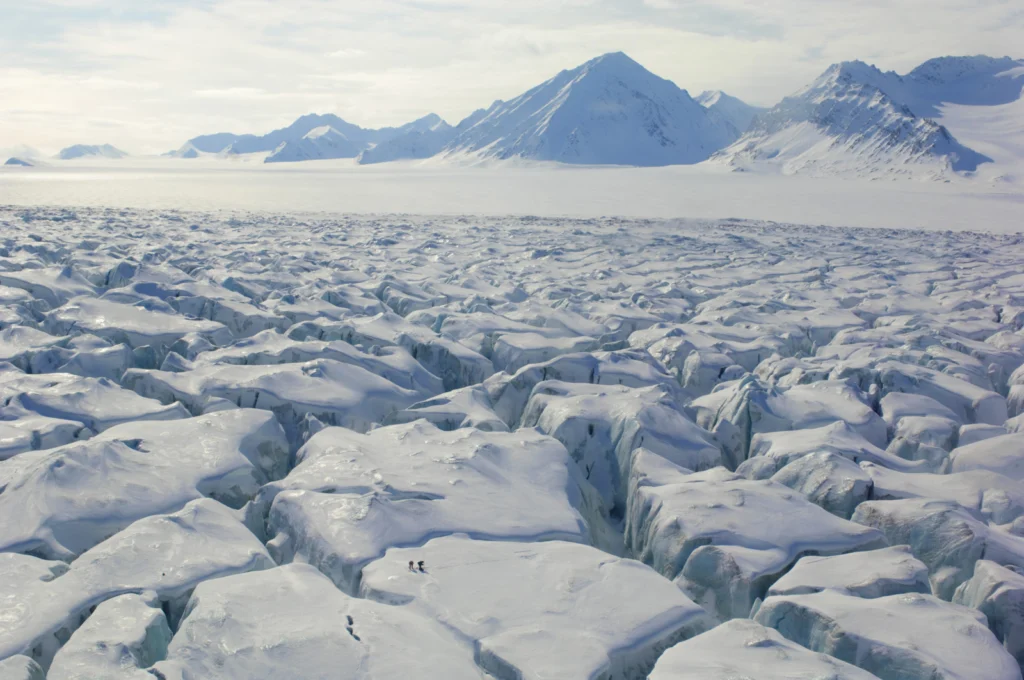
It is a pleasure for the EGU Cryoblog team to present a new post category: Cryo-institutes around the world! There are many institutes working on cryosphere-related research spread around the world. The aim of this new category is to highlight the cool research that is carried out at these institutes, showing off our multi-faceted cryo-related …[Read More]
Mass balance
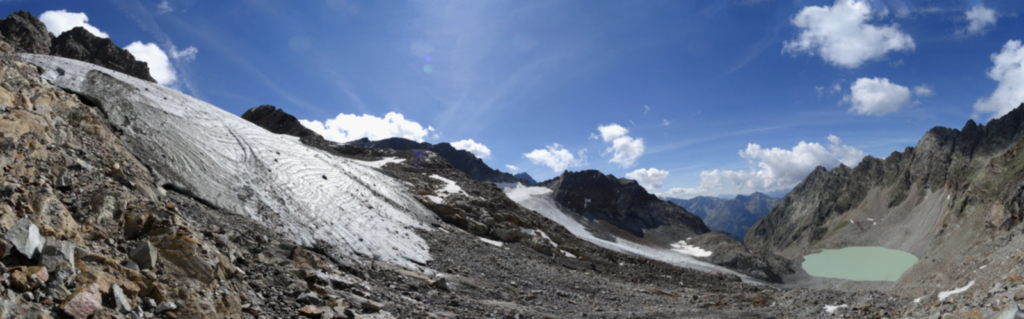
Climate Change and Cryosphere – What can we learn from the smallest, most vulnerable glaciers in the Ötztal Alps?
The Alps were the first mountains to be studied from a glaciological point of view in the 19th century and they host some of the most studied glaciers of Earth. Some of them are found in the Central Alps and in particular, the Ötztal Alps. Just to cite the most known and largest glaciers in …[Read More]
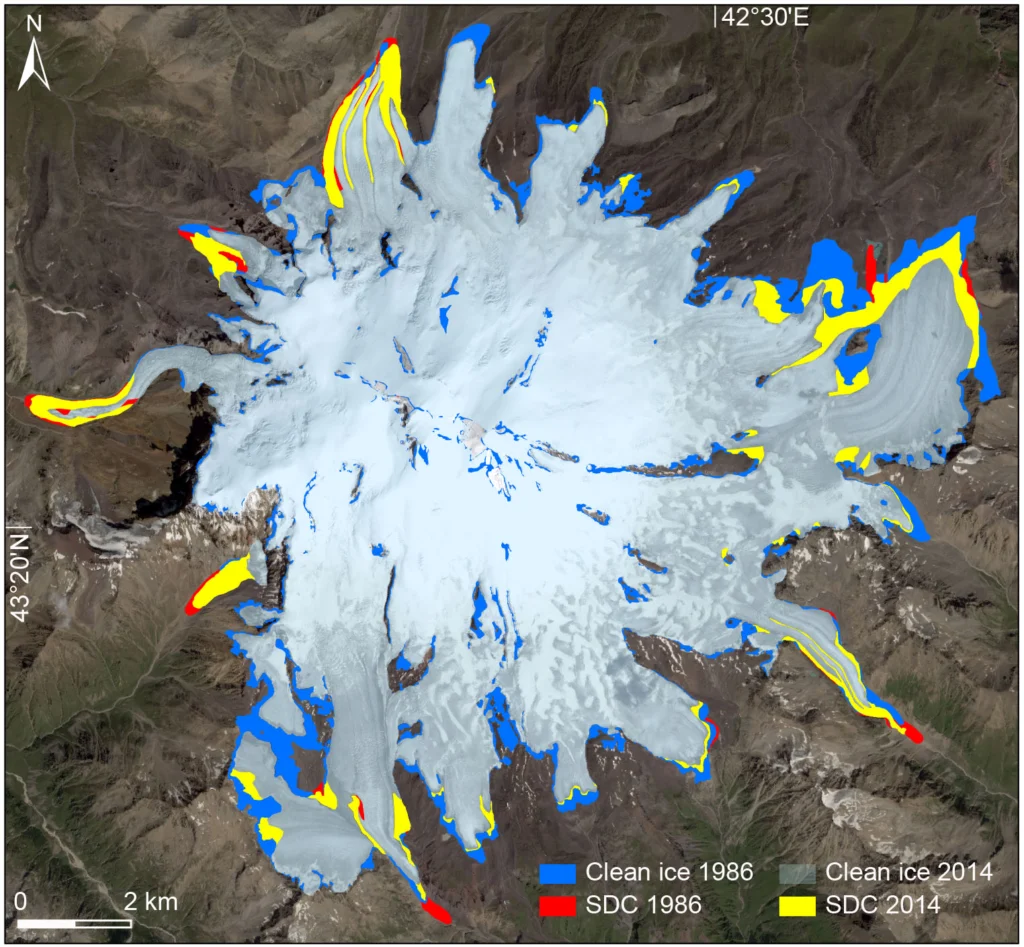
Does debris cover offset glacier retreat in the Greater Caucasus?
In this week’s blog, Levan Tielidze tells us about supra-glacial debris cover change for the Greater Caucasus. His recent study indicates more than a doubling in the area of supra-glacial debris cover for the Elbrus Massif‘s glaciers from 1986 to 2014, the largest glacierized massif in the whole region. Glaciers on the western slope of …[Read More]
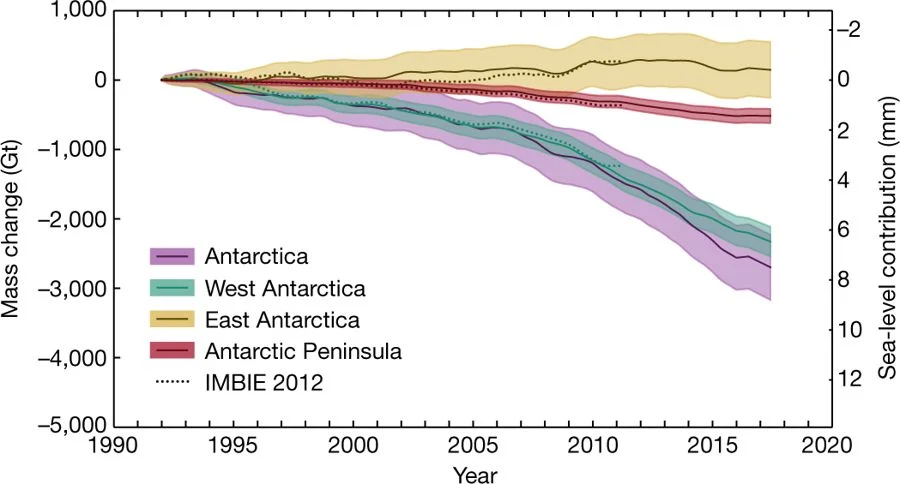
Image of the Week — Quantifying Antarctica’s ice loss
It is this time of the year, where any news outlet is full of tips on how to lose weight rapidly to become beach-body ready. According to the media avalanche following the publication of the ice sheet mass balance inter-comparison exercise (IMBIE) team’s Nature paper, Antarctica is the biggest loser out there. In this Image …[Read More]
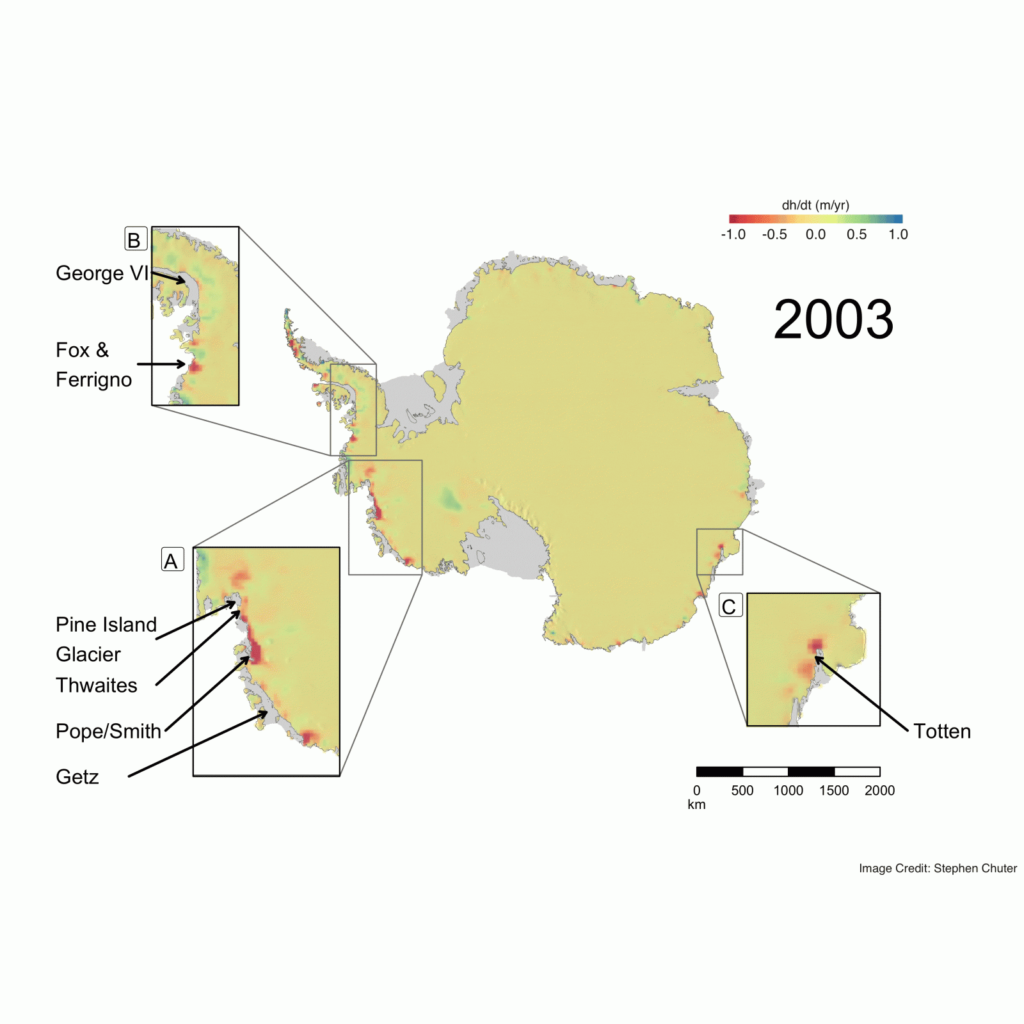
Image of the Week – Antarctica: A decade of dynamic change
Whilst we tend to think of the ice flow in Antarctica as a very slow and steady process, the wonders of satellites have shown over the last two decades it is one of the most dynamic places on Earth! This image of the week maps this dynamical change using all the satellite tools at …[Read More]
Image of the Week – A new way to compute ice dynamic changes
Up to now, ice sheet mass changes due to ice dynamics have been computed from satellite observations that suffer from sparse coverage in time and space. A new method allows us to compute these changes on much wider temporal and spatial scales. But how does this method work? Let us discover the different steps by …[Read More]
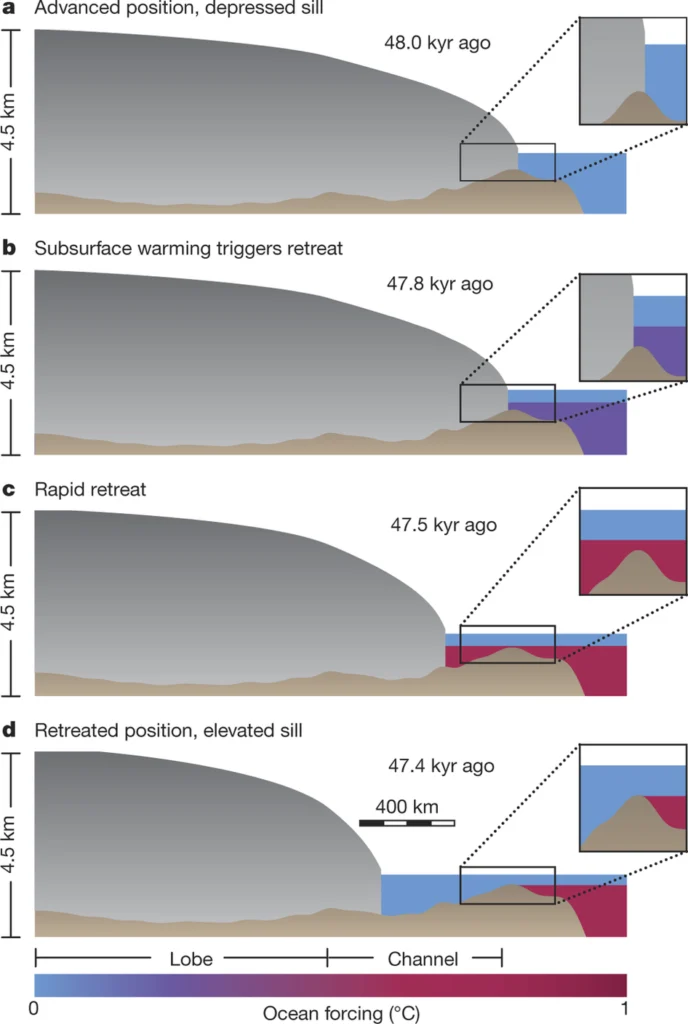
Image of The Week – The Pulsating Ice Sheet!
During the last glacial period (~110,000-12,500 years ago) the Laurentide Ice Sheet (North America) experienced rapid, episodic, mass loss events – known as Heinrich events. These events are particularly curious as they occurred during the colder portions of the last glacial period, when we would intuitively expect large-scale mass loss during warmer times. In order to understand …[Read More]
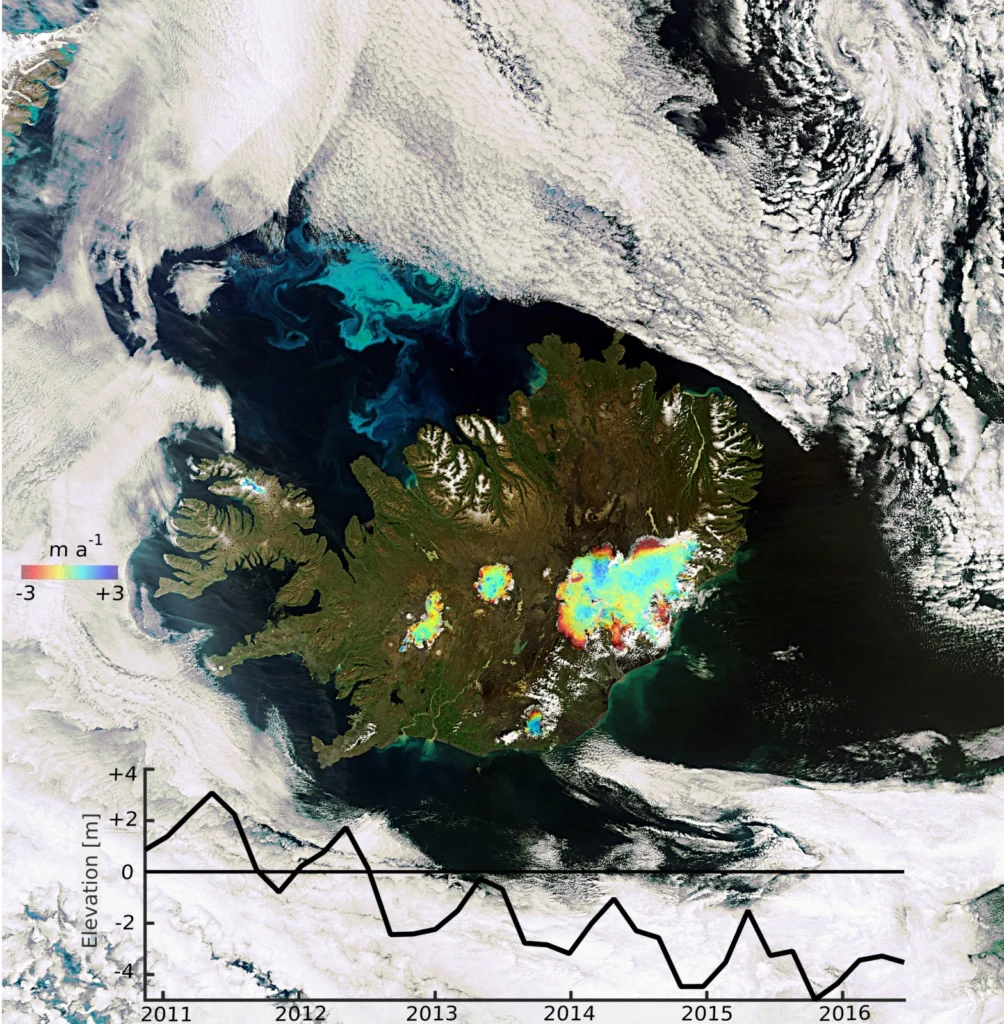
Image of the Week – Icelandic glaciers monitored from space!
Located in the North Atlantic Ocean, just south of the polar circle, Iceland is a highly fascinating land. Covered by some of the largest glaciers in Europe and hosting active volcanoes, geothermal sites and subglacial lakes, it is extremely dynamic in nature and ever changing. With this Image of the Week we will tell you …[Read More]
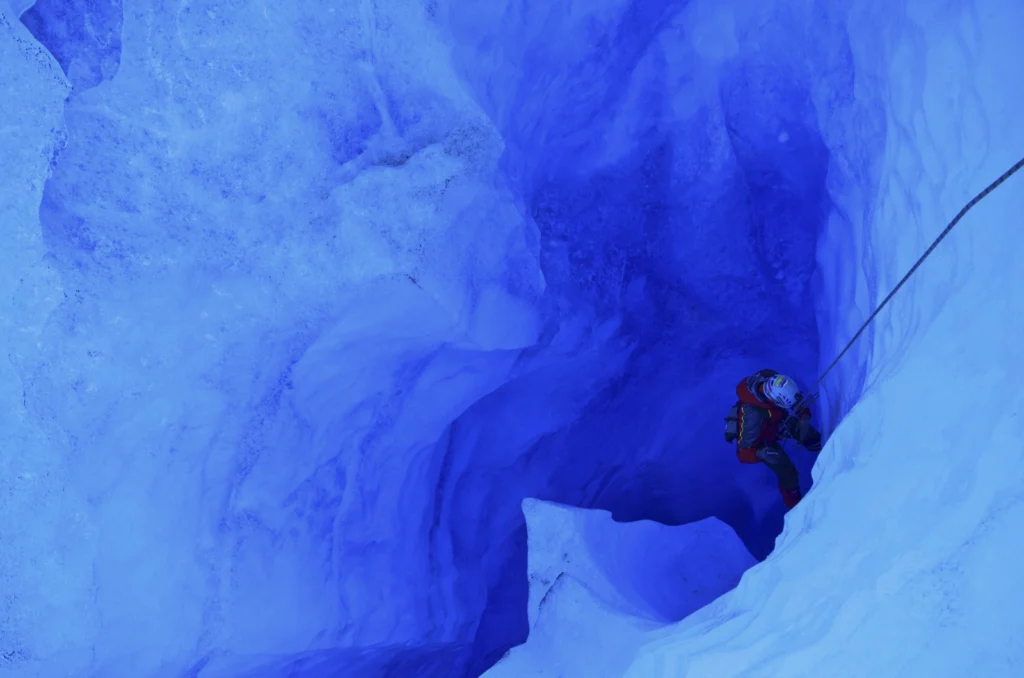
Image of the Week – Inside a Patagonian Glacier
Chilean Patagonia hosts many of the most inhospitable glaciers on the planet – in areas of extreme rainfall and strong winds. These glaciers are also home to some of the most spectacular glacier caves on Earth, with dazzlingly blue ice and huge vertical shafts (moulins). These caves give us access to the heart of the …[Read More]
Image of the Week – Hidden Beauty on a Himalayan Glacier
Today’s image of the week comes from stunning setting of Chhota Shigri Glacier in the Pir Panjal Range of northern India. The range is part of the Hindu-Kush Karakorum Himalaya region which is a notoriously challenging place to work as it is very remote and completely inaccessible during the winter months. However, when have these challenges ever stopped a …[Read More]