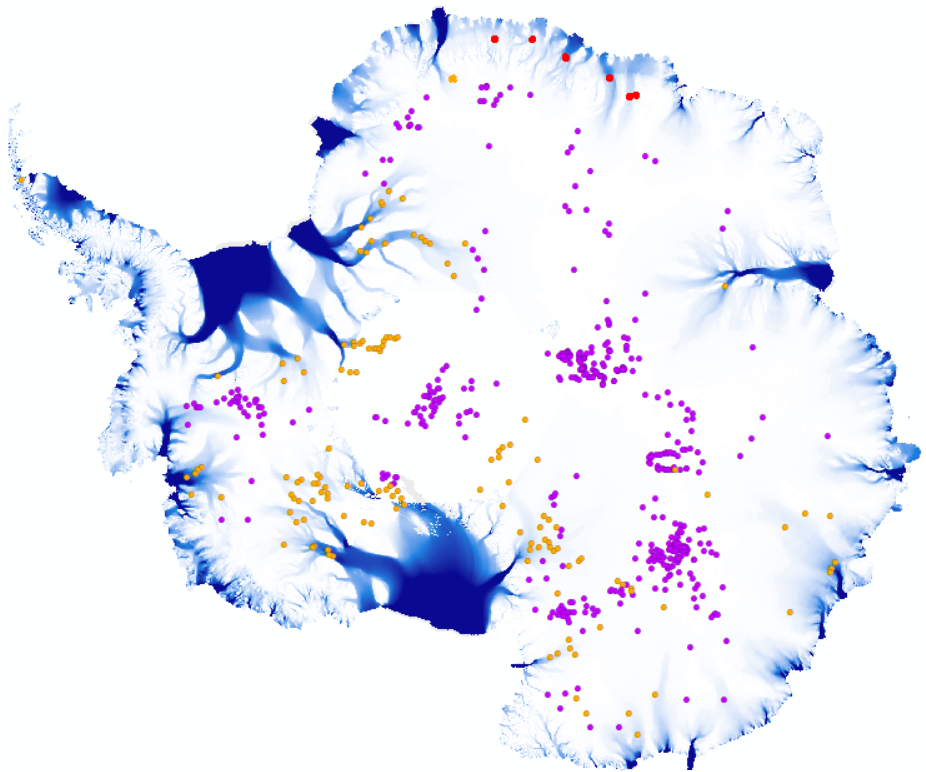

Measuring ice surface elevation changes with satellite laser altimeters flying hundreds of kilometres above Earth tells us where the Antarctic and Greenland ice sheets are thinning or thickening and how much they contribute to sea level rise. Beyond that though, it can also reveal hidden activity of subglacial lakes filling and draining beneath the ice and meltwater rivers flowing ou ...[Read More]
Arctic Frontiers Emerging Leaders
Here on the Cryoblog we often talk about the impacts of climate change in the Cryosphere. So now for something completely different: how does this fit into sustainable development in the Arctic? Here, I take you on a journey through the Arctic in a round-up of the recent Arctic Frontiers Emerging Leaders program, a unique early-career and mentoring program bringing together academic, industry, ind ...[Read More]
CryoAdventures – Three months in Nuuk, the world’s northernmost capital!
I have just returned from nearly three months in Nuuk, the capital of Greenland, where I was doing my PhD placement at Asiaq Greenland Survey. Read on to find out what science I got up to… everything from mapping mountain glacier snowline change to avalanches! How do you map glacier snowline evolution? During my PhD research placement, I was working at Asiaq Greenland Survey in their Hydrolo ...[Read More]
It’s not you, it’s me(lange): ice shelf break-up triggered by mélange and sea-ice loss
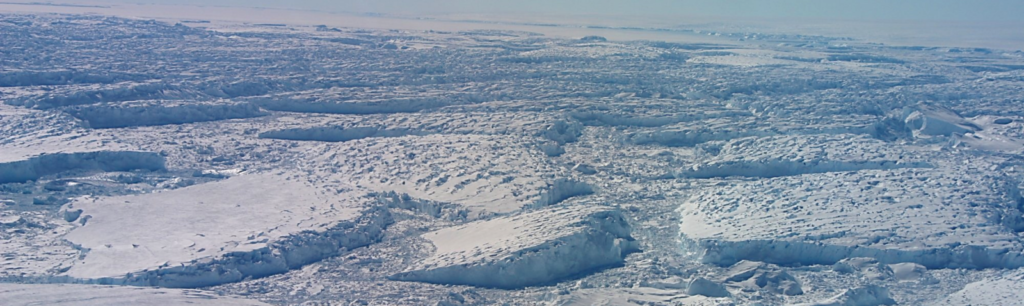
Between March and May 2007, a total of ~2,445 km2 (equivalent to over 17 football pitches) of ice mélange (a mixture of sea-ice types, icebergs and snow) and part of Voyeykov Ice Shelf in East Antarctica rapidly broke up. Observations of the timing and triggers of such events are relatively rare in East Antarctica, compared to ice shelves on the Antarctic Peninsula. Recent work highlights the impo ...[Read More]
Cryo Adventures – What’s currently going on in Antarctic science?
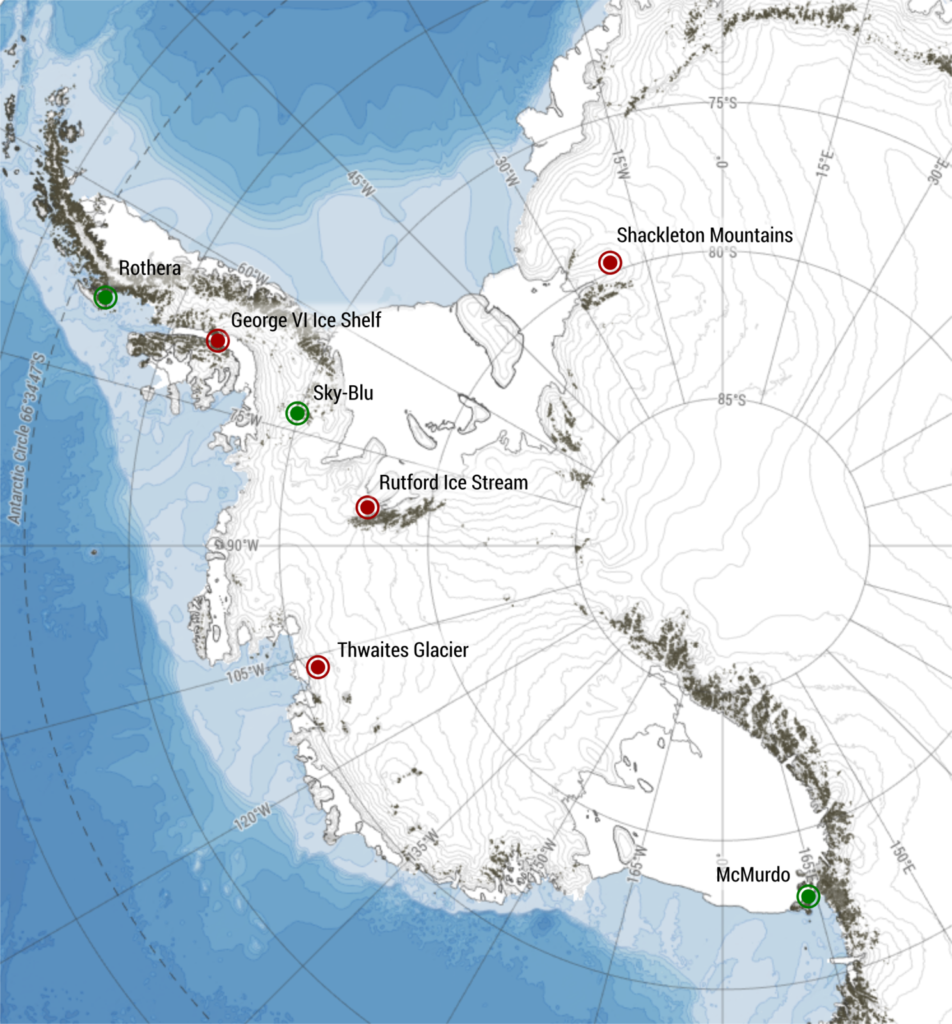
As Christmas gets closer, days are getting shorter in the northern hemisphere. A good excuse to get cosy inside on the sofa, drinking tea and eating Christmas biscuits. Meanwhile, a few thousand of scientists are heading “South”, to Antarctica, where the lengthening days provide the perfect conditions to conduct a whole variety of scientific field expeditions… Science in Antarctica Just last ...[Read More]
Ice-hot news: The IPCC Special Report on the Oceans and the Cryosphere under Climate Change
You have probably heard the name “Intergovernmental Panel on Climate Change (IPCC)” mentioned frequently over the last few years. The IPCC is the United Nations body for assessing science related to climate change and it publishes global assessment reports on this topic every 5 to 10 years. Due to the current urgency of the global climate crisis and the need for more information by decision makers ...[Read More]