CL
Climate: Past, Present & Future

Climate of the Present

A new European effort to better understand extreme weather

A new European effort to better understand extreme weather

Extreme weather events routinely have detrimental socio-economic impacts around the globe. In fact, weather-related events make up over 90% of natural disasters worldwide [1]. In the new millennium, the frequency of many extreme weather events such as droughts and high temperatures, has systematically exceeded the levels seen in the 1980s and 1990s [1], and anthropogenic …[Read More]

Desert loess: formation, distribution, geoscientific value

Desert loess: formation, distribution, geoscientific value

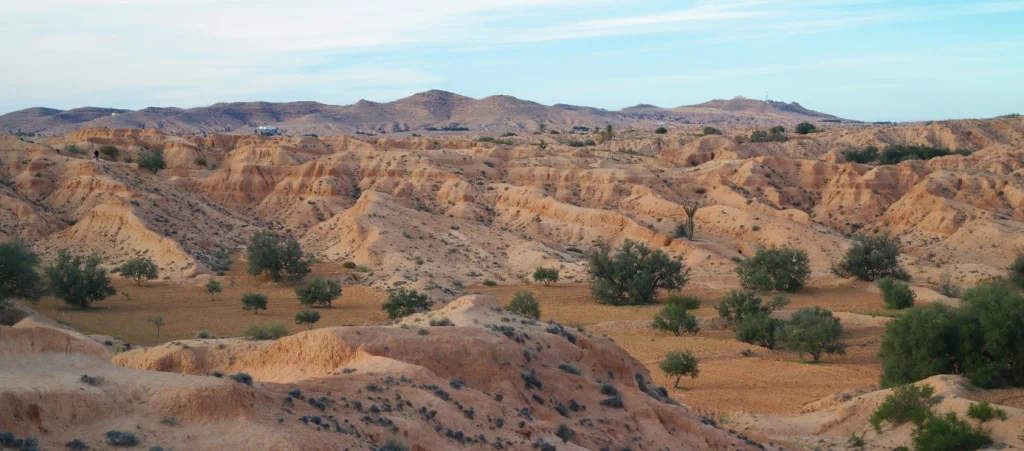
Loess is an aeolian (wind-driven) silty sediment covering over 10% of the Earth’s land surface; it occurs predominantly in the mid-latitudes. On a global scale, loess is among the most widespread unconsolidated sediments, and of crucial importance for agricultural regions where loess deposits are known to form fertile soils because of its ability to store …[Read More]

InterArctic project: understanding the interaction between artic environments and societies

InterArctic project: understanding the interaction between artic environments and societies

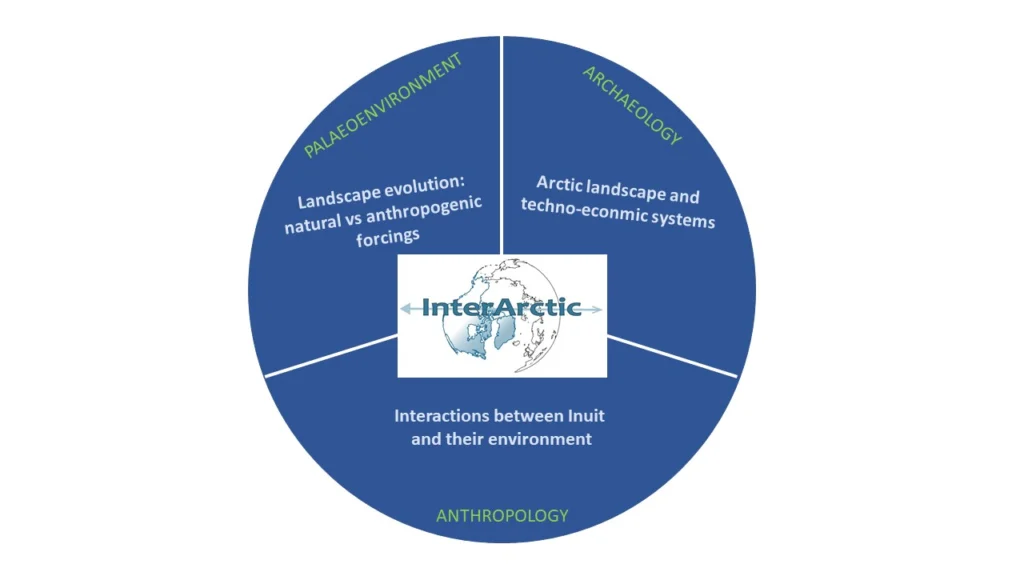
The InterArctic project (Fig. 1) focuses on vulnerability, resilience and adaptation of northern societies facing global change. The current rapid warming of Arctic and Subarctic climates has already produced many changes in the social, economic and cultural behaviour of the populations inhabiting these regions and more changes are expected to come. In this context, looking …[Read More]

Climate models and Bach’s unfinished fugue

Climate models and Bach’s unfinished fugue

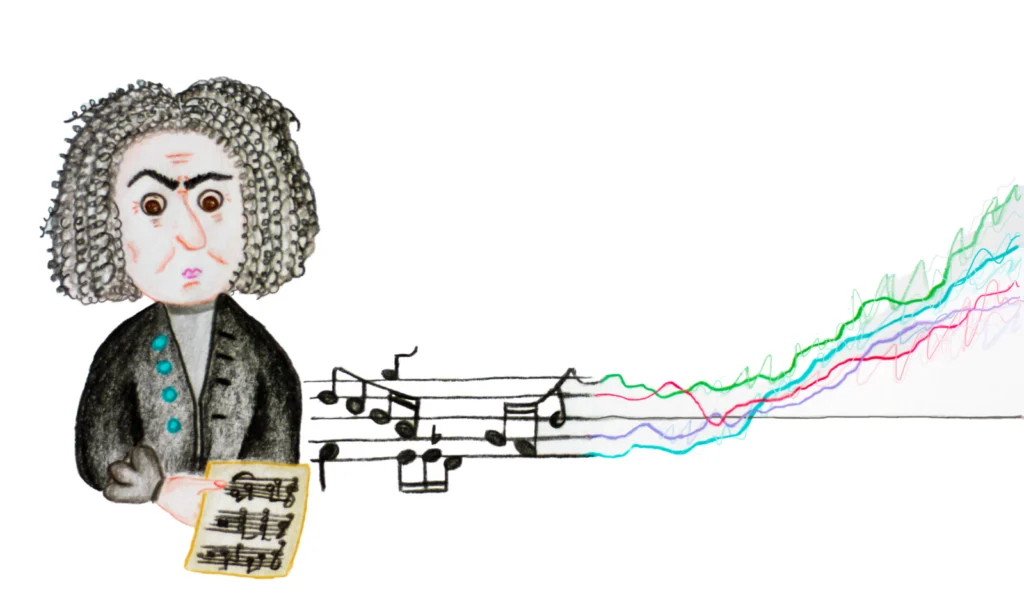
Johann Sebastian Bach’s last work – Contrapunctus XIV – is an unfinished musical composition. For many years, scholars considered that this piece was left unfinished because of Bach’s deteriorating health in his final years and eventual death. However, researchers recently found evidence that Bach might have left this piece intentionally unfinished, as he thought that …[Read More]

Learning lessons from the past to inform the future

Learning lessons from the past to inform the future

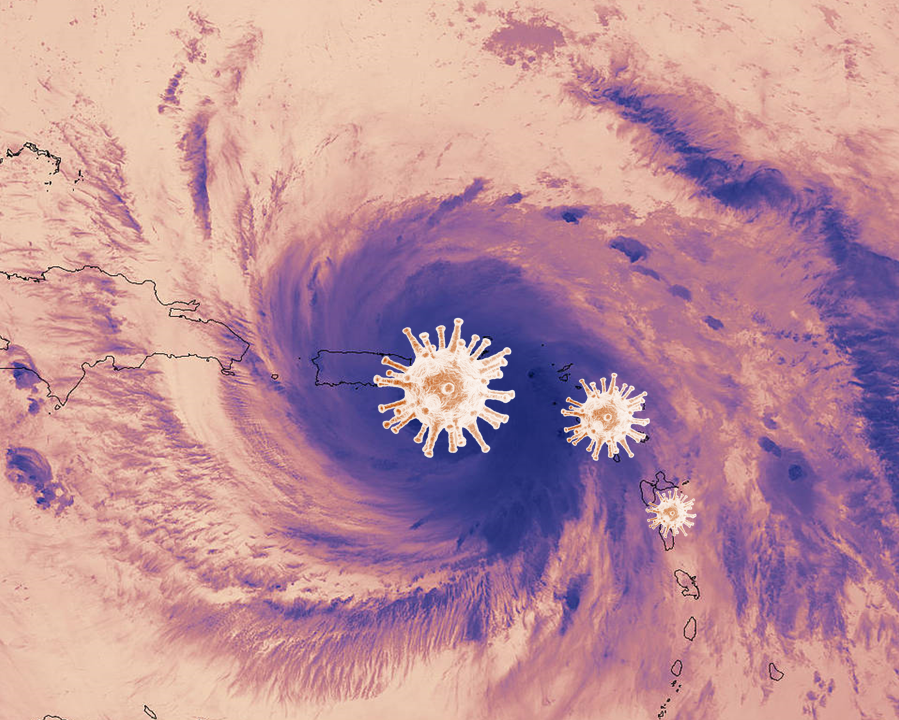
  A fairly recent blog post here reiterated the compelling comparison between the current COVID-19 crisis and the ongoing climate emergency, focusing on extreme events such as hurricanes, heatwaves and severe rainfall-related flooding, all of which are likely to get worse as the climate warms (Langendijk & Osman 2020).  This comparison has been made by …[Read More]

Glacier retreat and music

Glacier retreat and music

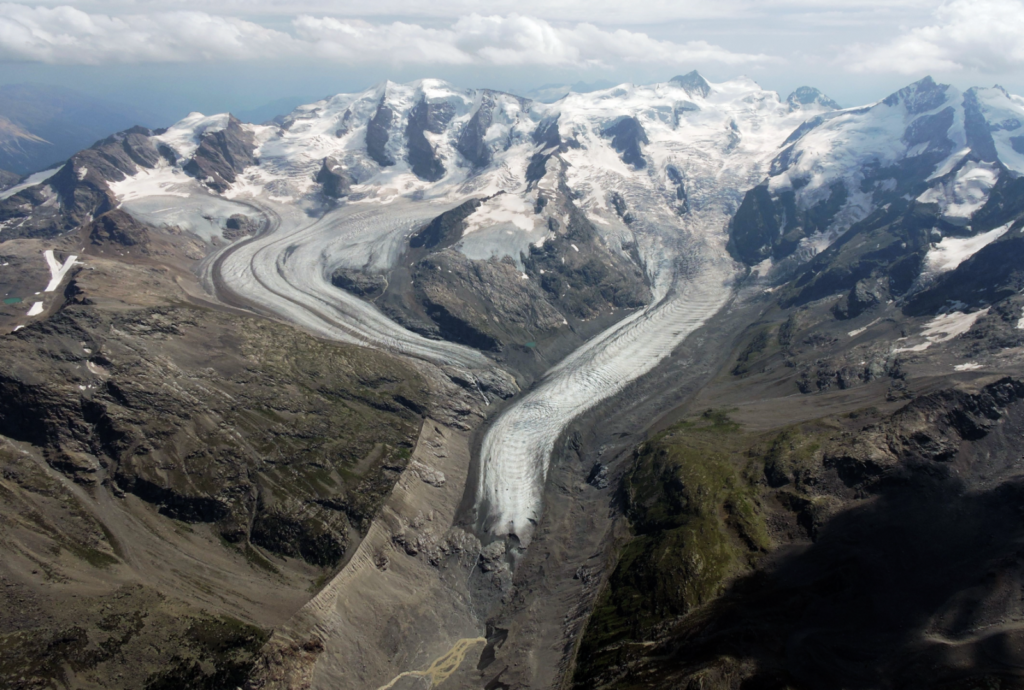
In virtually all parts of the world glaciers are retreating, and this is often considered to be one of the clearest signs of global warming (e.g. Leclercq and J Oerlemans, 2011). Glaciers started to shrink in the second half of the 19th century and, apart from some minor interruptions, this development has continued until today. …[Read More]