CL
Climate: Past, Present & Future

Climate of the Present

Open climate science is brave climate science

Open climate science is brave climate science
Why are we climate scientists? For us, there is a number of reasons: we feel a strong bond to nature, we like to solve puzzles and we want to understand the mechanisms of what we see every day.  And – even if it only manifests at the end of a causal chain – we want to contribute to a just and livable world via working in climate science. Thus, due to distant and abstract state funding ...[Read More]

Modelling the heat mitigation effects of blue roofs and green roofs to assess climate change adaptation potentials in dense urban environments

Modelling the heat mitigation effects of blue roofs and green roofs to assess climate change adaptation potentials in dense urban environments

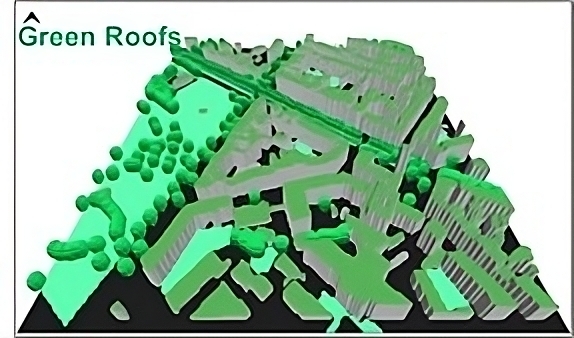
Urban areas often show higher temperatures than their surrounding rural areas, especially during heat events. This phenomenon is called the Urban Heat Island (UHI) effect. The magnitude of the UHI effect is expressed by the absolute temperature difference between the rural and the urban area and can reach more than 10 °C. During past decades, the magnitude of the UHI effect has intensified in many ...[Read More]

Spotlighting the Climate Division’s sessions for EGU24

Spotlighting the Climate Division’s sessions for EGU24

Dear community of climate enthusiasts and EGU lovers, We know that being part of the EGU is not just about staying in the loop with the latest geoscience works – especially when it comes to our all-time favorite realm of sciences: climate sciences 🤩. It is also an amazing opportunity to spark exciting collaborations and expand your network with scientists from all over Europe and the world. EGU is ...[Read More]

The Walker Circulation: what is it and why does it matter

The Walker Circulation: what is it and why does it matter

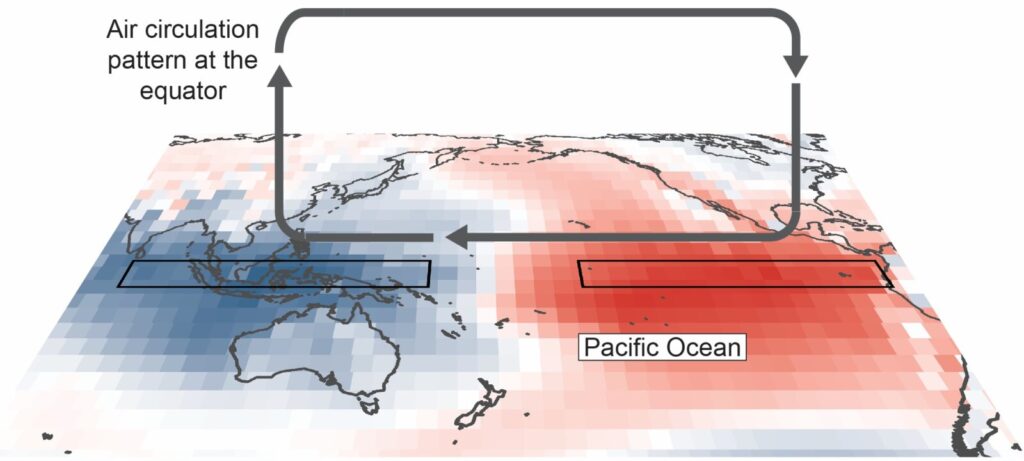
What is the Walker Circulation? The El Niño Southern Oscillation, or ‘ENSO’, is one of the major causes of year to year variability in Earth’s climate. ENSO is characterised by: changes in the temperature of the ocean’s surface in the tropical Pacific Ocean, and by changes in atmospheric circulation in an east-west direction above the Pacific Ocean.   Number two in that list is what makes ENS ...[Read More]

Why would anyone care about an ‘Anthropocene’?

Why would anyone care about an ‘Anthropocene’?

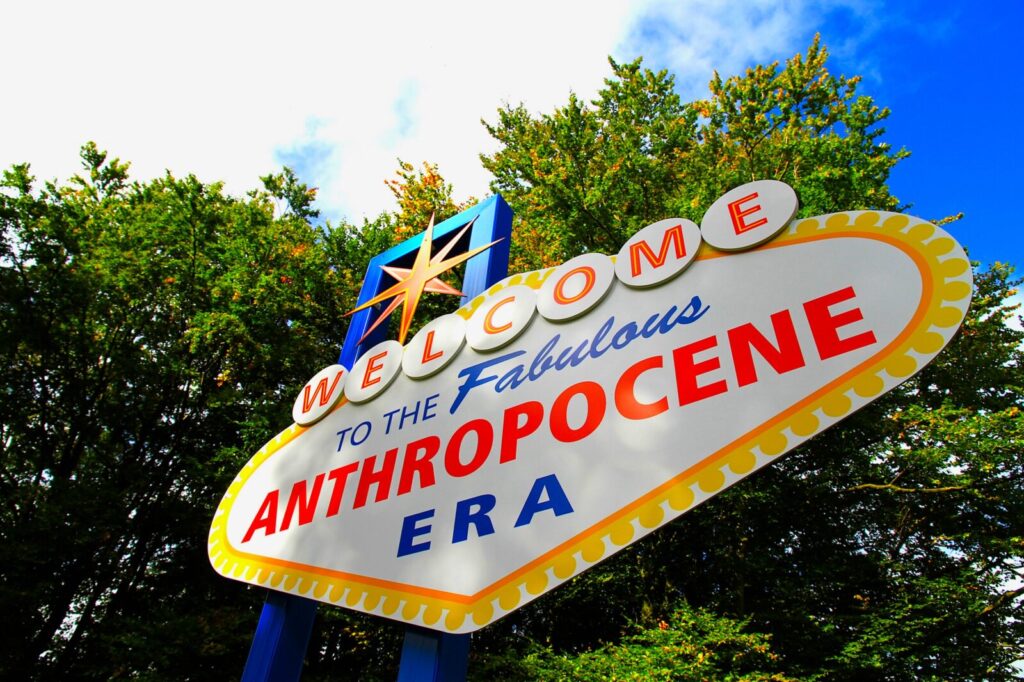
– A debate among scientists and its impact on us The epoch of humans (and their obvious intervention in the Earth system) In order to understand what the ‘Anthropocene’ means for us, we need to define first what it actually is. This poses a rather complex question in itself, as various disciplines have given the term rather different and alternative definitions. For instance, the public medi ...[Read More]

Put a Climate lab in school and make it better!

Put a Climate lab in school and make it better!

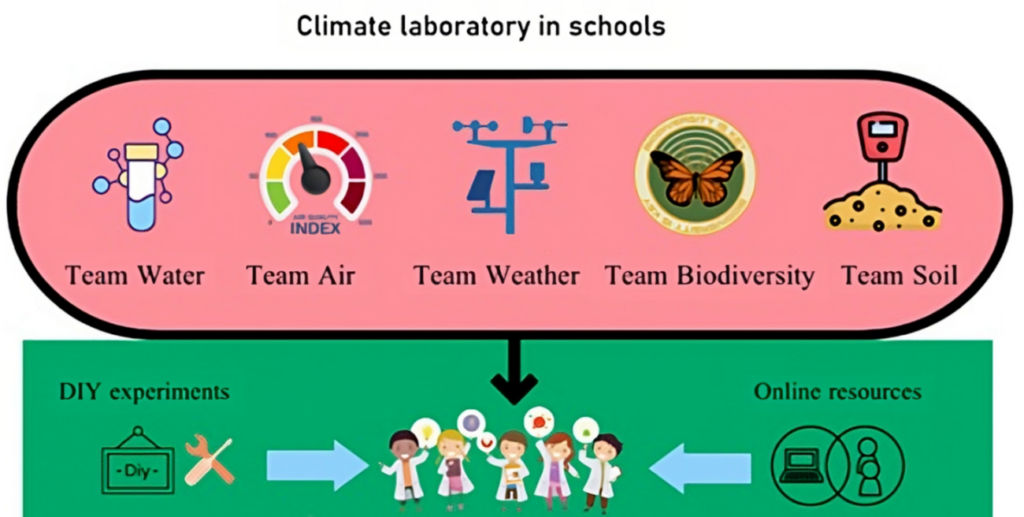
Put a Climate lab in school and make it better “The car will not go through this road”, the driver replied. Well, the path, which he was mentioning was a mudslide made up of clay soil, completely wet from the rain the previous day. We were traveling to a small village in Sundarban to establish a climate laboratory. The concrete road ends 2 kilometers before the schools, and then it was a mud bath! ...[Read More]

A glimpse into the INTIMATE’s summer school of 2022

A glimpse into the INTIMATE’s summer school of 2022

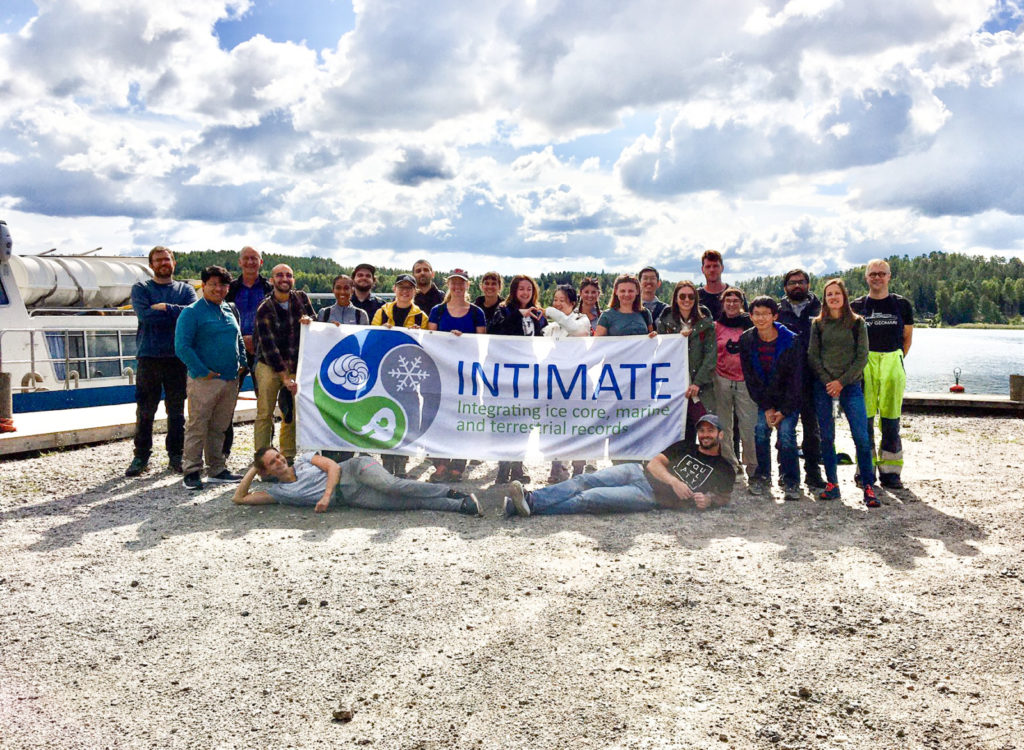
The Earth’s climate has been rapidly changing in the last decades. That’s a fact! Virtually, every one of us has been experiencing those changes in person, but how do we know that Earth’s climate has changed in the past beyond the instrumental data of the last ~200 years? From ancient manuscripts to geologic records, there are many “archives” one might consider “reading” to infer or reconstruct pa ...[Read More]

Communicating climate change

Communicating climate change

Both the uncertainty inherent in scientific data, and the background and ethics of the communicators who report such data to any given audience, can sow doubt about the science of climate change. The perception of this duality is engrained in how the human mind works, whereby we tolerate lies but are always ready to condemn hypocrisy. We illustrate this through a personal experience that is connec ...[Read More]

Simple is good: How we understand climate using idealised models

Simple is good: How we understand climate using idealised models

Do you gravitate to science because of the subject’s ability to explain complicated behaviour in nature through experimentation? When we see things or get our hands dirty by conducting experiments, it helps us comprehend scientific theories which are harder to explain. Introducing a complicated scientific theory is often carried out initially by presenting a simplified version.  For example, stude ...[Read More]

A modern take on the 19th-century scientific expeditions: cruise MSM104/1

A modern take on the 19th-century scientific expeditions: cruise MSM104/1

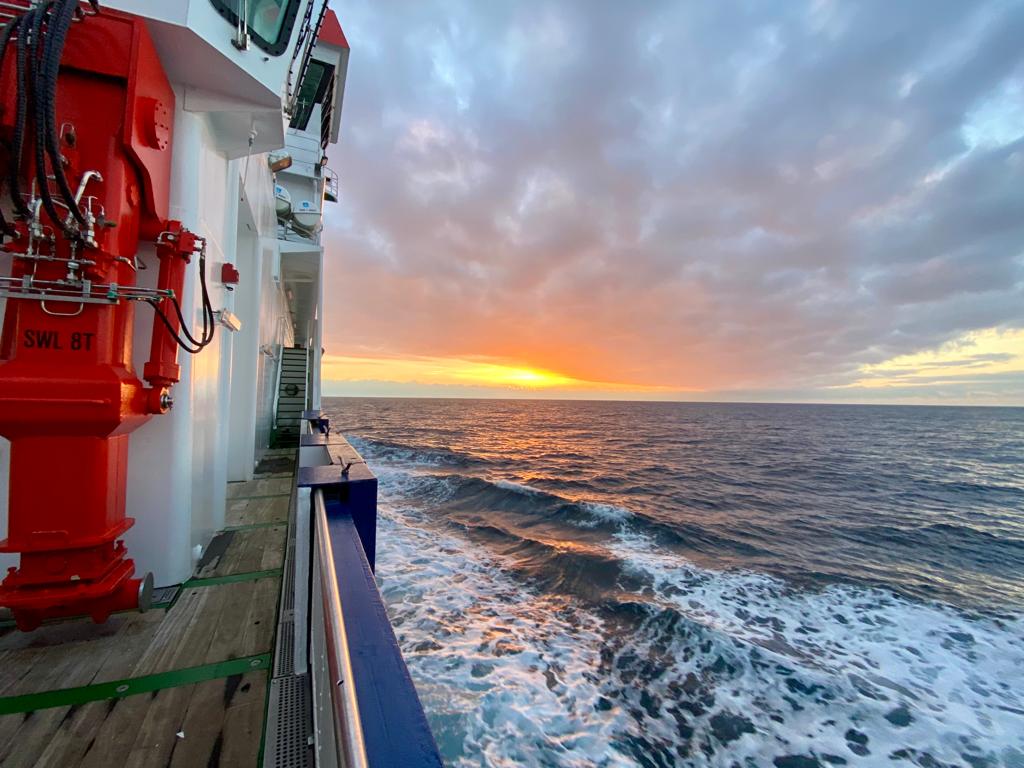
“Every ship that navigates the high seas, with these charts and blank abstract logs on board, may henceforth be regarded as a floating observatory, a temple of science.” – Matthew Fontaine Maury This is a joint post, published together with the climate sciences division blog and the ocean sciences division blog. The ocean has always been important for humanity, with trade and war being just ...[Read More]