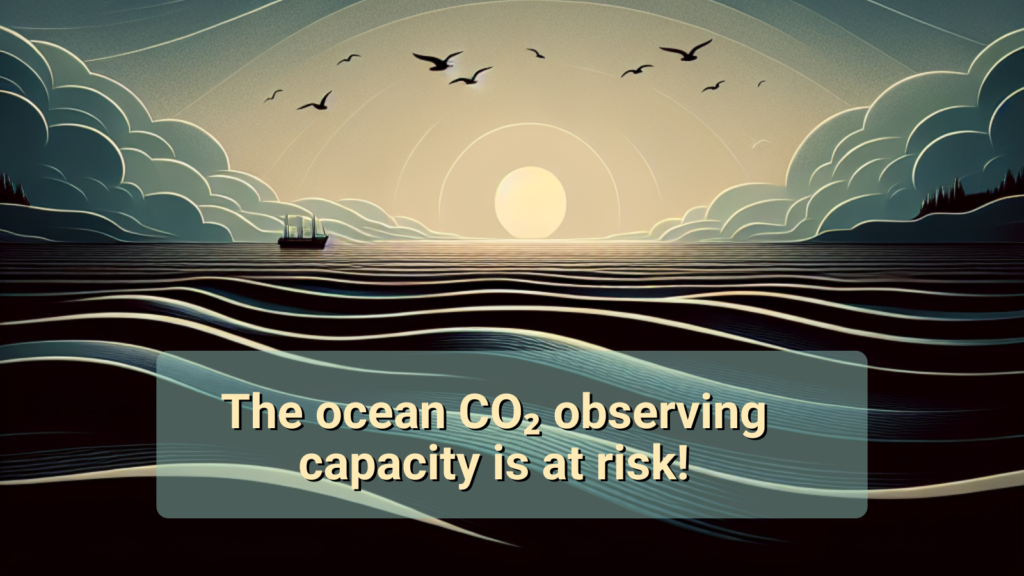
„observations not taken today are lost forever.“ (Wunsch et al., 2013) The Critical Need for CO2 Measurements Imagine the ocean as a giant lung, breathing in carbon dioxide (CO2) and helping to keep our planet cool. It absorbs about 25% of the CO2 emissions from human activities, playing a crucial role in mitigating the pace …[Read More]
Latest posts
Education and Awareness as Pillars for a Disaster-Resilient Future – An Interview with Marina Morando, Programme Director at CIMA Research Foundation
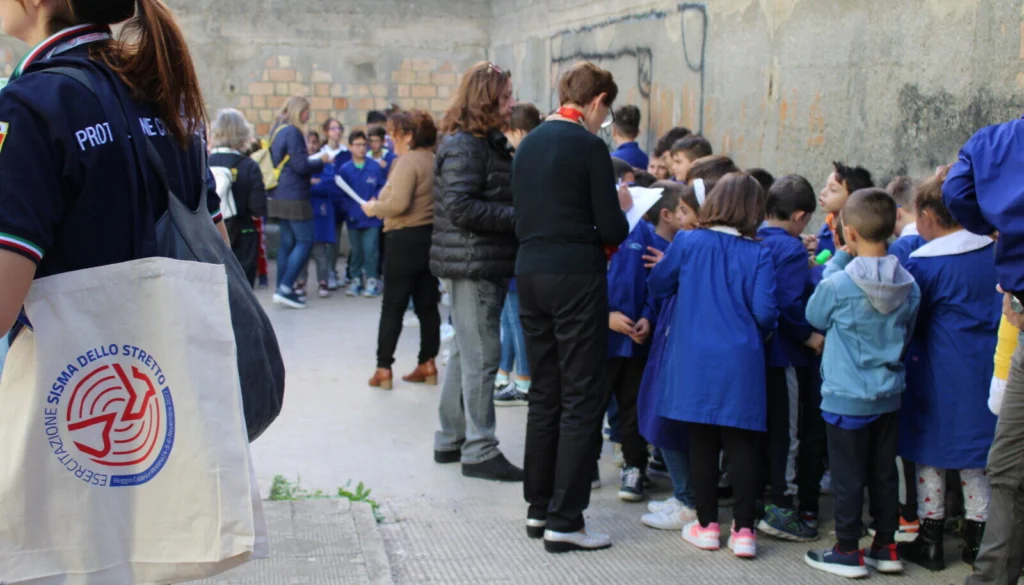
This year, the International Day for Disaster Risk Reduction, observed on October 13th, emphasises the crucial role of education in mitigating disaster risks. In this insightful interview, we have the pleasure of discussing this important topic with Engineer Marina Morando, Programme Director at the CIMA Research Foundation in Italy. She brings extensive research and operational …[Read More]
GeoTalk: meet Shradha Menon, researcher of island stability under climate change and Early Career Scientist Representative!
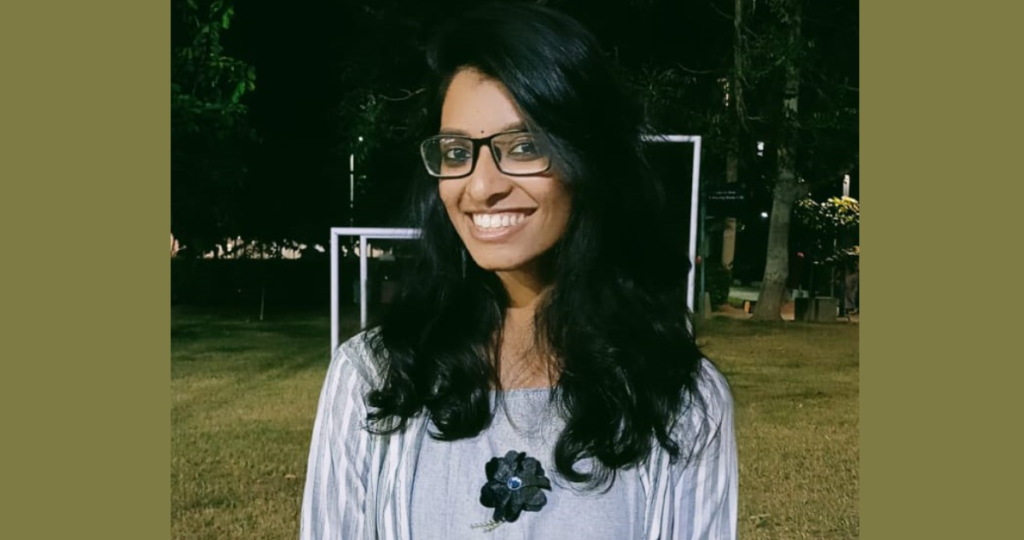
Hello Shradha – welcome to GeoTalk. Before we kick off, could you introduce yourself to our readers? Hi Simon and thank you for inviting me to the GeoTalks Series. I am Shradha Menon and I I am from Kerala, a state in the southern part of India. I am a geologist at heart and my …[Read More]
GMPV is looking for a new Blog Editor-in-Chief!
Are you an Early Career Scientist (ECS) working on the topics of the Geochemistry, Mineralogy, Petrology, and Volcanology (GMPV) division? Do you enjoy engaging with scientific communities and communicating with a broad audience? The GMPV division of the EGU is looking for a new Editor-in-Chief to lead our blog team! On the GMPV Blog, we …[Read More]
Between the Volcano and the Deep Blue Sea: Tales from Montserrat (Part 1)
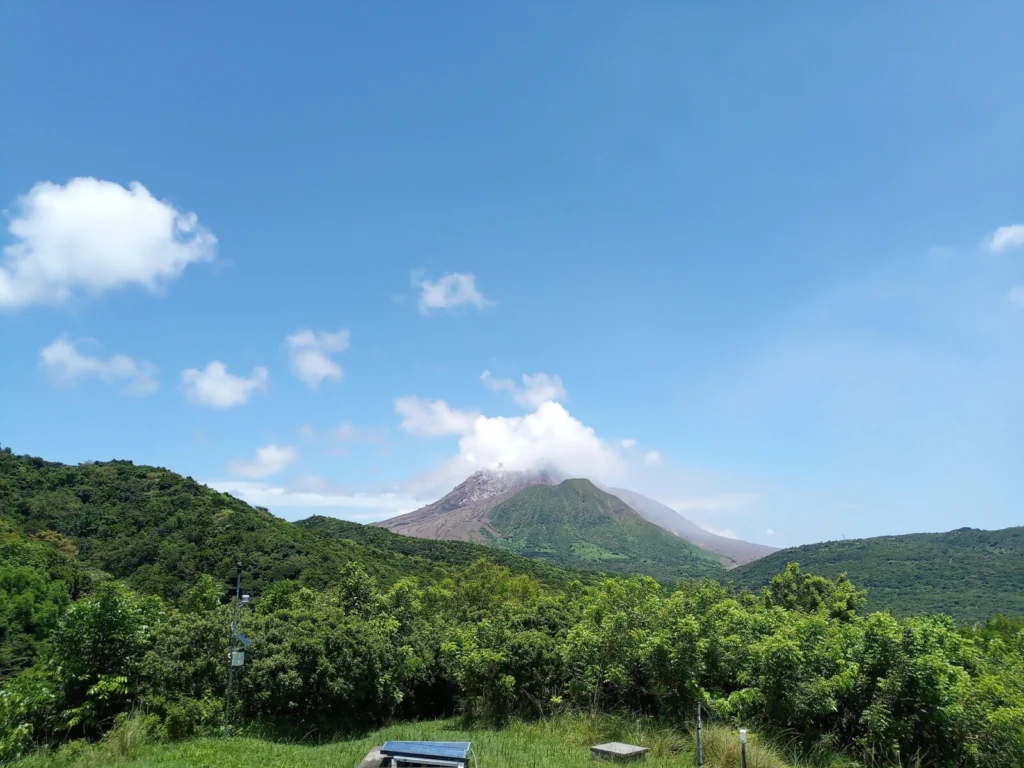
In 1995, the Caribbean Island of Montserrat was shaken by the beginning of one of the most significant volcanic eruptions in recent history: one that profoundly changed the natural, social and economical landscape of the country. Three decades later, Soufrière Hills Volcano and its legacy of destruction still shape the lives of Montserrat’s people. Join …[Read More]
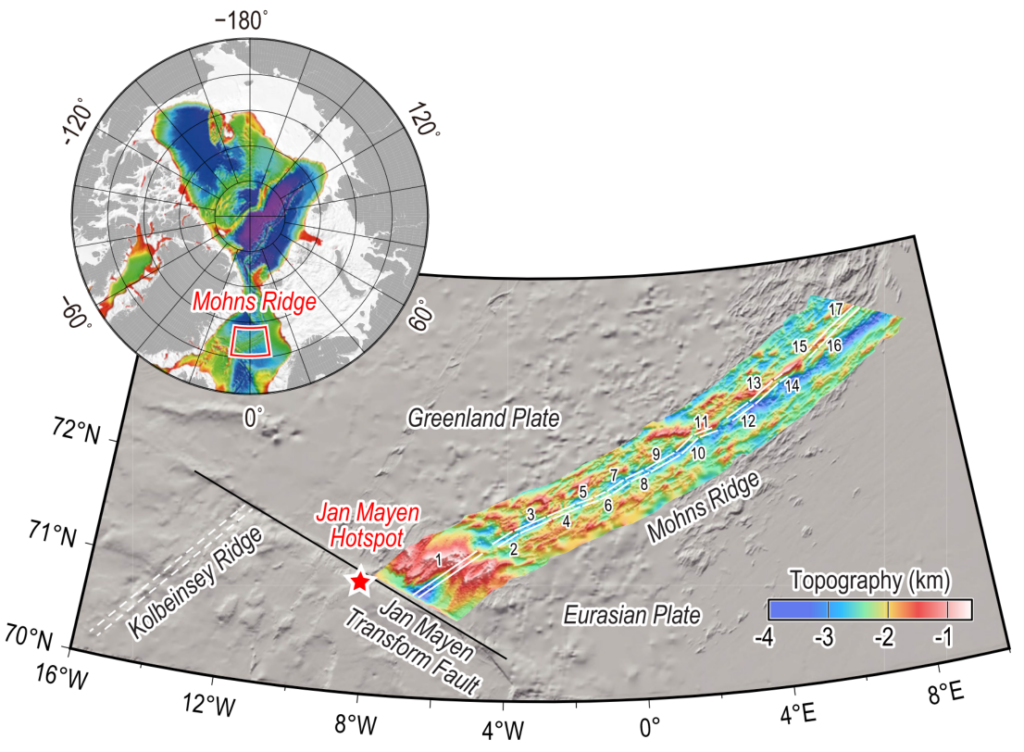
What’s the role of hotspot and oceanic transform faults at ultraslow spreading ridge?
Mid-ocean ridges (MOR) and hotspots are two types of magmatic activity occurring in the ocean. The MORs are typically associated with another tectonic feature—oceanic transform faults. While numerous studies have focused on the interactions within MORs, hotspots, and transform faults, there has been limited research on cases where a hotspot and a transform fault …[Read More]
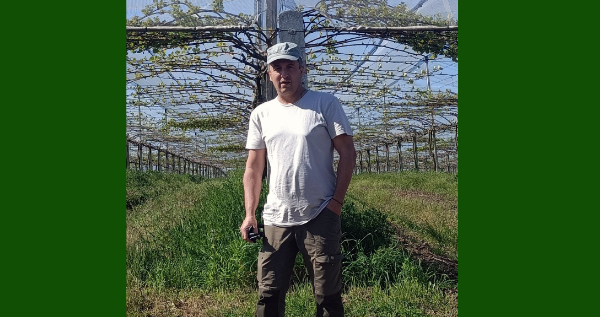
GeoTalk: Adriano Sofo, soil chemist and microbiologist, National Geographic Explorer, and EGU Biodiversity Task Force member
Adriano, welcome to GeoTalk! As an Associate Professor of Agricultural Chemistry and Plant Biology, you work a lot on microbiology and chemistry related to soil management. Can you tell us a bit about how your work is relevant for society? Thank you, Chloe! It is a pleasure. My research in soil chemistry and microbiology directly …[Read More]
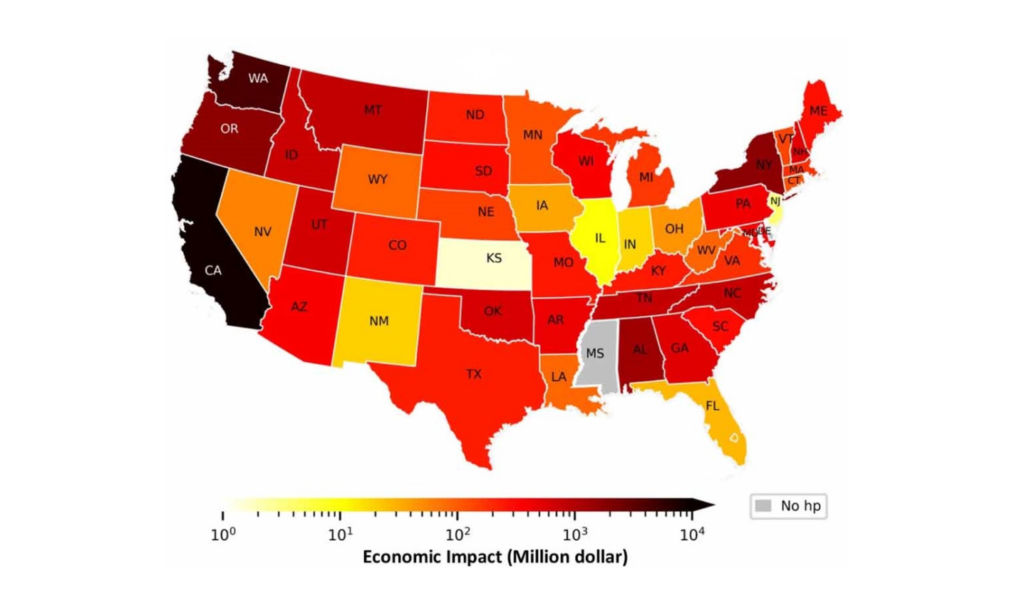
When Droughts Dry Up Power: The Climate-Hydropower dilemma
When we think of hydropower, its environmental impacts usually comes to mind: the dams that disrupt ecosystems, the water bodies that shift, the surface evaporation that increases, and the greenhouse gases that escape from reservoirs1. Hydropower, for all its clean energy potential, is not without its environmental baggage, whether on local water resources or the …[Read More]
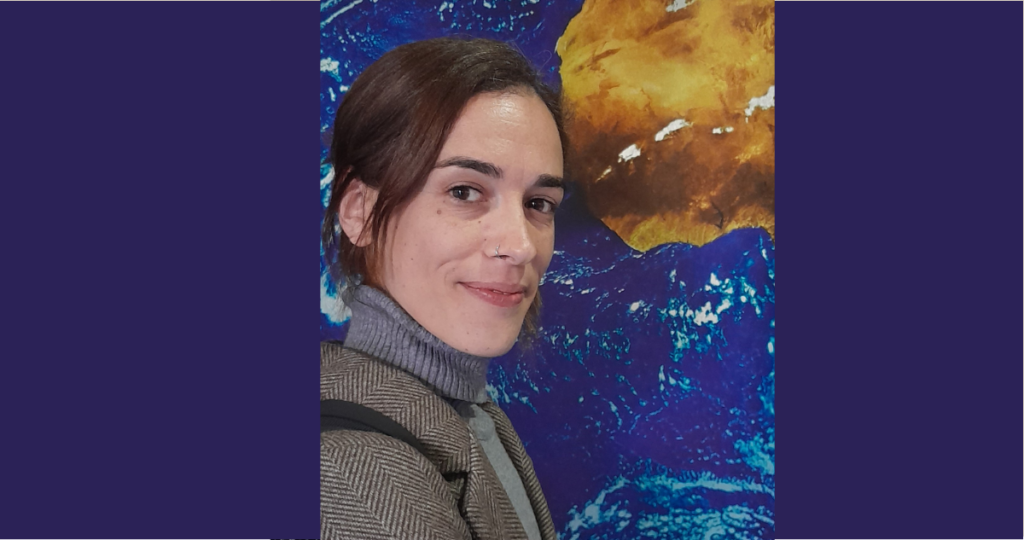
GeoTalk: meet Alba Brobia Ansoleaga, researcher improving data access for researchers and decision-makers!
Hello Alba. Welcome to GeoTalk! Could you introduce yourself to our readers? Hello Simon, thank you for inviting me to this interview. I am a Geographer with an MSc in Remote Sensing and Geographic Information Systems from the Autonomous University of Barcelona. I work at the Centre for Research on Ecology and Forestry Applications (CREAF) …[Read More]
Building Resilience: Insights and Preventive Measures from Kuala Lumpur’s Sinkhole event
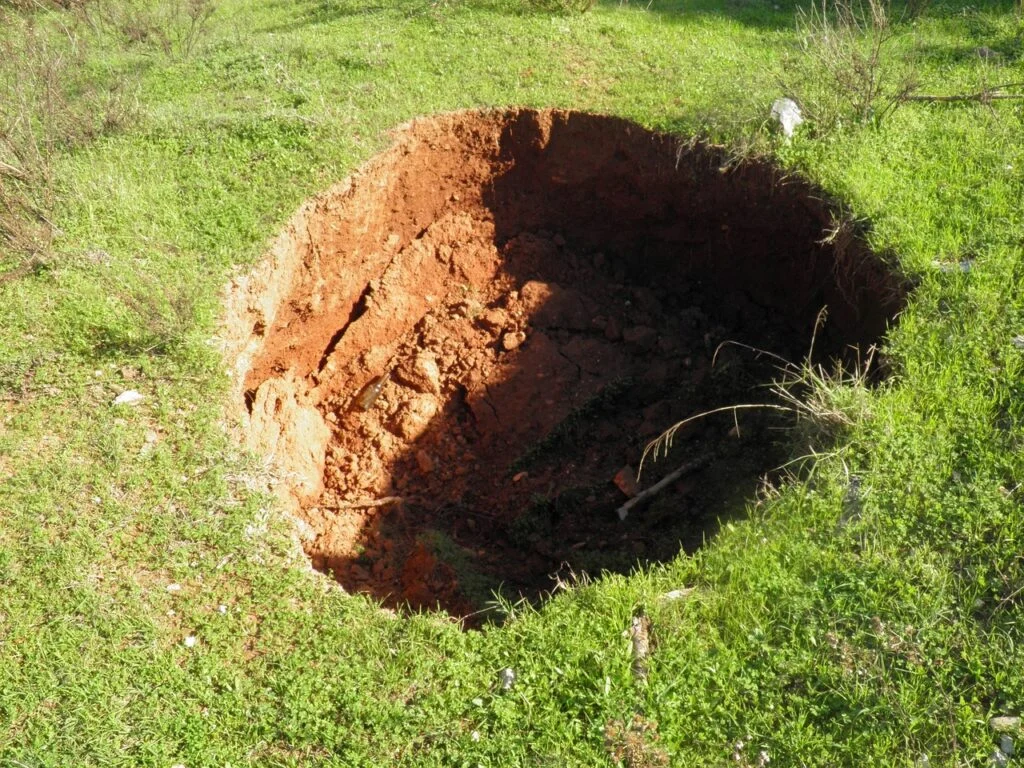
On August 23, 2024, a tragic event unfolded in Kuala Lumpur, Malaysia, when an 8-metre-deep sinkhole opened up on Jalan Masjid India, swallowing Vijayalakshmi Gali, a 48-year-old woman visiting from India [1]. The incident has raised serious concerns about public safety and the integrity of urban infrastructure. A sinkhole is a natural depression or hole …[Read More]