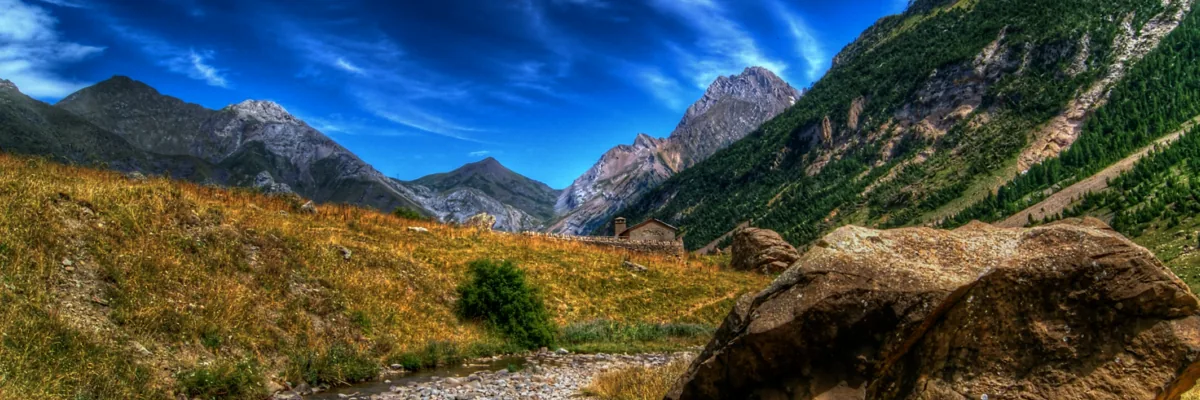
Yin and Harrison (2000) puts together an exhaustive review of three decades of geological and geophysical investigations on the Himalayan-Tibetan orogen. This research supports the orogenesis started during the Cenozoic between 70 and 50 Ma ago as a consequence of the Indo-Asian collision following the closure of the Tethys ocean between Laurasia and Gondwana. Yin …[Read More]
Latest posts
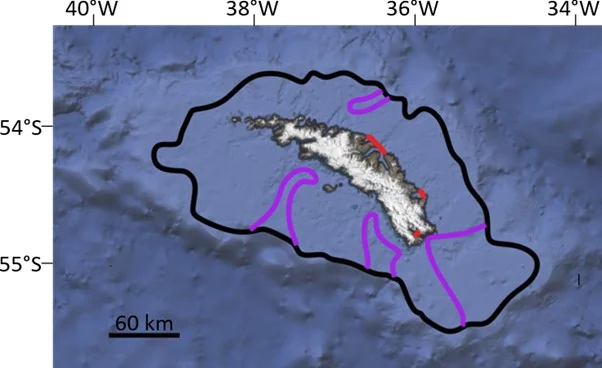
Cryo History – Extent of South Georgia Glaciation during the Last Glacial Maximum
There has been considerable disagreement amongst researchers concerning the extent of South Georgia’s ice sheet during the Last Glacial Maximum (LGM). The sub-Antarctic islands (those below the polar front) may have been completely glaciated during previous glacials, and the last largest extent of the South Georgia ice sheet was during the LGM, about 21,000 years …[Read More]
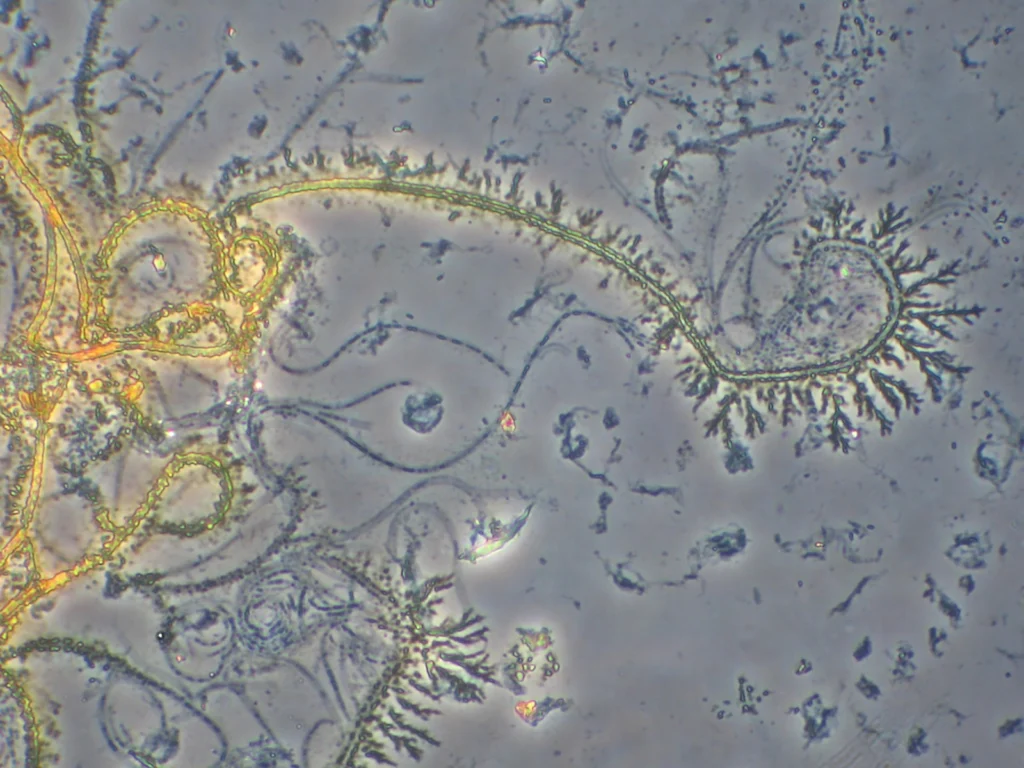
Science is not immune to fraud: How a Microbiologist-turned-Integrity Consultant spots scientific misconduct
Elisabeth Bik is as brave as they come. She has been threatened personally and professionally by people she’s never met, only because she dares to critique some of the most widely read and published scientific papers in the world. The Dutch microbiologist discovered her unique skill of spotting – manually, with her naked eye – …[Read More]
Geodynamics: It’s in the air we breathe!
Have you ever wondered how Earth became habitable. In this week’s news and views, we have Fabio Capitanio, Associate Professor at Monash University sharing insights into the role Geodynamics in the evolution of Earth and life on it. Our planet has unique features which make it suitable for life. Understanding how the Earth became habitable is necessary to …[Read More]
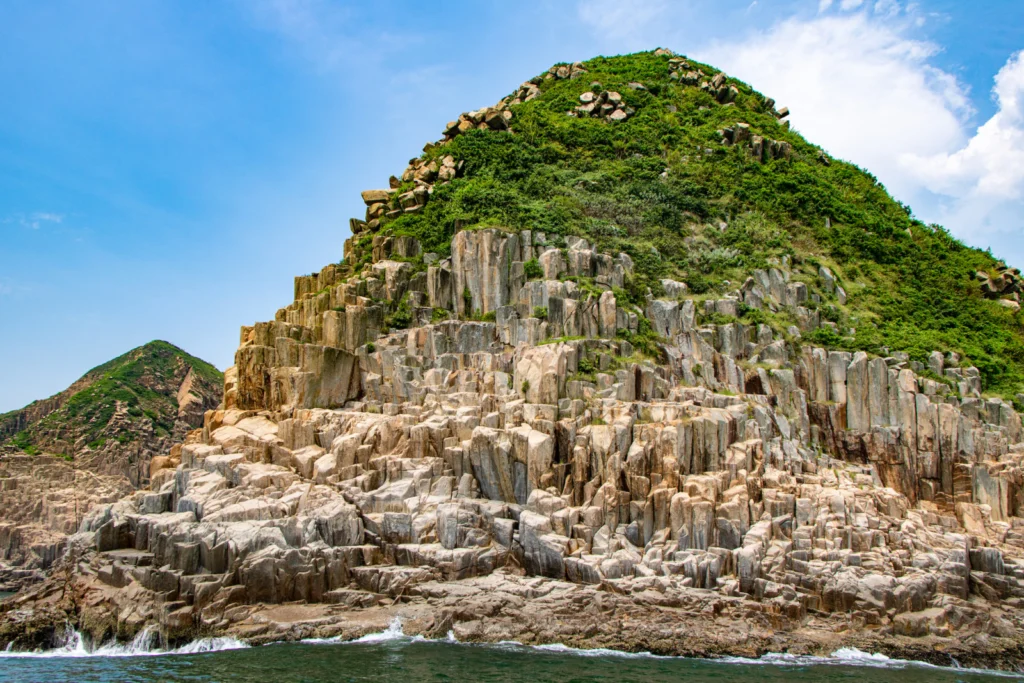
Imaggeo On Monday: Ninepin Group: the spectacular hexagonal columns
The picture shows the world’s rarest hexagonal rhyolitic volcanic rock columns on the northern island of the Ninepin Group in the easternmost waters of Hong Kong. These rocks columns are believed to form about 140 million years ago after a major volcanic eruption near Sai Kung. When the volcanic ash and lava slowly cooled down, …[Read More]
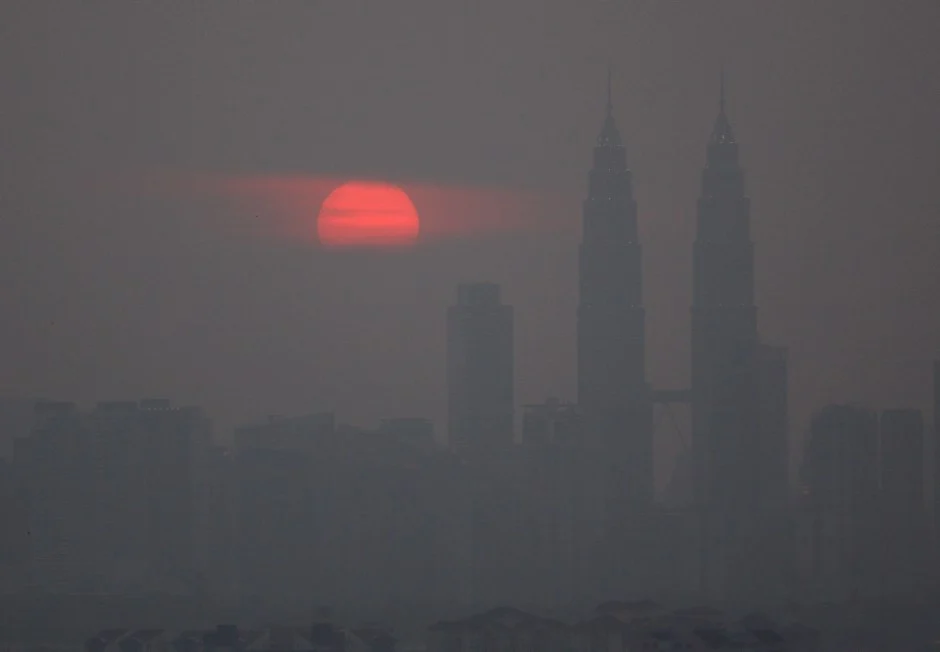
Spring, Summer, Winter…Haze?
Around the world, societies have many different ways to define the seasons, but for most people a season is identified by a set of culturally specified events, such as the arrival of migratory birds, certain anticipated weather patterns, or a range of expected temperatures. Over recent years many studies have examined the various ways that …[Read More]
A new glacier chronology from New Zealand
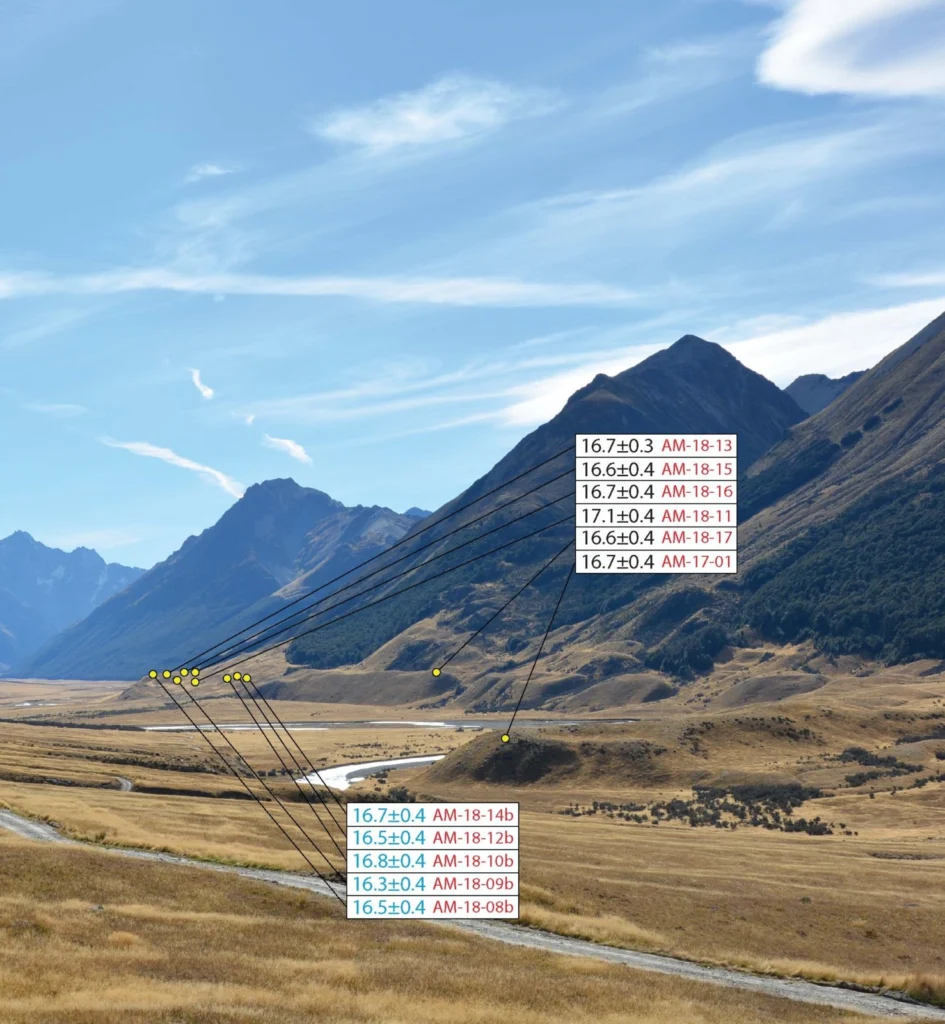
In this week’s blog, Levan Tielidze tells us about the new glacier history from the Southern Alps of New Zealand, an important piece of information to better understand the climatic history of Earth during the Quaternary, the current geologic period. Quaternary glaciations Geochronological dating of glacial moraines is useful for determining the extent and timing …[Read More]
“State of the ECS”: How was EGU 22 for you? Plus the new team!
Hello everyone! Hope you’re doing well, and that those of you who managed to make it to Vienna have now recovered, and that normal researcher life has now resumed (and isn’t too dull in comparison!) We hope you enjoyed all that the EGU GA had on offer, and that you were able to make it …[Read More]
5 things I learnt from 2 months at sea with the International Ocean Discovery Program
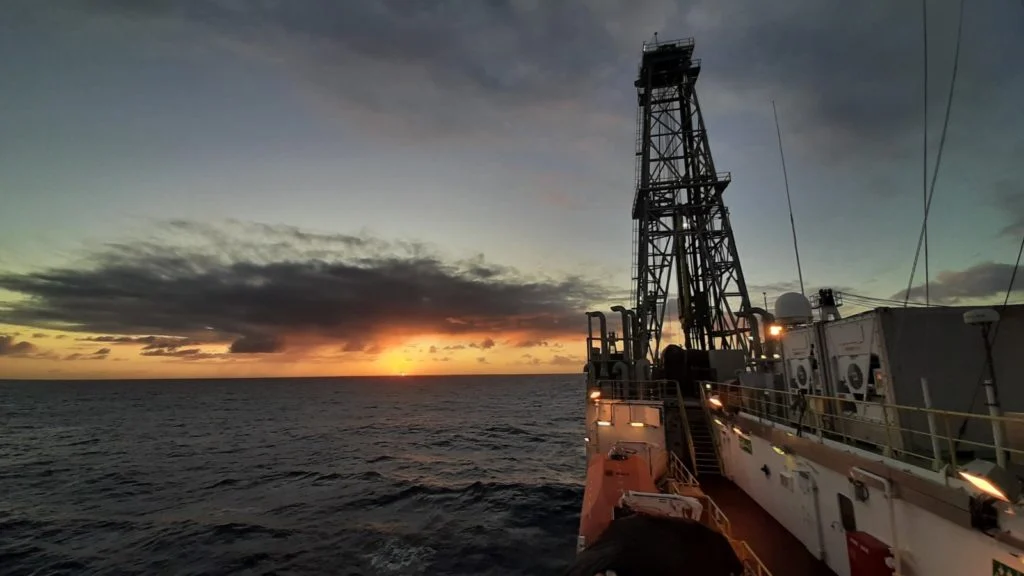
This year I was lucky enough to be part of International Ocean Discovery Program (IODP) Expedition 390 – South Atlantic Transect I – aboard the research vessel JOIDES Resolution which spent two months, from April to June, out in the South Atlantic, drilling into and sampling the upper oceanic crust and sediments. I sailed as …[Read More]
Imaggeo On Monday: Glimpse of the Ranns of Kachchh, India
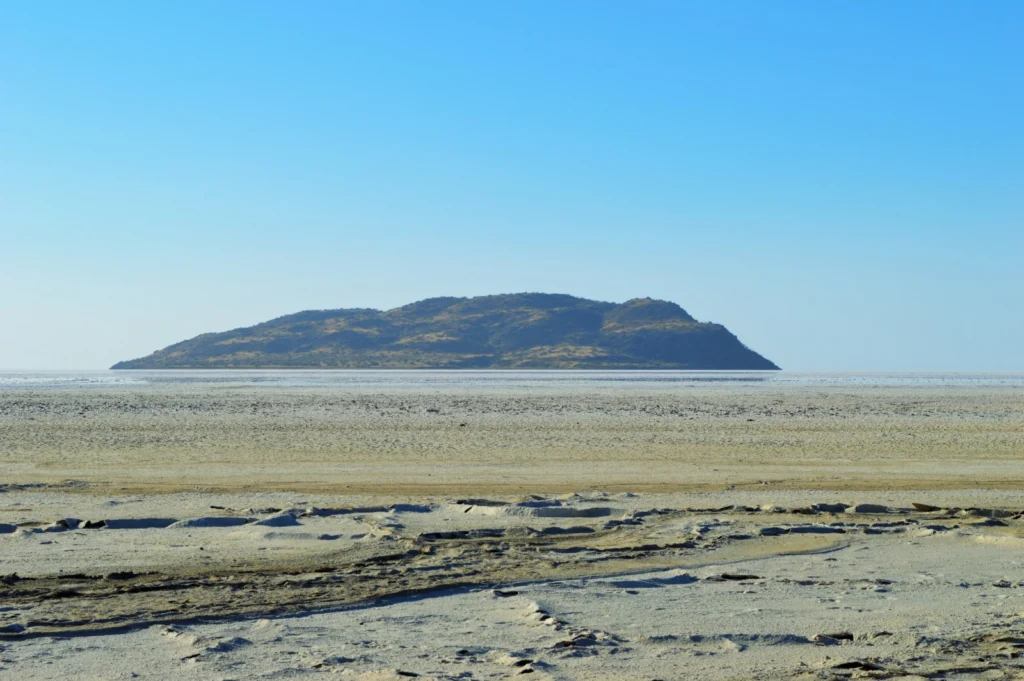
The Rann of Kachchh is a saline marshland located in the western part of India. This climatically arid, salt-covered mudflat was once home to one of the largest settlements of the Indus Valley Civilization in India. The UNESCO world heritage archaeological site of Dholavira is now located in the heart of the salt desert. Photo …[Read More]