EGU Blogs

Latest posts

GD
Geodynamics

Going to the mountains is going home

Going to the mountains is going home

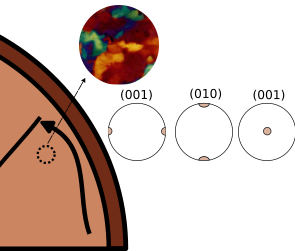
Geoscientists explore the nature from a different perspective than the commoners. In this week’s blog, Stephanie Sparks from Arizona State University shares her story how her passion for mountains gradually became her profession. Her journey through different regions in Himalaya leads her to understand the exhumation rate and the underlying geodynamic processes behind the formation …[Read More]

GeoLog

A chunk of ice the size of Amsterdam: how the calving of Greenland’s glaciers has changed since the 2010 Petermann Glacier event

A chunk of ice the size of Amsterdam: how the calving of Greenland’s glaciers has changed since the 2010 Petermann Glacier event

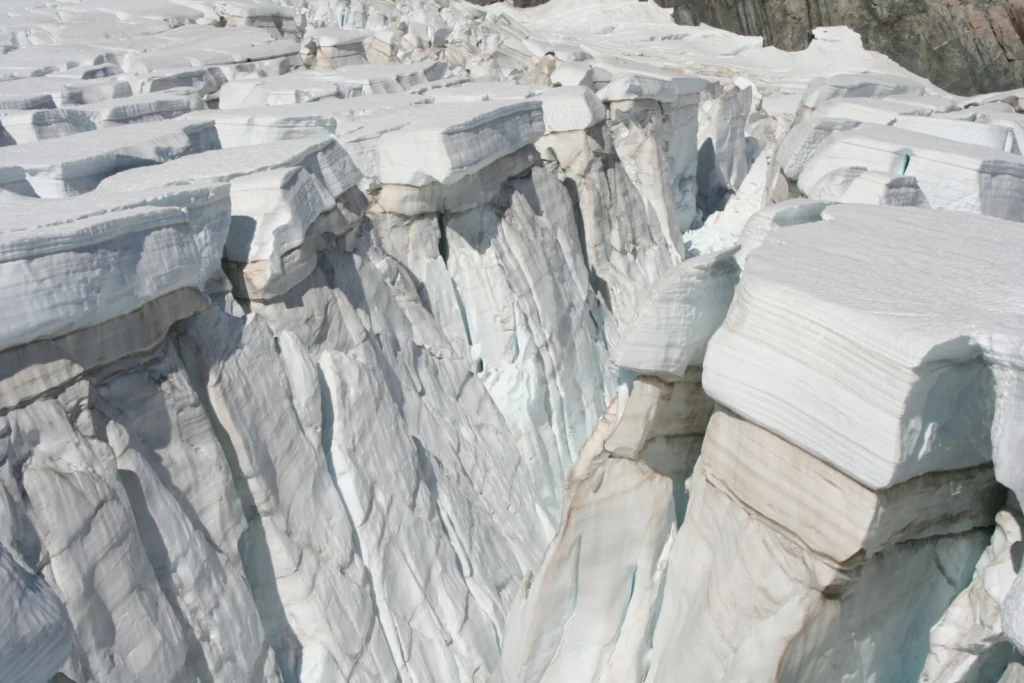
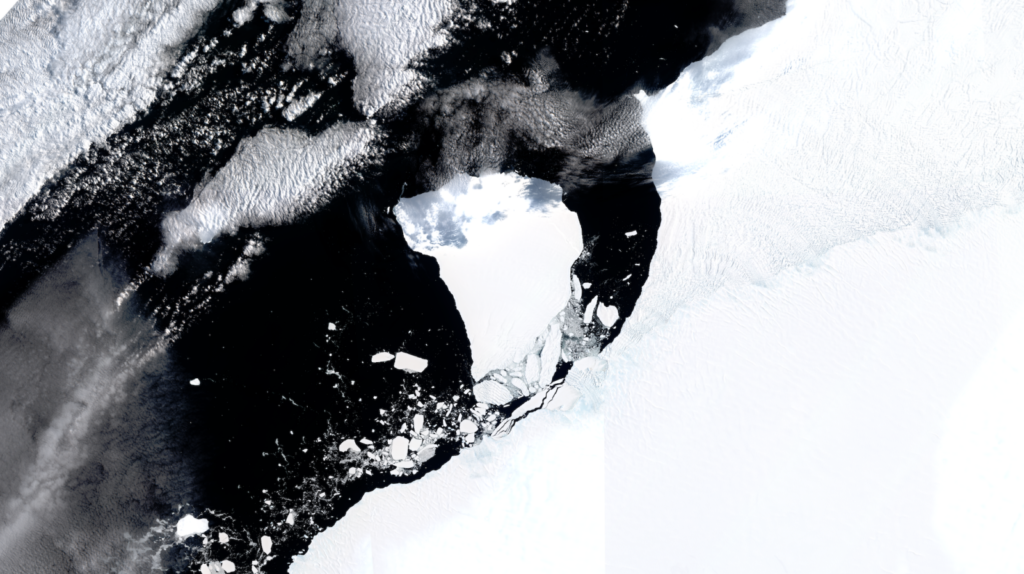
Thirteen years ago, a roughly 251 km2 chunk of ice (or 97 miles2) broke off Greenland’s Petermann Glacier. This Amsterdam-sized piece of ice was the largest to calve in the Arctic since 1962. The massive iceberg traversed the Nares Strait, which lies between Canada’s Ellesmere Island and Greenland, and into the northern part of Baffin …[Read More]

GD
Geodynamics

A summer science YouTube playlist

A summer science YouTube playlist

Summer is not over yet, so today I prepared a list of science YouTube channels to check out during the lazy summer afternoons. Scientists and teachers love to share their research, experiments and insights with anyone who is willing to listen, so there are many fantastic science channels to watch. These people work hard to …[Read More]

HS
Hydrological Sciences

Exploring the History of Hydrology – Join the Effort to Map Our Discipline Across the Centuries

Exploring the History of Hydrology – Join the Effort to Map Our Discipline Across the Centuries

The history of hydrology stretches back millennia: from the engineers of ancient high cultures over scientific pioneers like Da Vinci and Pallisy to modern groundbreaking modellers.  However, so far, few hydrologists have worked to systematically record the history of their discipline – especially in its more recent decades. That is a gap that the History …[Read More]