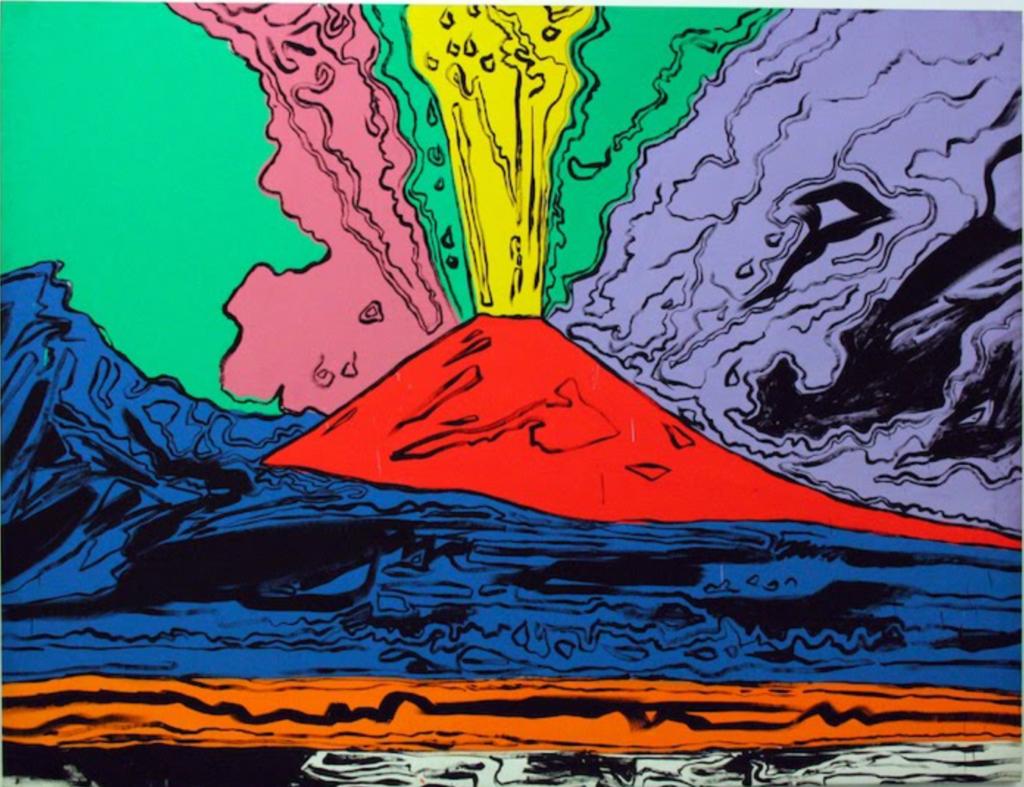
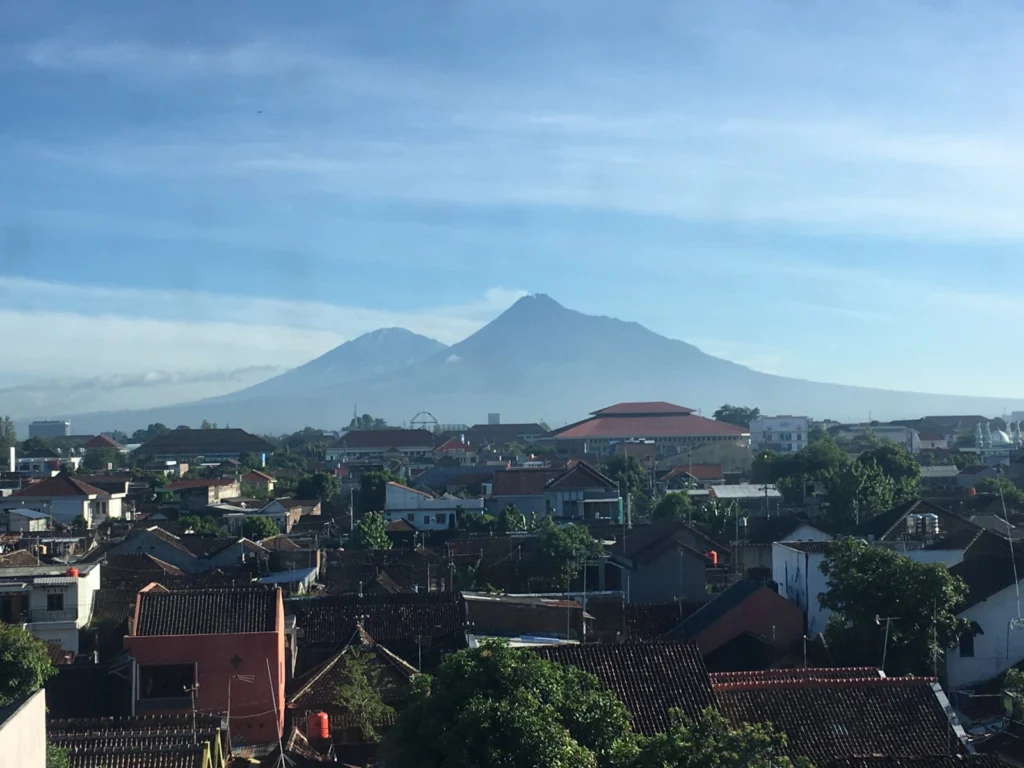
Volcanoes arouse emotions in the soul of men: at the same time, they are fascinating and frighten the population that lives on their slopes when they erupt (Fig. 1). Volcanoes can strike without warning and wreak horrific destruction and death. As such, in the ancient time, volcanoes discharging explosive eruptions have been interpreted as the …[Read More]
1728 search results for "network"
If you didn't find what you were looking for, try searching again.
GeoPolicy: How to use webinars to share your science with a wider audience!
Since the explosive spread of COVID19, the way most academics work has changed and it can sometimes feel like we’re all living on conference calls, Skype and online events. While this may not suit everyone’s preferred working style, it’s difficult to deny that people are now more willing to engage online and it’s worth thinking …[Read More]
Mind your head: The Imposter Syndrome
This Mind Your Head blog post is a follow-up from one of the talks during the online short course on mental health that aired during the last EGU General Assembly. Imposter syndrome is about the feeling of being afraid to be found to be an imposter. Note that I do not claim to be an …[Read More]
Pathways towards solving the Unsolved Problems in Hydrology (UPH) – feedback from the EGU SGO chat session
At the EGU 2020 Sharing Geoscience Online (SGO) week, we had a chat room session dedicated to discuss progress and way forward on the 23 Unsolved Problems in Hydrology (UPH). As many of you, we experienced this exciting and fast-typing moment of discussing in-depth scientific issues during a short-duration, text-only chat. Many ideas were typed …[Read More]
Geoethics – from an ethics of exhaustion to one of abundance
As this year’s pandemic spreads through Brazil, our own Bárbara Zambelli notices a positive shift in the natural environment. In this article, she wonders, what if we shift from an ethics of exhaustion, to one of abundance? This, she argues, is what geoethics is about. [Editor’s note: This post reflects Bárbara’s personal opinions. These opinions may …[Read More]
Follow up on: “The sound of COVID-Silence”
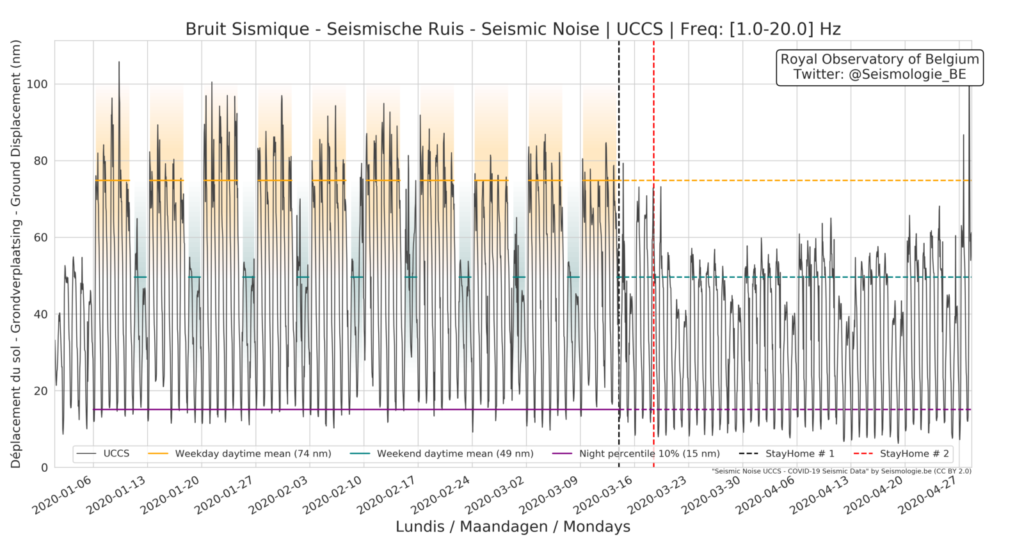
Dear colleagues, In the last months, there has been a storm both in traditional and social media about the observation that the Covid-19 lockdown measures cause an unprecedented seismic urban “silence”, which is observed globally on many urban seismic stations. It is the first time that such a protracted noise reduction has been observed on …[Read More]
Calling on hydrologists to help each other with emergency remote teaching
By Tom Gleeson, Adam Ward, Anne Jefferson, and Skuyler Herzog Amidst the COVID-19 pandemic, many of us are in the same situation: all of a sudden ‘pivoting’ to online teaching, which is probably better called ‘emergency remote teaching’ since few of us have the background, training, and resources to purposefully develop online courses. Fortunately, this …[Read More]
Careers outside of academia
You’ve just finished your PhD or postdoc… now what? Perhaps you’re thinking of a non-academic career, but don’t know where to start, or which skills you need? Up to 70% of scientists move into non-academic careers after graduation (The Royal Society, 2010). But finding useful information and advice is hard. In today’s blog, we summarise …[Read More]
Lockdown in Northern Italy, what did seismology see?
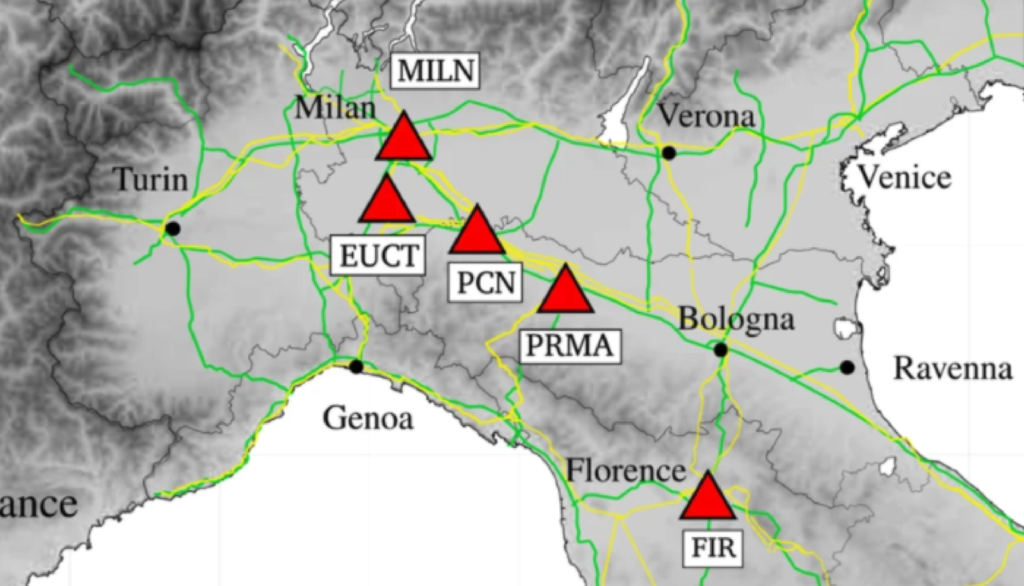
Seismologists are not surprised to see that the coronavirus lockdowns reduce seismic ambient noise; but what is emerging from the data is that the reduction is quite spectacular. This shows that human activities – road and railroad traffic, industrial machinery – account for a significant chunk of background Earth’s vibration: and that is a form …[Read More]
NH Medallists episode III – Claire Horwell and her interdisciplinary work on volcanic emission hazards for human health
In today’s interview, we talk with Prof. Claire J. Horwell. Claire has been awarded the 2020 Plinius Medal for her outstanding interdisciplinary research on the respiratory health implications of inhaling volcanic emissions, and other particulates. my research focuses on protecting communities from exposures to potentially harmful airborne particulates Hi Claire, can you please briefly introduce …[Read More]