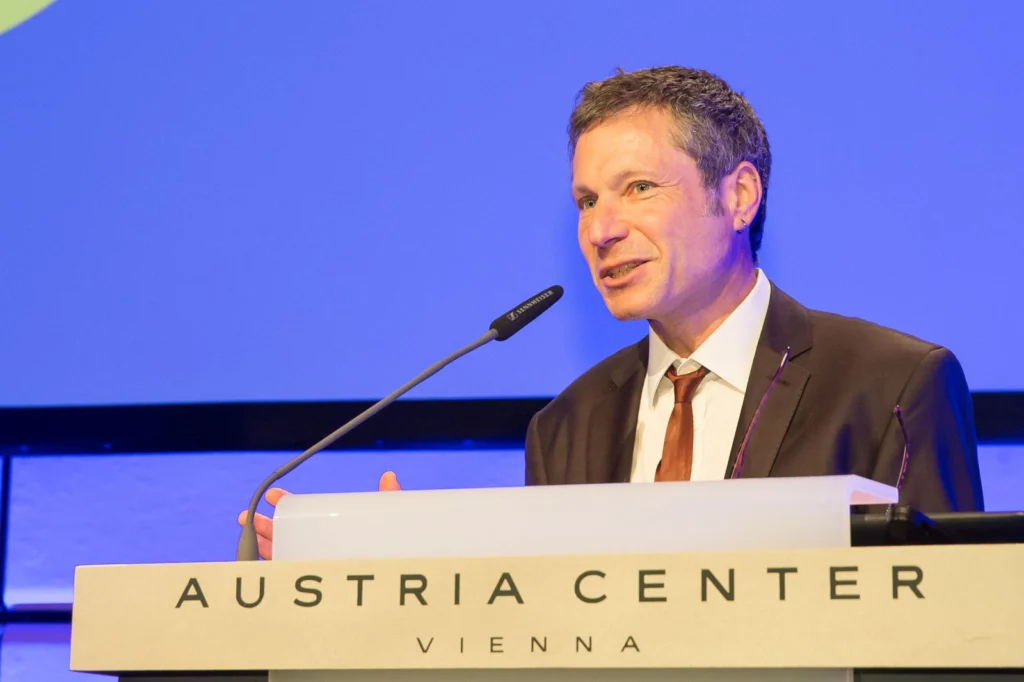
GeoTalk interviews usually feature the work of early career researchers, but this month we deviate from the standard format to speak to Jonathan Bamber, the EGU’s President. Jonathan has a long-standing involvement with the Union, stretching back almost 20 years. Following a year as vice-president, Jonathan was appointed President at this year’s General Assembly in …[Read More]
1727 search results for "network"
If you didn't find what you were looking for, try searching again.
New Dimensions for Natural Hazards in Asia: the first AOGS–EGU Joint Conference
Asia is one of the most natural disaster-prone regions on the globe. Overpopulation and limited resources mean that natural hazards hit local populations particularly hard. “It doesn’t matter which index or evaluation method you use, Asia will always unfortunately come out on top when it comes to fatalities and damage from natural hazard events,” explains Dr. Adam Switzer, a member …[Read More]
A Geodynamicist and an Early Career Scientist
This week Adina Pusok, postdoctoral fellow at the Institute of Geophysics and Planetary Physics (IGPP) at Scripps Institution of Oceanography, University of California San Diego, USA, discusses what it is like to be an Early Career Scientist within the EGU Geodynamics division. The terms “Early Career Scientist” (ECS) or “Young Scientist” (YS) are now so …[Read More]
GeoPolicy: How can geoscientists make the most of the Horizon 2020 programme?
As a geoscientist, I’m sure that you have heard of Horizon 2020, an EU programme that is allocating almost €80 billion to research and innovation over 7 years (from 2014 to 2020). This money is distributed throughout various scientific divisions and provides a plethora of opportunities for scientists, not only within the EU but also …[Read More]
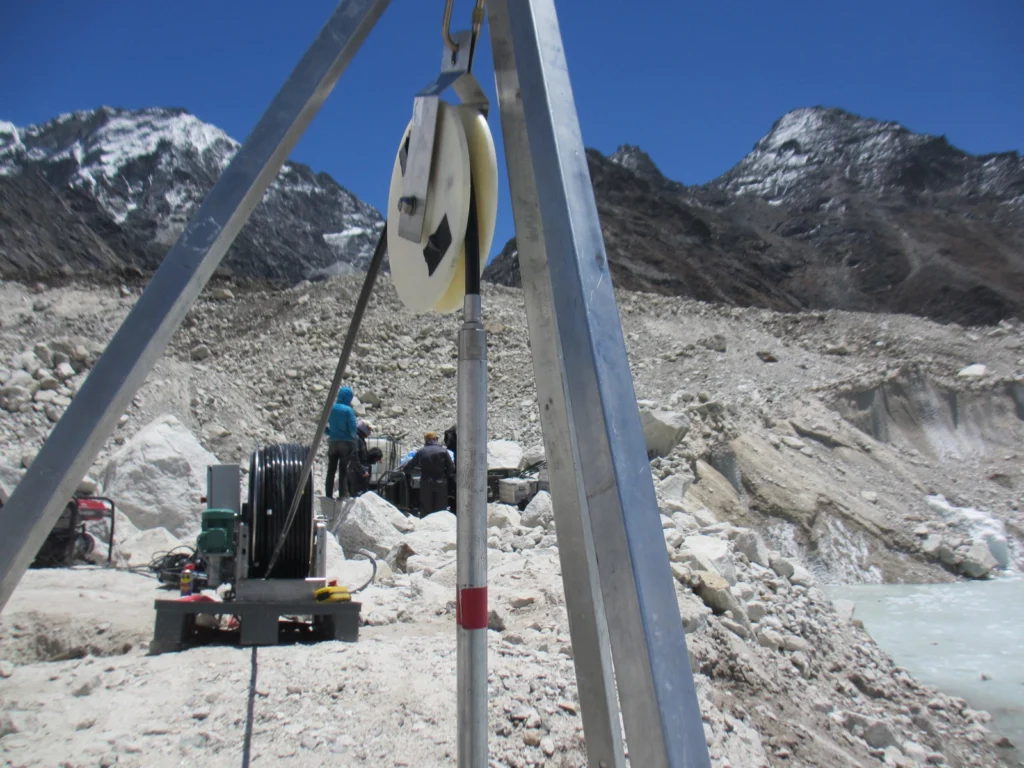
Image of the Week – Drilling into a Himalayan glacier
How water travels through and beneath the interior of debris-covered glaciers is poorly understood, partly because it can be difficult to access these glaciers at all, never mind explore their interiors. In this Image of the Week, find out how these aspects can be investigated by drilling holes all the way through the ice… Hydrological …[Read More]
Karaoke, geodynamics, and a bit of history
Let me just talk to you about what I have been doing with my free time recently: I discovered a feature from Google Books named Ngram viewer which allows you to make graphs that show how words or phrases have occurred in a selection of books (e.g., English) over the selected years. I have of …[Read More]
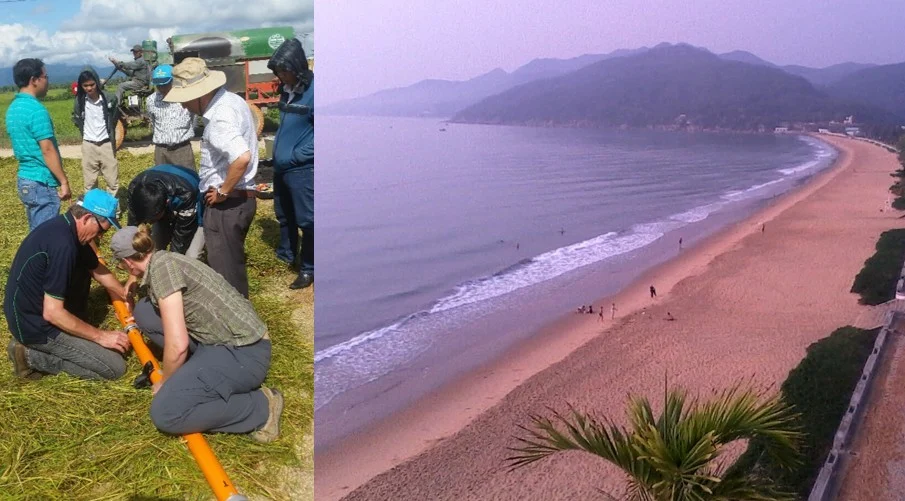
Humanitarian groundwater projects; notes on motivations from the academic world
Post by Margaret Shanafield, ARC DECRA Senior Hydrogeology/Hydrology Researcher at Flinders University, in Australia. You can follow Margaret on Twitter at @shanagland. ___________________________________________________________ What led me down the slippery slope into a career in hydrology and then hydrogeology, was a desire to combine my love of traveling with a desire to have a deeper relationship with the …[Read More]
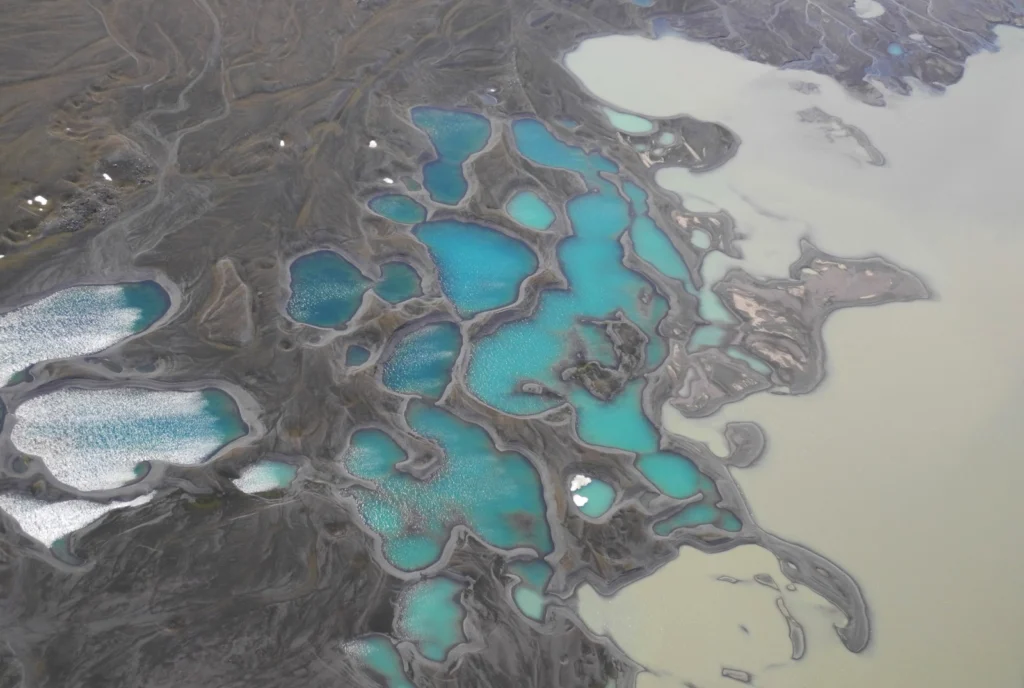
Imaggeo on Mondays: Sediments make the colour
Earth is spectacularly beautiful, especially when seen from a bird’s eye view. This image, of a sweeping pattern made by a river in Iceland is testimony to it. The picture shows river Leirá which drains sediment-loaded glacial water from the Myrdalsjökull glacier in Iceland. Myrdalsjökull glacier covers Katla, one of Iceland’s most active and ice-covered …[Read More]
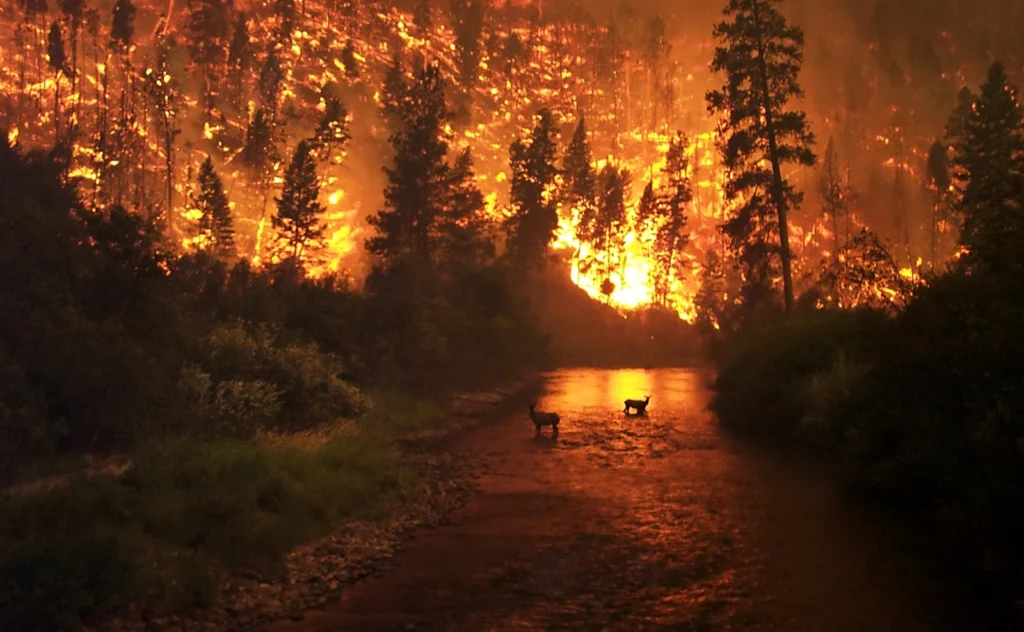
GeoSciences Column: Is smoke on your mind? Using social media to assess smoke exposure from wildfires
Wildfires have been raging across the globe this summer. Six U.S. States, including California and Nevada, are currently battling fierce flames spurred on by high temperatures and dry conditions. Up to 10,000 people have been evacuated in Canada, where wildfires have swept through British Columbia. Closer to home, 700 tourists were rescued by boat from …[Read More]
Of Karst! – short episodes about karst
Episode 2: Dissolving rock? (or, how karst evolves). Post by Andreas Hartmann, Lecturer in Hydrology at the University of Freiburg (Universität Freiburg), in Germany. You can follow Andreas on twitter at @sub_heterogenty. Didn’t get to read Episode 1? Click this link here to do so! ___________________________________________________________ In the previous episode, I introduced karst by showing how it …[Read More]