EGU Blogs

1727 search results for "network"

CR

Image of the Week – Making waves: assessing supraglacial water storage for debris-covered glaciers
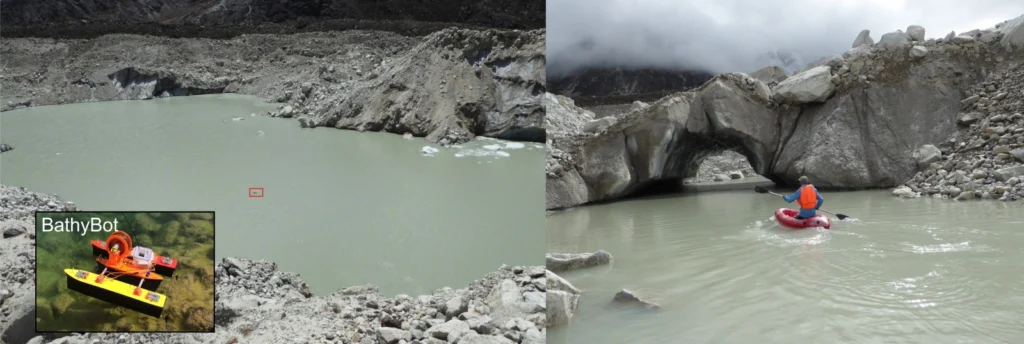
Image of the Week – Making waves: assessing supraglacial water storage for debris-covered glaciers
A creeping flux of ice descends Everest, creating the dynamic environment of Khumbu Glacier. Ice and snow tumble, debris slumps, ice cliffs melt, englacial cavities collapse, ponds form and drain, all responding to a variable energy balance. Indeed, Khumbu Glacier is a debris-covered glacier, meaning it features a layer of sediment, rocks and house-sized boulders …[Read More]

GD

Let’s talk about disability in geosciences

Let’s talk about disability in geosciences

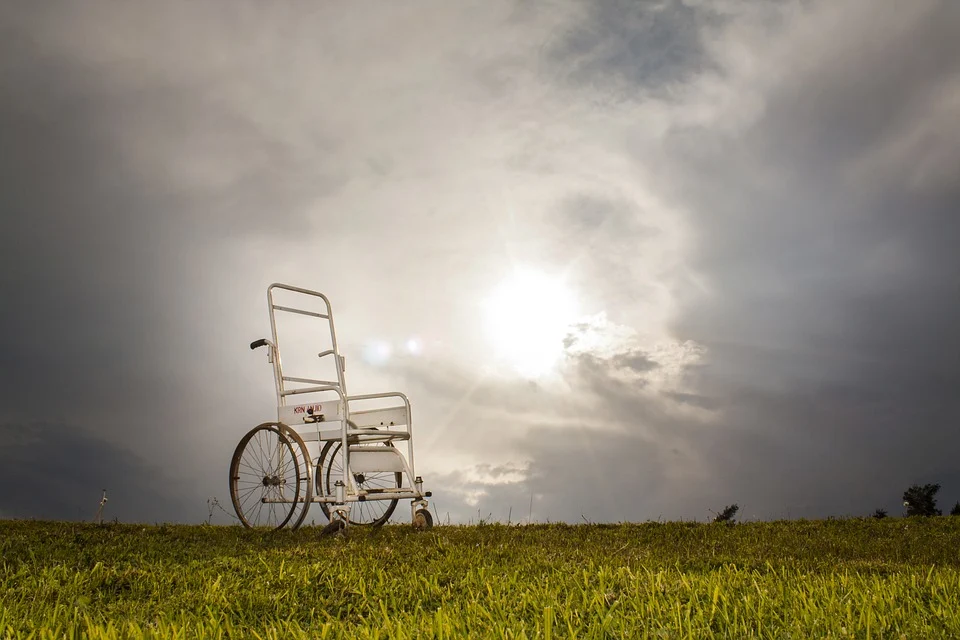
Climbing towards outcrops during fieldwork for your undergraduate studies simply isn’t doable for everyone. However, this doesn’t mean that there are adequate alternative solutions available. This week, Katy Willis, PhD student on strain-localisation in the continental lithosphere at the University of Leeds, UK, discusses disability in the geosciences, because regardless of who you are a …[Read More]

GD

Remarkable Regions – The Kenya Rift

Remarkable Regions – The Kenya Rift

Every 8 weeks we turn our attention to a Remarkable Region that deserves a spot in the scientific limelight. After looking at several convergent plate boundaries, this week the focus lies on part of a nascent divergent plate boundary: the Kenya Rift. The post is by postdoctoral researcher Anne Glerum of GFZ Potsdam. Of course an active …[Read More]

CR

What’s on at POLAR18?

What’s on at POLAR18?

Next Tuesday (19th June) the POLAR18 Open Science Conference kicks off in Davos, Switzerland. We have put together a quick guide about events that might be of interest to you during the week! Conferences are about the science, of course, but the social side is just as important :) What is POLAR18? The eagle-eyed among …[Read More]

Data drought or data flood?

Data drought or data flood?

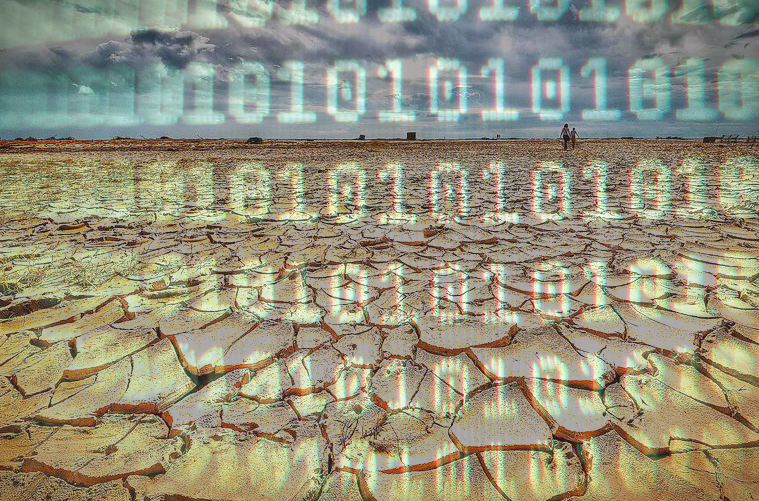
Post by Anne Van Loon, Lecturer in Physical Geography (Water sciences) at the University of Birmingham, in the United Kingdom. __________________________________________________ The basis for (almost) all scientific work, at least in the earth and environmental sciences, is DATA. We all need data to search for the answers to our questions. There are a number of options to get hold …[Read More]