My PhD defence is this week (Wednesday) at 2:30pm ET. I am feeling pretty good about the whole thing but at the same time nervous. I just don’t know exactly what to expect. I have a sort of idea of what the questions might cover and where my assumptions or conclusions might be challenged. However, …[Read More]
Latest posts
Imaggeo on Mondays: Drilling a landslide
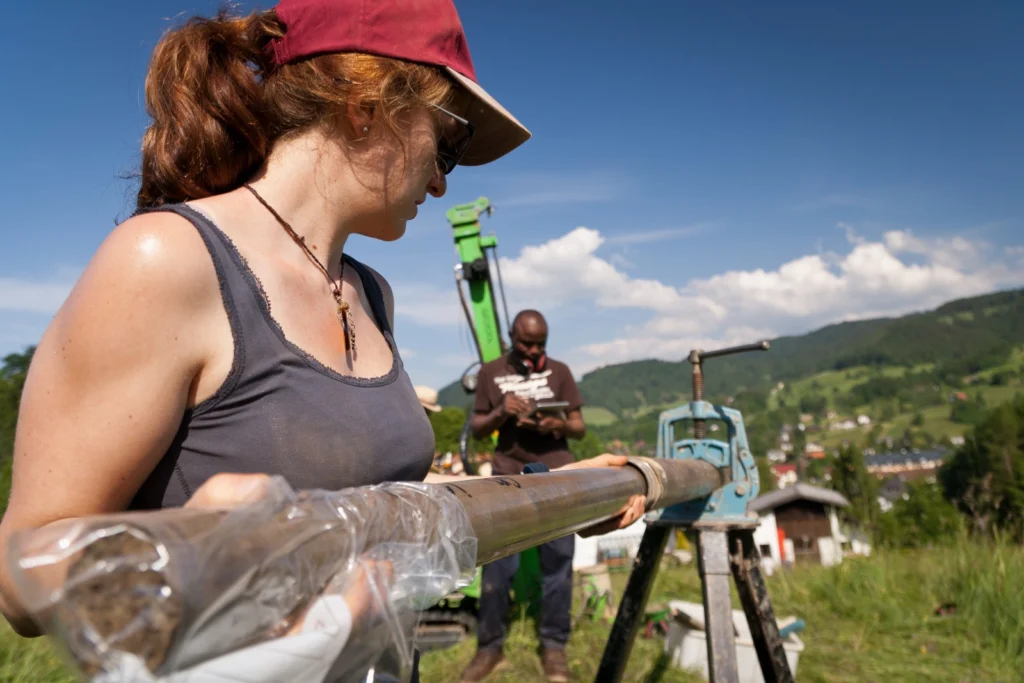
That landslides are hazardous goes without saying; the risk posed by them will largely depend on where they occur and their exact characteristics, which makes understanding the mechanisms which trigger them, as well as predicting when they might happen, extremely difficult. Today’s Imaggeo on Mondays image, brought to you by Ekrem Canli, a PhD student …[Read More]
PASC16 conference: First call for abstracts
The Platform for Advanced Scientific Computing (PASC) is delighted to launch a Call for Abstracts for its next conference (PASC16) cosponsored by the Association for Computing Machinery (ACM). The Conference will be held from June 8 to 10, 2016 at the SwissTech Convention Center, located on the campus of the École Polytechnique Fédérale de Lausanne …[Read More]
Yet another way we are altering Earth’s natural functioning
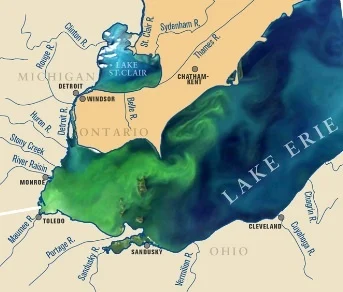
So it has been a while since I last blogged, attributed to various excuses – fieldwork, moving job, moving house – but moving forwards I intend to spend more time discussing the myriad aspects of geoscience I find fascinating. One good example is a recent paper from Janice Brahney (University of British Columbia) and colleagues …[Read More]
GeoPolicy: EGU sciences on debate at the European Parliament
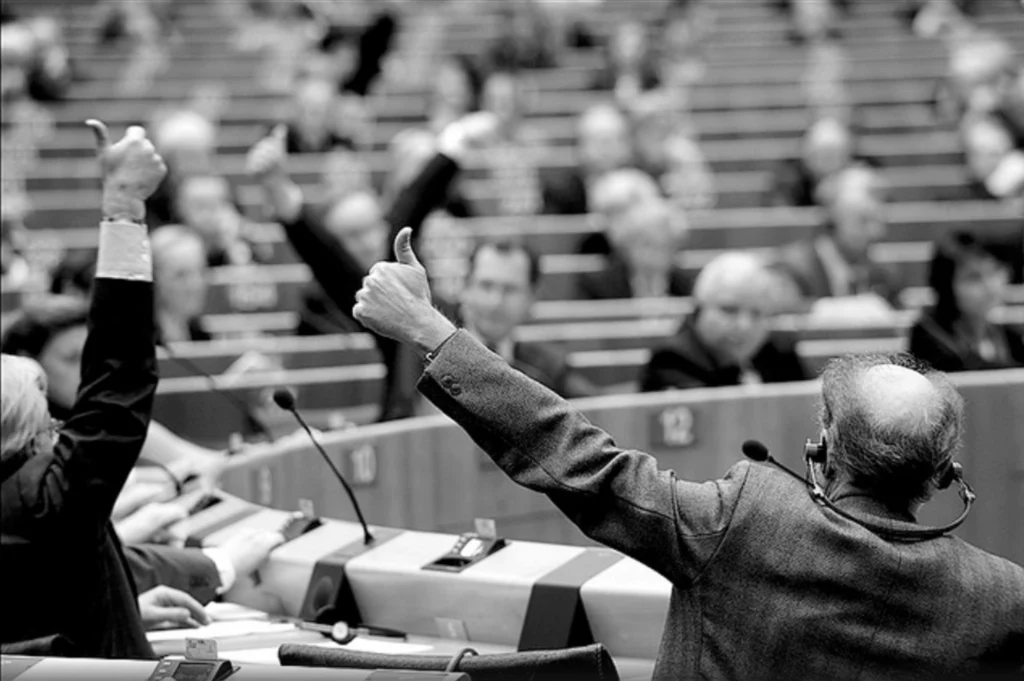
The adoption of legislation within the European Union (EU) is a complex process involving many steps. In my first blog post in this GeoPolicy series I highlighted an example of this process. Several draft legislation pieces are currently being assessed within the European Parliament (EP) and Council of Ministers (Council) that have been influenced by EGU-related …[Read More]
Image of the Week — What’s up with the sea-ice leads?
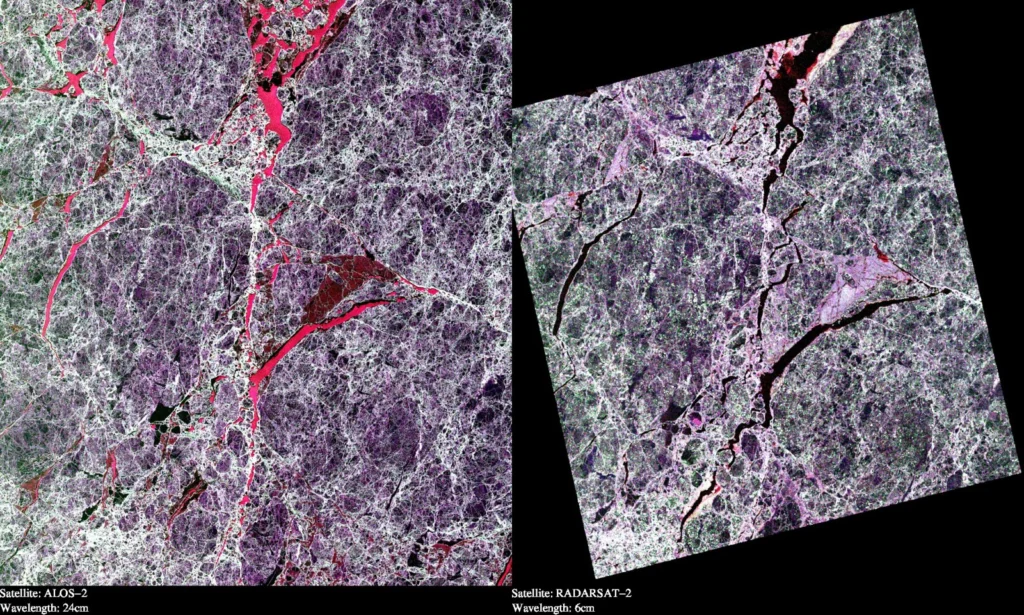
This illustration shows two Synthetic Aperture Radar (SAR) images taken over sea ice in the Arctic Ocean. Both images are polarimetric and the different colours reflect the different polarimetric channels of the SAR (red = VV, green = HV and blue = HH). The two images are from the two satellites “ALOS-2” and “RADARSAT-2”. These …[Read More]
Sunshine, ice cores, buckets and ALE: Antarctic Fieldwork
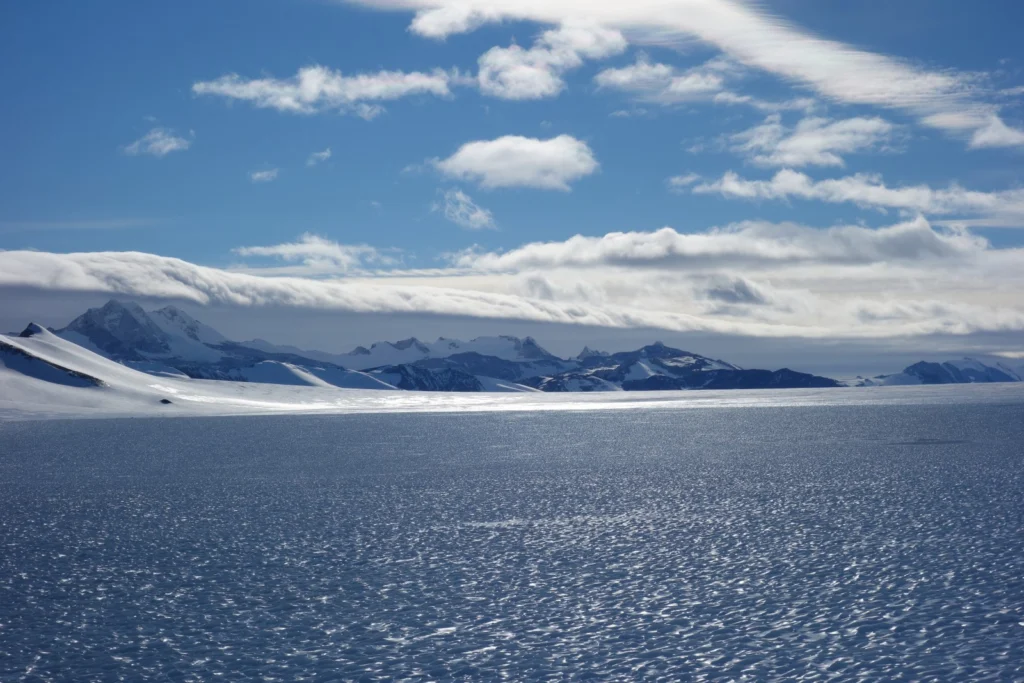
My Antarctic adventure started from Punta Arenas at the bottom of Chile, opposite Tierra del Fuego, on New Years Eve 2014 after a long journey from Heathrow via São Paulo and Santiago. Punta Arenas Punta Arenas is where Shackleton organised the rescue of his men from Elephant Island after his voyage to South Georgia in …[Read More]
EGU2016: Applying for financial support to attend the General Assembly
The EGU is committed to promoting the participation of both early career scientists and established researchers from low and middle income countries who wish to present their work at the EGU General Assembly. In order to encourage participation of scientists from both these groups, a limited amount of the overall budget of the EGU General …[Read More]
#EGU16 – Sessions of Interest
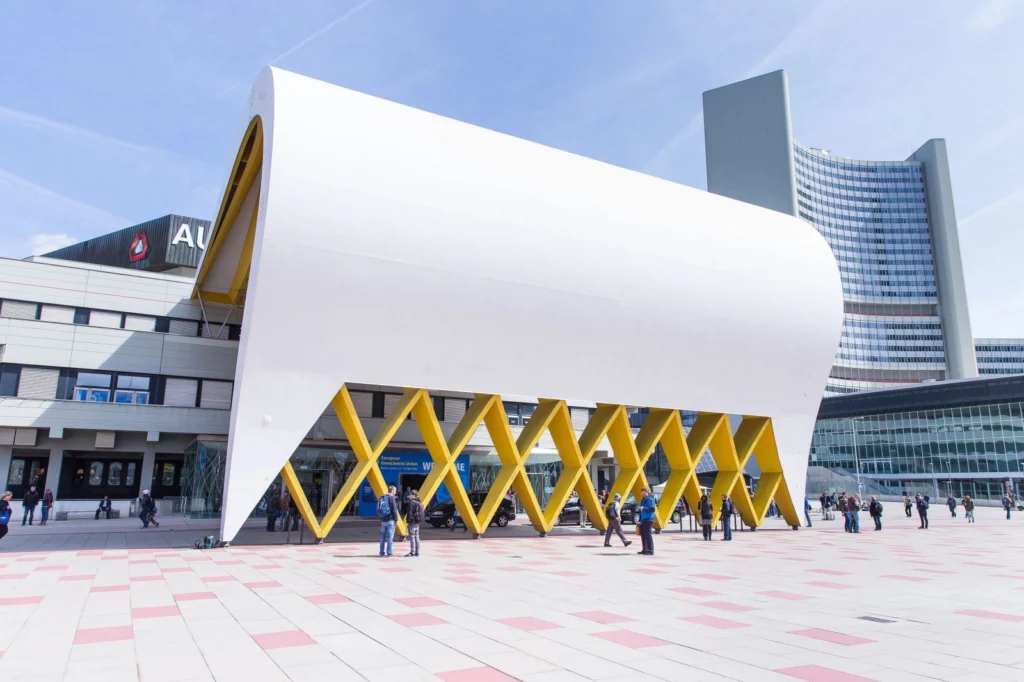
The EGU General Assembly 2016 takes place in Vienna between the 17-22 April 2016. Abstract submission is now open for their fantastic range of sessions, with support applications open until 1st December 2015. These offer financial support to early-career scientists and established scientists from low, lower-middle and upper-middle income countries. We’ve noted some sessions of …[Read More]
The coolest way to visualise how planets work
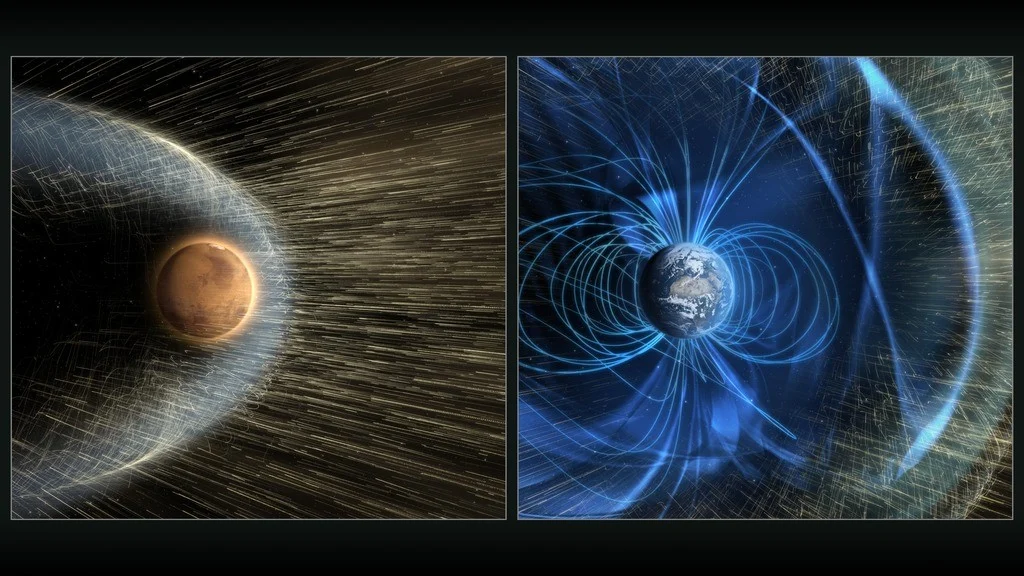
It’s not always easy visualising the complex processes which operate on planet Earth. Even more difficult, at least for me, is explaining them to others. That’s why I’m always on the look out for tools that might just help me with that and which I can share with others too. Enter the NASA Visualisation Explorer, …[Read More]