A big welcome to the new EGU blog network blog Water Underground! Water Underground is the first geoscience blog that I am aware to be cross-hosted on both the EGU and AGU blog networks allowing it to reach people across the world. Water Underground, founded by Dr. Tom Gleeson, a prof at the University of …[Read More]
Latest posts
[ECS Interview] On the surface of Churyumov-Gerasimenko with Philae and Anthony
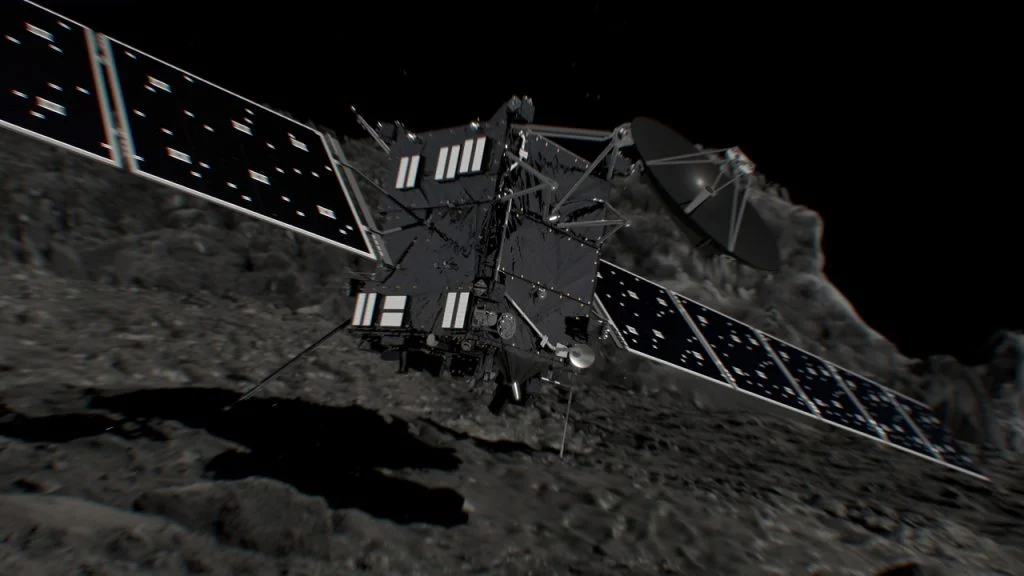
Rosetta recently made a breathtaking dive towards the surface, bringing a wealth of science close from the surface, but also bringing the mission to its end. The operations might be over, but the science is not as there is still a lot of data to analyse, especially for the next generation of cometary scientists. To …[Read More]
Imaggeo on Mondays: A look inside a thunderstorm
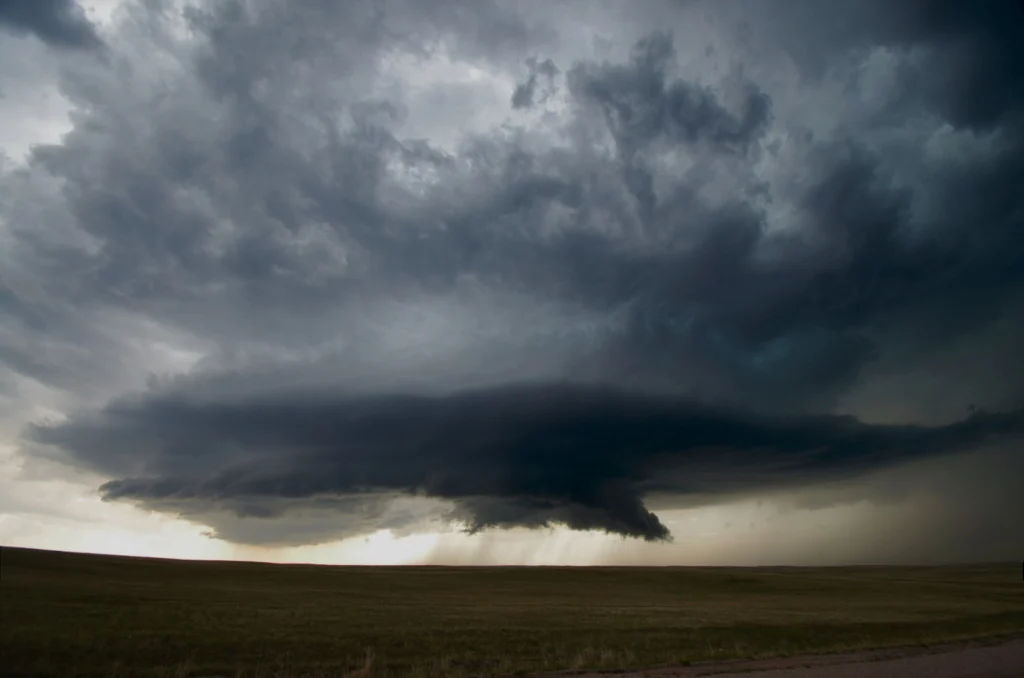
This week’s contribution to Imaggeo on Mondays is a photograph of a mesocyclone – and its rotating wall cloud – photographed by Mareike Schuster, an atmospheric scientist from Freie Universität Berlin, Germany. The picture was taken in June 2012 near Cheyenne, Wyoming in the United States during a field campaign, ROTATE, led by the Center …[Read More]
EGU Abstract Submission Season
A new season just started – EGU 2017 abstract submission season! (http://meetingorganizer.copernicus.org/EGU2017/sessionprogramme). Since the 20th of October you can submit your abstracts to one or more of the many seismology sessions. Believe it or not but we counted 75 sessions that are related to seismology. Wow! We are all very excited to scroll through the …[Read More]
How to manage your EGU2017 session? Brief guidelines for fearless SSS conveners
So you are convening a session in the EGU2017 Soil System Sciences programme? Then, you should click the image below. If clicking the image doesn’t work or you have problems with the presentation (works best under Chrome), access it directly at: https://goo.gl/bZhmNp or download the guidelines as a PDF file (click here).
GeoTalk: Drilling into the crater which contributed to the demise of dinosaurs
Six months ago, somewhere in the tropical waters off the coast of Mexico, scientists began drilling into one of the most iconic geological features on Earth: the Chicxulub crater; the 66 million year old remnants of a deadly asteroid impact, thought to have contributed to the demise of dinosaurs and most other forms of life …[Read More]
Image of The Week – Plumes of water melting Greenland’s tidewater glaciers
Loss of ice from The Greenland Ice Sheet currently contributes approximately 1 mm/year to global sea level (Enderlin et al., 2014). The most rapidly changing and fastest flowing parts of the ice sheet are tidewater glaciers, which transport ice from the interior of the ice sheet directly into the ocean. In order to better predict …[Read More]
What is in your field rucksack? Backpacking in the wilderness
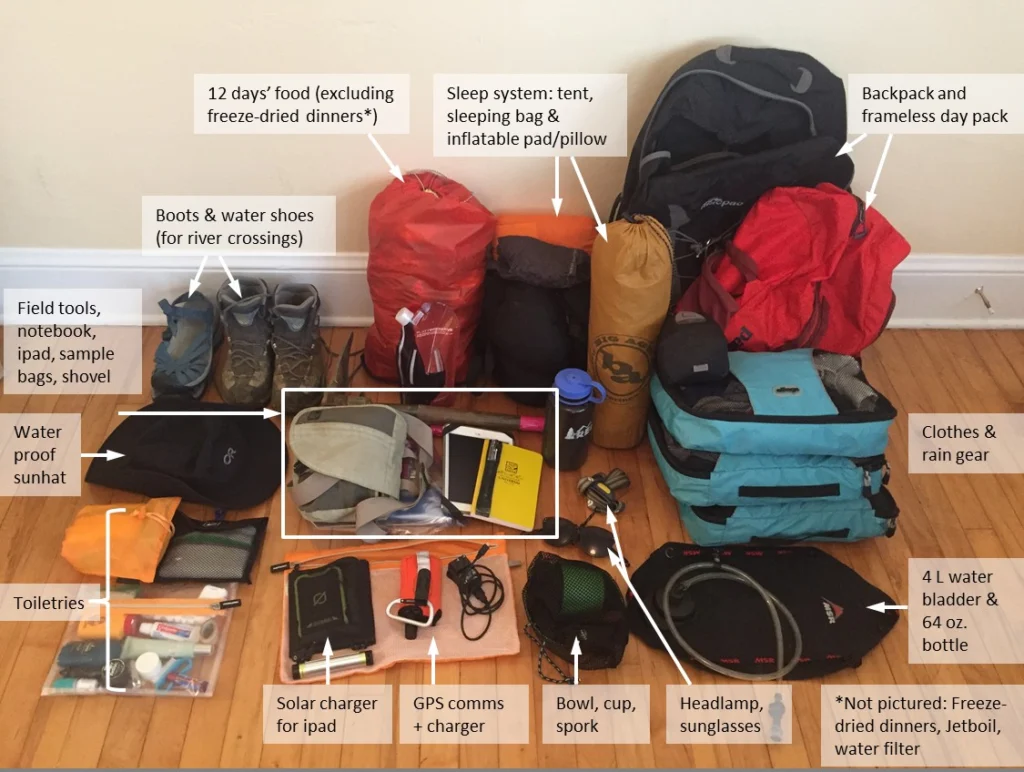
Inspired by a post on Lifehacker on what your average geologist carries in their rucksack/backpack, we’ve put together a few blog posts showcasing what a range of our EGU members carry in their bags whilst in the field! This bag belongs to: Alexa Van Eaton Field Work location: Glacier Peak volcano, Washington, USA Duration of …[Read More]
When cooling causes heating
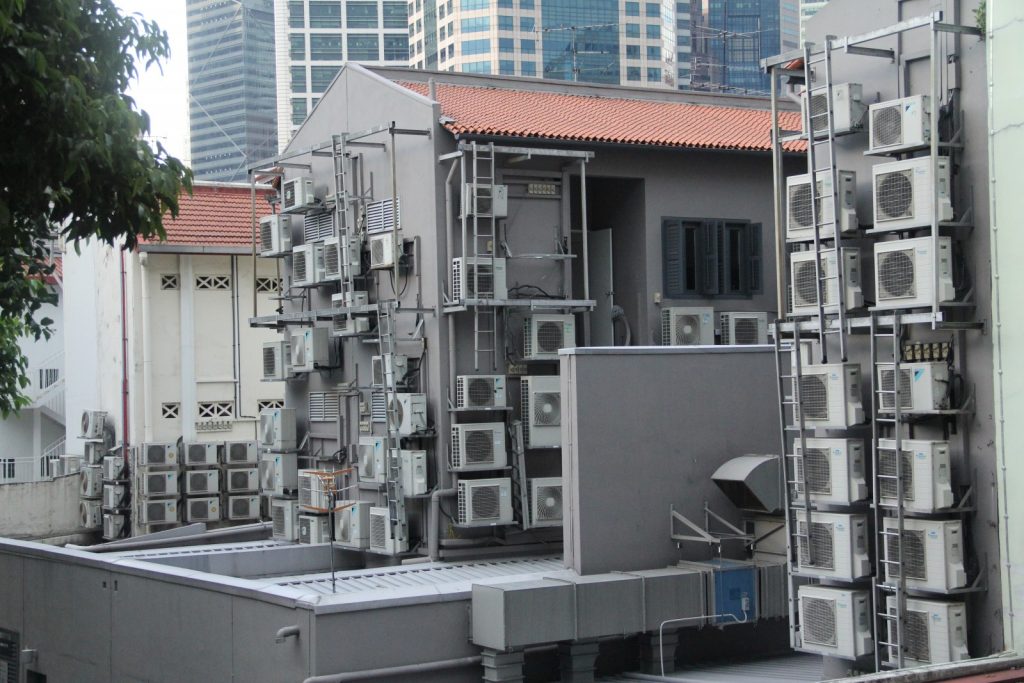
Following the Montreal Protocol in the late 1980s, CFC (chlorofluorocarbon) were replaced by hydrofluorocarbons (HFC) as a refrigerant. Unfortunately, the HFC’s have a global warming potential (GWP) far greater than the well-known greenhouse gas (GHG), carbon dioxide. Apart from the fact that …[Read More]
Imaggeo on Mondays: Why does a Norwegian glacier look blue?
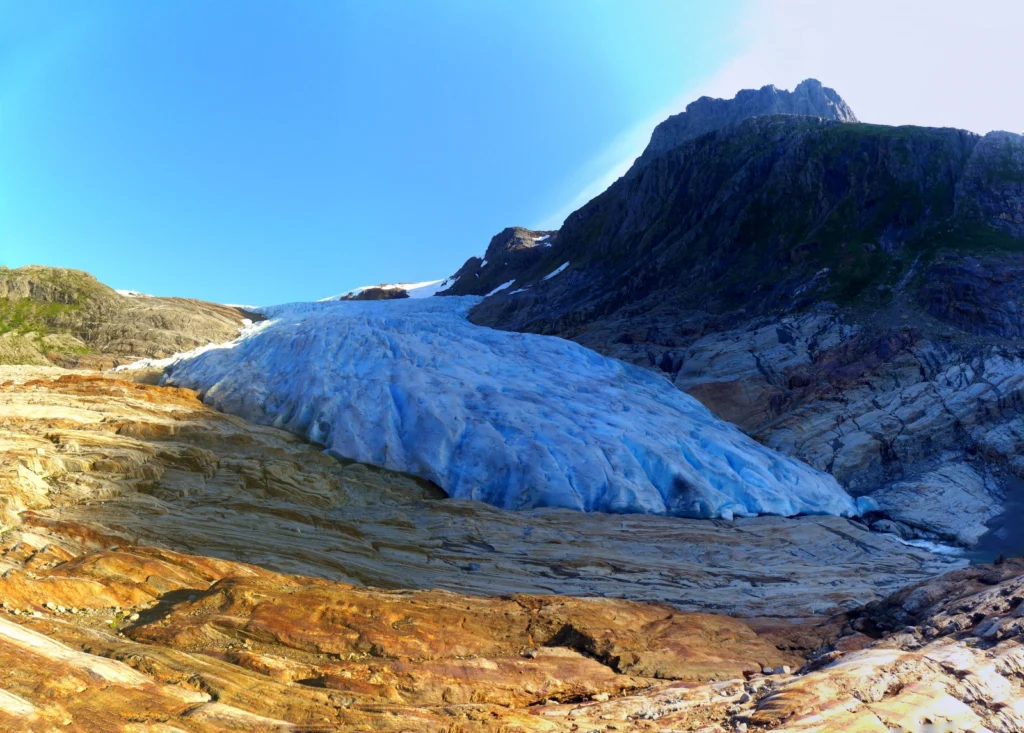
This picture shows the outlet glacier Engabreen running down from the plateau of Svartisen in Norway. Svartisen ice cap comprises two glacier systems of which the Vestre (western) Svartisen is Norway’s second largest glacier. Located right at the polar circle, Svartisen covers a total of 369 km² of the Nordland region. These coastal mountains accumulate …[Read More]