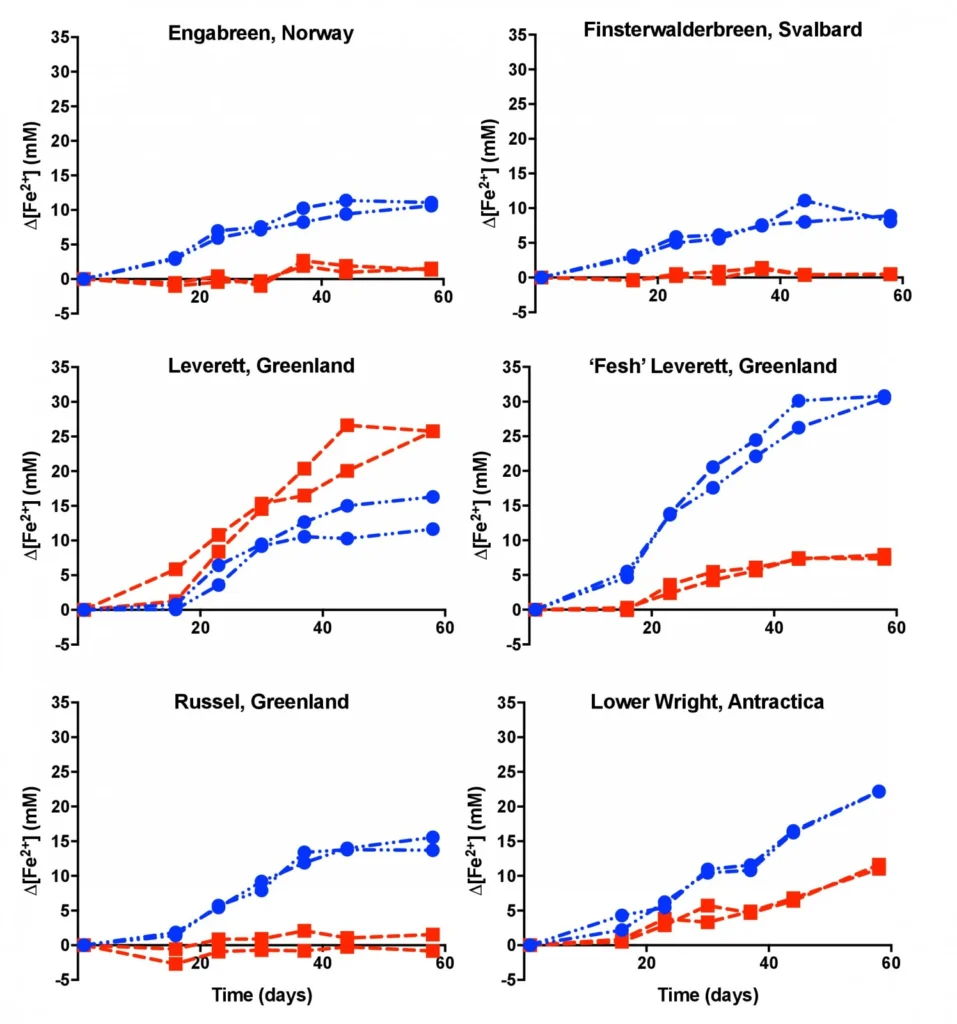
The interface between a glacier and its underlying bedrock is known as the subglacial zone. Here lie subglacial sediments, the product of mechanical crushing of the rock by the glacial ice. Despite their lack of sunlight, nutrients and oxygen, subglacial sediments host active and diverse communities of microorganisms. What we (don’t) know about subglacial microorganisms The …[Read More]
Latest posts
March GeoRoundUp: the best of the Earth sciences from around the web
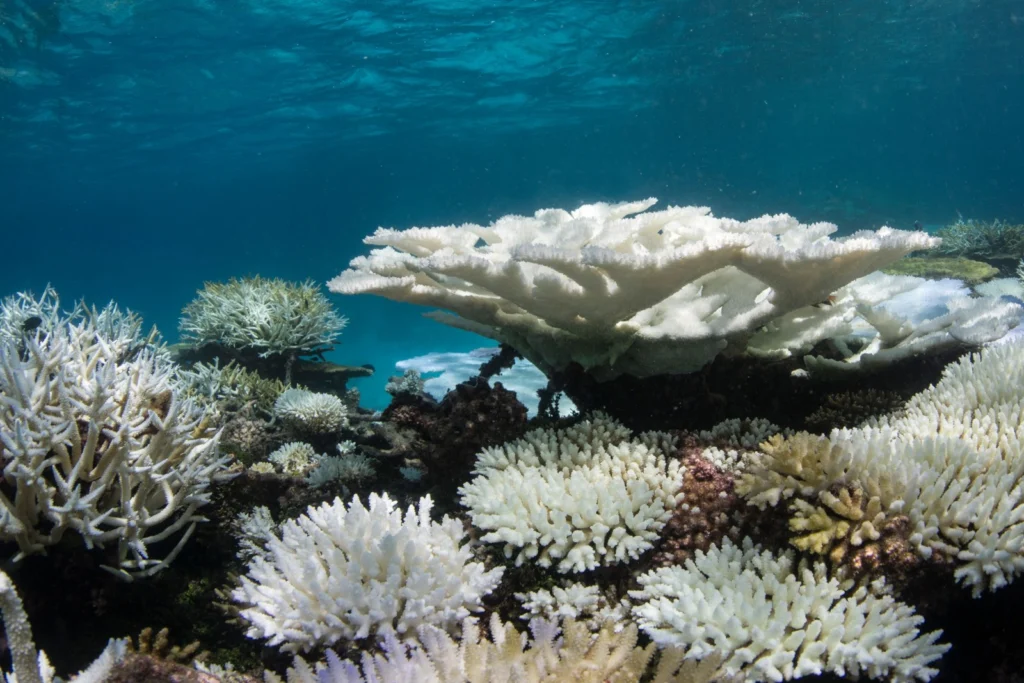
Drawing inspiration from popular stories on our social media channels, as well as unique and quirky research news, this monthly column aims to bring you the best of the Earth and planetary sciences from around the web. Major story While the March headlines might not have been dominated by a particular story, the state of …[Read More]
Research mini-conference in fourth year groundwater class
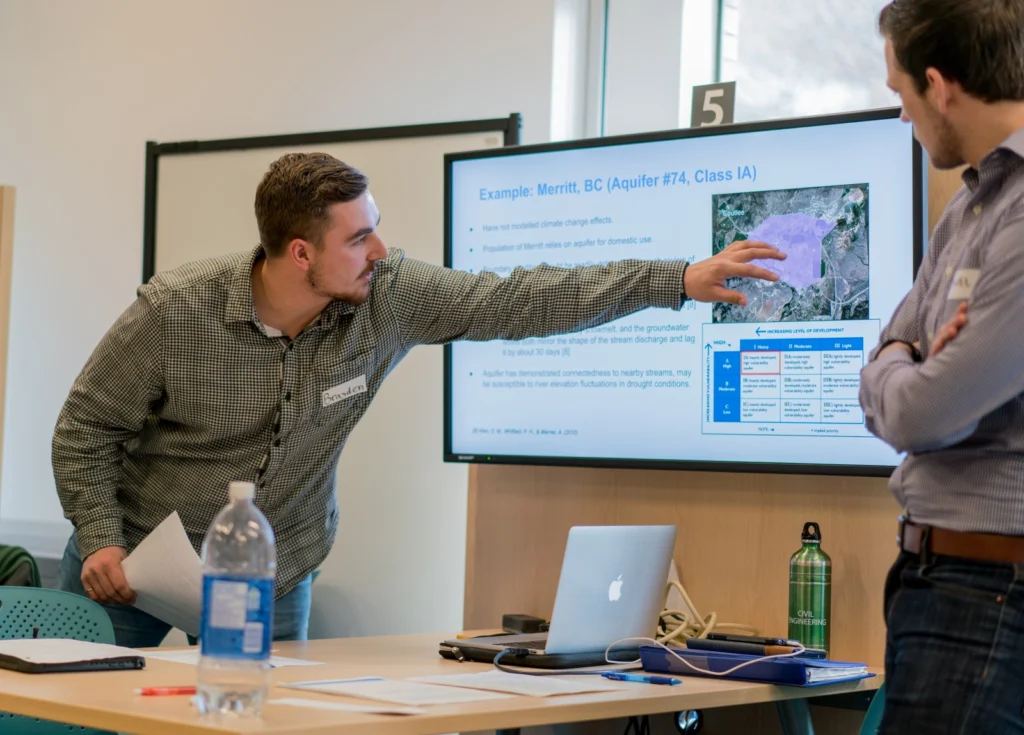
Fourth year and graduate students led a fun mini-conference during class in Groundwater Hydrology (CIVE 445, Civil Engineering at University of Victoria) yesterday. Local consulting and government hydrogeologists joined, making the students both nervous and excited to be presenting to professionals with up to forty years of groundwater experience. The presentations were the culmination of …[Read More]
Report from the Spring School on “Statistical analysis of hyperspectral and high-dimensional remote-sensing data using R”, Jena, Germany, March 13-17, 2017
The Spring School on “Statistical analysis of hyperspectral and high-dimensional remote-sensing data using R” was organized by the GIScience group lead by Prof. Alexander Brenning and two researchers from his GIScience research group, Patrick Schratz and Dr. Jannes Münchow. The school brought together a diverse group of 28 researchers (e.g. geoscientists, forestry, environmental studies) at …[Read More]
Science bloggers – join the 2017 General Assembly blogroll!
Will you be blogging at the 2017 General Assembly? If so, sign up here and we’ll add you to our official blogroll. We will be compiling a list of blogs that feature posts about the EGU General Assembly and making it available on GeoLog, the official blog of the European Geosciences Union. We’d ask you to write …[Read More]
Imaggeo on Mondays: Erosion
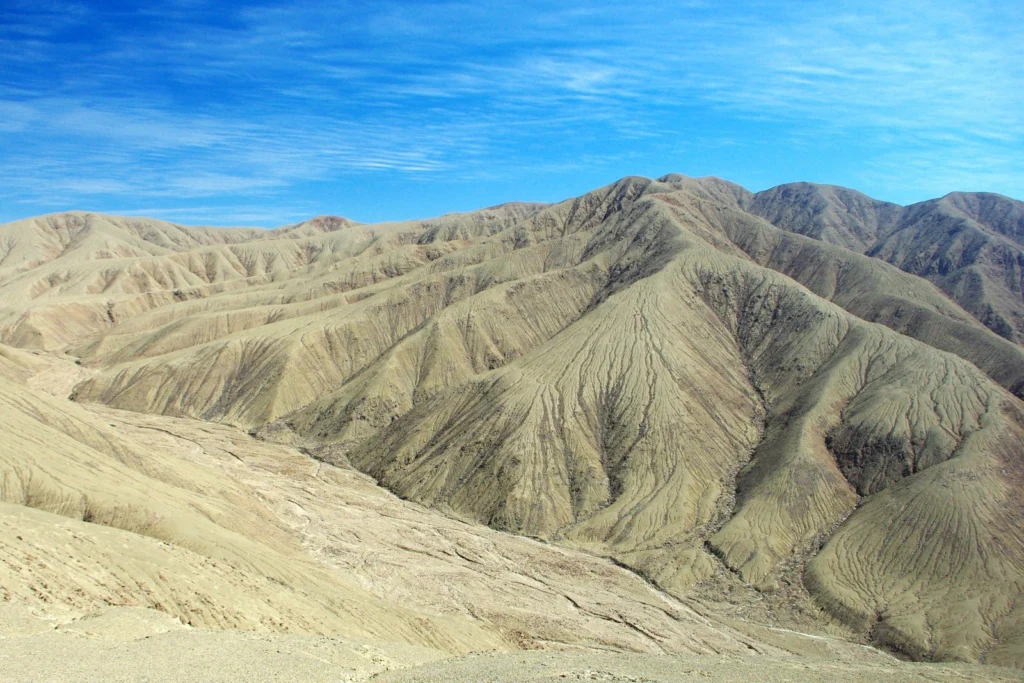
In mountainous regions precipitation – be that in the form of rain, hail or snow, for example – drives erosion, which means it plays an important part in shaping the way the landscape looks. Precipitation can directly wear away at hillsides and creates streams and rivers, which leave their mark on the scenery by cutting …[Read More]
EGU Seismology Division 2017 visibility survey
Dear Seismology Division blogpost, Facebook and Twitter followers, The EGU Seismology Division has prepared an online survey to investigate how members are following our division’s activities online. The data we will acquire through this simple survey allows us to learn how we can improve our visibility and to which activities we could further focus. The …[Read More]
Image of the Week – Ice on Fire (Part 2)
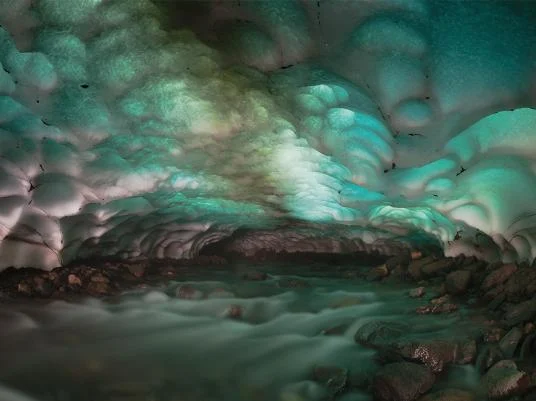
This week’s image looks like something out of a science fiction movie, but sometimes what we find on Earth is even more strange than what we can imagine! Where the heat of volcanoes meets the icy cold of glaciers strange and wonderful landscapes are formed. The Kamchatka Peninsula, in the far East of Russia, has the …[Read More]
Happy world water day from water underground!
We hope you have a great world water day! May you sip a cool, refreshing glass of renewable groundwater and feel excited to make the world a better, more sustainable place.
Making a poster or PICO presentation: top tips from the Outstanding Student Poster and PICO (OSPP) Award judges
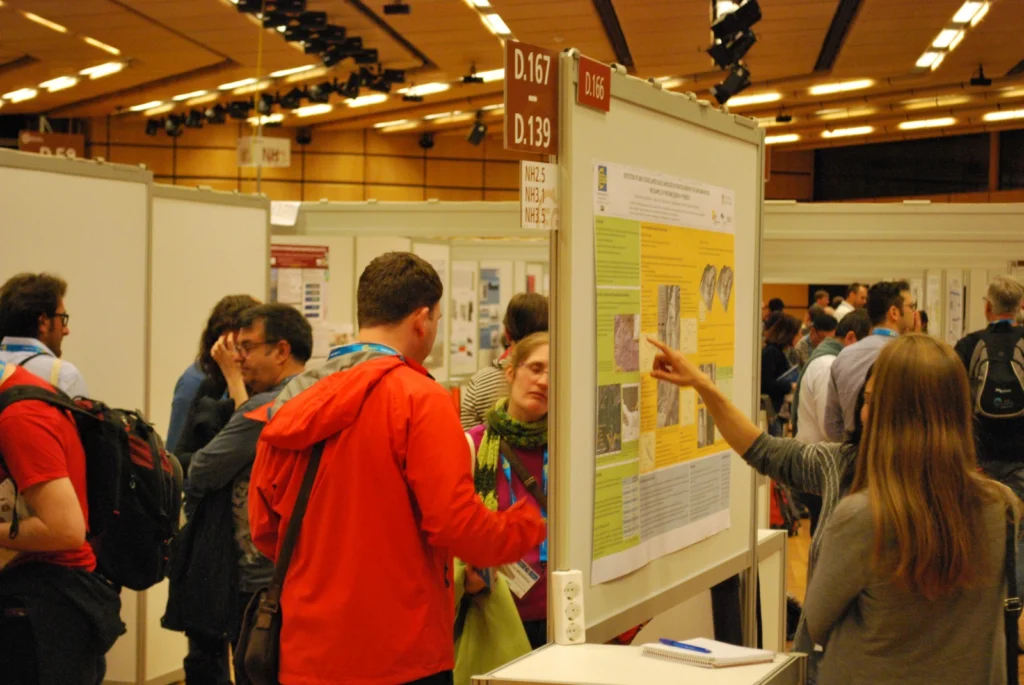
Every year at the General Assembly hundreds of students present their research at the conference with a lot of time and effort going into preparing these presentations. With the aim to further improve the overall quality of poster presentations and more importantly, to encourage early career scientists to present their work in the form of …[Read More]