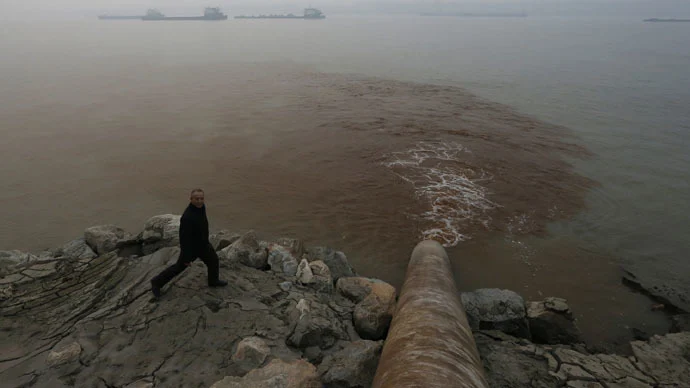
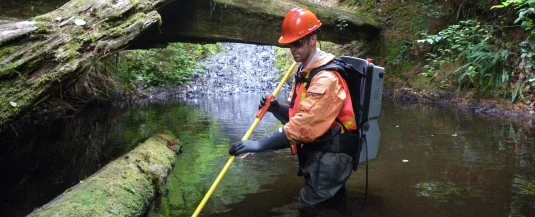
by Matthew Currell, School of Engineering, RMIT University, Australia As part of its recent ‘war on pollution’, the Chinese Central Government released a major policy on water pollution control and clean-up, called the ‘10-point water plan’ in 2015. The plan aims to deal once and for all with China’s chronic water quality problems. China’s water …[Read More]
Latest posts
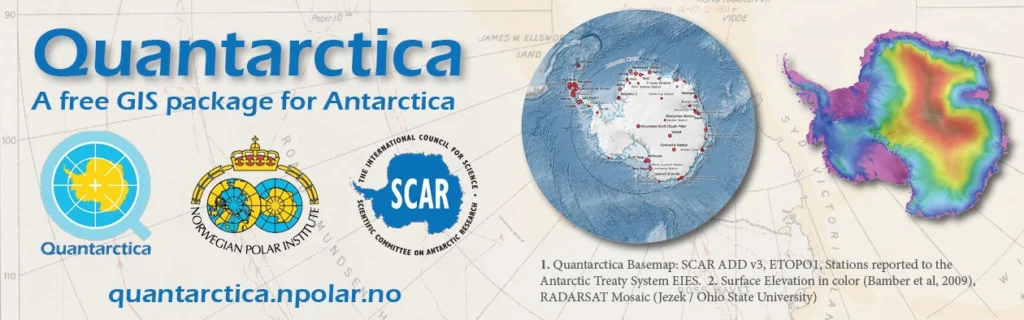
Quantarctica: Mapping Antarctica has never been so easy!
One of the most time-consuming and stressful parts of any Antarctic research project is simply making a map. Whether it’s plotting your own data points, lines, or images; making the perfect “Figure 1” for your next paper, or replying to a collaborator who says “Just show me a map!,” it seems that quick and effective …[Read More]
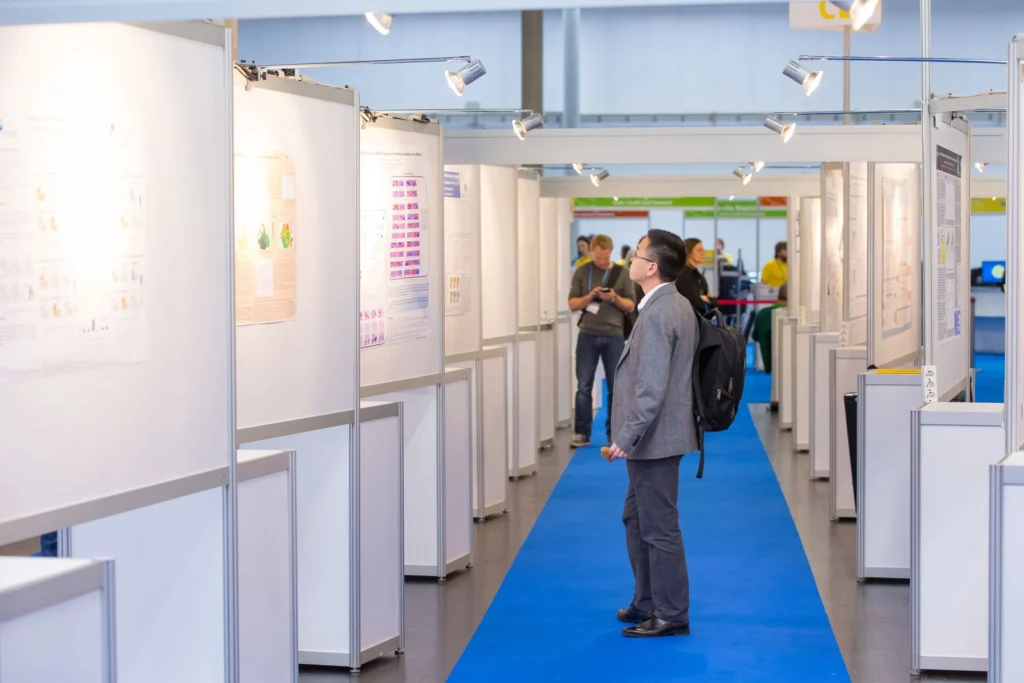
Presenting at the General Assembly 2017: A quick ‘how to’ from the EGU
The schedule is out, presentation slots have been assigned and it’s time to start thinking about putting yours together. Whether you have an oral, poster or PICO slot, we have a suite of simple guidelines to get you ready for the conference! Orals The guidelines for oral presentations are online. All oral presentations should have the …[Read More]
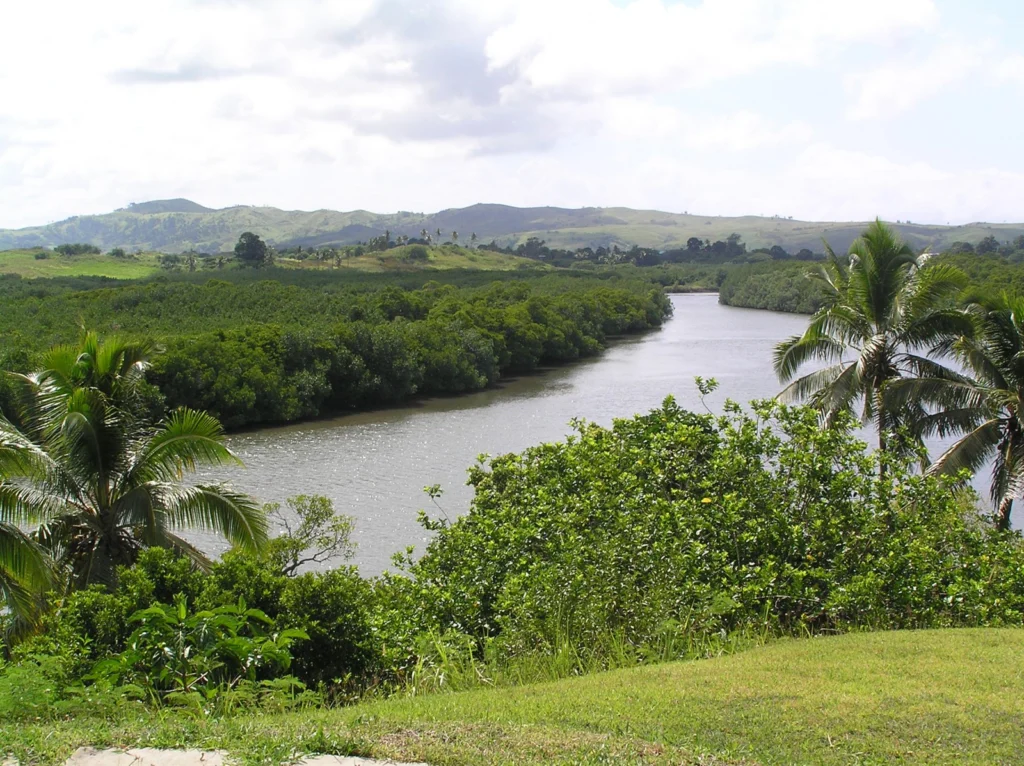
Imaggeo on Mondays: A Fijian paradise
Today’s post is brought to you by Lisa-Marie Shillito, a Lecturer in Landscape Archaeology at Newcastle University. Initially, this photo may seem like any other tropical paradise: lush forests line a meandering river, but there is much more to the forests in the foreground than first meets the eye. Over to Lisa for the details. I …[Read More]
What is a hydrogeologist?
Hydrogeologists are a diverse group, in part because we come to this discipline from so many different paths. We come from different academic programs in engineering, geological sciences and environmental sciences. These differences in backgrounds create a diversity of perspectives, which enriches hydrogeology and allows for dynamic collaborations. Engineers and geophysicists are known for bringing …[Read More]
Image of The Week – The Pulsating Ice Sheet!
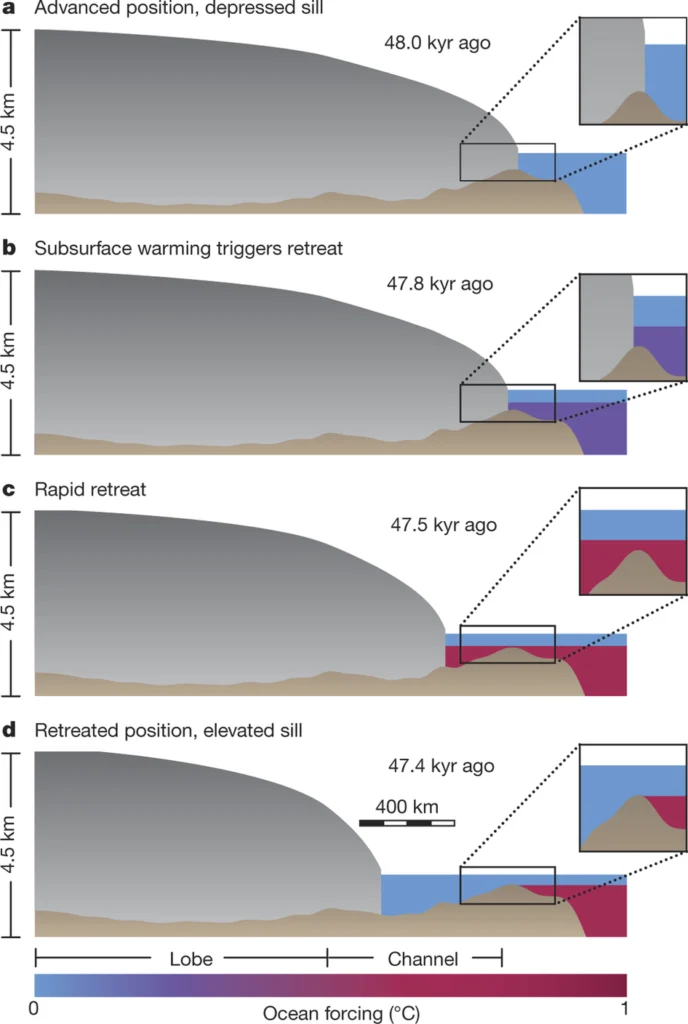
During the last glacial period (~110,000-12,500 years ago) the Laurentide Ice Sheet (North America) experienced rapid, episodic, mass loss events – known as Heinrich events. These events are particularly curious as they occurred during the colder portions of the last glacial period, when we would intuitively expect large-scale mass loss during warmer times. In order to understand …[Read More]
Geosciences Column: How El Niño triggered Indonesia corals die-off
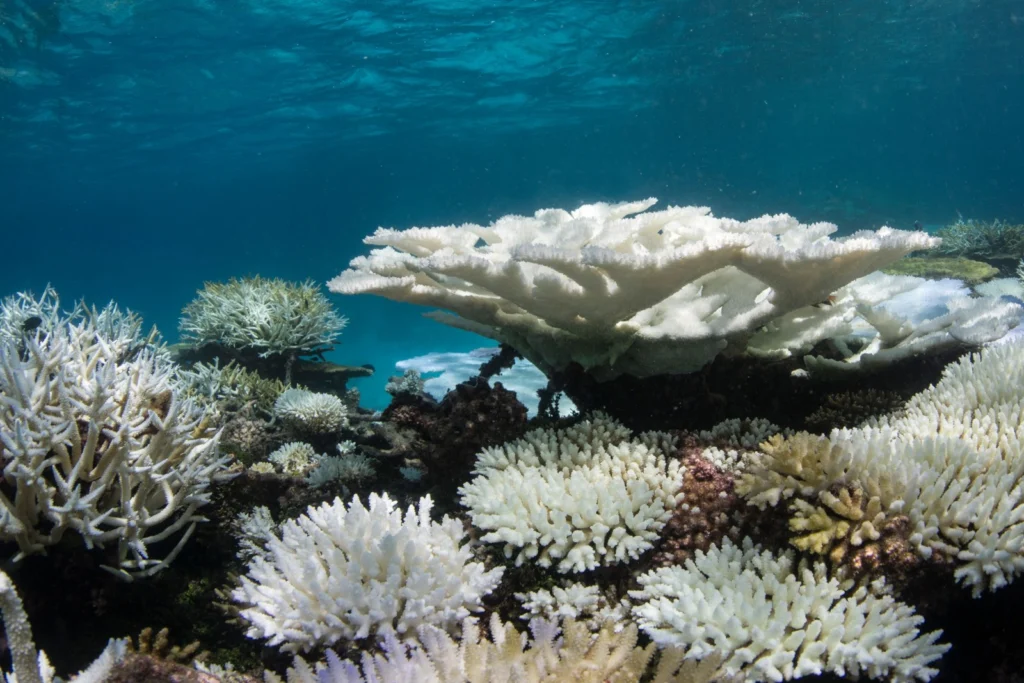
In the glistening waters of Indonesia, shallow corals – the rain forests of the sea – teem with life. Or at least they did once. Towards the end of 2015 the corals started to die, leaving a bleak landscape behind. An international team of researchers investigated the causes of the die-off. Their findings, published recently …[Read More]
EGU 2017 General Assembly programme is now online!
The EGU General Assembly 2017 programme is available here. Take a look and – if you haven’t already – register for the conference by 16 March to make the early registration rates! Last year, we updated the scientific programme of the General Assemby and it includes Union-wide Sessions, such as Special Scientific Events (Medal Lectures, Great …[Read More]
February GeoRoundUp: the best of the Earth sciences from around the web
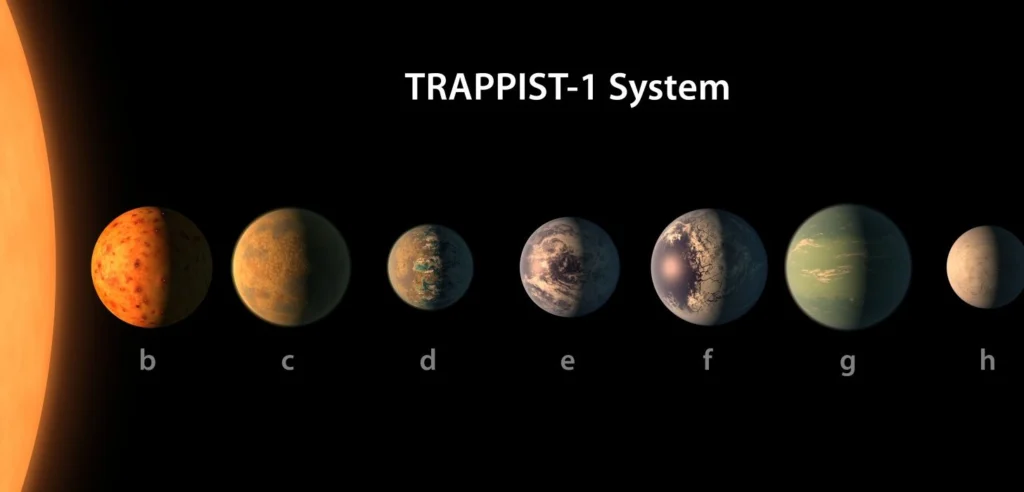
Drawing inspiration from popular stories on our social media channels, as well as unique and quirky research news, this monthly column aims to bring you the best of the Earth and planetary sciences from around the web. Major story Undoubtedly the story of the month is the discovery of a star system of seven Earth-sized …[Read More]
EGU mentoring programme 2017
– by Susanne Buiter TS Division President – EGU is launching a mentoring programme at its 2017 General Assembly for novice conference attendees, students, and early career scientists. The programme aims to facilitate new connections that may lead to long-term professional relationships within the Earth, planetary and space science communities. We anticipate the programme to …[Read More]