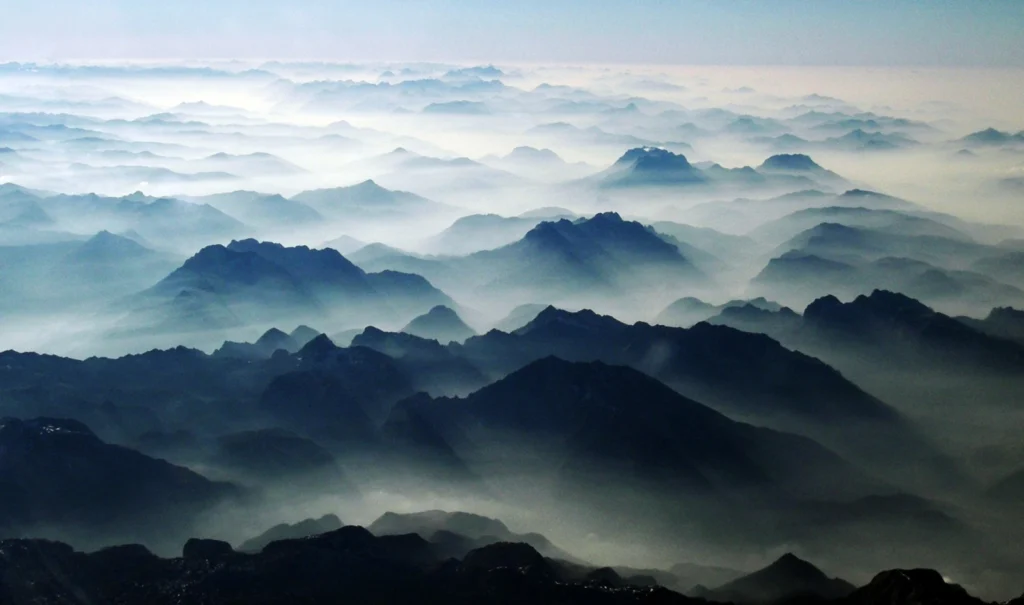
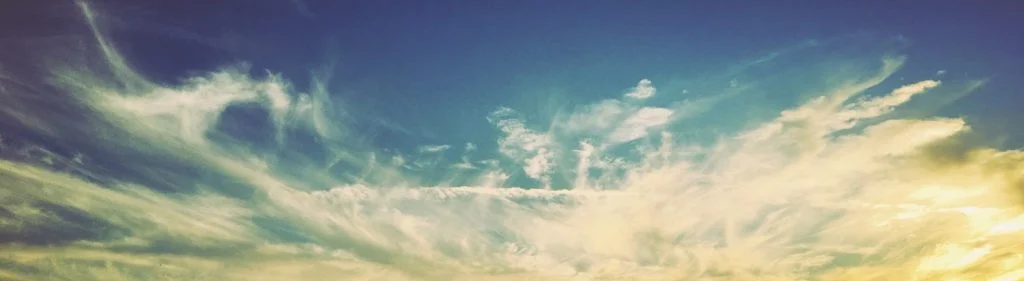
The forward scattering of sunlight, which is caused by a large number of aerosol particles (moist haze) in Alpine valleys, gives the mountain massifs a rather plastic appearance. The hazy area in the foreground lies above the Koenigsee lake; behind it the Watzmann, Hochkalter, Loferer Steinberge and Wilder Kaiser massifs loom up behind one other …[Read More]
Latest posts
Features from the field: Folding
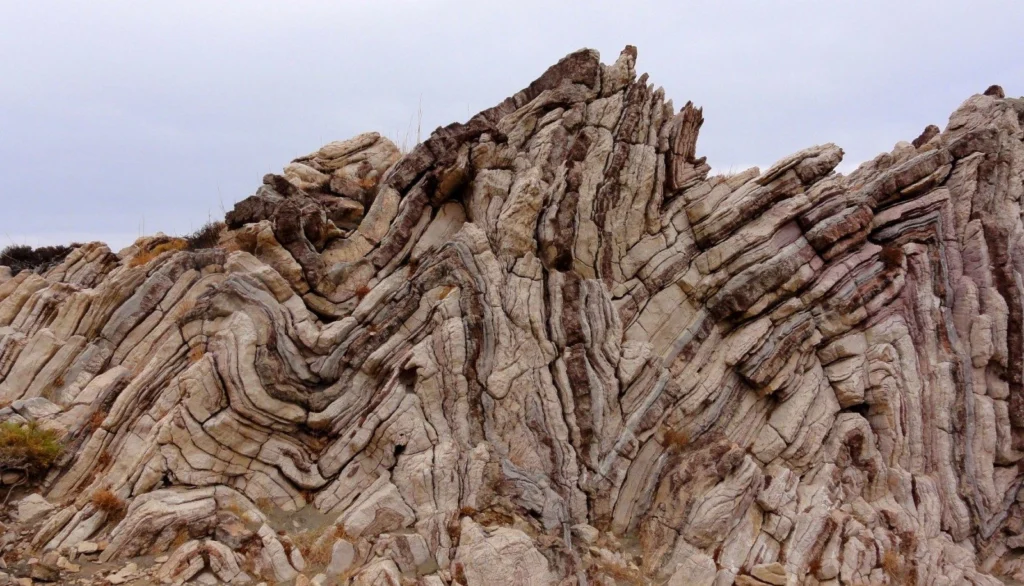
Folding is one of the most common geologic phenomena in the world. I should start with defining the term ‘deformation’ in order to understand the folding process better. In geology, deformation is an alteration of the size or shape of rocks. Deformation is caused by stress, the scientific term for force applied to a certain …[Read More]
How prehistoric water pit stops may have driven human evolution
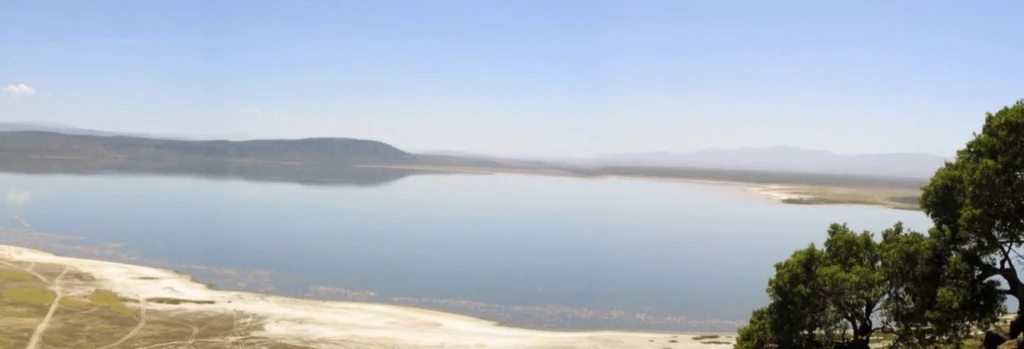
Post by Matthew Robert Bennett, Bournemouth University and Mark O Cuthbert, Cardiff University Our ancient ancestors seem to have survived some pretty harsh arid spells in East Africa’s Rift Valley over five million years. Quite how they kept going has long been a mystery, given the lack of water to drink. Now, new research shows …[Read More]
Image of the Week – When the dirty cryosphere destabilizes!
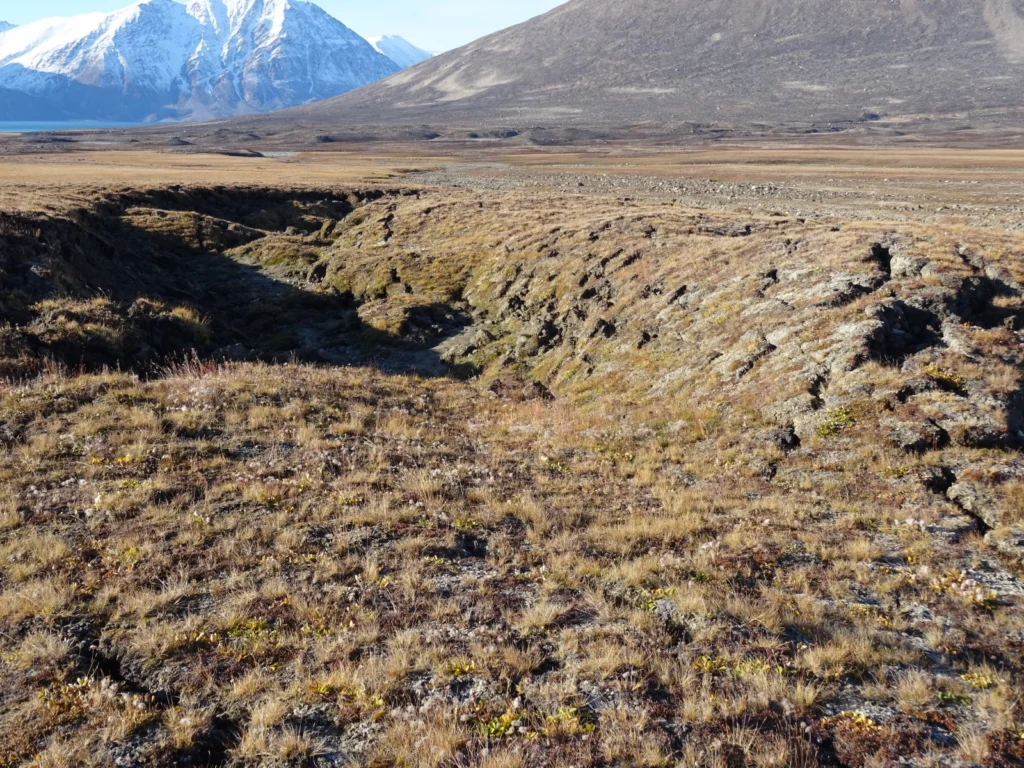
Ice is usually something you see covering large ocean areas, mountain tops and passes or as huge sheets in polar regions. This type of ice is clearly visible from space or with the naked eye. There is, however, a large volume of ice that is less visible. This ice is distributed over the polar and …[Read More]
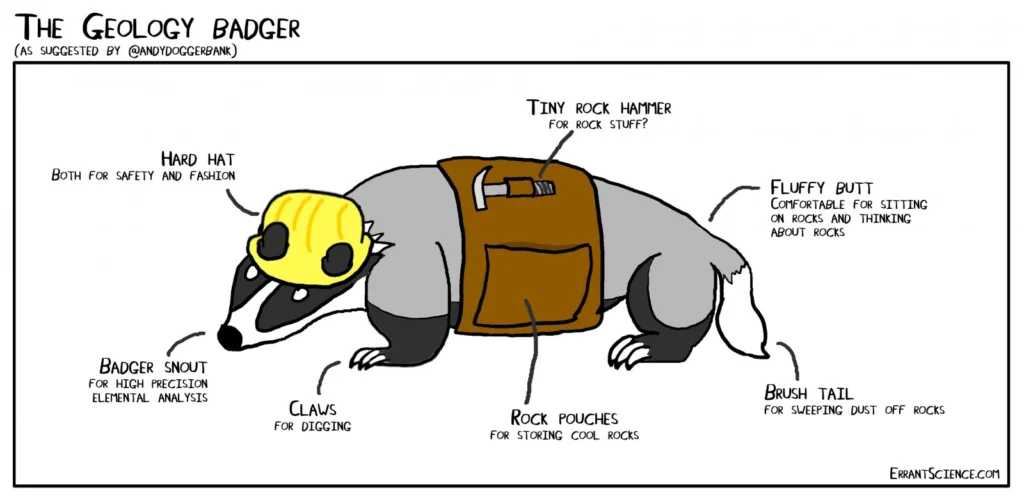
Cartooning science at EGU 2017 with Matthew Partridge (a.k.a Errant Science)
Most researchers are regular conference-goers. Tell a geoscientist you are attending the EGU General Assembly and they will most likely picture rooms full of people listening to a miriad of talks, many an hour chatting to colleagues old and new and you desperately trying to find your way around the maze that is the Austria …[Read More]
June 2017 Newsletter
The blog will now also host a newsletter specially dedicated to Early Career Scientists of the Atmospheric Sciences Divisions. ECS – AS News – Issue 1 – June 2017 FROM THE PRESIDENT Dear Early Career Atmospheric Scientists, I hope that you by now have digested all the excellent science and events that took place during …[Read More]
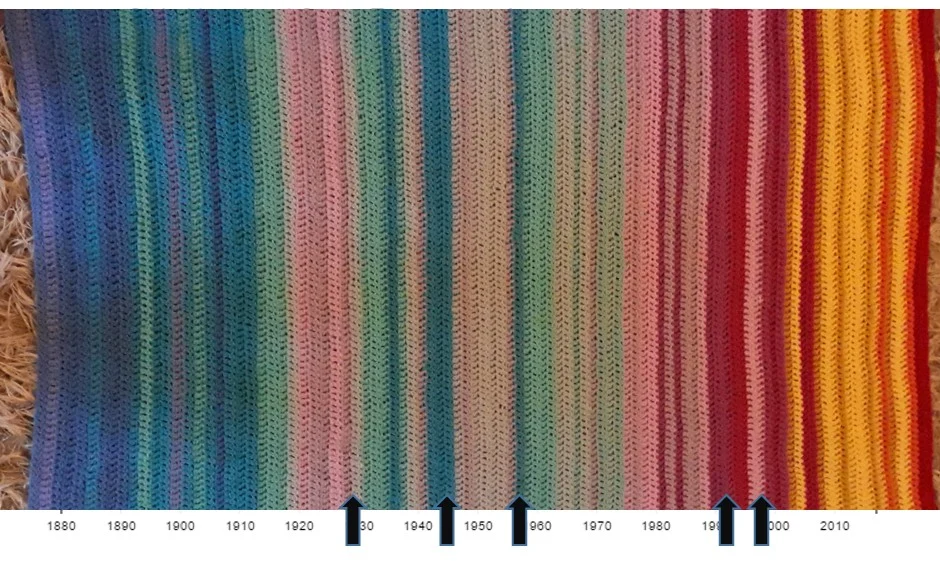
The art of turning climate change science to a crochet blanket
We welcome a new guest post from Prof. Ellie Highwood on why she made a global warming blanket and how you could the same! What do you get when you cross crochet and climate science? A lot of attention on Twitter. At the weekend I like to crochet. Last weekend I finished my latest project …[Read More]
Enmeshed in the gears of publishing – lessons from working as a young editor
Editors of scientific journals play an important role in the process research publication. They act as the midpoint between authors and reviewers, and set the direction of a given journal. However, for an early career scientist like me (I only defended my PhD in early December 2016) the intricacies of editorial work remained somewhat mysterious. …[Read More]
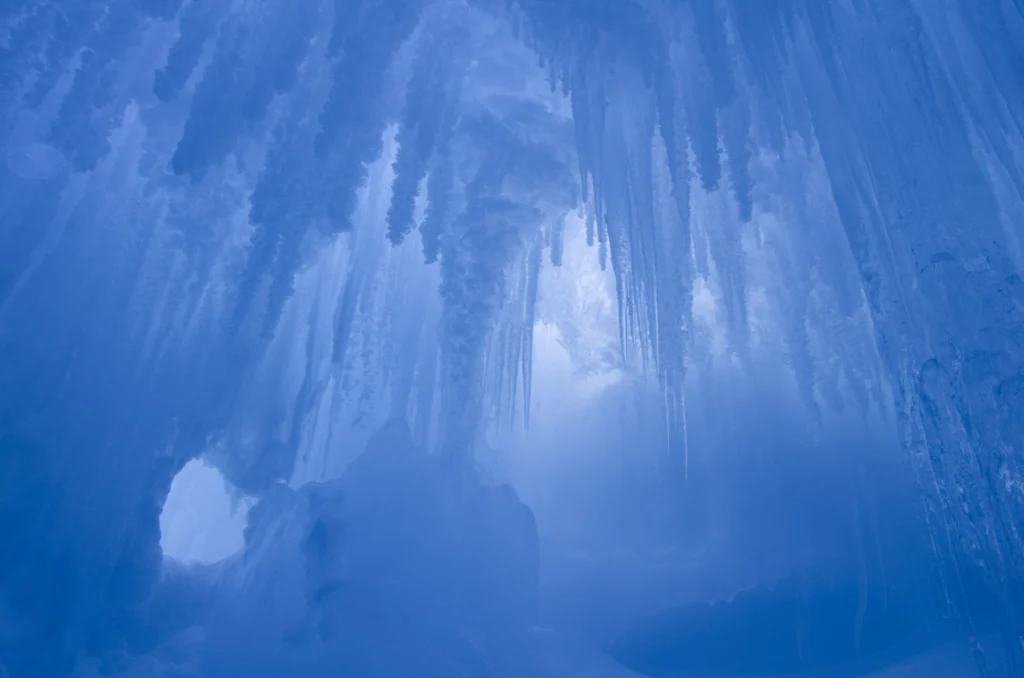
Imaggeo on Mondays: Erebus Ice Tongue Cave
The interior of this ice cave at the Erebus glacier tongue is cathedral-like. Imagine standing in the cold interior, icy blue stalactites dangling from the cave roof; the sense of awe is overwhelming. Mt. Erbus is the world’s southernmost active volcano on Ross Island, in Antarctica. Winding its way down its lower slopes is Erebus …[Read More]
GfGD Strategy 2017-2021: Championing Sustainable Development
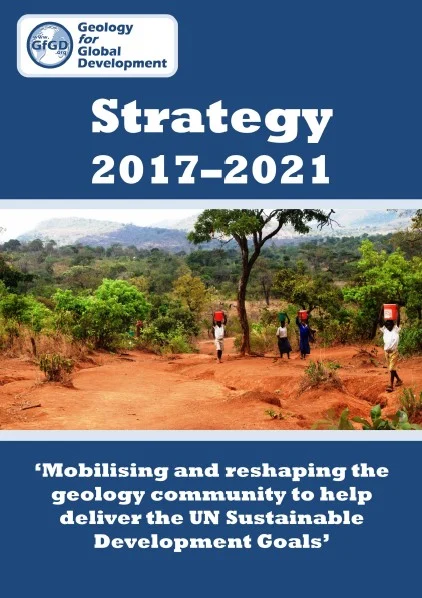
Today we publish the GfGD Strategy (2017-2021), outlining our vision and the key objectives that will shape our work over the next 5-years. In 2015, the international community agreed the UN Sustainable Development Goals (SDGs). These goals aim to eradicate global poverty, promote sustainable consumption patterns, and facilitate sustained and inclusive economic growth, social development …[Read More]