Romeo and Juliet famously had some identification problems: they met, fell in love, and only afterwards realised that they were arch enemies, which *spoiler* resulted in their disastrous fate. Oops. Of course, this could happen to anybody. However, we do not want this to happen to you! We want you to know who we, the …[Read More]
Latest posts
Minds over Methods: Block modeling of Anatolia
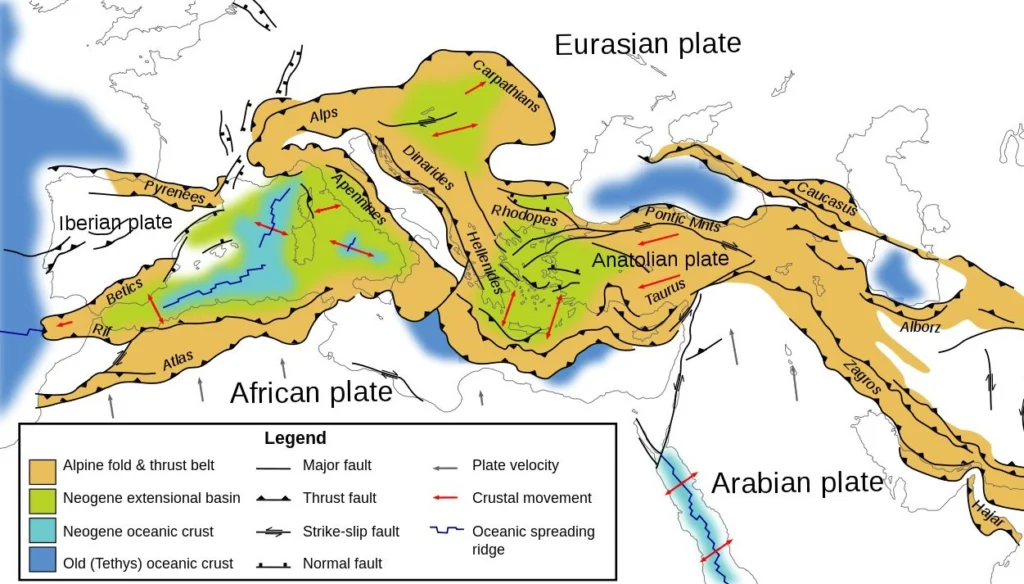
How can we use GPS velocities to learn more about present-day plate motions and regional deformation? In this edition of Minds over Methods, one of our own blogmasters Mehmet Köküm shares his former work with you! For his master thesis at Indiana University, he used block modeling to better understand the plate motion and slip …[Read More]
Imaggeo on Mondays: Tongue of a small giant
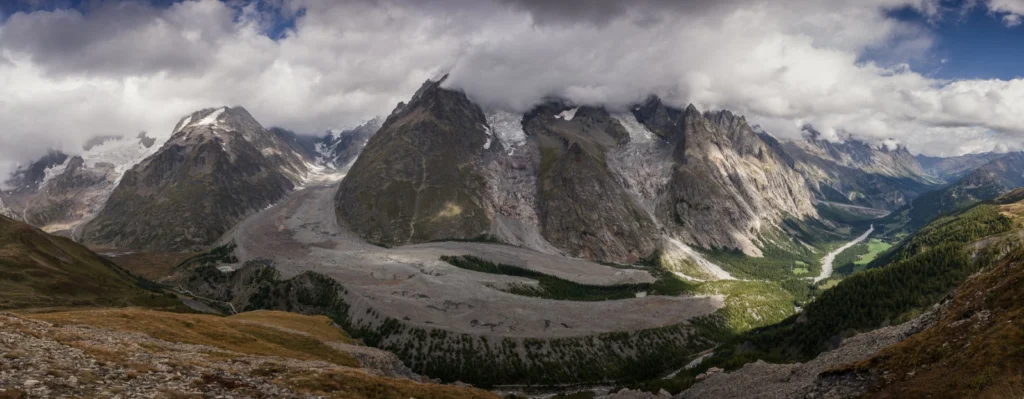
In a world where climate change causes many mountain glaciers to shrink away, bucking the ‘melting’ trend is not easy. In today’s post, Antonello Provenzale, a researcher in Italy, tells us of one glacier in the Alps which is doing just that. Mountain glaciers are retreating worldwide, with the possible exception of the Karakoram area. …[Read More]
Of Karst! – short episodes about karst
Episode 2: Dissolving rock? (or, how karst evolves). Post by Andreas Hartmann, Lecturer in Hydrology at the University of Freiburg (Universität Freiburg), in Germany. You can follow Andreas on twitter at @sub_heterogenty. Didn’t get to read Episode 1? Click this link here to do so! ___________________________________________________________ In the previous episode, I introduced karst by showing how it …[Read More]
Image of the Week — High altitudes slow down Antarctica’s warming
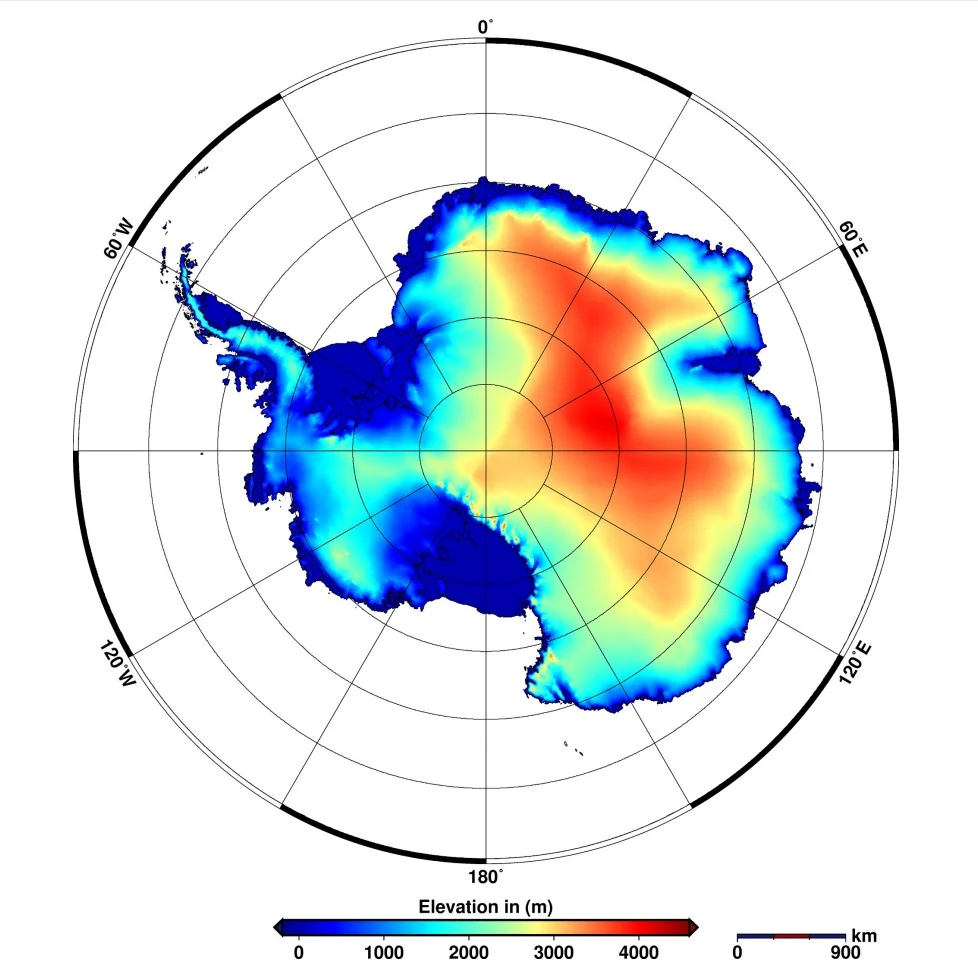
When it comes to climate change, the Arctic and the Antarctic are poles apart. At the north of the planet, temperatures are increasing twice as fast as in the rest of the globe, while warming in Antarctica has been milder. A recent study published in Earth System Dynamics shows that the high elevation of Antarctica …[Read More]
GeoPolicy: What are science-policy placements and are they for you?
This month’s GeoPolicy blog will examine science-policy internships, fellowships, secondments and pairing-schemes in closer detail – highlighting the reasons for undertaking a placement and interviewing Dr Michelle Cain, an EGU member who participated in NERC’s Policy Placement Fellowship Scheme Science-policy placements provide scientists with the opportunity to use their knowledge within a policy-orientated organisation. This could include working …[Read More]
Pre-plate-tectonics on early Earth: How to make primordial continental crust
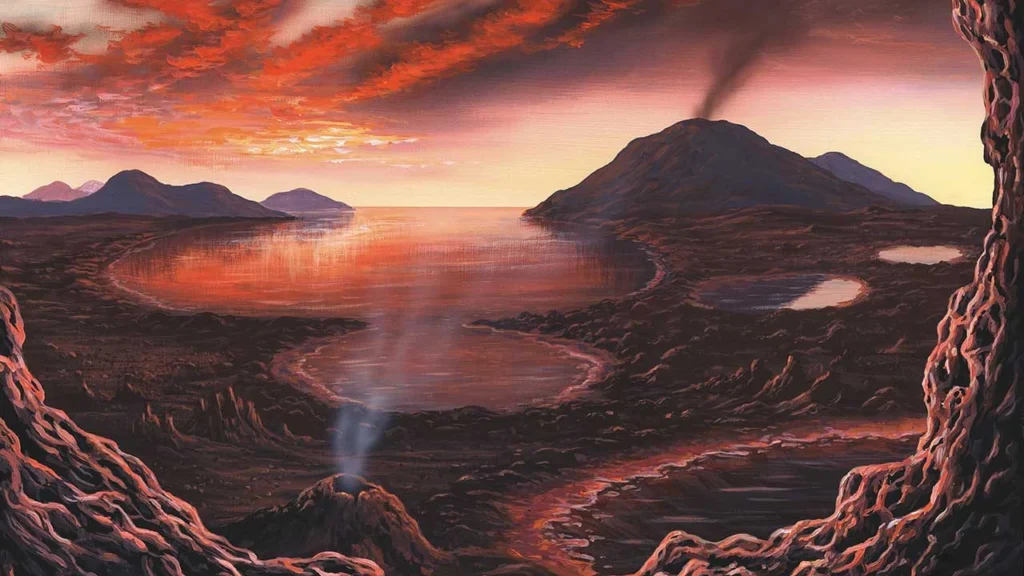
The sequence of events before continental crust formation has long been contested. Numerical simulations performed by Rozel and colleagues imply that the key to the puzzle could lie in the intrusive magmatism. Despite several decades of research on the topic, the trigger of proto-continental crust formation on early Earth remains an enigma. However, magmatic processes …[Read More]
Imaggeo on Mondays: Salt shoreline of the Dead Sea
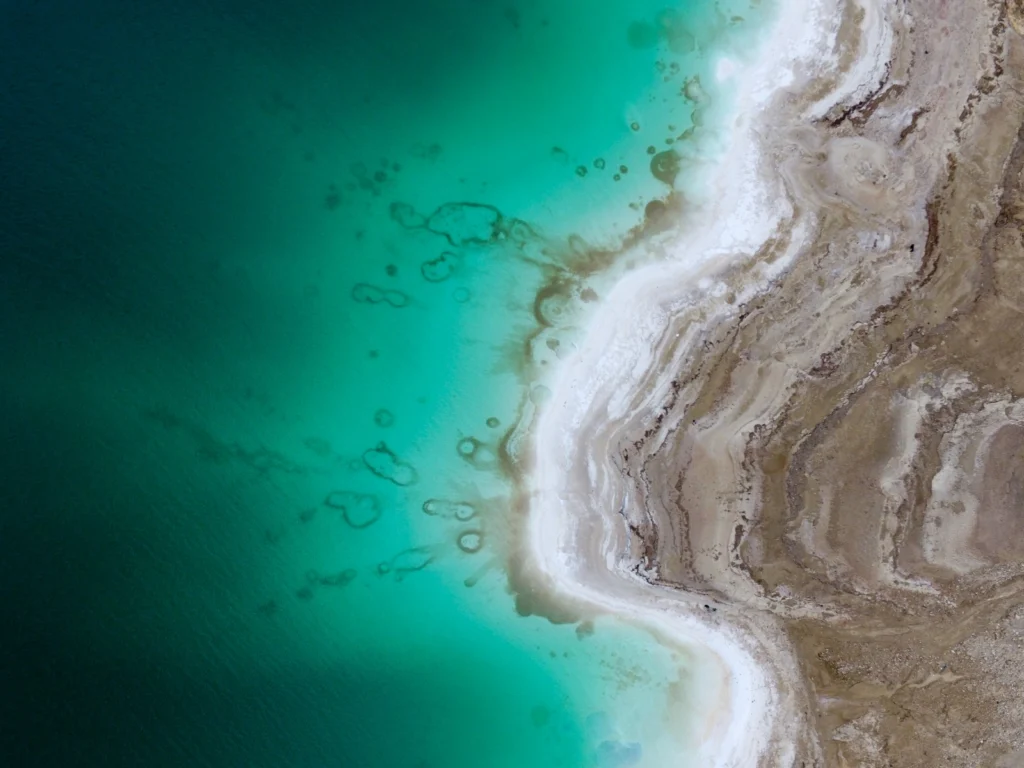
This beautiful aerial image (you’d be forgiven for thinking that it was a watercolour) of the Dead Sea was captured by a drone flying in 100m altitude over its eastern coastline. Climate change is seeing temperatures rise in the Middle East, and the increased demand for water in the region (for irrigation) mean the areas …[Read More]
Corals, the thermometers of the past!
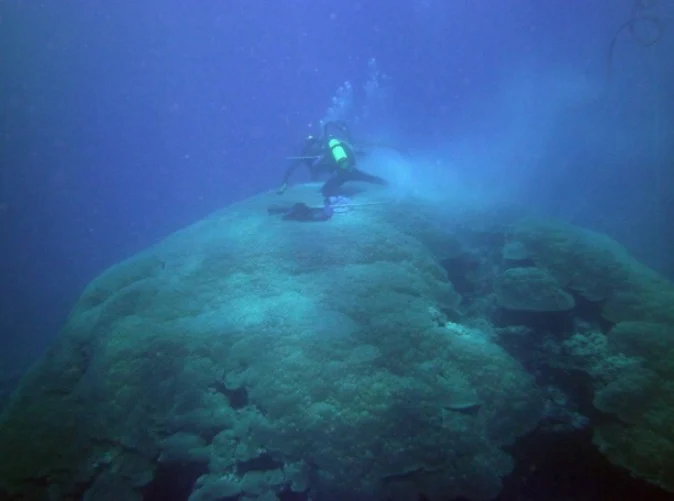
Name of proxy: Coral Type of record: Oceanic variability Paleoenvironment: Fringing reefs, barrier reefs, or atoll Period of time investigated: Mainly the last 200 years How does it works ? What we usually picture as a coral is actually a colony of tiny living animals called coral polyps, which are closely related to jellyfish or …[Read More]
Groundwater & Education – Part One
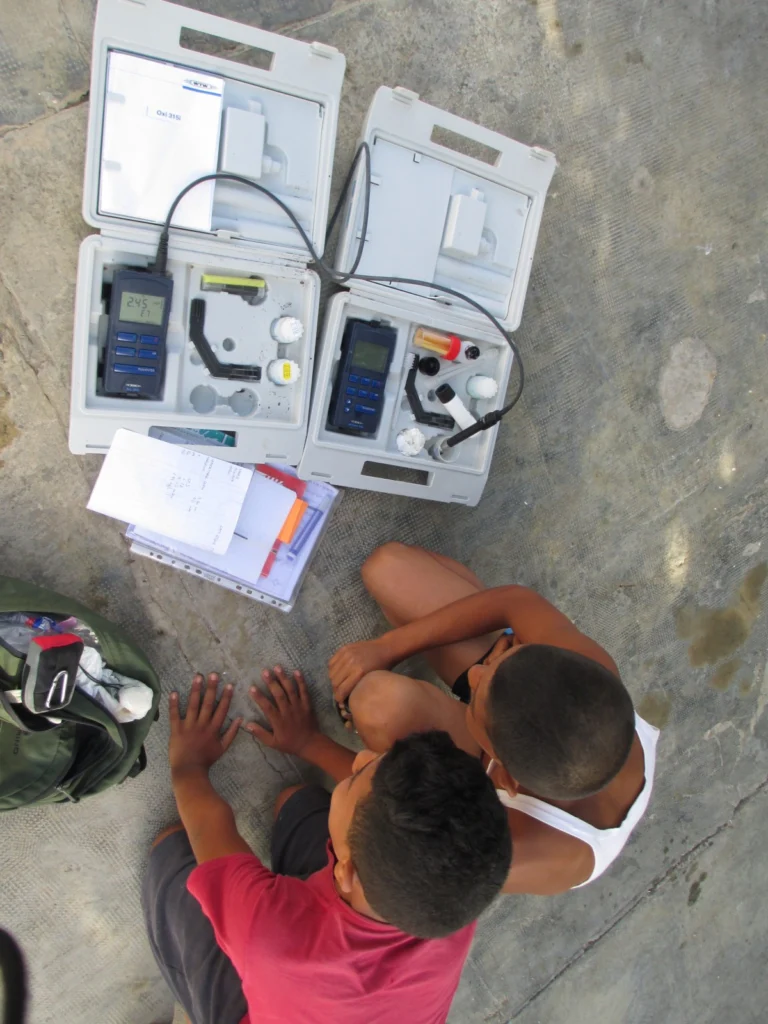
Post by Viviana Re, postdoctoral researcher at the University of Pavia (Università di Pavia), in Italy. You can follow Viviana on Twitter at @biralnas. Part one of a two part series on groundwater and education by Viviana. ___________________________________________________________ Education /ɛdjʊˈkeɪʃ(ə)n The process of receiving or giving systematic instruction, especially at a school or university. from Latin educatio(n-), from the …[Read More]