Let me just talk to you about what I have been doing with my free time recently: I discovered a feature from Google Books named Ngram viewer which allows you to make graphs that show how words or phrases have occurred in a selection of books (e.g., English) over the selected years. I have of …[Read More]
Latest posts
Capturing a Whole Total Eclipse of the Sun: Megamovie
by Hugh S Hudson (U. of Glasgow and UC Berkeley) Normally solar eclipses give an observer only a fleeting moment (minutes at most) to enjoy the solar corona. We aim to amplify that considerably in the August 21 eclipse across North America. The plan is simple: Megamovie will capture everybody’s images, especially those from a …[Read More]
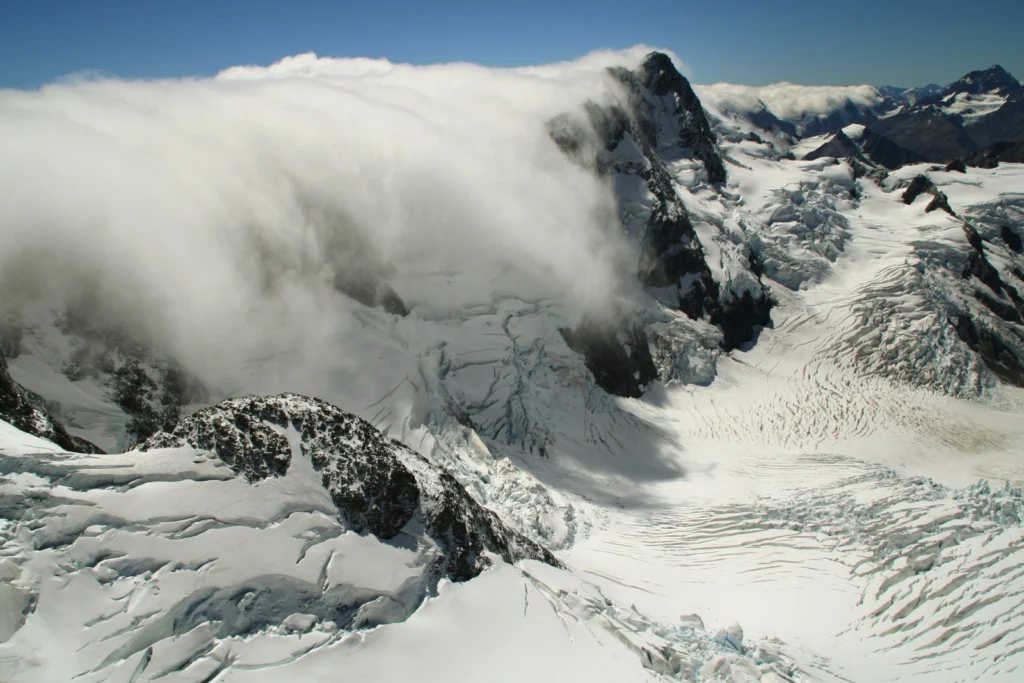
Imaggeo on Mondays: Nor’Wester in the Southern Alps of New Zealand
Stephan Winkler’s 2017 Imaggeo Photo Contest finalist photo showcases an unusual weather phenomenon… The image shows a typical weather situation in the Southern Alps of New Zealand with a moist, westerly airflow pushing over the Main Divide [which separates the water catchments of the more heavily populated eastern side of the island from those on …[Read More]
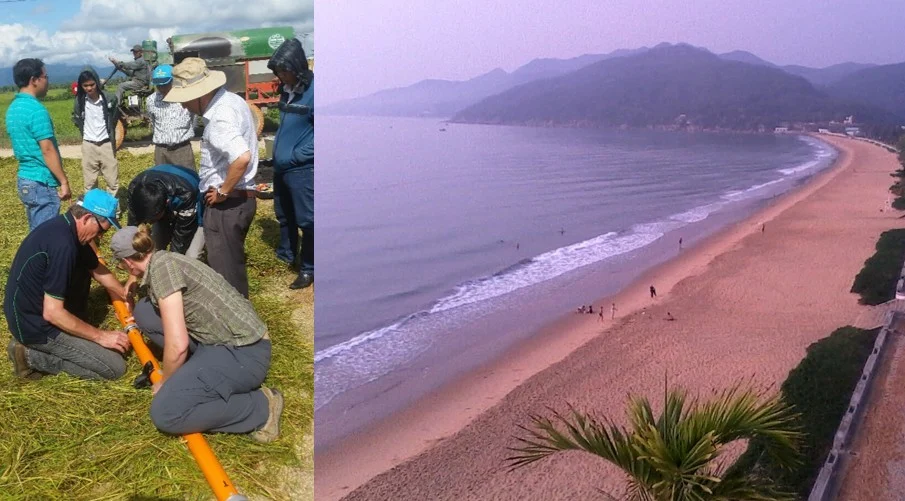
Humanitarian groundwater projects; notes on motivations from the academic world
Post by Margaret Shanafield, ARC DECRA Senior Hydrogeology/Hydrology Researcher at Flinders University, in Australia. You can follow Margaret on Twitter at @shanagland. ___________________________________________________________ What led me down the slippery slope into a career in hydrology and then hydrogeology, was a desire to combine my love of traveling with a desire to have a deeper relationship with the …[Read More]
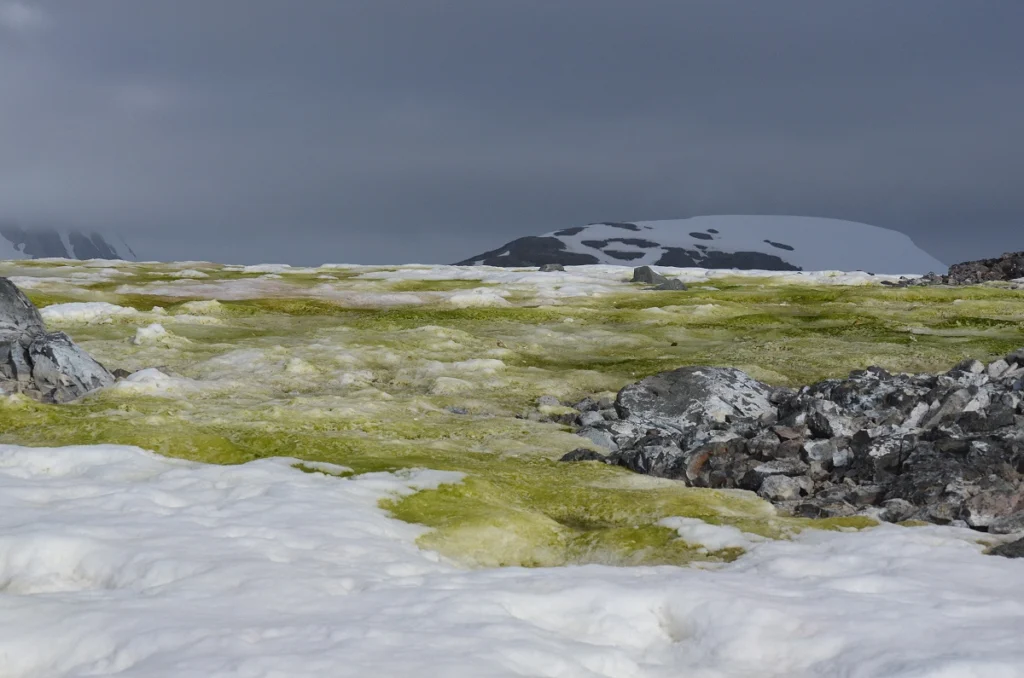
Image of the Week – Fifty shades of snow
When I think of snow, I tend to either think about the bright white ski slopes in the mountains or the large white areas in the Arctic. However, natural phenomena can lead to colorful snow. Our Image of the Week shows snow can be green! Snow can also turn orange, pinkish, grey and even yellow… …[Read More]
Don’t be a hero – unless you have to
The Geodynamics 101 series serves to show the diversity of topics and methods in the geodynamics community in an understandable manner for every geodynamicist. PhD’s, postdocs, full professors, and everyone in between can introduce their field of expertise in a lighthearted, entertaining manner and touch on some of the outstanding questions and problems related to …[Read More]
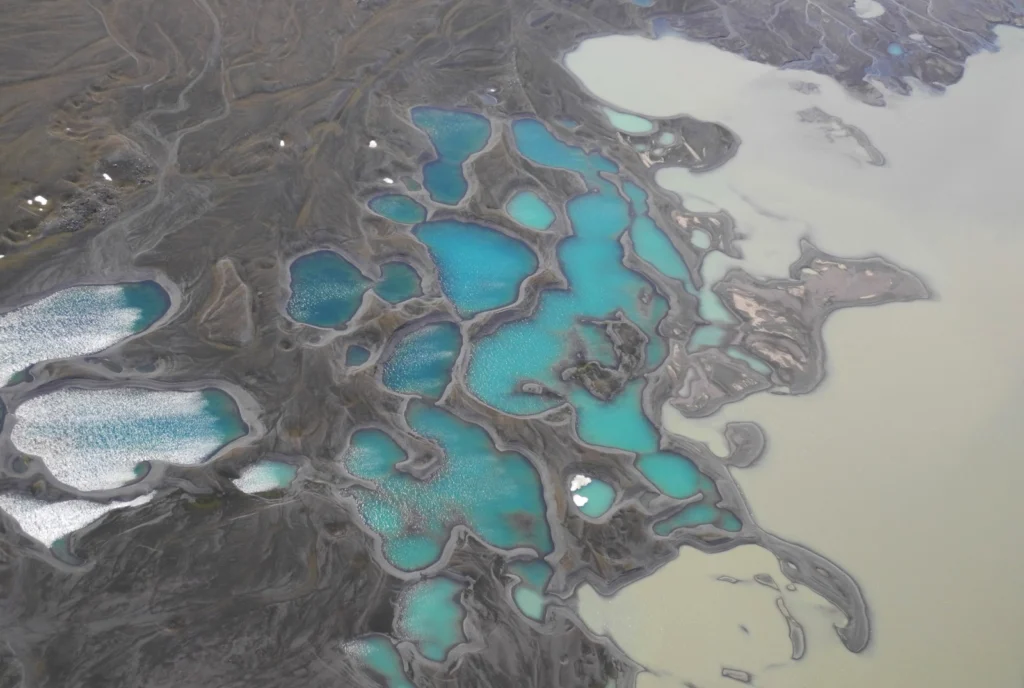
Imaggeo on Mondays: Sediments make the colour
Earth is spectacularly beautiful, especially when seen from a bird’s eye view. This image, of a sweeping pattern made by a river in Iceland is testimony to it. The picture shows river Leirá which drains sediment-loaded glacial water from the Myrdalsjökull glacier in Iceland. Myrdalsjökull glacier covers Katla, one of Iceland’s most active and ice-covered …[Read More]
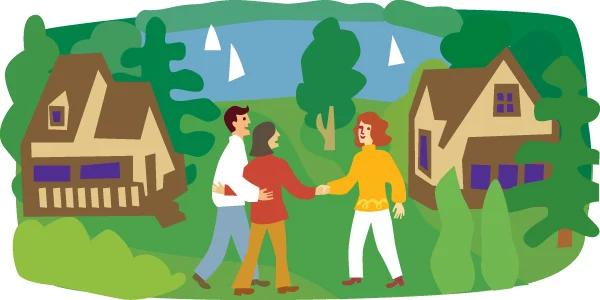
Good groundwater management makes for good neighbors
Post by Samuel Zipper, postdoctoral fellow at both McGill University and the University of Victoria, in Canada. You can follow Sam on Twitter at @ZipperSam. ___________________________________________________________ Dedicated Water Underground readers know that this blog is not just about water science, but also some of the more cultural impacts of groundwater. Keeping in that tradition, today’s post begins …[Read More]
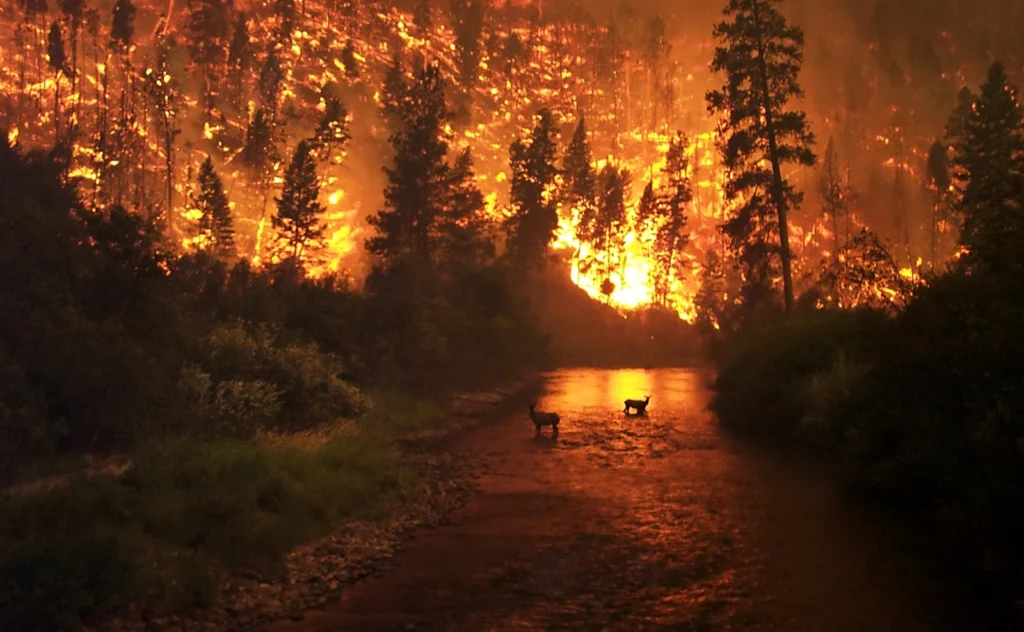
GeoSciences Column: Is smoke on your mind? Using social media to assess smoke exposure from wildfires
Wildfires have been raging across the globe this summer. Six U.S. States, including California and Nevada, are currently battling fierce flames spurred on by high temperatures and dry conditions. Up to 10,000 people have been evacuated in Canada, where wildfires have swept through British Columbia. Closer to home, 700 tourists were rescued by boat from …[Read More]
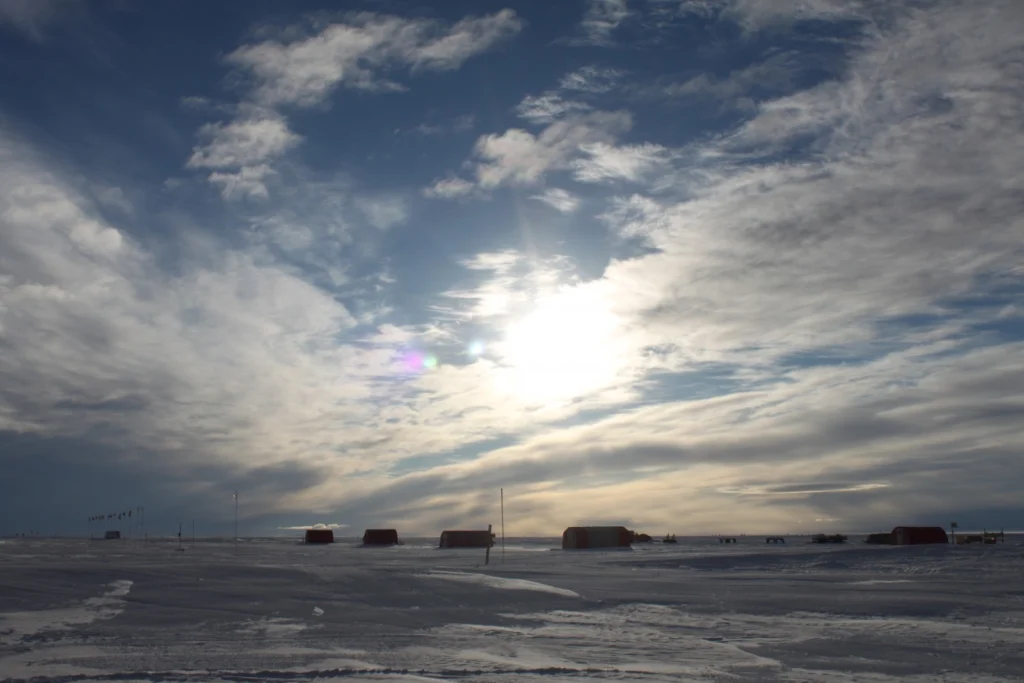
Image of the Week – Summer is fieldwork season at EastGRIP!
As the days get very long, summer is a popular season for conducting fieldwork at high latitudes. At the North East Greenland Ice Stream (NEGIS), the East Greenland Ice-core Project (EastGRIP) is ongoing. Several scientists are busy drilling an ice core through the ice sheet to the very bottom, in continuation to previous years (see …[Read More]