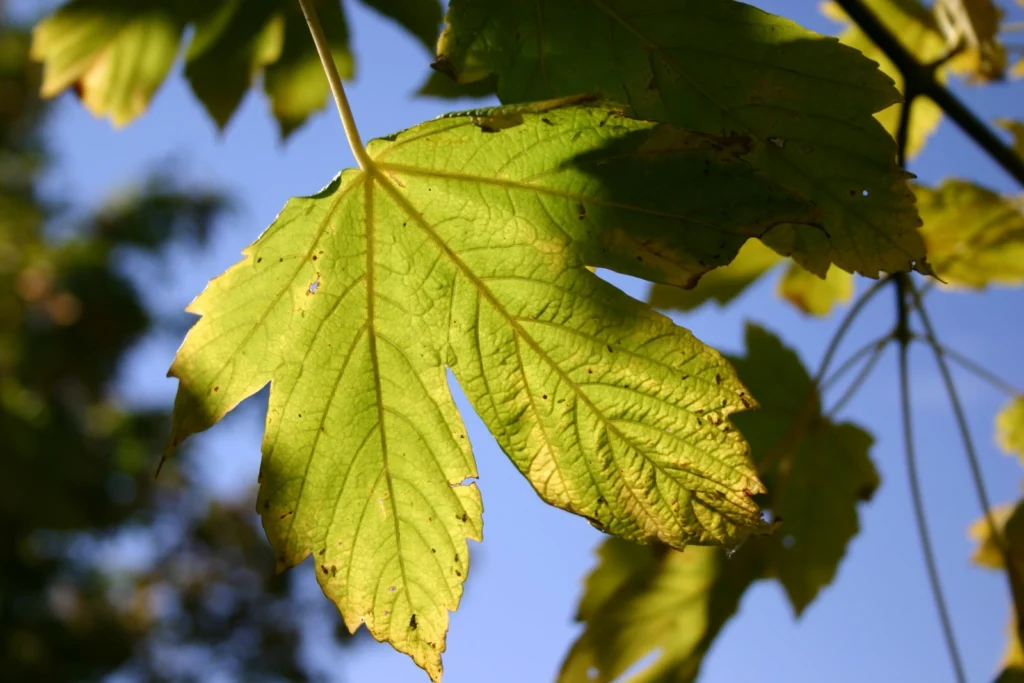
We often read about Earth’s mass extinction events and how they wiped out vast numbers of animal species, leaving survivors to evolve and repopulate the planet. But it’s rarer to hear about how plants managed these catastrophes. A new study published last month by a team at University College Dublin, Ireland, in the journal Nature …[Read More]
Latest posts
Mapping the bottom of the world — an Interview with Brad Herried, Antarctic Cartographer
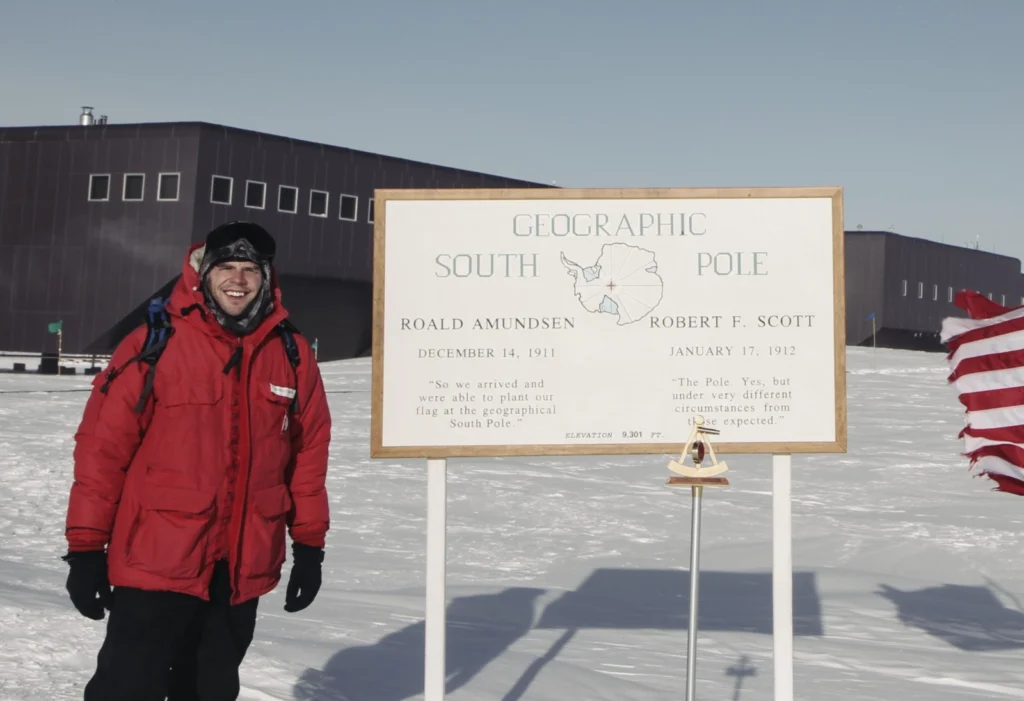
Mapping Earth’s most remote continent presents a number of unique challenges. Antarctic cartographers and scientists are using some of the most advanced mapping technologies available to get a clearer picture of the continent. We asked Brad Herried, a Cartographer and Web Developer at the Polar Geospatial Center at the University of Minnesota, a few questions …[Read More]
Robert Emberson: Soil Erosion and Sustainable Development
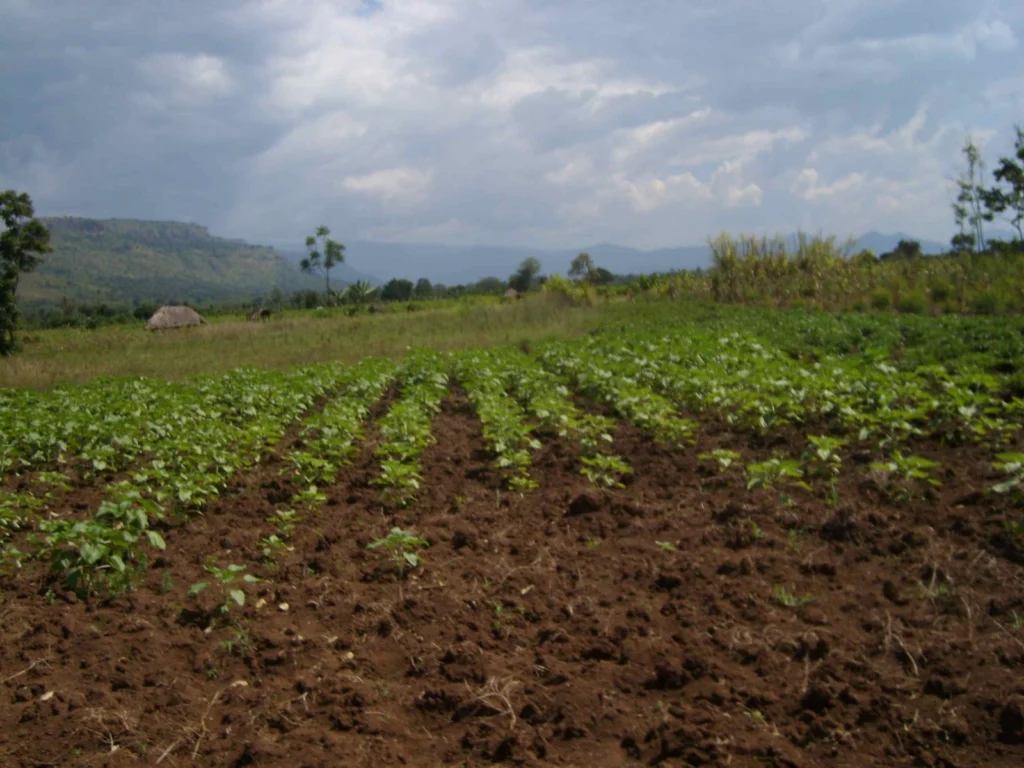
Over the last few weeks we’ve introduced you to some new faces on the GfGD blog, including Robert Emberson, Heather Britton and Jesse Zondervan. Today, Robert (based in Victoria, Canada) writes on the connections between soil erosion and sustainable development, and poses the question – is soil one of our most threatened resources? When we …[Read More]
Poster presentation tips
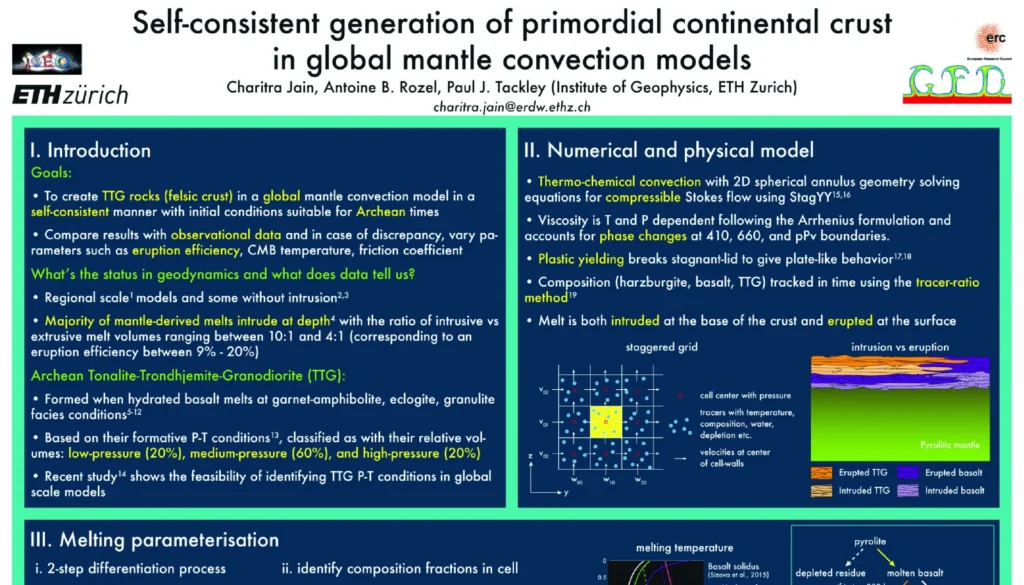
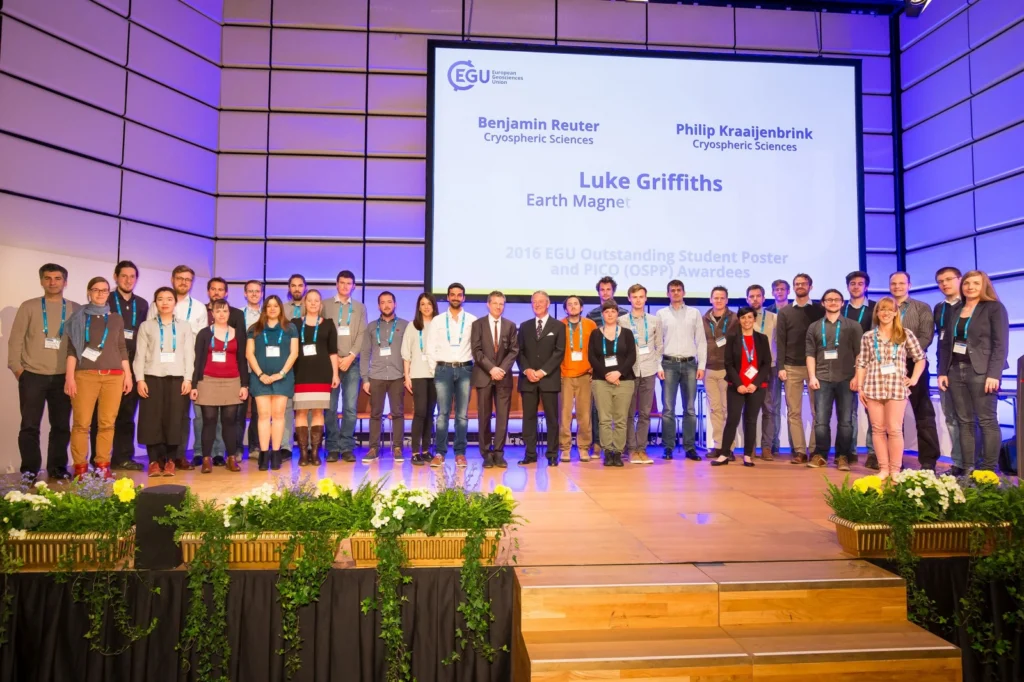
Being a scientist is more than just doing research and science. You also need to be able to communicate your findings to your peers and/or the general public (outreach). At conferences, you usually have two options for presenting your work: a talk or a poster (although at EGU, you also have the PICO sessions). A …[Read More]
EGU announces 2018 awards and medals
From 8th to the 14th October a number of countries across the globe celebrate Earth Science Week, so it is a fitting time to celebrate the exceptional work of Earth, planetary and space scientist around the world. Yesterday, the EGU announced the 49 recipients of next year’s Union Medals and Awards, Division Medals, and Division …[Read More]
Imaggeo on Mondays: The unique bogs of Patagonia
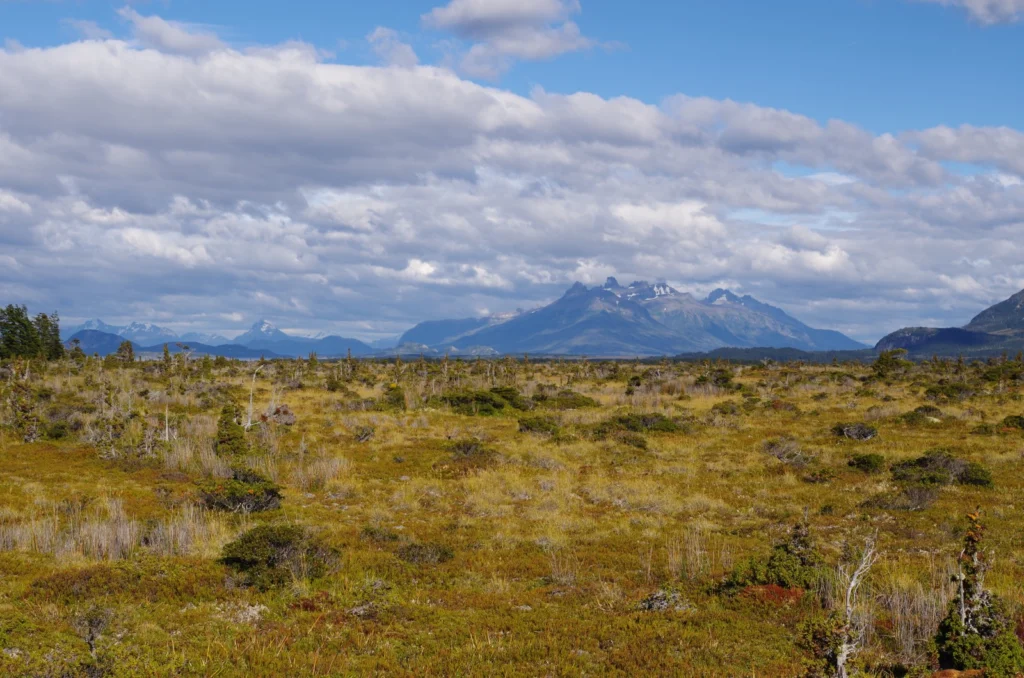
Patagonia, the region in southernmost tip of South America, is as diverse as it is vast. Divided by the Andes, the arid steppes, grasslands and deserts of Argentina give way to the temperate rainforests, fjords and glaciers of Chile. Also on the Chilean side are rolling hills and valleys of marshy topography: Patagonia’s bogs. Today, …[Read More]
Heather Britton: India’s Energy-Climate Dilemma
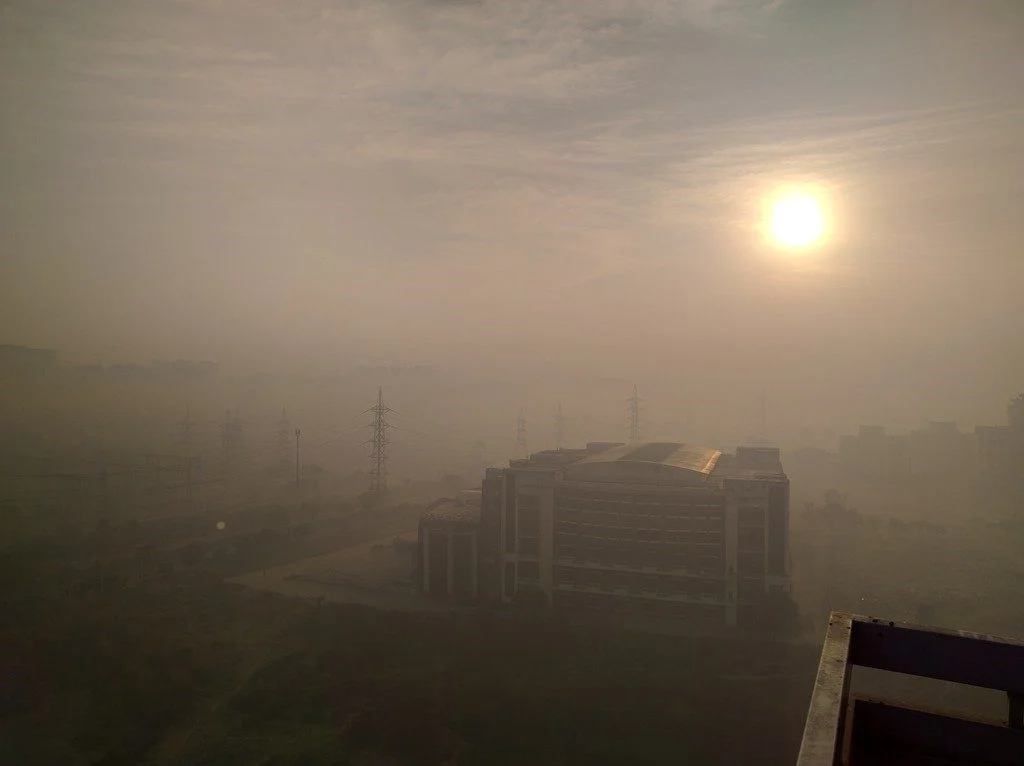
Heather Britton is one of our new writers, today reporting on a summary of this paper by Andrew J Apostoli and William A Gough, covering the difficulties of pursuing reduced greenhouse gas emissions whilst fuelling one of the largest populations on the planet – India. The actions of this country are contributing to the eventual …[Read More]
Video: Why and how I communicate on social and traditional media, and some mistakes I made along the way…
Display "Why and how I communicate on social and traditional media, and some mistakes along the way…" from Vimeo Click here to display content from Vimeo. Please enable JavaScript in your browser to load this content. Always display content from Vimeo Open "Why and how I communicate on social and traditional media, and some mistakes …[Read More]
Image of the Week – The true size of Greenland
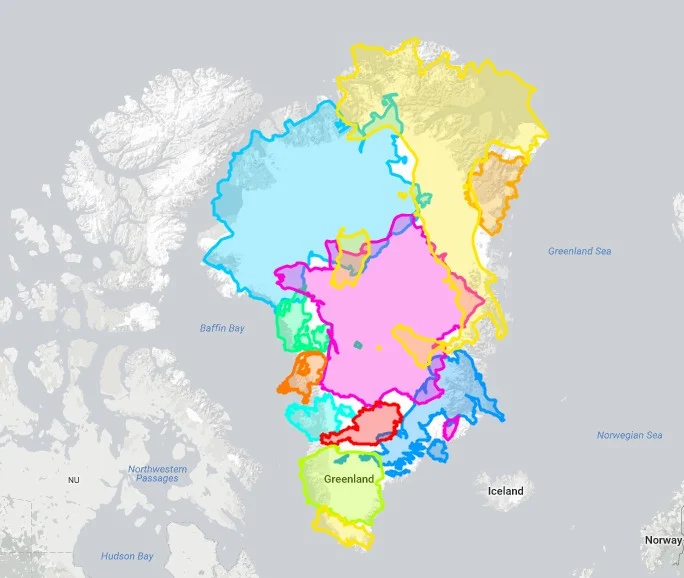
Greenland is a critical part of the world, which is regularly covered on this blog, because it hosts the second largest ice body on Earth – the Greenland Ice Sheet. This ice sheet, along with its small peripheral ice caps, contributes by 43% to current sea-level rise. However, despite being the world’s largest island Greenland, …[Read More]
New Paper: Geoscience Engagement in Global Development Frameworks
We have recently contributed to a new open access article included in a special volume coordinated by the International Association for Promoting Geoethics (IAPG). This article, synthesises the role of geoscientists in the delivery of the UN Sustainable Development Goals, the Sendai Framework for Disaster Risk Reduction, and the Paris Climate Change Agreement, and discusses ways in …[Read More]