EGU Blogs

Latest posts

GD

The lost Tethyan seaways: A deep-Earth and deep-time perspective on eastern Tethyan tectonics

The lost Tethyan seaways: A deep-Earth and deep-time perspective on eastern Tethyan tectonics

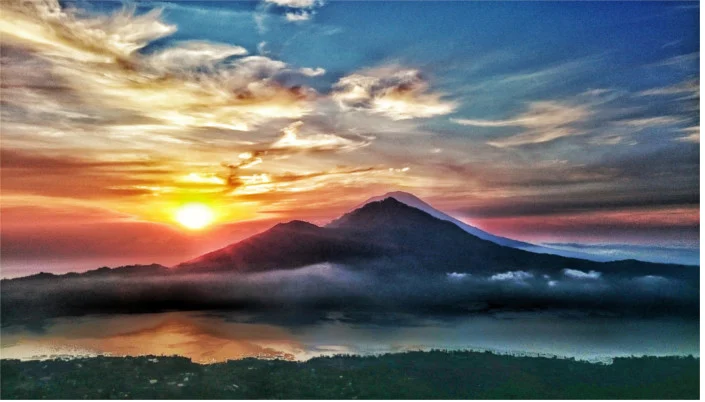
Every 8 weeks we turn our attention to a Remarkable Region that deserves a spot in the scientific limelight. Following from the first entry which showcased the Eastern Mediterranean, we move further east, and back in time, to the realm of the Tethys. The post is by postdoctoral researcher Sabin Zahirovic of the EarthByte Group and Basin …[Read More]

BG

Identification of past methane emission altering the foraminiferal tests by secondary overgrowth of calcium carbonate.

Identification of past methane emission altering the foraminiferal tests by secondary overgrowth of calcium carbonate.

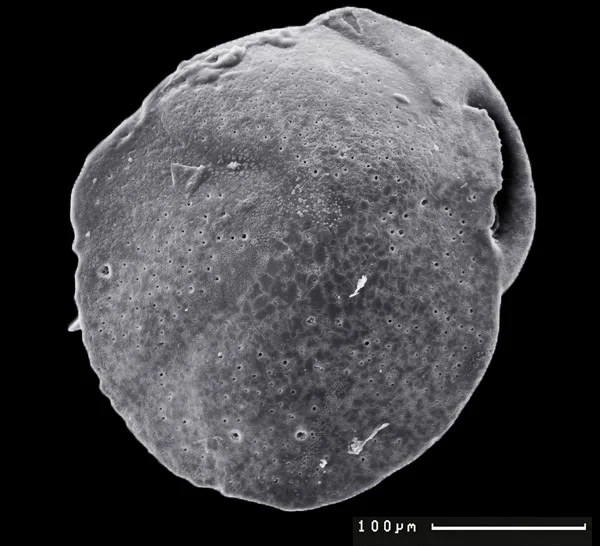
Ever heard about foraminifera? These tiny benthic (living at the seafloor) marine organisms are common in oceans across the globe and can be used to accurately give relative dates to sedimentary rocks. But we can also use them to identify past methane emissions from the seabed by studing their test or shell!   The measurements were …[Read More]

CR

Image of the Week: Petermann Glacier

Image of the Week: Petermann Glacier

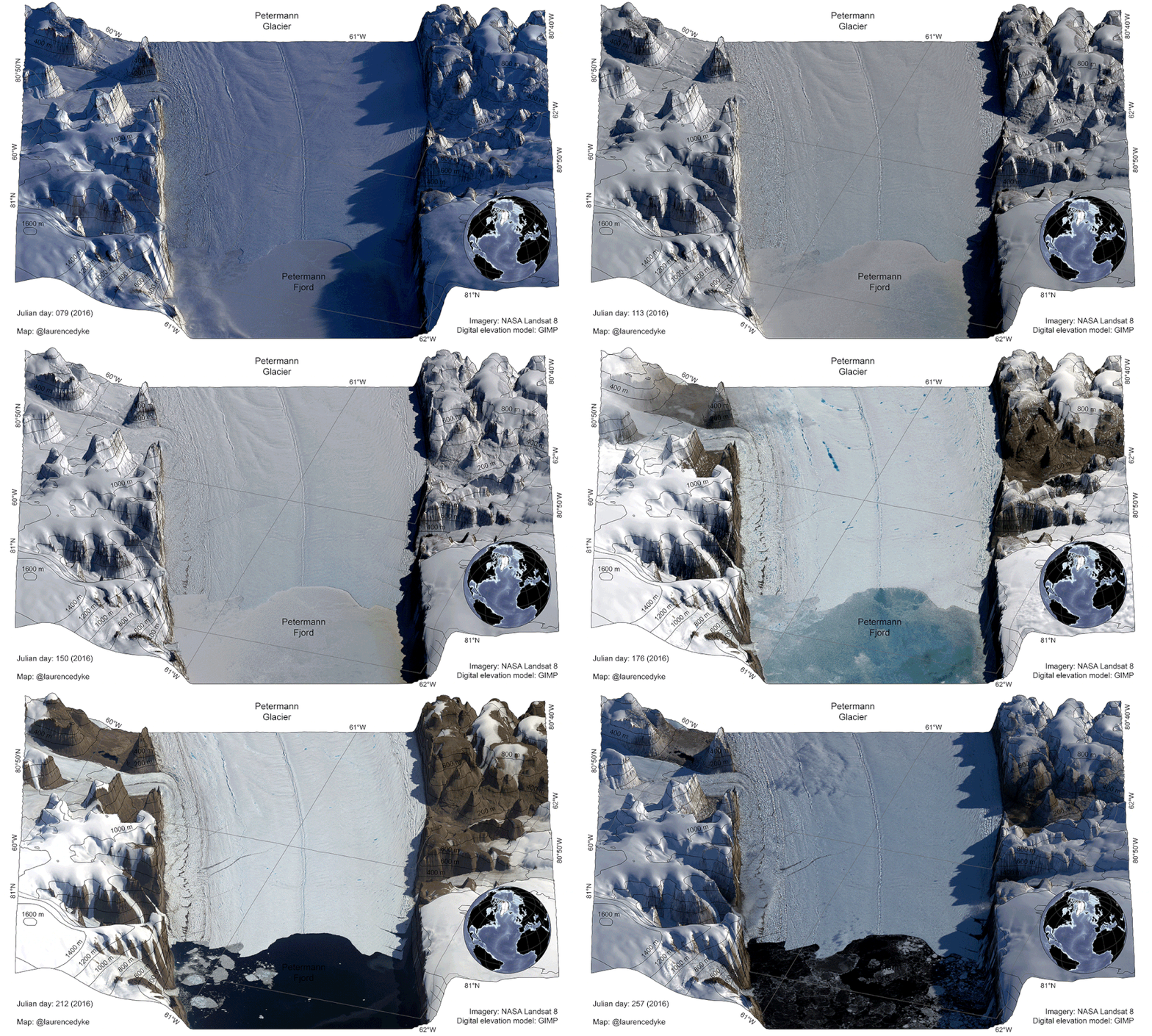
Our image of the week shows the area around the calving front of Petermann Glacier through the spring, summer, and autumn of 2016. Petermann Glacier, in northern Greenland, is one of the largest glaciers of the Greenland Ice Sheet. It terminates in the huge Petermann Fjord, more than 10 km wide, surrounded by 1000 m …[Read More]

Western water wells are going dry

Western water wells are going dry

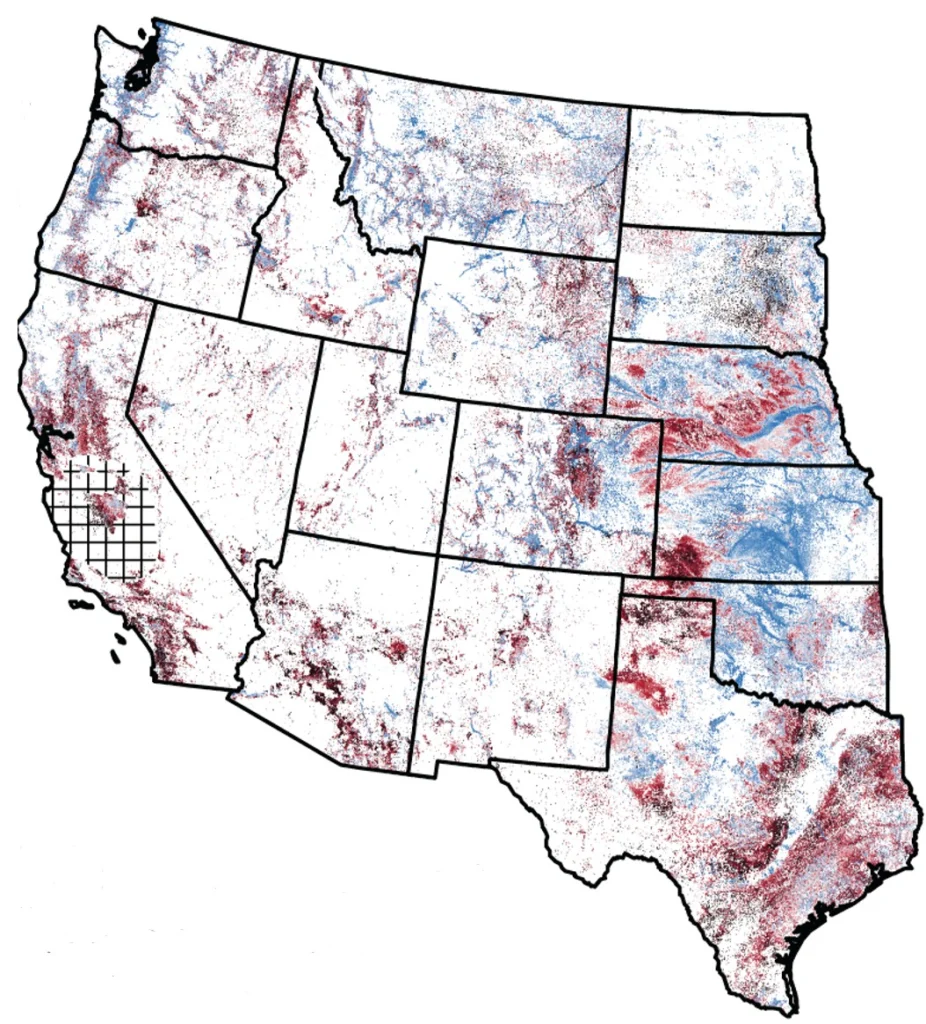
Post by Scott Jasechko, Assistant Professor of Water Resources at the University of Calgary, in Canada, and by Debra Perrone, Postdoctoral Research Scholar at Stanford University, in the United States of America. __________________________________________________ Wells are excavated structures, dug, drilled or driven into the ground to access groundwater for drinking, cleaning, irrigating, and cooling. We recently mapped groundwater wells across …[Read More]