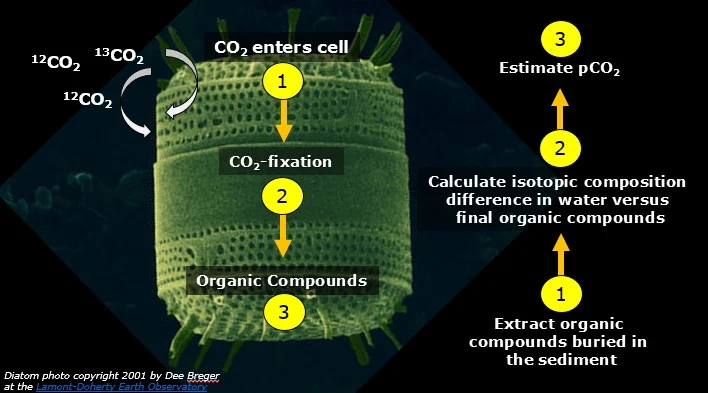
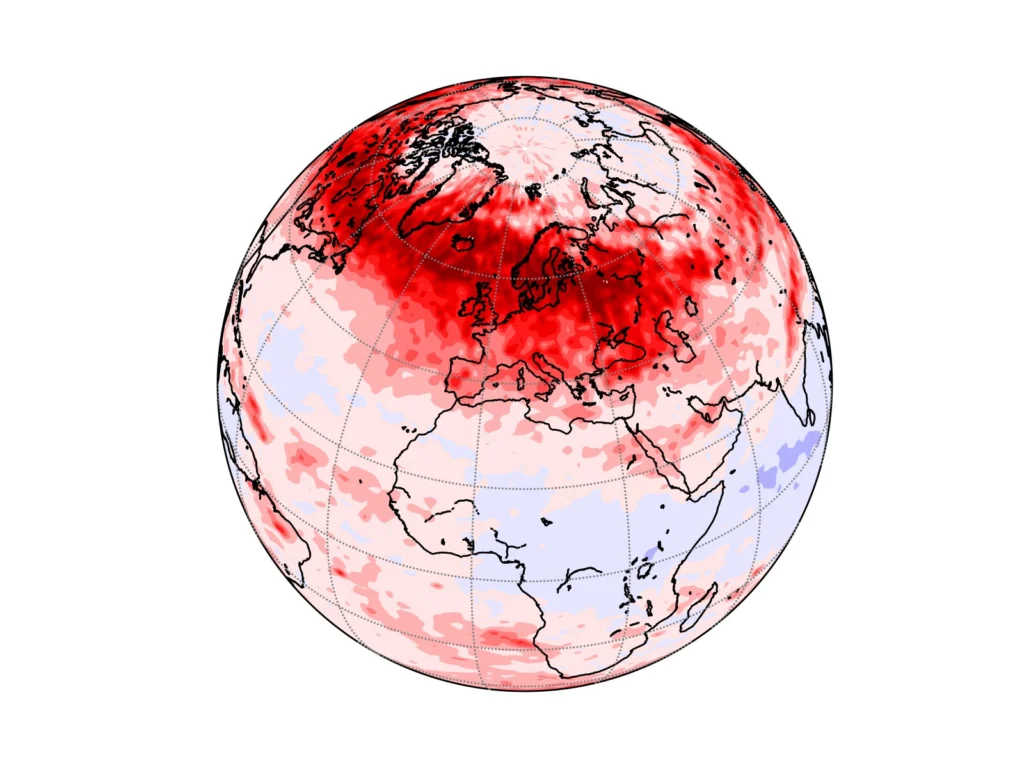
Name of proxy Phytane, a compound resulting from the degradation of Chlorophyll-a (Chl a), a green pigment in plants and algae that is involved in photosynthesis Type of record Atmospheric carbon dioxide concentrations Paleoenvironment Marine sediments and oils Period of time investigated Phanerozoic (last 540 million years) How it works Before we can start predicting …[Read More]
Latest posts
Imaggeo on Mondays: One of the oldest evergreen rainforests in the world
A blazing sky and shimmers cast by water ripples frame the spectacular beauty of one of the world’s oldest treasures: an evergreen rainforest in Thailand. Today’s featured image was captured by Frederik Tack, of the Institute for Space Aeronomy in Brussels. This picture was taken during sunset between the limestone mountains with the sunlight reflecting on …[Read More]
Strengthening Early Career Scientists (ECS) in EGU ESSI
The number of presentations from ECS in the ESSI sessions has been low during recent EGU General Assemblies. We are hence currently trying to get greater involvement and recognition for the ECS in the ESSI Division. How to get involved as ECS in the ESSI division? Join the ESSI ECS mailing list We have a …[Read More]
Join us at EGU 2018: Call-for-abstracts is now open!
From now, up until 10 January 2018, you can submit your abstract for the upcoming EGU General Assembly (EGU 2018). In addition to established scientists, PhD students and other early career researchers are welcome to submit abstracts to present their research at the conference. Further, the EGU encourages undergraduate and master students to submit abstracts …[Read More]
Groundwater organic matter: carbon source or sink?
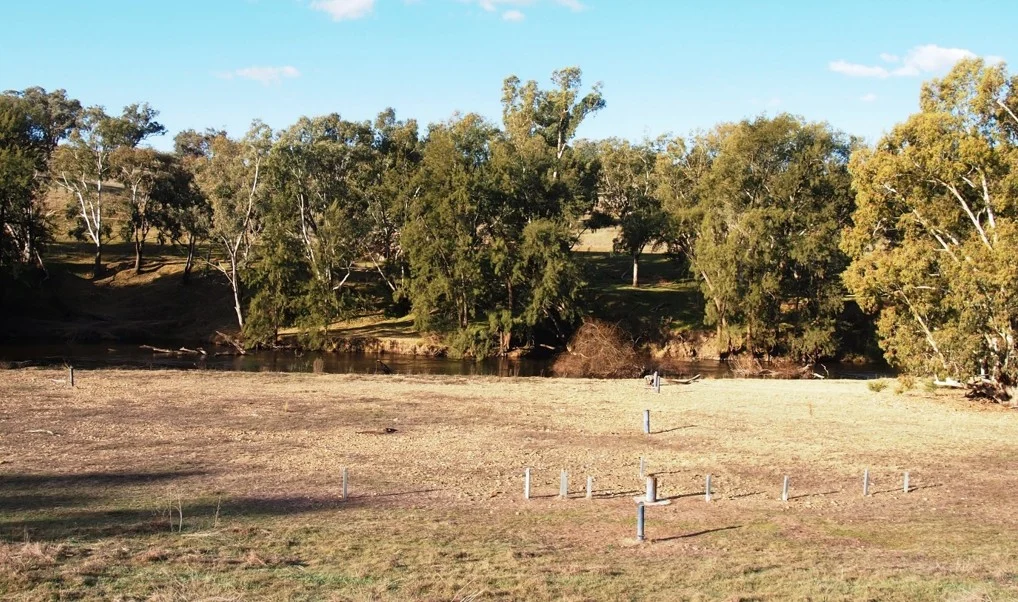
Post by Andy Baker, Professor researching groundwater, caves, past climate, organic carbon and more at the University of New South Wales, in Australia. __________________________________________________ We know a lot about the carbon cycle, right? Increased carbon dioxide emissions since the Industrial Revolution have perturbed the carbon cycle. This has led to rising atmospheric carbon dioxide levels and …[Read More]
Cargèse Earthquake Summer School 2017
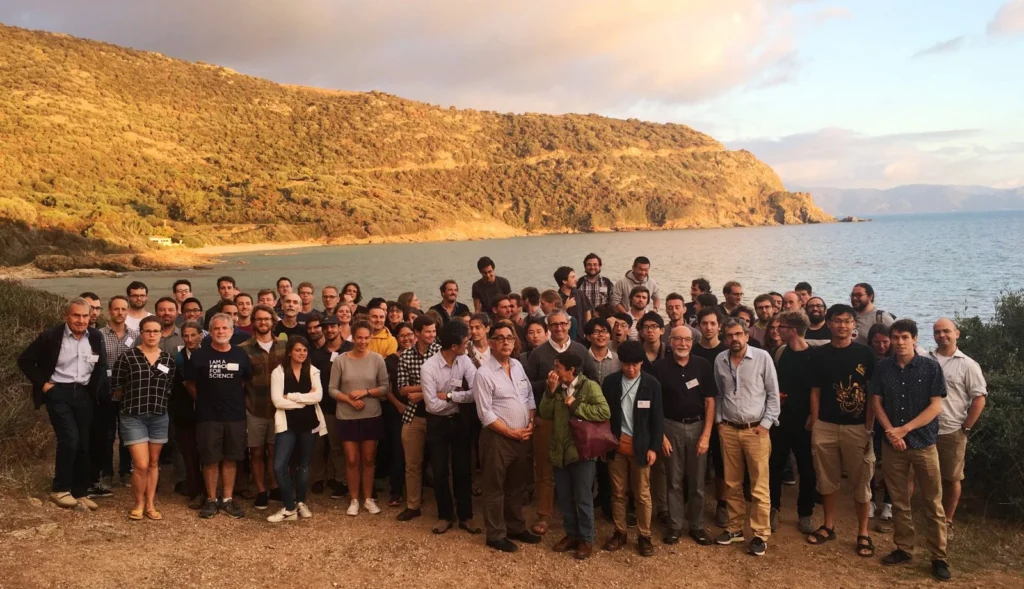
Earthquakes: nucleation, triggering, rupture, and relationships to aseismic processes – 2-6 October 2017, Cargèse (Corsica) A summer school in October, isn’t that a bit late? Well, not if it is held in Cargèse, a small town at the coast of Corsica! After a successful first edition in 2014, scientists from all over the world gathered again …[Read More]
Image of the Week – Karthaus Summer School 2017
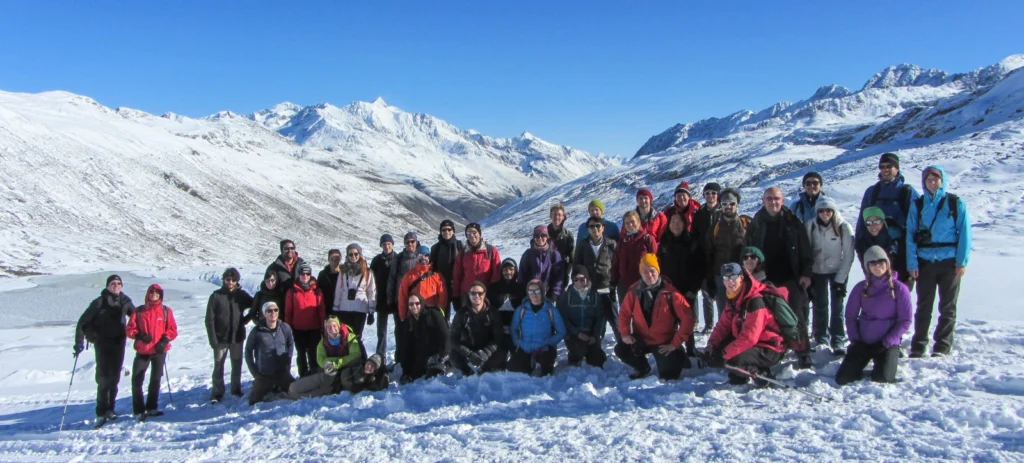
Glaciologists often undertake fieldwork in remote and difficult to access locations, which perhaps explains why they happily travel to similar locations to attend meetings and workshops. The Karthaus Summer School, which focuses on Ice Sheets and Glaciers in the Climate System, is no exception. The idyllic village of Karthaus, located in the narrow Schnalstal valley …[Read More]
Introducing Our New Authors (4) – Bárbara Zambelli Azevedo
We’ve been introducing you to a couple of new faces on the GfGD blog, bringing fresh ideas and perspectives on topics relating to geoscience and sustainable development. We’re delighted to have their input, and look forward to their posts. Today we interview the final of our four new recruits, Bárbara Zambelli Azevedo. Hello! Could you …[Read More]
We are hiring: be our next Communications Officer!
Do you have an interest in the Earth, space and planetary sciences and love blogging and using social media channels to communicate that passion? Then our latest job opening might be just right for you! We are looking for a Communications Officer to work with the EGU Media and Communications Manager in maintaining and further …[Read More]
Buckle up! Its about to get bumpy on the plane.
Clear-Air Turbulence (CAT) is a major hazard to the aviation industry. If you have ever been on a plane you have probably heard the pilots warn that clear-air turbulence could occur at any time so always wear your seatbelt. Most people will have experienced it for themselves and wanted to grip their seat. However, severe …[Read More]