EGU Blogs

Latest posts

GM

Time to travel – the ERASMUS program turns 30 this year
Time to travel – the ERASMUS program turns 30 this year
The mobility program of the European Union, named after Erasmus of Rotterdam who studied in different places all over Europe, turns 30 this year. I wanted to take this opportunity to promote this great possibility for gathering international experience and getting insights into the teaching and research skills of our European colleagues. The ERASMUS program, …[Read More]

GD

Going with the toroidal mantle flow

Going with the toroidal mantle flow

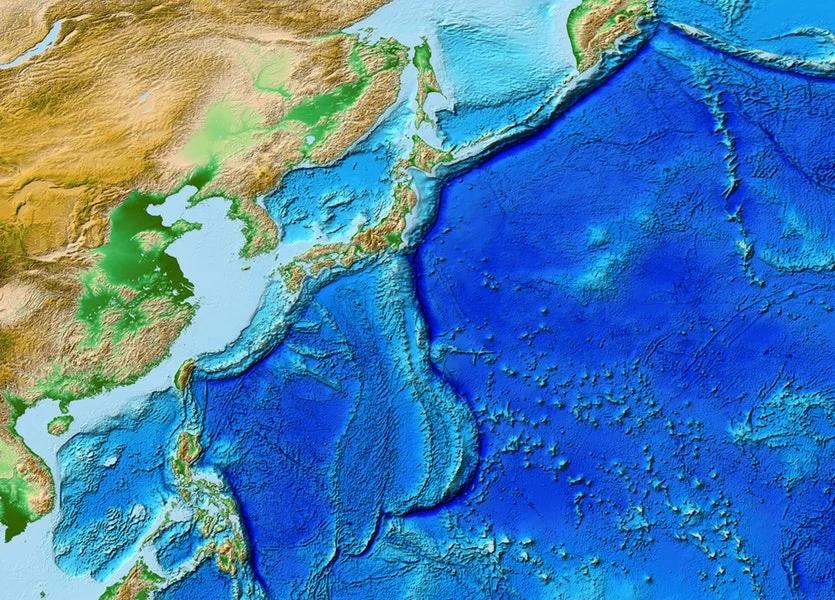
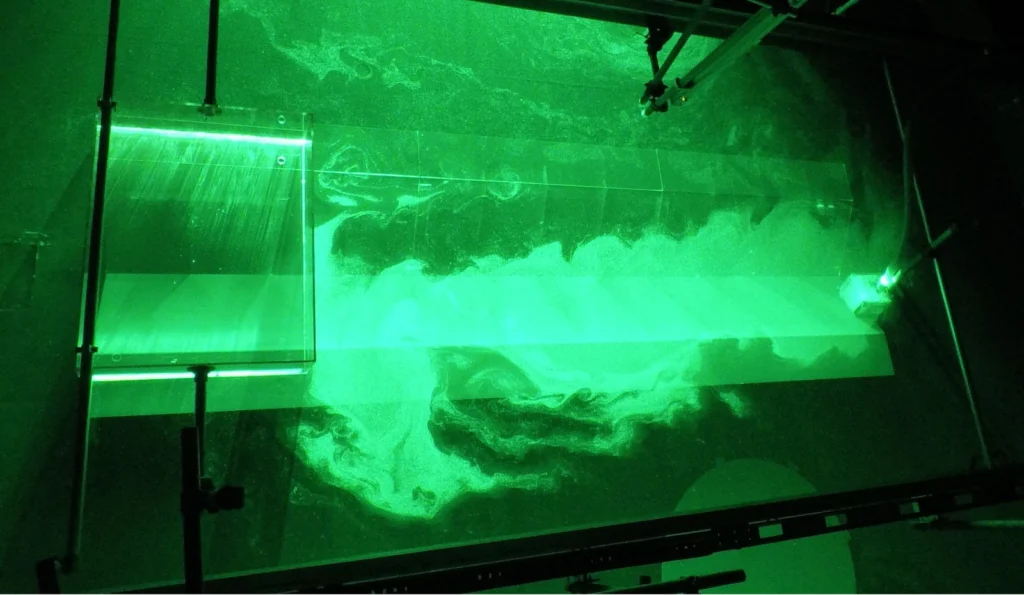
Subduction zones host one of the most complex and fascinating tectonic systems on the planet. Numerical models by Király and colleagues recently published in Earth and Planetary Science Letters reveal that the strength of the toroidal flow depends on the mantle viscosity and the magnitude of the slab pull force while the characteristic size of …[Read More]

Imaggeo on Mondays: Ice forming on Chesapeake Bay

Imaggeo on Mondays: Ice forming on Chesapeake Bay

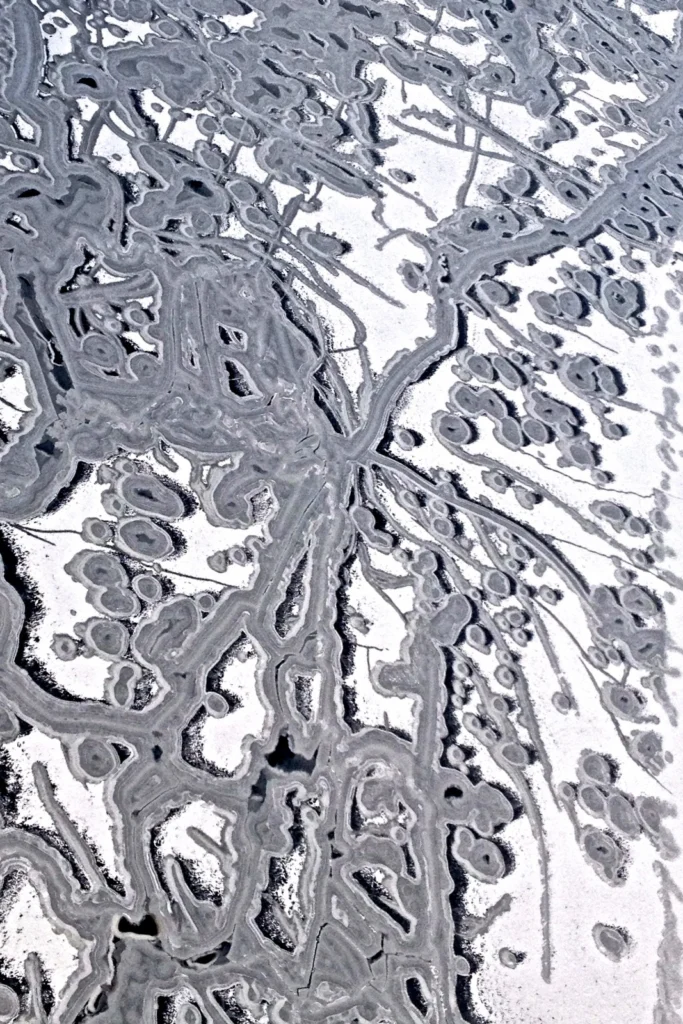
Sandwiched between the U.S states of Mayland, Delaware, Pennsylvania, New York State, the District of Columbia and Virginia, lies Chesapeake Bay, the largest estuary in North America. It is of huge ecological importance: “the bay, its rivers, wetlands and forests provide homes, food and protection for countless animals and plants”, says the Chesapeake Bay Program. …[Read More]

Jesse Zondervan’s #GfGDPicks (Oct 2017): Tsunami risk in Geneva, storms in Mumbai, floating runways in Fiji, a river with legal rights, #SciComm

Jesse Zondervan’s #GfGDPicks (Oct 2017): Tsunami risk in Geneva, storms in Mumbai, floating runways in Fiji, a river with legal rights, #SciComm

Each month, Jesse Zondervan picks his favourite posts from geoscience and development blogs/news, relevant to the work and interests of  Geology for Global Development . Here’s a round-up of Jesse’s selections for the past two weeks: If you thought we were safe from Tsunamis in Europe, think again. I was surprised to find out Geneva …[Read More]

GeoTalk: Hellishly hot period contributed to one of the most catastrophic mass extinctions of Earth’s history

GeoTalk: Hellishly hot period contributed to one of the most catastrophic mass extinctions of Earth’s history

Geotalk is a regular feature highlighting early career researchers and their work. Following the EGU General Assembly, we spoke to Yadong Sun, the winner of a 2017 Arne Richter Award for Outstanding Early Career Scientists, about his work on understanding mass-extinctions. Using a unique combination of sedimentological, palaeontological and geochemical techniques Yadong was able to …[Read More]

GD

Planting seeds of deformation in numerical models

Planting seeds of deformation in numerical models

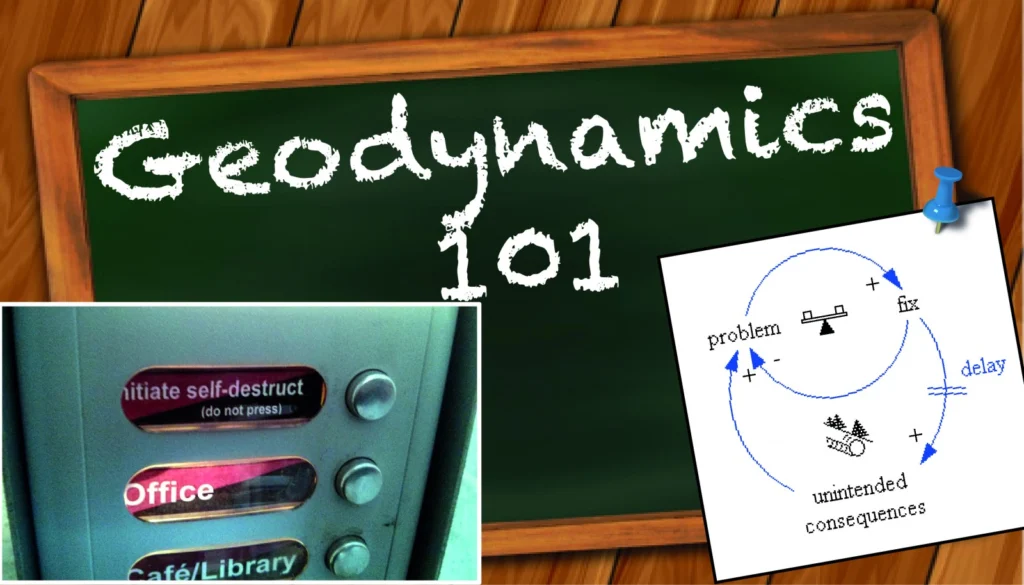
The Geodynamics 101 series serves to showcase the diversity of research topics and methods in the geodynamics community in an understandable manner. We welcome all researchers – PhD students to Professors – to introduce their area of expertise in a lighthearted, entertaining manner and touch upon some of the outstanding questions and problems related to …[Read More]

Geoscience communication: A smart investment

Geoscience communication: A smart investment

In this post, originally published in June 2017 on the blog of the Geological Society of America (GSA), Terri Cook, a science and travel writer and former winner of the EGU’s Science Journalism Fellowship, argues the importance of quality science communication as a means for scientists to make their research accessible to a broad audience. …[Read More]