
Display "Following Carbon Dioxide Through the Atmosphere" from YouTube Click here to display content from YouTube. Learn more in YouTube’s privacy policy (opens in a new tab). Please enable JavaScript in your browser to load this content. Always display content from YouTube Open "Following Carbon Dioxide Through the Atmosphere" directly Carbon dioxide plays a significant …[Read More]
Latest posts
The jelly sandwich lithosphere: elastic bread, the jelly, and gummy bears
The Geodynamics 101 series serves to showcase the diversity of research topics and methods in the geodynamics community in an understandable manner. We welcome all researchers – PhD students to Professors – to introduce their area of expertise in a lighthearted, entertaining manner and touch upon some of the outstanding questions and problems related to …[Read More]
Eyes on the Sun
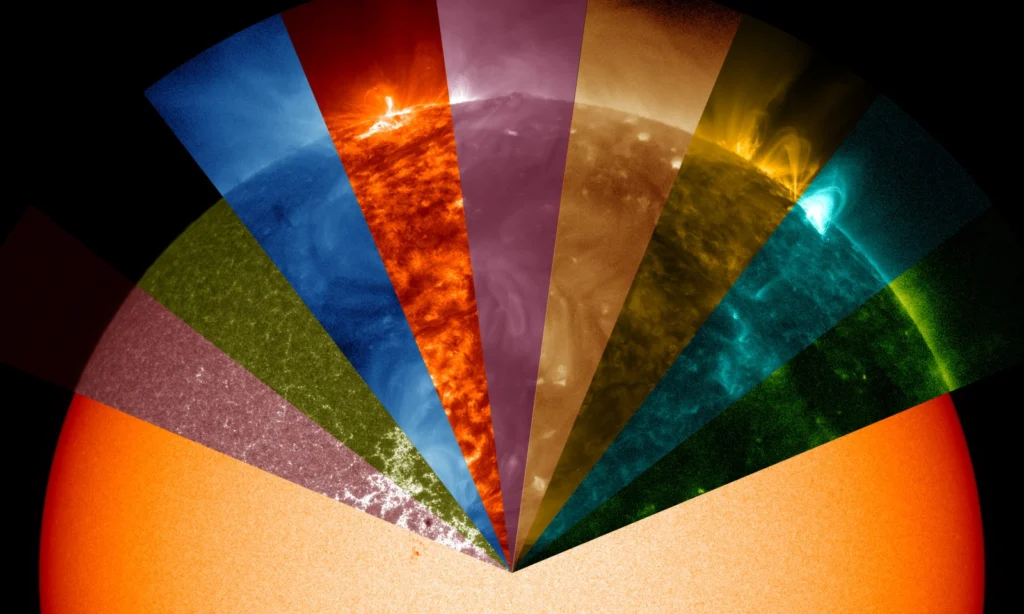
The Sun is a complex, dynamic ball of plasma which influences our lives. Studying the Sun is challenging because each of its layers have different composition, physics and wavelengths of emssion. Moving outwards from the photosphere (visible surface of the Sun), we have the chromosphere and the corona (hottest outermost layer). The solar plasma is …[Read More]
Where does the water in streams come from when it rains?
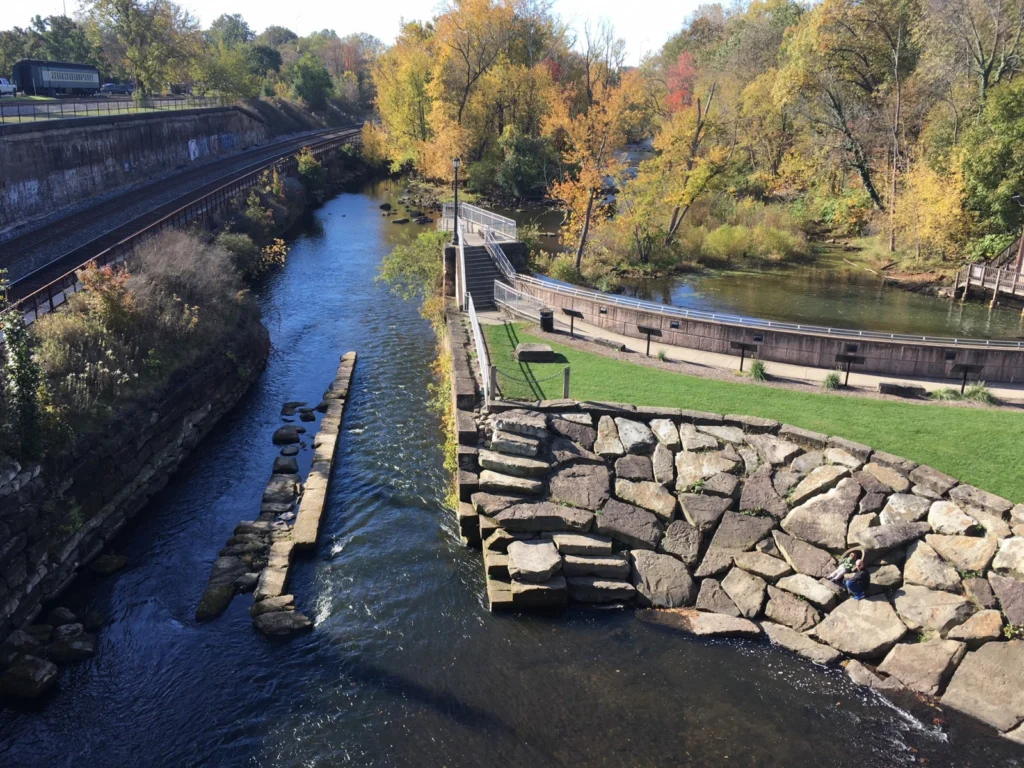
Post by Anne Jefferson, associate professor in the Department of Geology at Kent State University, in the United States. __________________________________________________ The title of this blog post might seem like a question with an obvious answer, or even a silly question to pose on a blog devoted to groundwater, but if you don’t see the connection between …[Read More]
Bárbara Zambelli Azevedo: Urban Geology and Underground Urbanisation
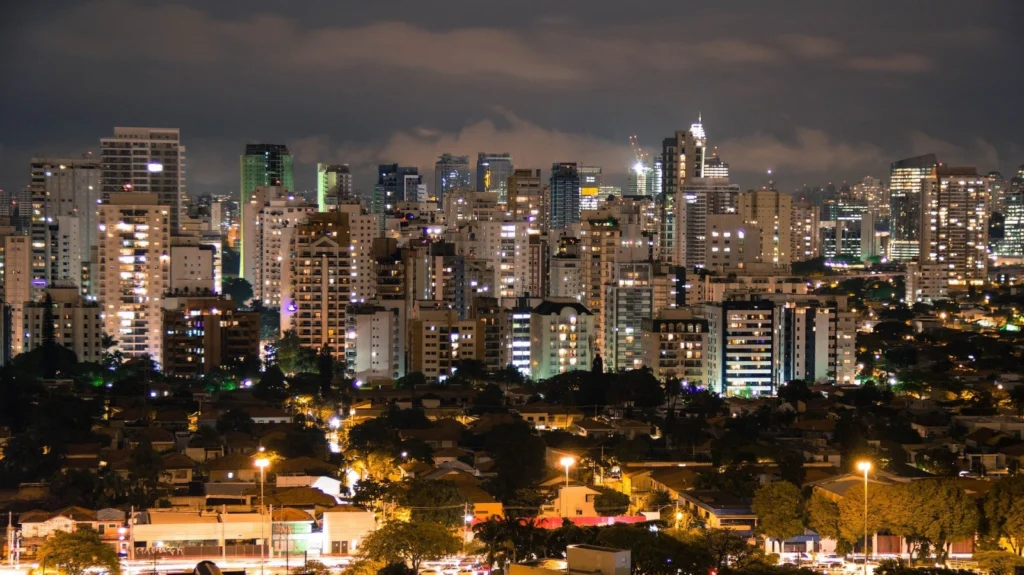
Today is World Cities Day, and the week of our annual conference exploring the role of geoscience in sustainable cities. To mark these events, our newest contributor, Bárbara, writes on urban geology and underground urbanisation. Underground urbanisation is not a brand new topic, it has been discussed for more than 100 hundred years! But, why is it important to …[Read More]
Imaggeo on Mondays: Magnetic interaction
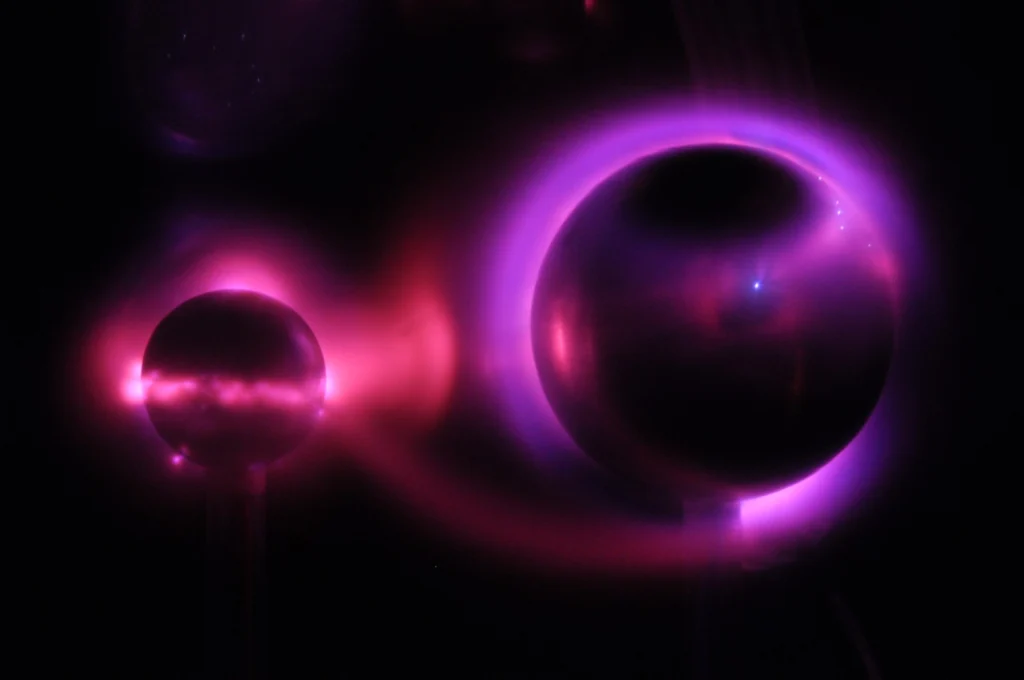
Space weather is a ubiquitous, but little known, natural hazard. Though not as tangible as a volcanic eruption, storm or tsunami wave, space weather has the potenital to cause huge economic losses across the globe. In Europe alone, the interaction of solar wind with our planet’s magnetosphere, ionosphere and thermosphere, could lead to disrutions to …[Read More]
GfGD Annual Conference 2017 – Cities and Sustainable Development

Since the Sustainable Development Goals were agreed in 2015, Geology for Global Development has been at the forefront of mobilising and equipping the geoscience community to engage and make a positive contribution. In 2015, we organised the first major gathering of geologists/Earth scientists anywhere in the world to explore our role in delivering the UN …[Read More]
GeoPolicy: The importance of scientific foresight
Many of the issues that society currently faces are complex and research on just one angle or area does not provide sufficient information to address the problem. These challenges are compounded when more than one region (or even the entire planet) is impacted. Many of the decisions and legislations passed by governments today will go …[Read More]
Understanding the role of microbes in cold seep habitats
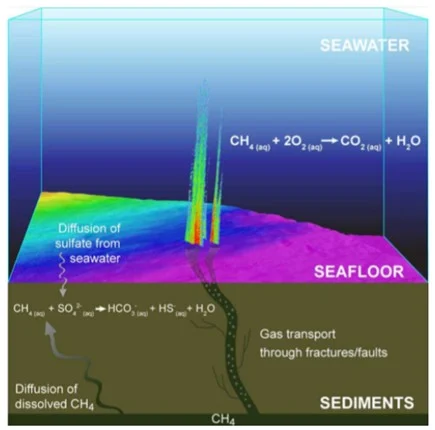
A cold seep is an area of the ocean seafloor where hydrogen sulfide, methane and other hydrocarbon-rich fluid seepage occurs. These parts of the ocean floor still remain a large mystery for scientists, in particular for the occurence of hydrothermal vents. In between these vents, microbes live that play a role in the local and global carbon budget. However their exact role …[Read More]
Image of the Week – Of comparing oranges and apples in the sea-ice context
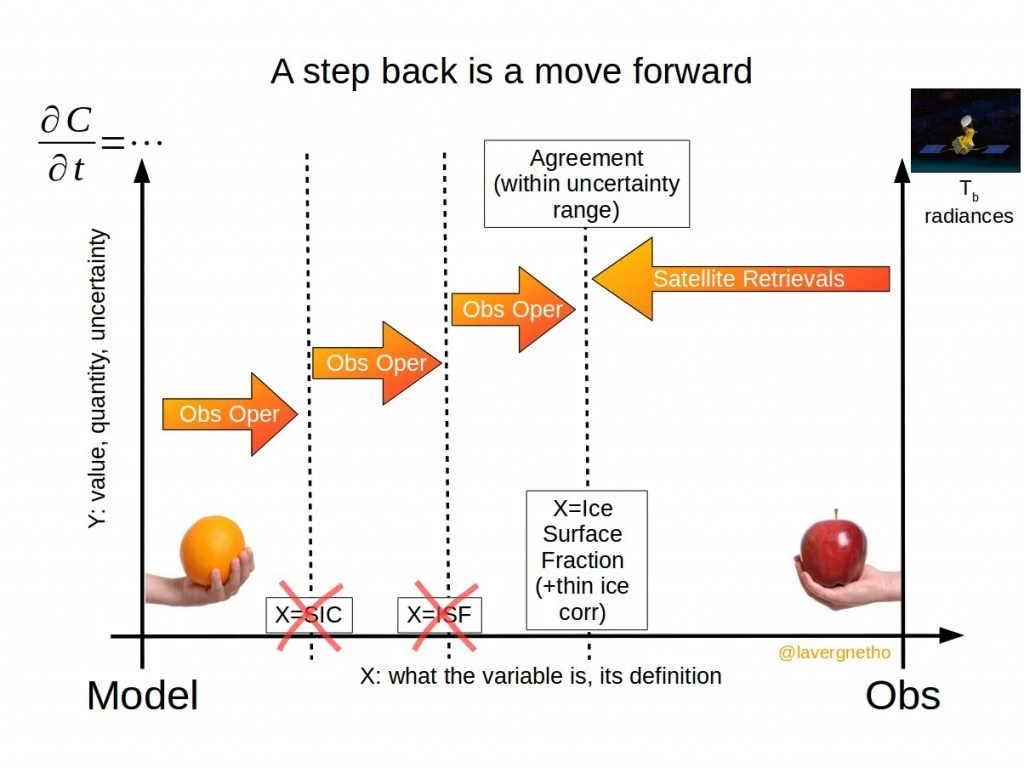
In the last fifty years, models and observations have enabled us to better understand sea-ice processes. On the one hand, global climate models have been developed, accounting for the sea-ice component in the climate system. On the other hand, satellite instruments have been developed to monitor the “real” sea-ice evolution. These satellite observations are often …[Read More]