EGU Blogs

Latest posts

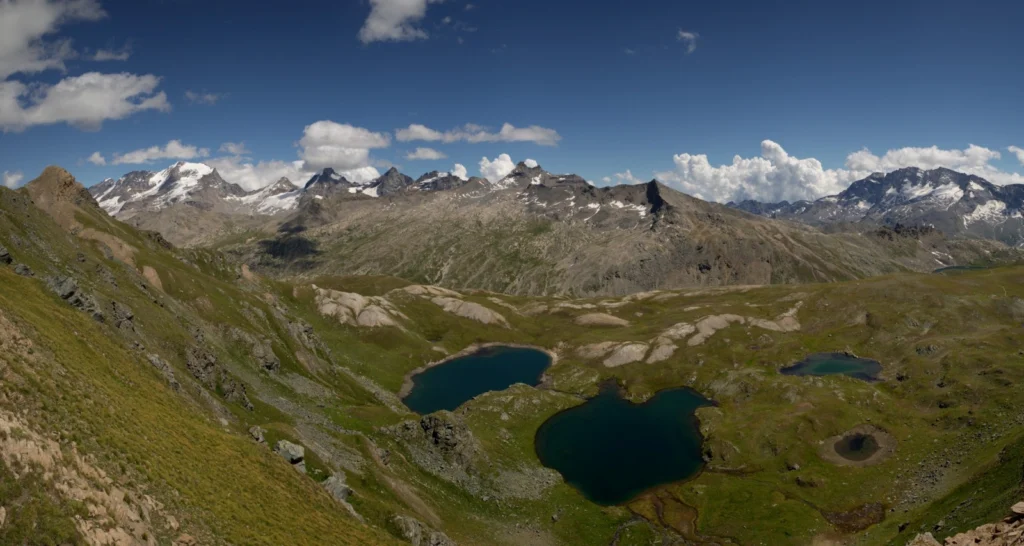
Jesse Zondervan’s #GfGDPicks (Nov 2017): How did people in ancient times fare during climate changes? Should we use geoengineering? #SciComm

Jesse Zondervan’s #GfGDPicks (Nov 2017): How did people in ancient times fare during climate changes? Should we use geoengineering? #SciComm

Each month, Jesse Zondervan picks his favourite posts from geoscience and development blogs/news, relevant to the work and interests of  Geology for Global Development . Here’s a round-up of Jesse’s selections for the past month: How successful were people in the Neolithic and ancient times in adapting to climate change? Two contrasting stories emerged this month: A new study …[Read More]

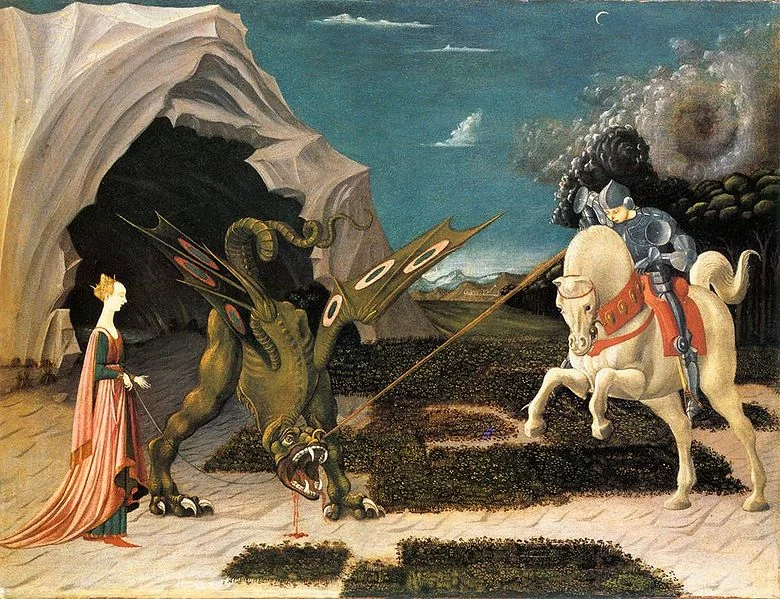
Robert Emberson: Geomythology – Why understanding cultural traditions of landscape are important for sustainable development

Robert Emberson: Geomythology – Why understanding cultural traditions of landscape are important for sustainable development

Every culture has myths and legends about their native lands. Before we understood the geological forces that forced up great ranges of mountains or sculpted barren deserts, humans needed an explanation for the scale and majesty of natural phenomena. Stories of deities inhabiting volcanoes, or angry gods shaking the very ground upon which people lived, …[Read More]

What’s new for the 2018 General Assembly?

What’s new for the 2018 General Assembly?

Along with our conference organisers, Copernicus, we aim to improve the experience of General Assembly attendees year on year. Following feedback from participants in 2017, we’ll introduce some changes we hope will make the 2018 edition of our meeting even better! This post highlights a few of the changes that returning participants will notice at …[Read More]

GeoSciences Column: The dirty business of shipping goods by sea

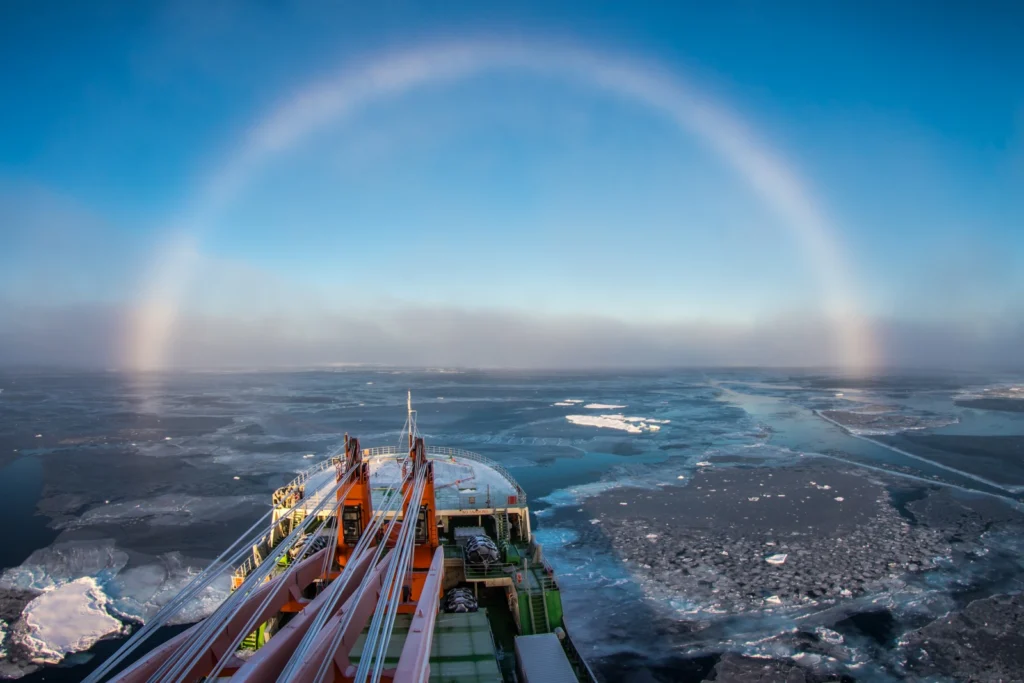
“Above the foggy strip, this white arch was shining, covering one third of the visible sky in the direction of the ship's bow,” he explains. “It was a so-called white, or fog rainbow, which appears on the fog droplets, which are much smaller then rain droplets and cause different optic effects, which is a reason of its white colour.”

Shipping goods across the oceans is cost-effective and super-efficient; that’s why over 80% of world trade is carried by sea (according to the International Maritime Organisation). But the shipping industry also contributes significant amounts of air pollutants to marine and coastal environments. A new study, published in the EGU’s open access journal Earth System Dynamics, …[Read More]