EGU Blogs

Latest posts

Underwater robot shares ocean secrets
Underwater robot shares ocean secrets

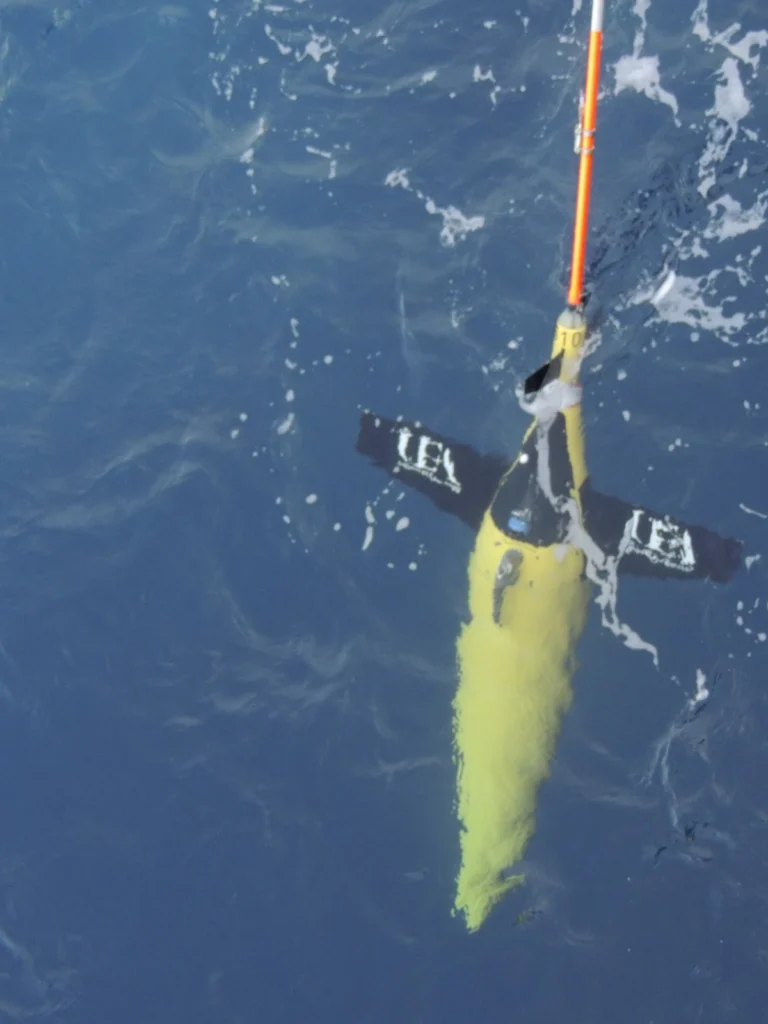
Buoyancy-driven drones are helping scientists paint a picture of the ocean with sound. Around the world, silent marine robots are eavesdropping on the ocean and its inhabitants. The robots can travel 1000 metres beneath the surface and cover thousands of kilometres in a single trip, listening in on the ocean as they go. These bright …[Read More]

Introducing EGU’s new Communications Officer!

Introducing EGU’s new Communications Officer!

Meet the newest member of EGU’s communications team, Olivia Trani! Olivia joined the EGU office in February and since then has been managing GeoLog and the EGU blog network, running our social media channels, and developing EGU networking activities for early career scientists. Hello from the EGU Executive Office! I have been working as the …[Read More]

GD

Meeting, mentoring and awards at EGU18

Meeting, mentoring and awards at EGU18

Having just about recovered from the session-packed, networking-fest, coffee-filled, schnitzel-test that was EGU2018 (8-13th April, Vienna), it is now possible to reflect and look towards upcoming dates. Earlier posts in the blog have described some of the GD side event highlights. For this week’s post, I have summarised some key points from the GD Division meeting, …[Read More]

NH

Steaming badly: what do we know about hazardous and less known hydrothermal eruptions in volcanic environments?

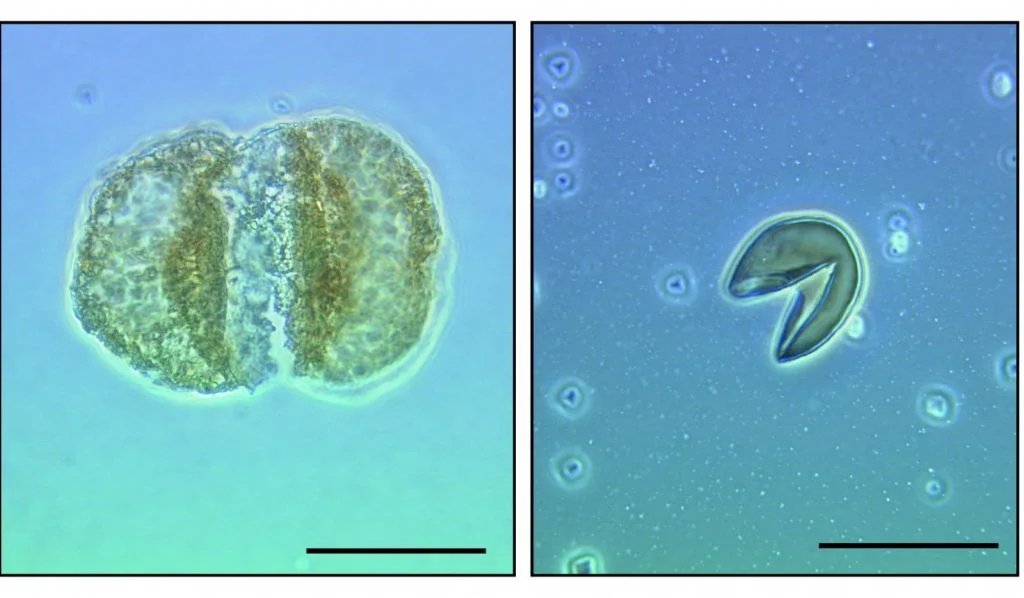
Volcanic eruptions are among the fascinating natural phenomena we can observe on Earth. Along with being very attractive, they are hazardous for both society and infrastructures. Eruptive styles are various and today we focus our attention on one particular type of explosive event: hydrothermal eruptions. We have interviewed Cristian Montanaro on the topic.

Imaggeo on Mondays: Cordillera de la Sal

Imaggeo on Mondays: Cordillera de la Sal

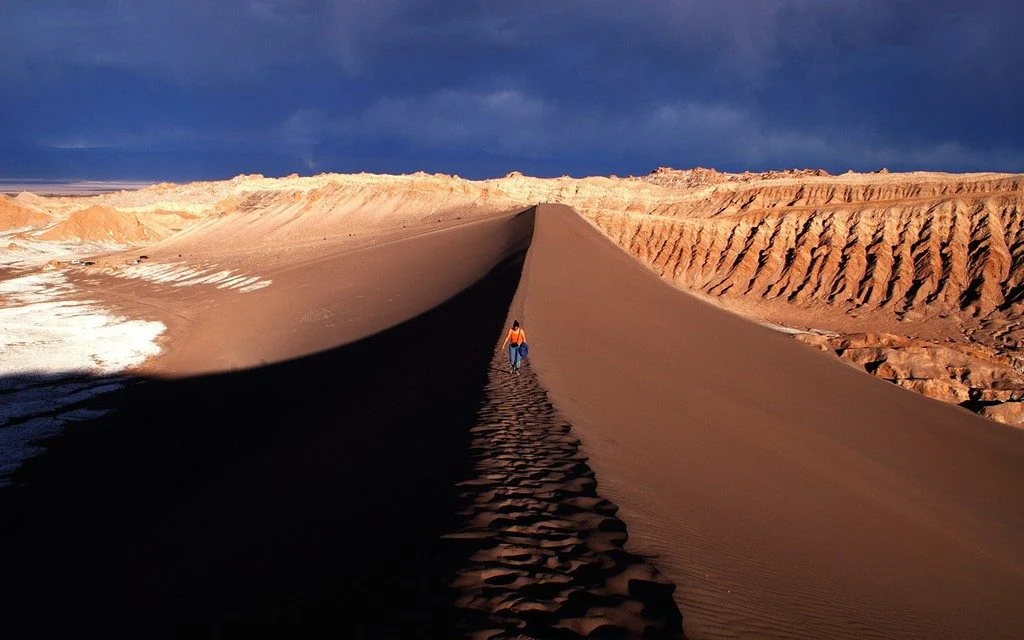
The photograph shows the Valle de la Luna, part of the amazing Cordillera de la Sal mountain range in northern Chile. Rising only 200 metres above the basin of the Salar de Atacama salt flat, the ridges of the Cordillera de la Sal represent a strongly folded sequence of clastic sediments and evapourites (salt can …[Read More]

Climate migration needs to be predicted and planned now. Geoengineering can slow down sea level rise but could also lead to international conflicts. CO2 as a natural resource. All in Jesse Zondervan’s Mar 8 – Apr 4 2018

Climate migration needs to be predicted and planned now. Geoengineering can slow down sea level rise but could also lead to international conflicts. CO2 as a natural resource. All in Jesse Zondervan’s Mar 8  – Apr 4 2018

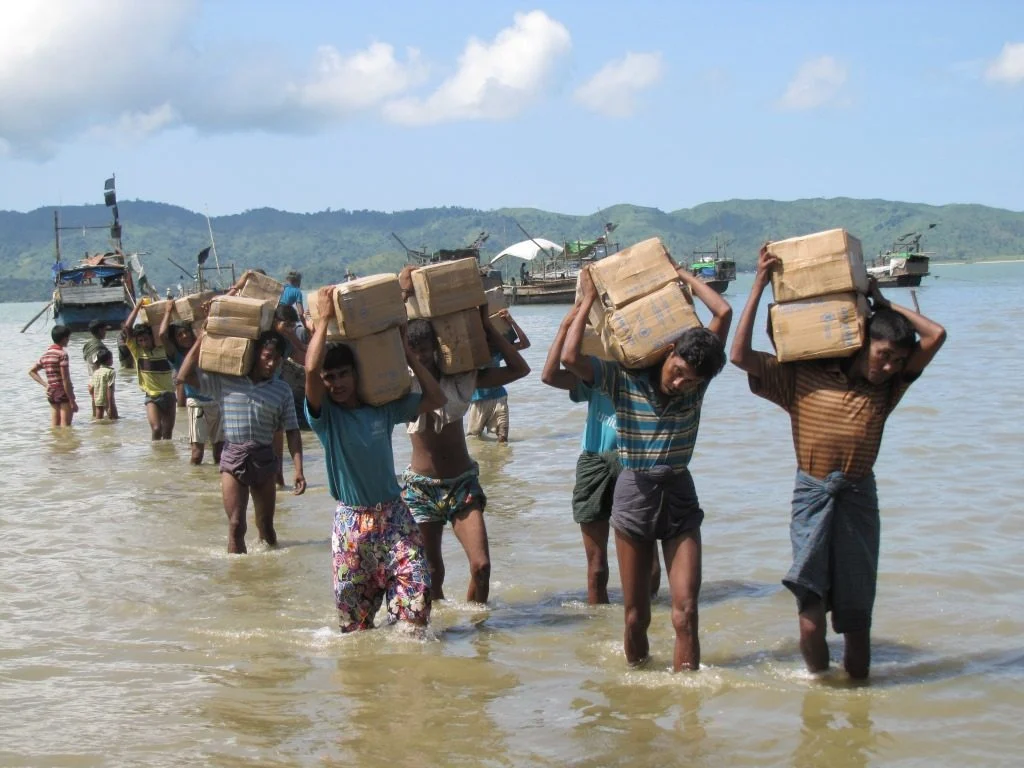
Each month, Jesse Zondervan picks his favourite posts from geoscience and development blogs/news which cover the geology for global development interest. Here’s a round-up of Jesse’s selections for the last month: Imagine 140 million people across sub-Saharan Africa, south Asia and Latin America migrating in response to climate change effect, by 2050. This is what …[Read More]

G

Review of the General Assembly by the Division President

Review of the General Assembly by the Division President

More than 15.000 participants with great presentations in 666 sessions (posters, PICOs, and orals) made the EGU General Assembly 2018 at the Austrian Convention Centre in Vienna a great success. In the geodesy-led programme, we had 428 submissions, which were distributed to 19 oral blocks, 3 PICO sessions, and a series of poster sessions. We …[Read More]