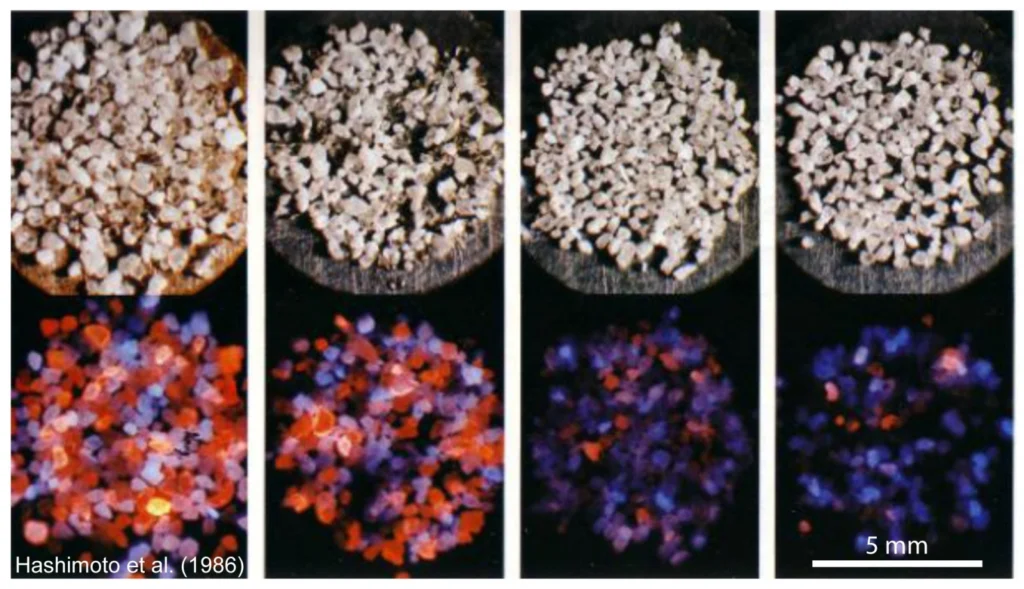
The last 2.5 Million years of the Earth’s history (termed Quaternary) are characterised by climatic cycles oscillating between warm (interglacial) and cold (glacial) periods. To be able to fully understand and interpret past climate variations the development of accurate and precise chronological techniques is crucial. Optically stimulated luminescence (OSL) dating is a strong geochronological tool …[Read More]
Latest posts
Imaggeo on Mondays: Bristlecone pines, some of Earth’s oldest living life forms
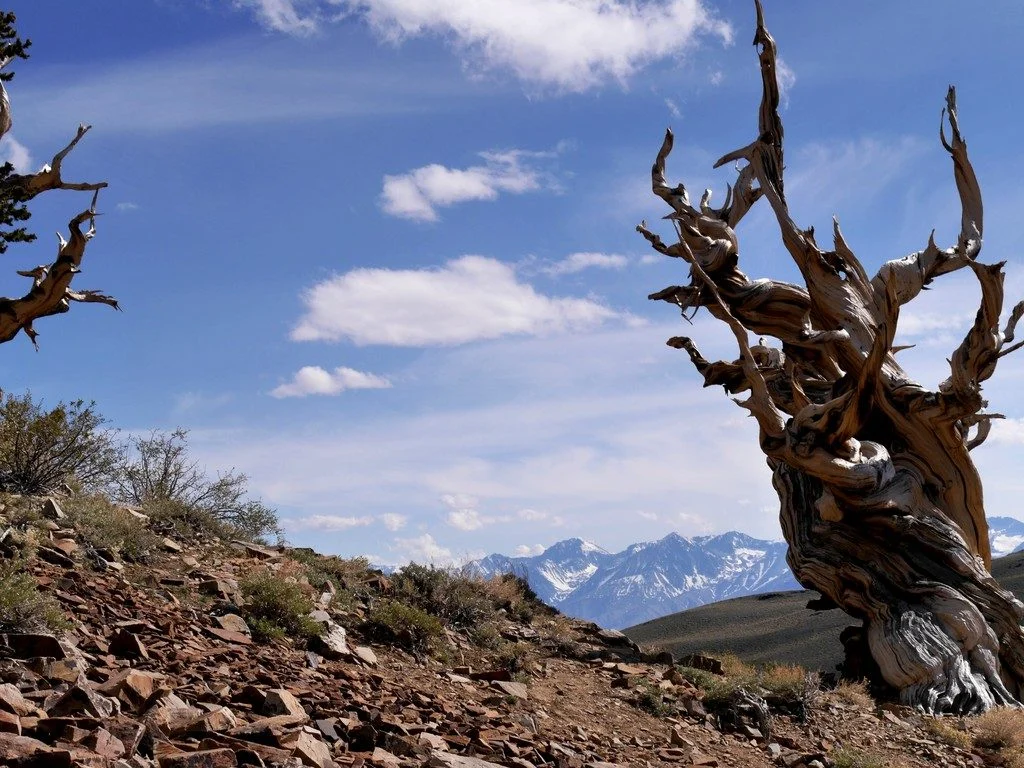
About 5,000 years ago, the ancient city Troy was founded, Stonehenge was under construction, and in the rugged Sierra Nevada mountain range, groves of bristlecone pine seedlings began to take root. Many of these pines are still alive today, making them the world’s oldest known living non-clonal life forms. Raphael Knevels, a PhD student from …[Read More]
The microworld of the past
In my last blog, I described the diverse world of pollen and how palynology – the study pollen, is used in geosciences. Today, I turn to another microcosmos: that of finest layers deposited at the bottom of a lake. A large majority of geoscientists would tell you the best part of their job is field …[Read More]
The perfect ice floe
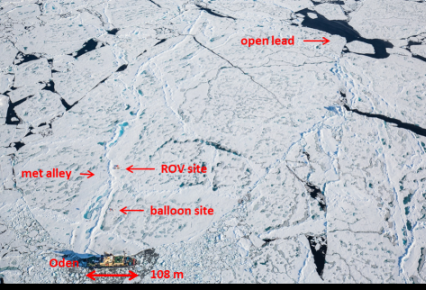
Current position: 89°31.85 N, 62°0.45 E, drifting with a multi-year ice floe (24th August 2018) With a little more than three weeks into the Arctic Ocean 2018 Expedition, the team has found the right ice floe and settled down to routine operations. Finding the perfect ice floe for an interdisciplinary science cruise is not an …[Read More]
Bridging the gap between science and decision makers – a new tool for nuclear emergencies affecting food and agriculture
The International Atomic Energy Agency (IAEA) has developed an online system to assist in improving the response capabilities of authorities in the event of an emergency caused by natural hazards. This tool provides a clear overview of radioactive contamination of crops and agricultural lands through improved data management and visualization, it also assists in decision …[Read More]
Imaggeo on Mondays: Antarctic winds make honeycomb ice
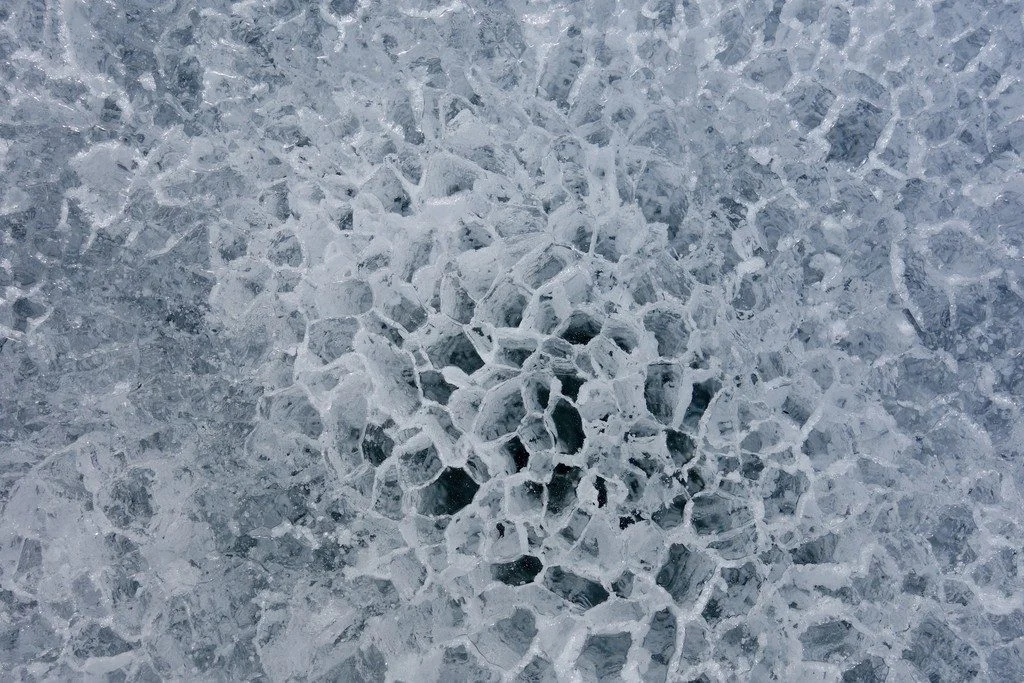
These delicate ice structures may look like frozen honeycombs from another world, but the crystalline patterns can be found 80 degrees south, in Antarctica, where they are shaped by the white continent’s windy conditions. In Western Antarctica is a 9-kilometre line of rocky ridges, called Patriot Hills. Often cold wind furiously descends from the hills …[Read More]
Lombok and Fiji – or why a M6.9 earthquake can be worse news than a M8.2 event
Two magnitude 6.9 earthquakes in Indonesia in the space of two weeks, 20 km apart. Meanwhile, a magnitude 8.2 event in the Pacific. Did you get any questions about the end of the world being upon us, how come all these quakes happen so close together and why the Fiji event was so harmless? …[Read More]
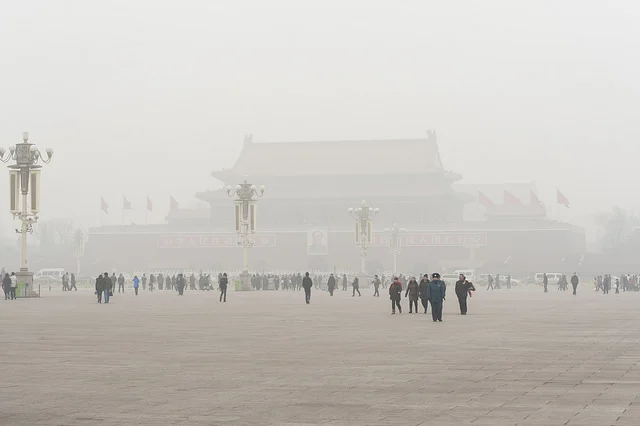
An overnight train view of China’s Anthropocene – Part 2
Science fiction is no match for industrial non-stop China. Electric bikes zip across the cities of Shanghai and Beijing, and soundtrack the neon nights with their passing whirr. Here, some kind of two-wheeled revolution has taken place which are we completely unaware of in the West. It’s Blade Runner meets Total Recall in a future …[Read More]
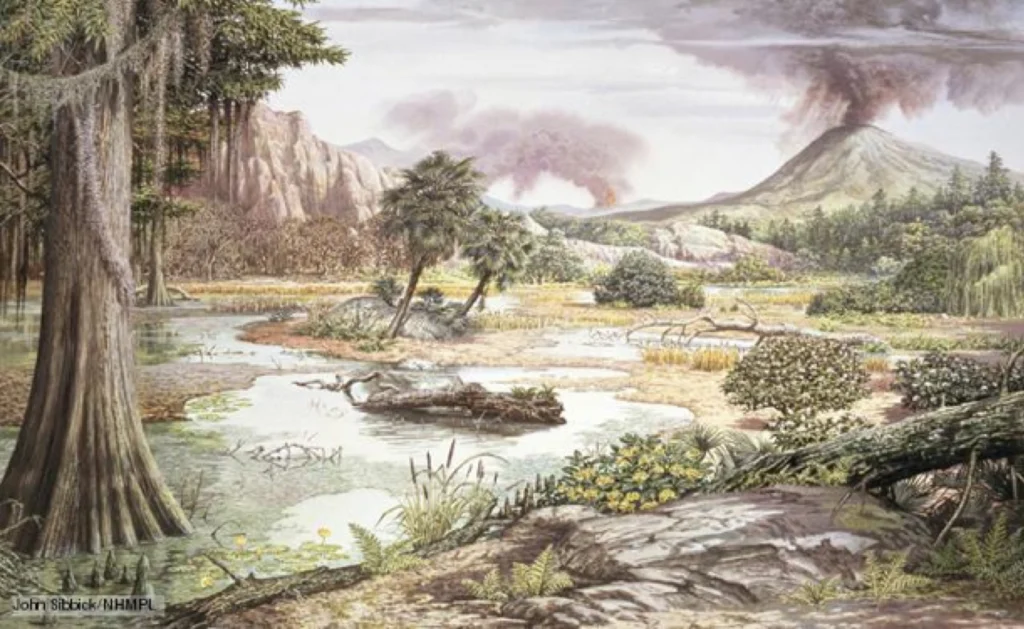
What can the Cretaceous tell us about our climate?
The Cretaceous The Cretaceous period features a particularly interesting climatic episode in the Earth’s geological history. It follows the Jurassic Period, better known as the time the dinosaurs inhabited Earth and spanned the period between 145.5 and 65.5 million years ago. The Cretaceous is the last period of the Mesozoic Era, which ends with a well-known …[Read More]
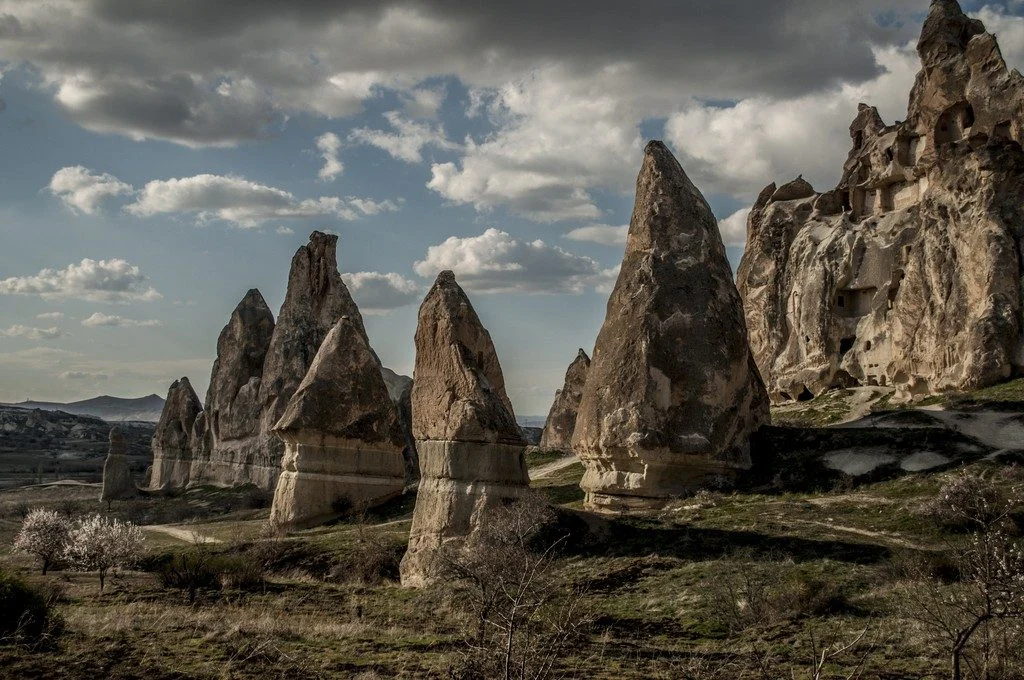
Imaggeo on Mondays: Fairy chimneys in Love Valley
Every year tourists from around the world flock to Love Valley in Göreme National Park in the Cappadocia region of central Turkey to marvel at the region’s peculiarly pointy geological features. These cone-shaped formations, known as ‘fairy chimneys’ or hoodoos, dominate the park’s skyline, with some rocky spires extending up to 40 metres towards the …[Read More]