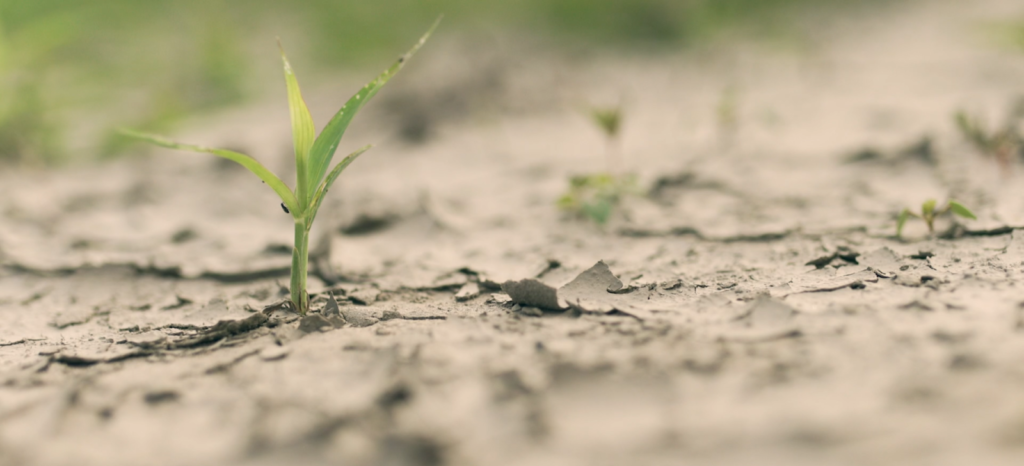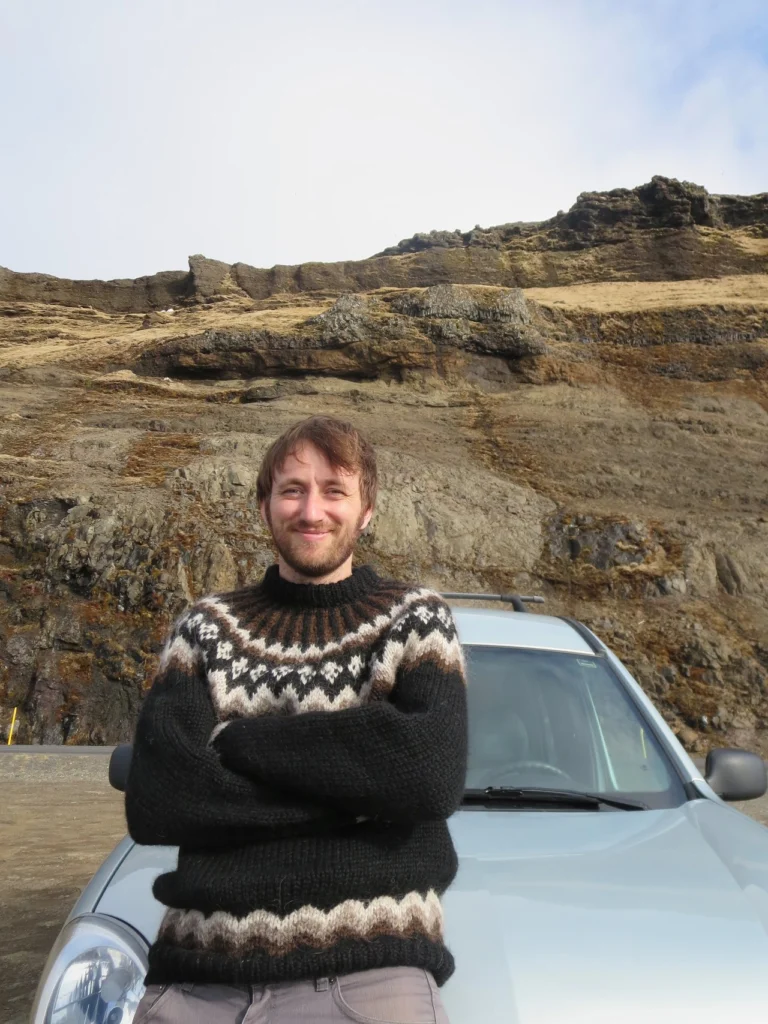
Post by Jared van Rooyen, PhD student in Earth Science at Stellenbosch University, in South Africa. When the Cape Town water crisis first emerged it took almost a year before active contingencies were put in place. Four major ideas were proposed: (1) Intense water restrictions for municipal water users, (2) greywater recycling facilities, (3) groundwater …[Read More]
Latest posts
How does a crystal become a mineral?
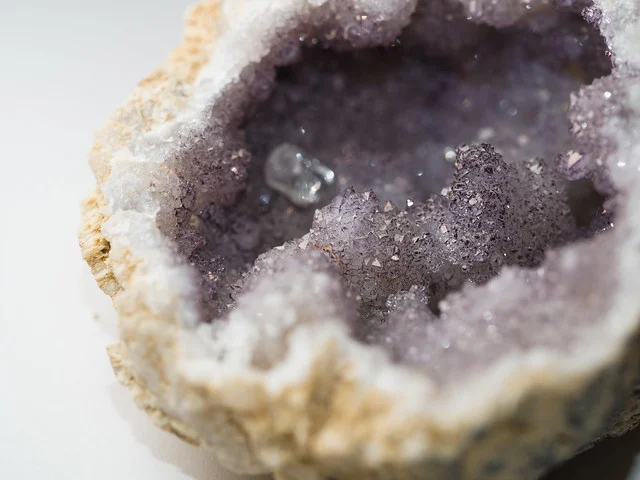
There are some crystals that we are all familiar with. Look at an analogue clock (you may need a screwdriver and/or a hammer, and the watch owner might not be too happy) and you will probably find quartz – a crystal with silicon and oxygen arranged in a well-ordered three dimensional pattern. We can also …[Read More]
Image of the Week – The GReenland OCEan-ice interaction project (GROCE): teamwork to predict a glacier’s future
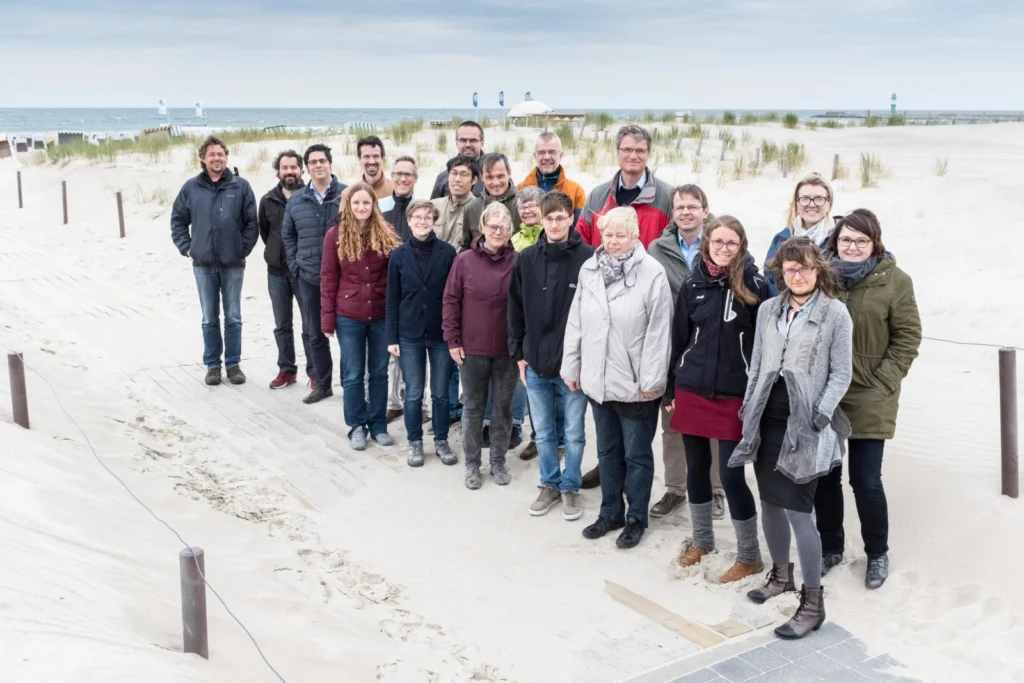
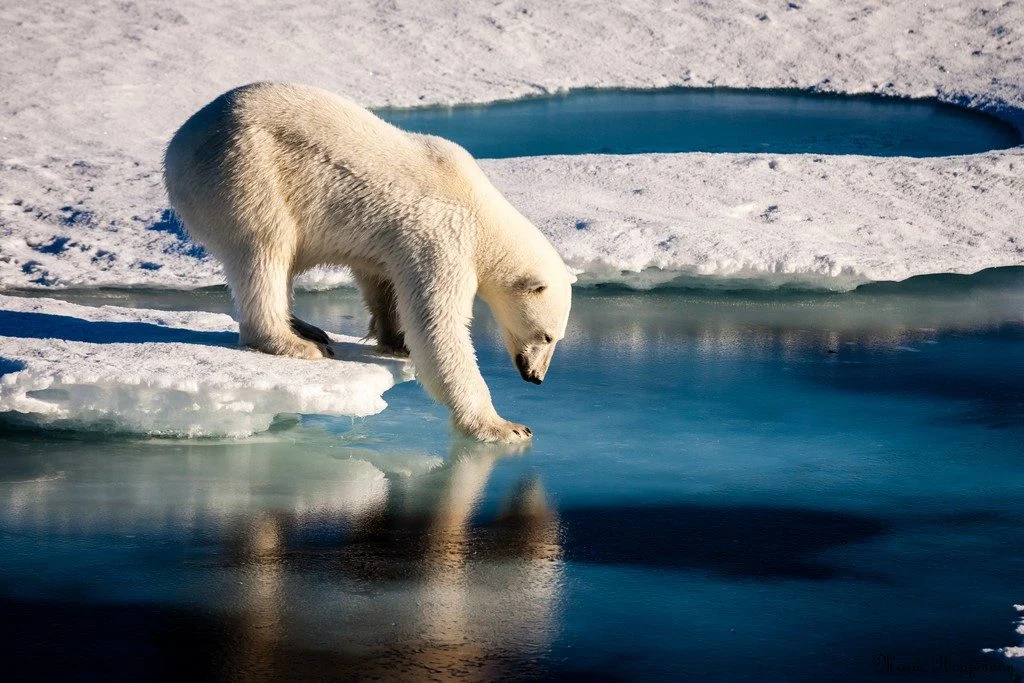
The GROCE project, funded by the German Ministry for Education and Research (BMBF), takes an Earth-System approach to understand what processes are at play for the 79°N glacier (also known as Nioghalvfjerdsfjorden), in northeast Greenland. 79°N is a marine-terminating glacier, meaning it has a floating ice tongue (like an ice shelf) and feeds into the …[Read More]
The Sassy Scientist – Analogue Modelling
Every week, The Sassy Scientist answers a question on geodynamics, related topics, academic life, the universe or anything in between with a healthy dose of sarcasm. Do you have a question for The Sassy Scientist? Submit your question here. David asks: What do you think about analogue modelling? Dear David, Analogue modelling. Well, what’s not to …[Read More]
May GeoRoundUp: the best of the Earth sciences from around the web
Drawing inspiration from popular stories on our social media channels, major geoscience headlines, as well as unique and quirky research, this monthly column aims to bring you the latest Earth and planetary science news from around the web. Major story The impact that humans have left on the planet’s landscape is so profound, that up …[Read More]
Bringing geoscience into prisons
During the European Geosciences Union General Assembly in Vienna, I caught up with Phil Heron, a Newcastle-born geodynamicist at Durham University, UK. Earlier this year he won an EGU outreach grant to engage young offenders with geoscience subjects and help improve their employability. He tells us how he started working in prisons and shares what …[Read More]
The past is the key
“The present is the key to the past” is a oft-used phrase in the context of understanding our planet’s complex evolution. But this perspective can also be flipped, reflected, and reframed. In this Geodynamics 101 post, Lorenzo Colli, Research Assistant Professor at the University of Houston, USA, showcases some of the recent advances in modelling …[Read More]
A mining state in Brazil, without geological knowledge? On the value of science communication
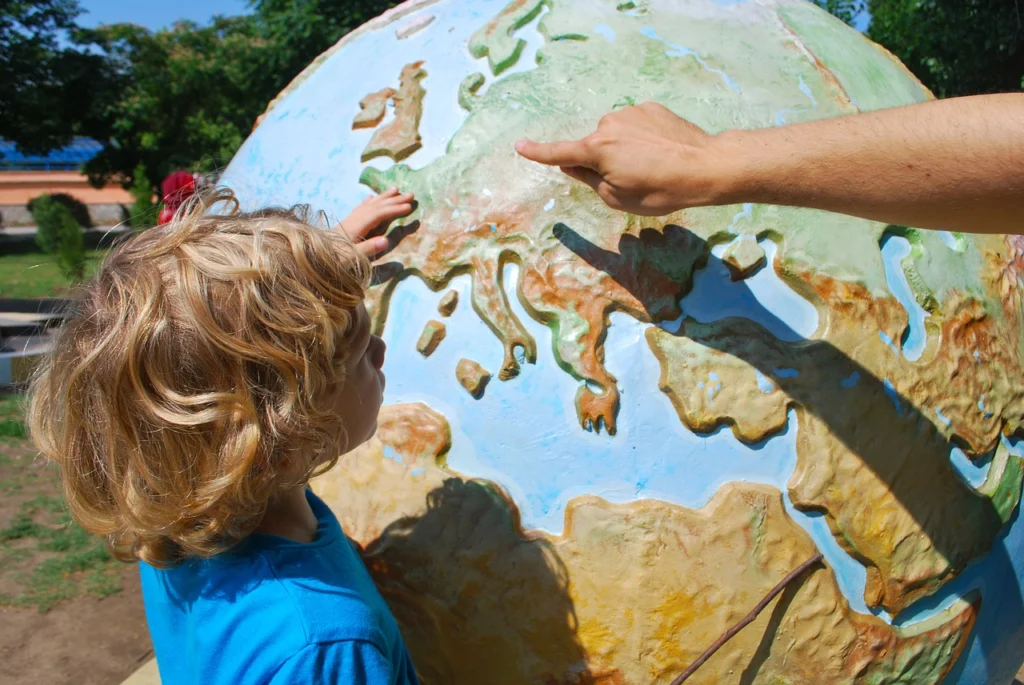
As the theme of this month is science communication, I’d like to share some of my own experiences with geoscience communication and public perception of geosciences. I was born and raised in Minas Gerais – the most traditional mining state of Brazil. Nowadays it is internationally recognized for recent environmental disasters such as the failure …[Read More]
GeoTalk: Meet the EGU’s president, Alberto Montanari
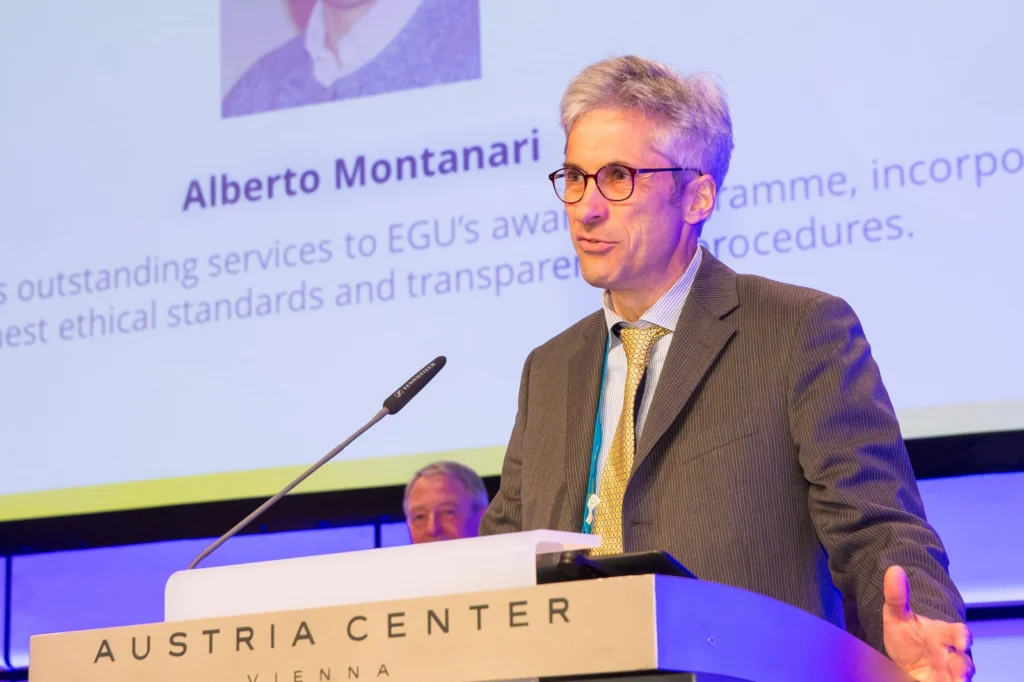
GeoTalk interviews usually feature the work of early career researchers, but this month we deviate from the standard format to speak to Alberto Montanari, president of the EGU. Alberto has a long-standing involvement with the Union, stretching back more than 15 years. Following a year as vice-president, Alberto was appointed president at this year’s General …[Read More]
Meeting Plate Tectonics – Nicolas Coltice
These blogposts present interviews with outstanding scientists that bloomed and shape the theory that revolutionised Earth Sciences — Plate Tectonics. Get to know them, learn from their experience, discover the pieces of advice they share and find out where the newest challenges lie! Meeting Nicolas Coltice Nicolas Coltice graduated with a PhD from the École Normale Supérieure of Lyon, France. …[Read More]