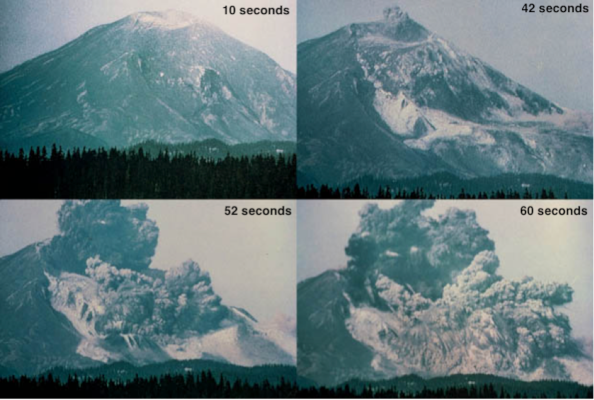
The past 18th May marked 39 years since one of the most emblematic volcanic eruptions in historic times: the 1980 Mt St Helens explosive eruption. With a death toll of 57 victims, it is the deadliest volcanic event in U.S. history. If that wasn’t enough, it also destroyed hundreds of houses and roads. When we …[Read More]
Latest posts
Imaggeo on Mondays: A painted forest fire
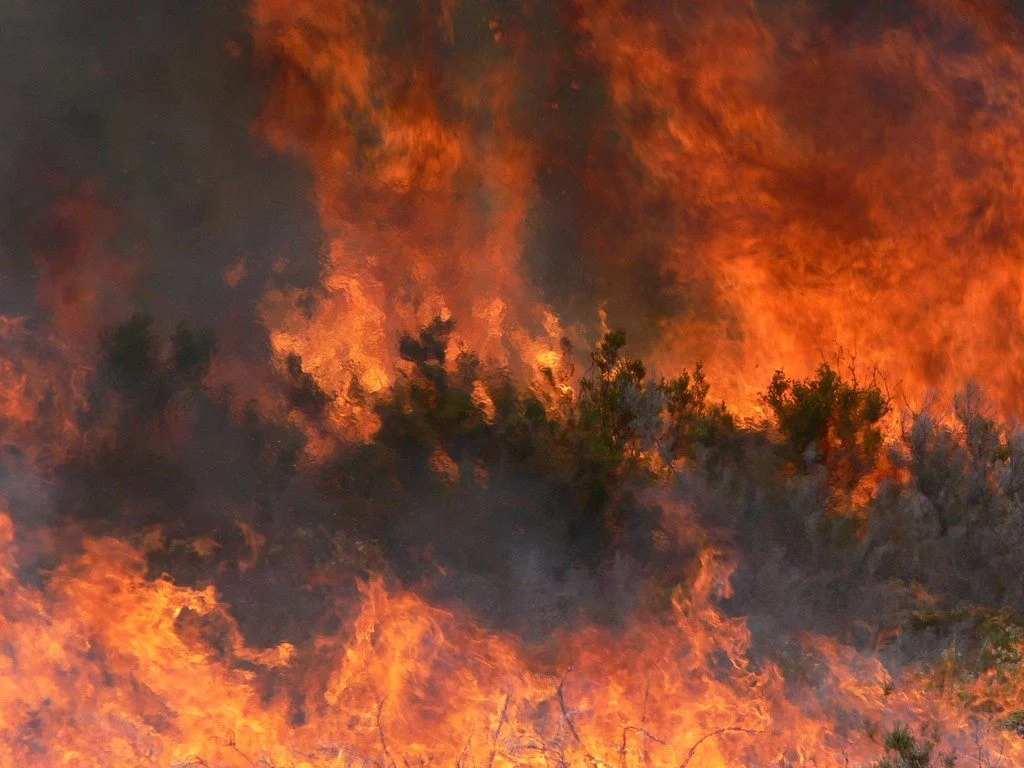
This week’s featured image may appear to be a painted landscape, but the picture is in fact a photo, taken ten years ago by Victoria Arcenegui, an associate professor at Miguel Hernández University in Spain, during a controlled forest fire in northern Portugal. The blaze is actually hot enough to distort the image, making some …[Read More]
‘Pompeii’ by Robert Harris – A book review
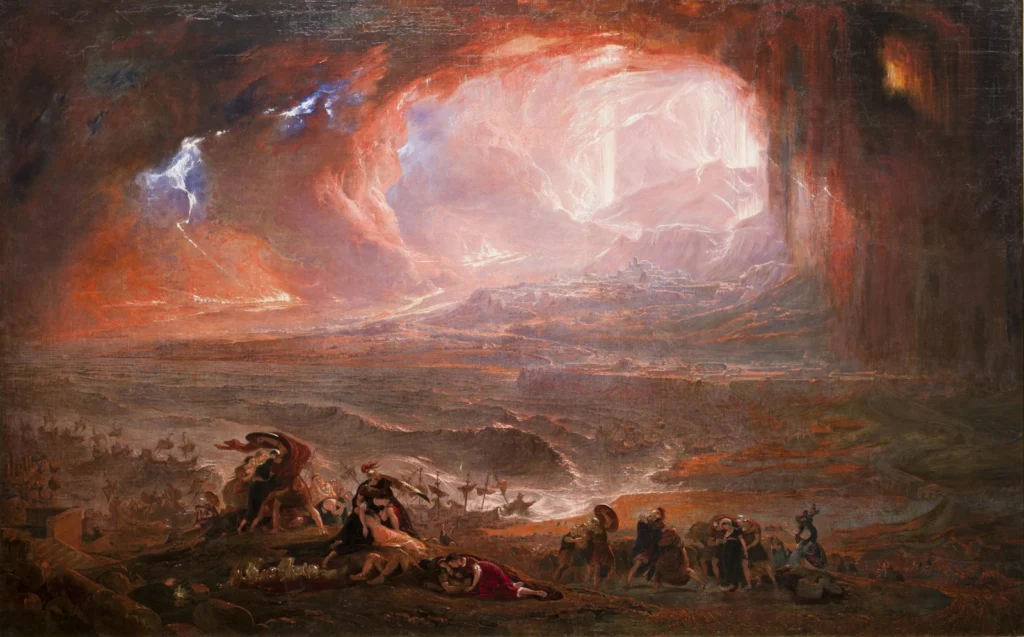
The GfGD blog theme this month is science communication, and so regular blog contributor Heather Britton reviews a book which she believes contains some useful geological and human experience, in the form of a gripping novel. The Geology for Global Development blog is not a site renowned for book reviews, but when a fiction book …[Read More]
Image of the Week – The Lost Meteorites of Antarctica…
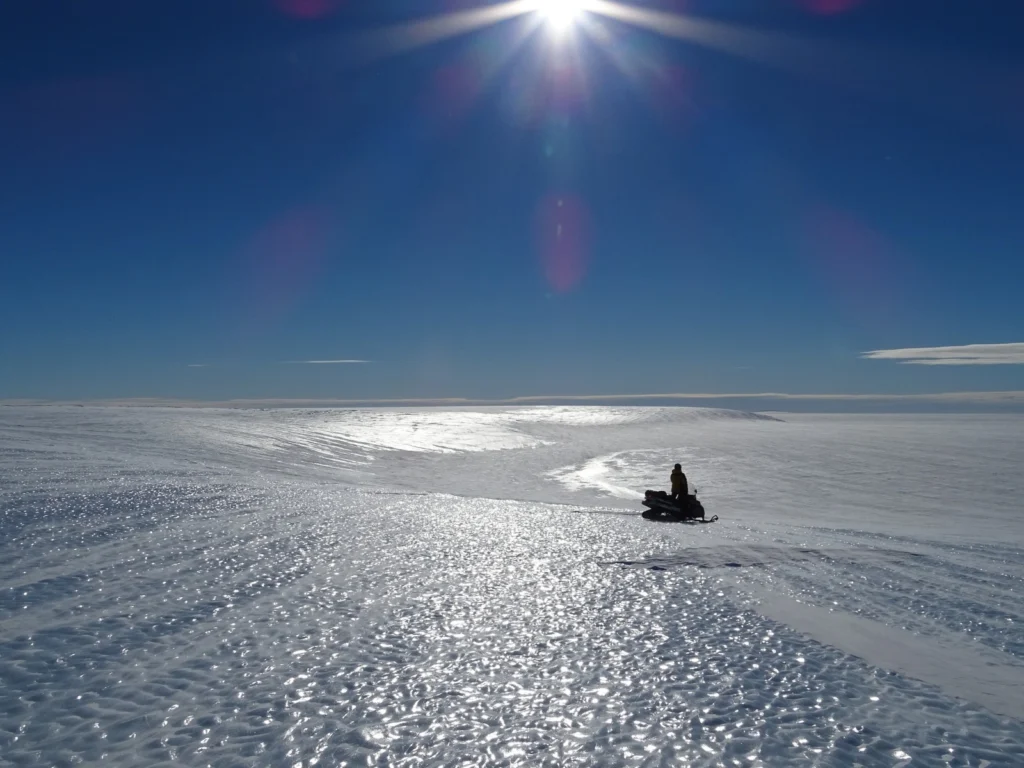
When most people think of Antarctica, meteorites aren’t the first things that come to mind. Perhaps they imagine the huge ice shelves, the desolate interior, or perhaps penguin colonies near one of the scientific bases — but usually not meteorites. So why is our project looking for meteorites in Antarctica, and besides, aren’t they all …[Read More]
Climate change: to mitigate or to adapt? Managing disaster: Cyclone Fani in India, a stronger Atlantic hurricane season. That and more in Jesse Zondervan’s May 2019 #GfGDpicks #SciComm
Each month, Jesse Zondervan picks his favourite posts from geoscience and development blogs/news which cover the geology for global development interest. Here’s a round-up of Jesse’s selections for the last month: This month Cyclone Fani hit India with full force. An effective mass evacuation resulting in the loss of no human lives is an impressive …[Read More]
IGLUNA: students work towards building an icy human habitat on the Moon!
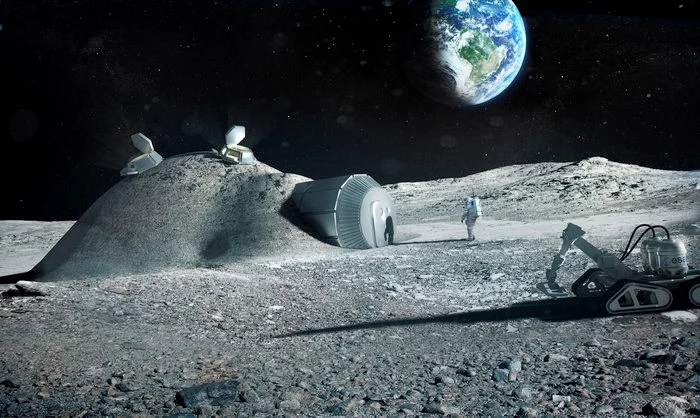
What does it take to build a habitat in ice on the Moon? An international group of university students and professionals is working together to provide this answer and develop a sustainable and operational habitat in lunar ice. The project is called IGLUNA and is organised by the Swiss Space Center and the European Space …[Read More]
“Everything is interaction and reciprocal”
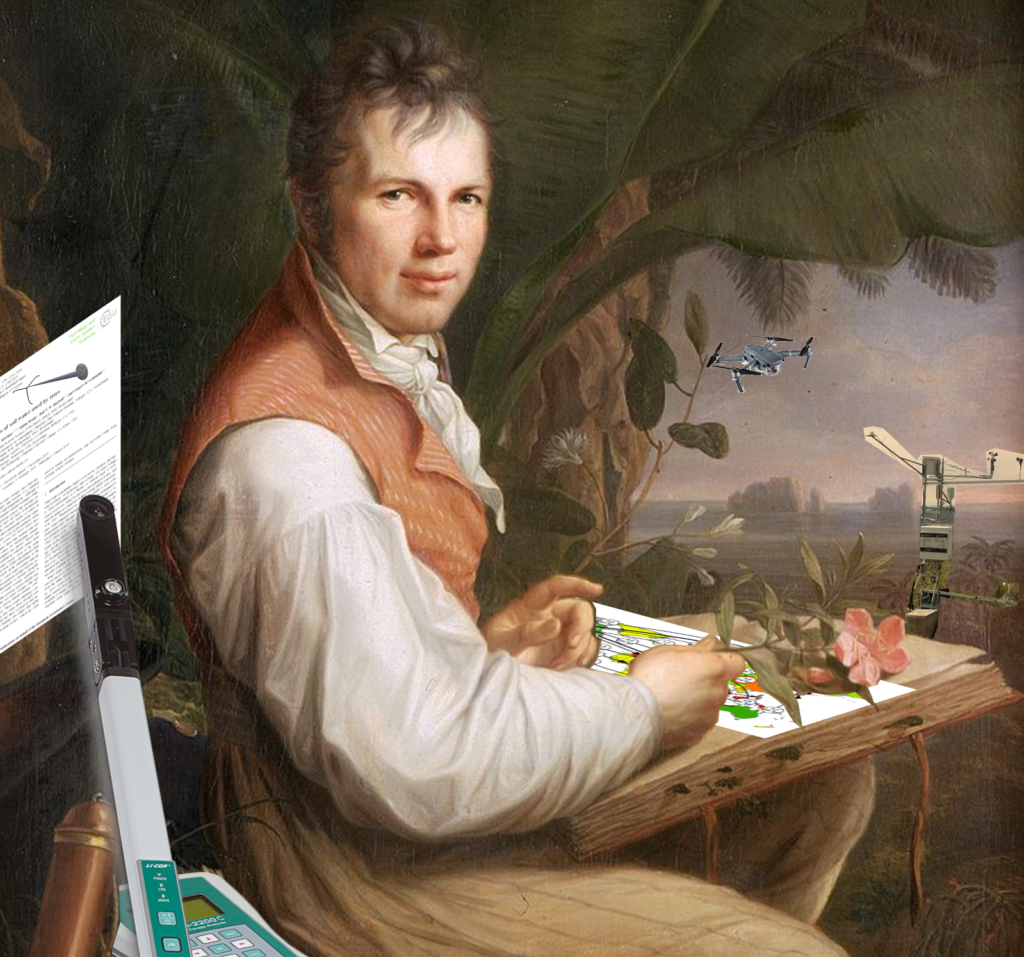
The first time I came across Alexander von Humboldt I was a freshman at the University of Bayreuth. We were proudly told that we were studying environmental science in a region where Humboldt used to work in, prior to his adventures in the Americas. Within EGU, von Humboldt is well known, in connection with the …[Read More]
Geodynamics in Planetary Science
It is a question that humankind has been asking for thousands of years: Are we alone in the Universe or are there other worlds like our own? As of today, it is unknown whether or not inhabited planets exist outside of our own solar system. With the discovery of the extrasolar planet 51 Peg b …[Read More]
GeoPolicy: Fake news and populism – a threat to science in Europe
The 2019 EGU General Assembly was a great success. Not only was it the largest in EGU history (with over 16,000 participants, 5,531 oral, 9,432 poster and 1,287 PICO presentations) but it also allowed scientists to connect geoscience and their research with global challenges and potential solutions. One of the highlights of this year’s General …[Read More]
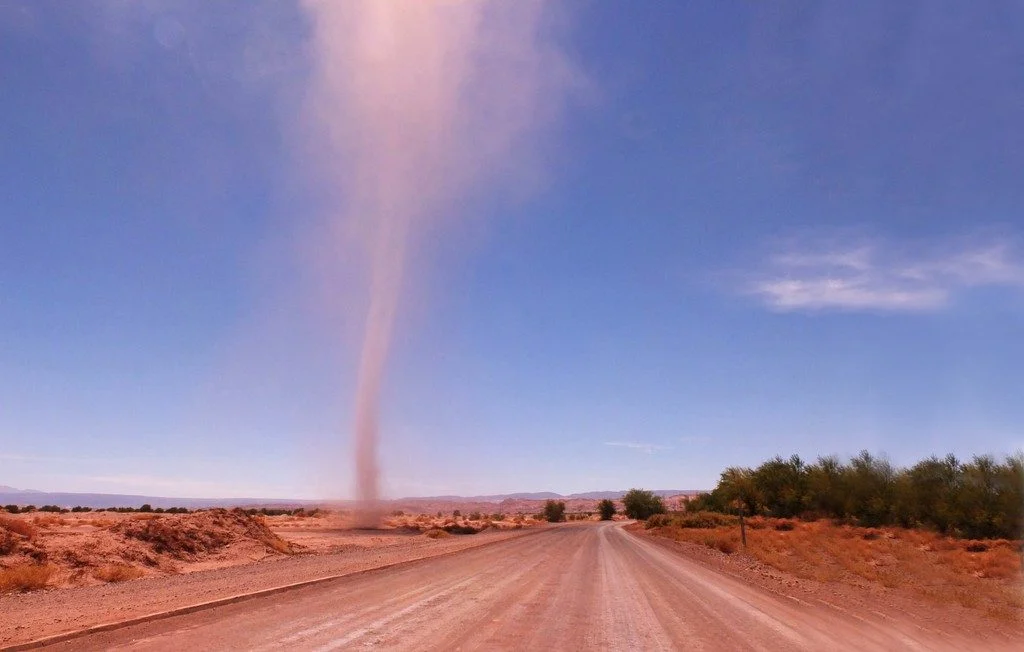
Imaggeo on Mondays: Dust devil sighting in the Atacama Desert
Dust devils are like miniature tornadoes, they form when a pocket of hot air near the surface moves fast upward and meets cooler air above it. As the air rapidly rises, the column of hot air is stretched vertically, thereby moving mass closer to the axis of rotation, which causes intensification of the spinning effect …[Read More]