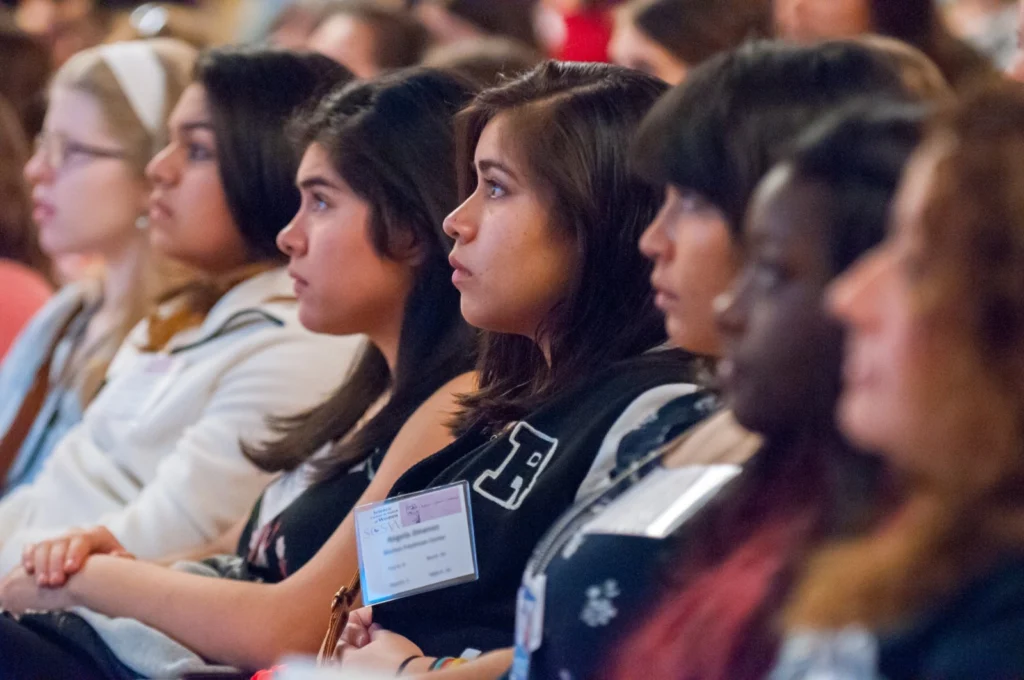
Why do I feel uncomfortable as the only woman in a meeting? Why do they gossip about the male postdoc who is supervising three female MSc students? Have I really been asked to give this presentation just because I am a woman? It was thanks to all the work and reading I was doing for …[Read More]
Latest posts
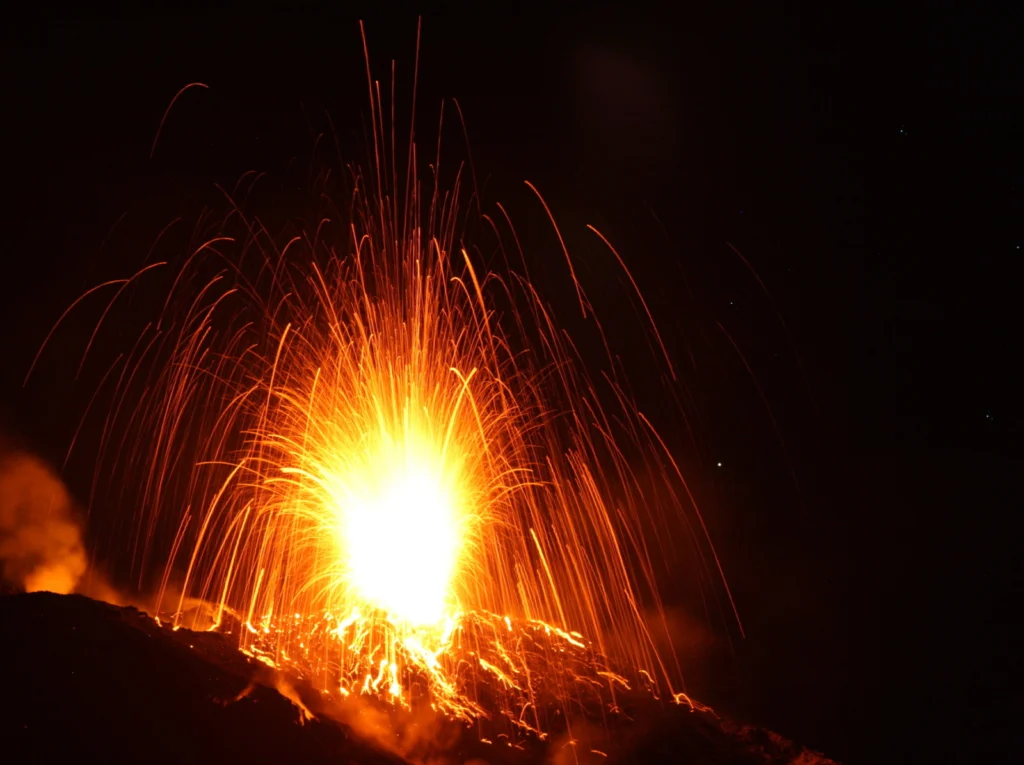
Stromboli: The Lighthouse of the Mediterranean
In the last months two paroxysmal explosive eruptions took place at Stromboli volcano: the first one, totally unexpected, on 3rd July (Video 1) that sadly cost the life of a person and the second and, currently, last one about three weeks ago, on the 28th August (Video 2). Today we try to answer a couple …[Read More]
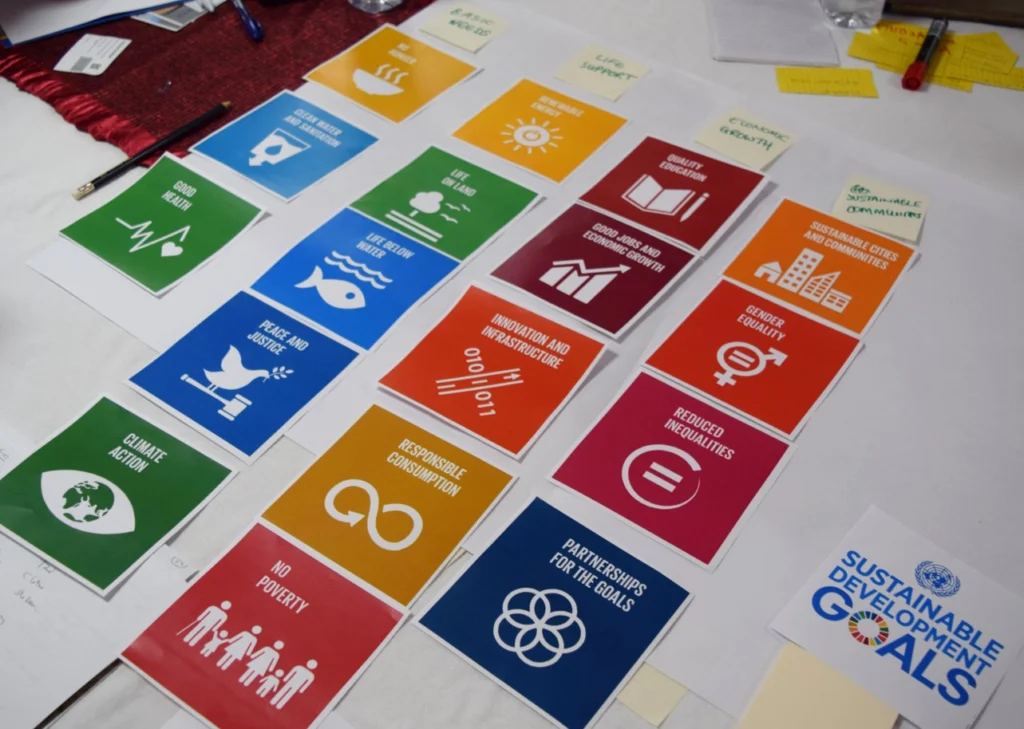
New Paper: Interconnected Geoscience for International Development
A new paper published in Episodes: The Journal of International Geoscience highlights the importance of geoscience in tackling complex development challenges, and the need for new approaches to overcome barriers preventing greater application of geoscience within development. ‘Interconnected geoscience for international development‘, written by Professor Michael Petterson of Auckland University of Technology (New Zealand) sets …[Read More]
#mineralmonday: tiptopite
#mineralmonday: your weekly* dose of obscure mineralogy, every Monday** [*not guaranteed; **or possibly Tuesday-Sunday] What is it? Tiptopite: K2Na1.5Ca0.5Li3Be6(PO4)6(OH)2•(H2O) What’s it made of? Take a deep breath and recite after me: potassium, sodium, calcium, lithium, beryllium, phosphorus, oxygen and water (H2O). Is it pretty? Yes, it’s a beautiful fibrous mineral. You wouldn’t put it on …[Read More]
Imaggeo on Mondays: How do Earth’s Northern Lights form?
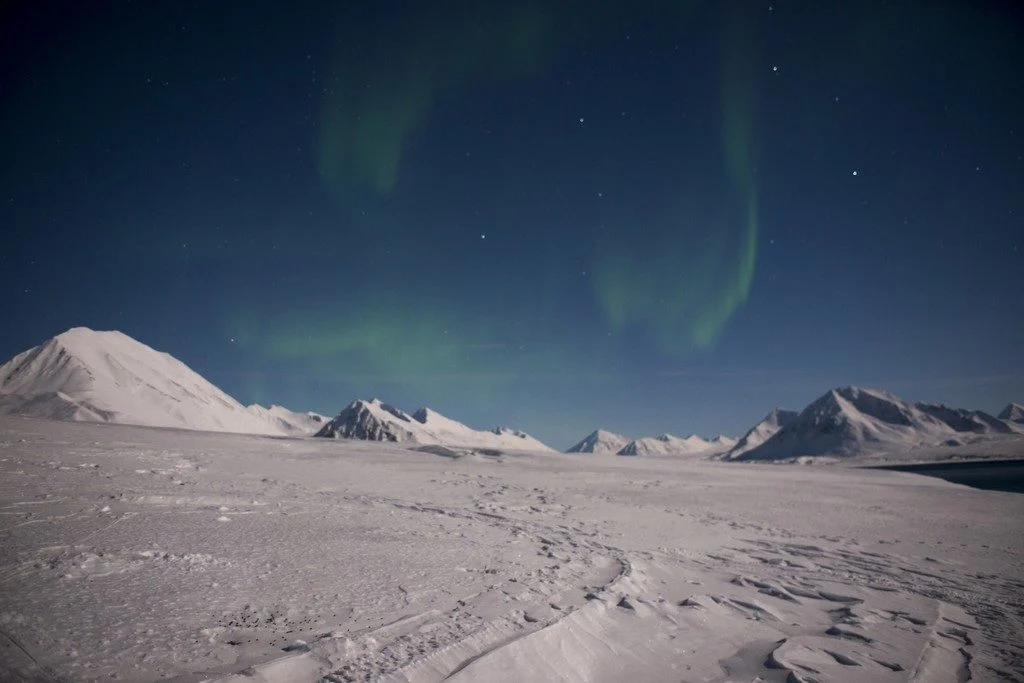
Aurora Borealis, which means Northern Lights are caused by electrically charged particles from the sun, which enter the Earth’s atmosphere and collide with gases such as oxygen and nitrogen. When the charged particles are blown towards the Earth by the solar wind, they are largely deflected by the Earth’s magnetic field. However, the Earth’s magnetic …[Read More]
Climate Change & Cryosphere – Why is the Arctic sea-ice cover retreating?
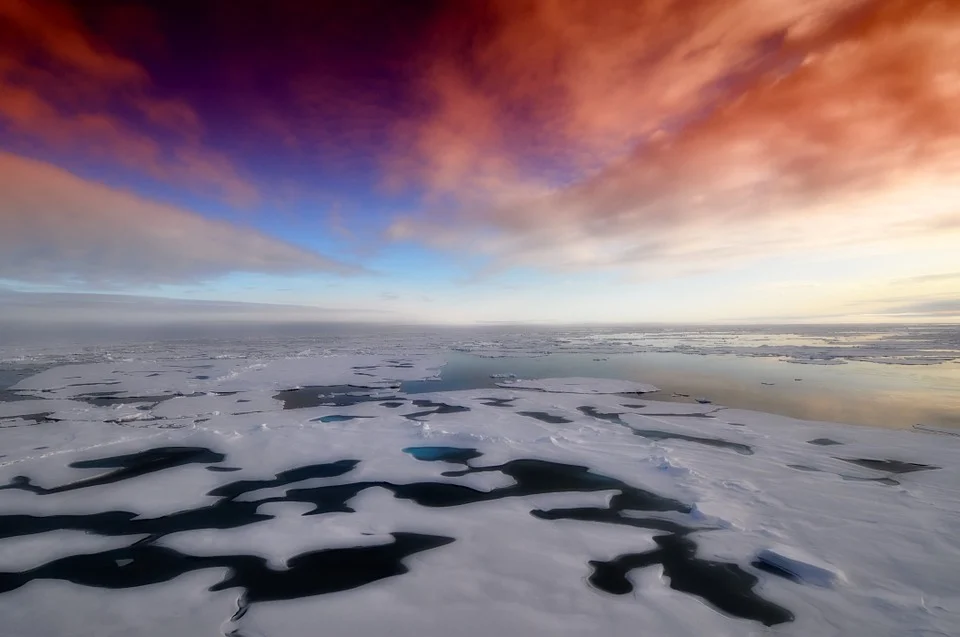
The Arctic Ocean surface is darkening as its sea-ice cover is shrinking. The exact processes driving the ongoing sea-ice loss are far from being totally understood. In this post, we will investigate the different causes of the recent retreat of the Arctic sea-ice cover, using the most updated literature… Arctic sea ice is disappearing Due …[Read More]
The Sassy Scientist – Pluto Panic
Every week, The Sassy Scientist answers a question on geodynamics, related topics, academic life, the universe or anything in between with a healthy dose of sarcasm. Do you have a question for The Sassy Scientist? Submit your question here or leave a comment below. After a distraught period (of more than a decade!) since the news …[Read More]
A brighter future for the Arctic
This is a follow-up from a previous publication. Recently, a new analysis of the impact of Black Carbon in the Arctic was conducted within a European Union Action. “Difficulty in evaluating, or even discerning, a particular landscape is related to the distance a culture has traveled from its own ancestral landscape. As temperate-zone people, we …[Read More]
YHS interview Martyn P. Clark: “rainfall-runoff modelling, per se, is dead”
In its “Hallway Conversations” series, the Young Hydrologic Society has recently published an interview with Martyn P. Clark, who is currently professor and the Associate Director of Centre for Hydrology and Canmore Coldwater Lab, at the University of Saskatchewan, Canada. The interview was conducted by Sina Khatami, a PhD student at the University of Melbourne. With their agreement, …[Read More]
The geodynamics of Enceladus: exotic and familiar
This week, Gael Choblet, CNRS research associate in the Laboratoire de Planétologie et Géodynamique (University of Nantes and Angers), tells us everything about the interior of Enceladus, an interesting icy moon of Saturn! This is my first contribution in these pages. The choice of Saturn’s small moon Enceladus as a topic mostly results from my …[Read More]