Most of us have enjoyed swings in childhood. Some have even tried to swing faster and make a full 360 degrees’ loop. Those who succeeded had a very strange feeling of not being able to predict whether, increasing the energy of the swing, the transition from normal oscillations and 360 loops would happen. Indeed, there …[Read More]
Latest posts
Nonlinear Processes in Geosciences
Workshop report: Mathematics of the Economy and Climate
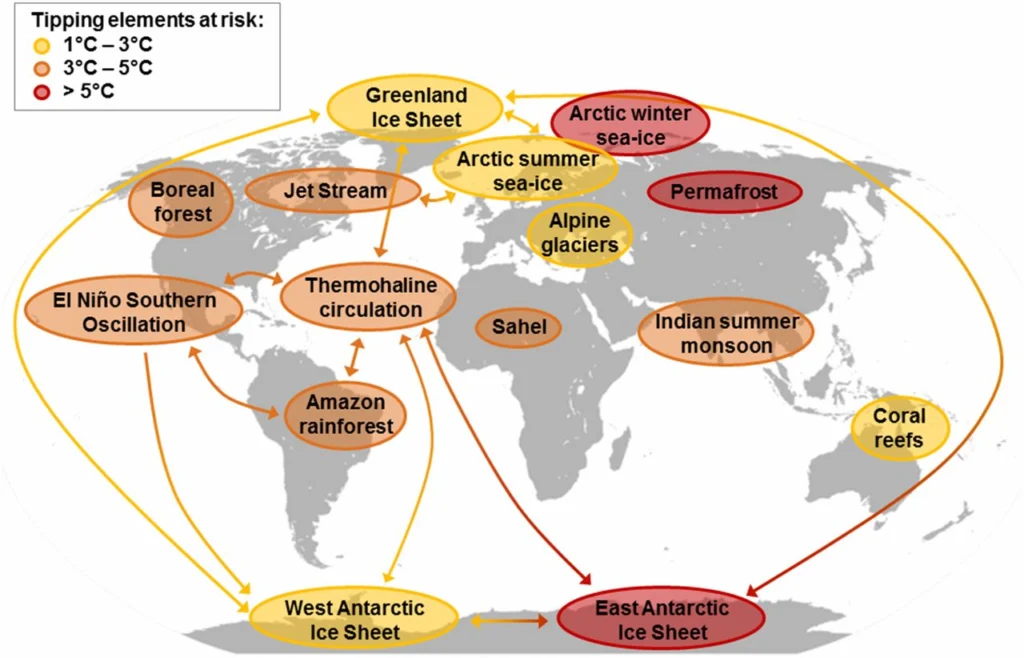
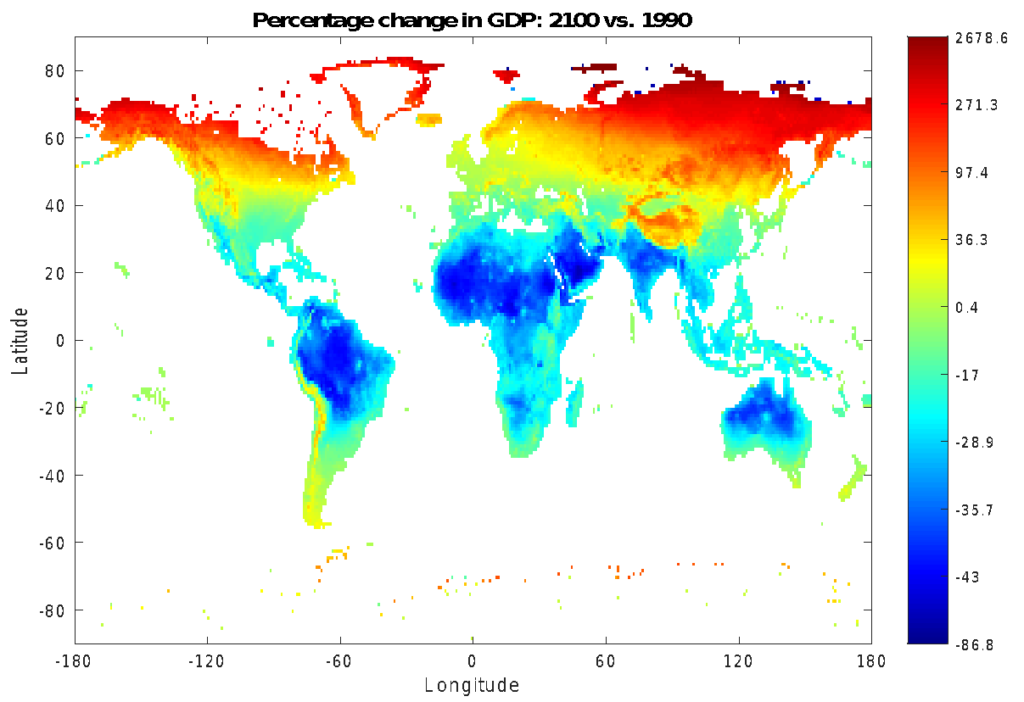
Just before the summer a group of about 40 scientists gathered in an old Monastery in the Netherlands (Kontakt der Kontinenten, Soesterberg) for a rather special collaborative workshop entitled “Mathematics of the economy and climate”. Mathematicians, climate scientists and economists – a group of scientists that normally does not mix and are rather unfamiliar with …[Read More]
GeoLog
Cities of the future
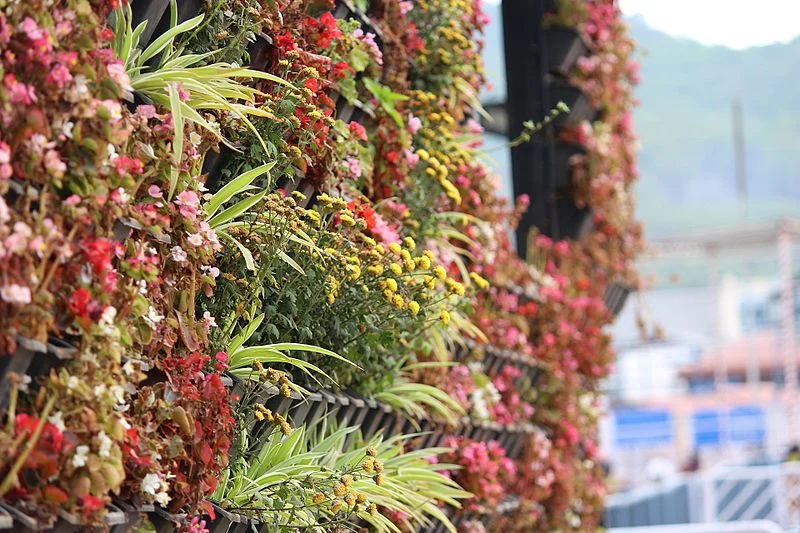
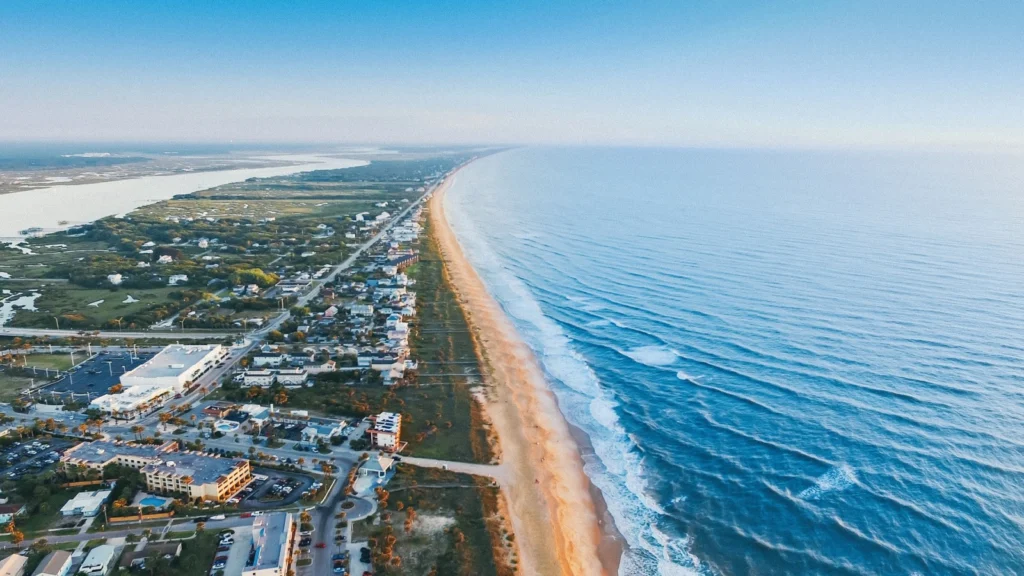
Over half the world’s population lives in cities. Many a metropolis rises high above carpets of concrete and tarmac, vibrant, bustling, and prosperous. But this urban environment comes with many a problem. From poor air quality to hazardous temperatures, there are several dangers present in urban environments. Scientists speaking at the European Geosciences Union General …[Read More]
Cryospheric Sciences
Cryo-adventures – Life and science at a central Greenland ice core drilling camp
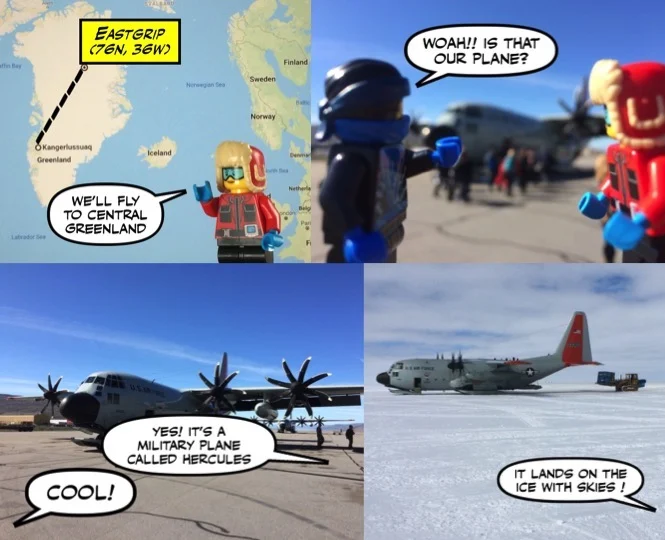
How do you get there? Where will you sleep? What work will you do there?These are just a few of the many questions I got from family and friends when I told them that I would join the EastGRIP ice core project this summer. As a paleo climate and ice sheet modeller, I could only …[Read More]
Geodynamics
The Sassy Scientist – Science Sweethearts II
Every week, The Sassy Scientist answers a question on geodynamics, related topics, academic life, the universe or anything in between with a healthy dose of sarcasm. Do you have a question for The Sassy Scientist? Submit your question here. Apollo and Artemis ask: What is your opinion on workplace romances? Following up on last week’s post, …[Read More]
WaterUnderground
Shedding light on the invisible: addressing potential groundwater contamination by plastic microfibers
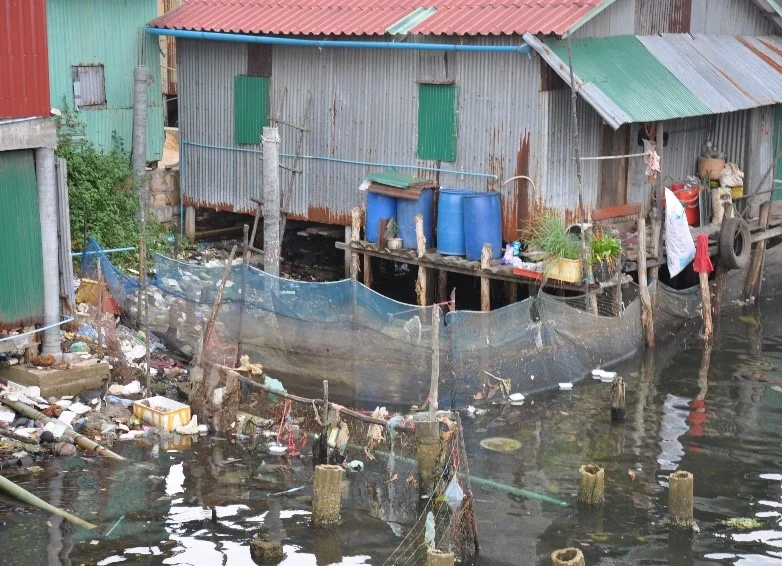
Post by Viviana Re, researcher at the University of Pisa in Italy. You can follow Viviana on Twitter at @biralnas. Until recently, the topic of plastic pollution was relatively unknown to the general public, although the problem was already under everyone’s very eyes. Indeed, plastic pollution has become one of the most debated issues over the …[Read More]
Geology for Global Development
GfGD Network of Professionals
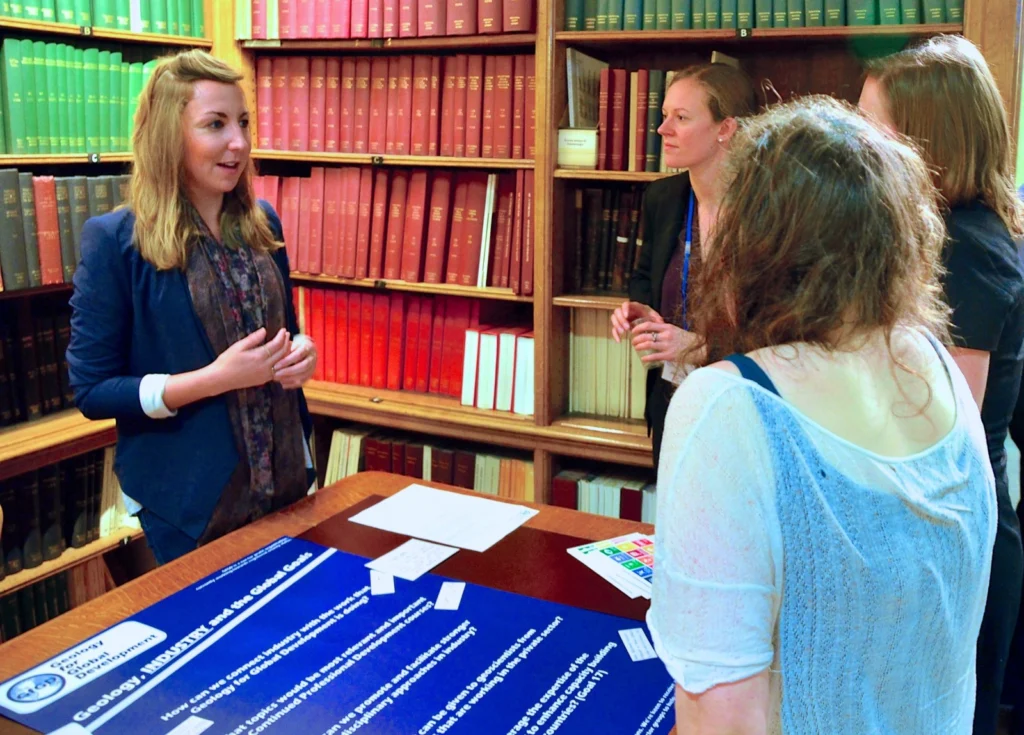
Geology for Global Development (GfGD) is a registered charity, working to mobilise and reshape the geoscience community to help deliver the UN Sustainable Development Goals (SDGs). To support this mission, a network of professionals is being established, aiming to promote GfGD’s vision and objectives, facilitate knowledge sharing and catalyse discussion around geoscience-for-development themes, and support …[Read More]
Geochemistry, Mineralogy, Petrology & Volcanology
How do crystal aggregates form in magma chambers?
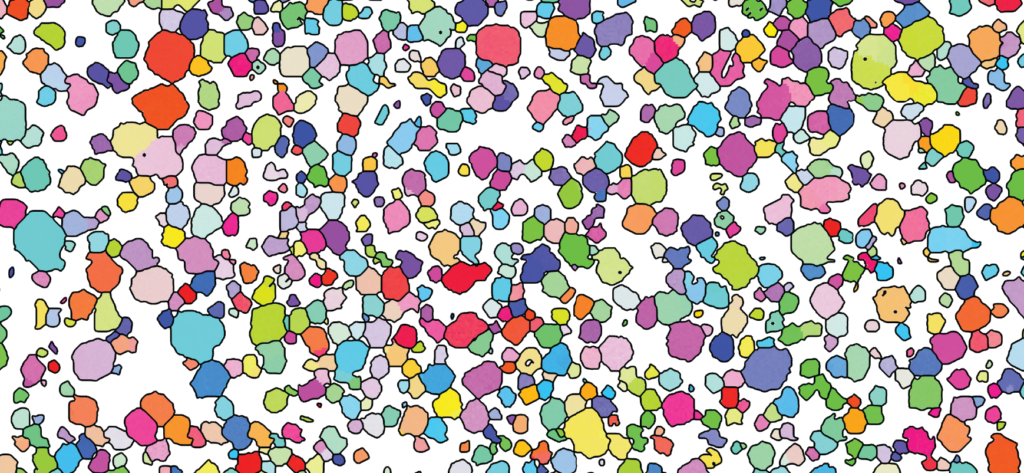
By Penny Wieser (PhD student at the University of Cambridge) Clues into the inner workings of volcanoes can be gleamed from material which is erupted at the surface, or that which solidified at depth in the crust. Just before eruption, three main phases are present: a gas phase (containing water, carbon dioxide, sulphur, chlorine etc), …[Read More]
Geology for Global Development
The seven frames of climate discussion in the media. How climate liability pushes for corporate action. Are we already unwittingly geoengineering the oceans? Jesse Zondervan’s August 2019 #GfGDpicks #SciComm
Each month, Jesse Zondervan picks his favourite posts from geoscience and development blogs/news which cover the geology for global development interest. Here’s a round-up of Jesse’s selections for the last month: As Greta Thunberg hits the news with her zero-carbon crossing of the Atlantic, this month discussion on adaptation to climate change is voluminous. Coverage …[Read More]
Tectonics and Structural Geology
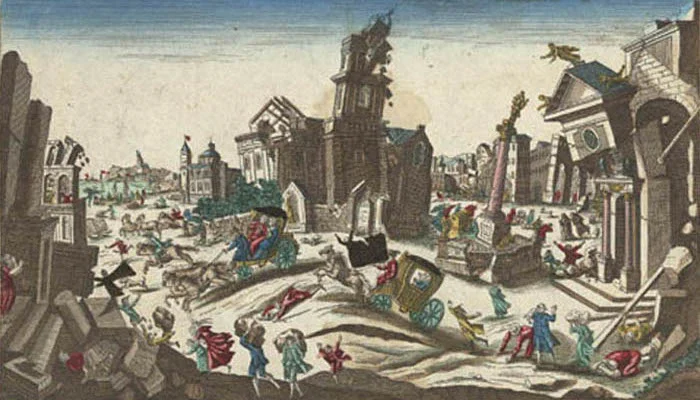
Beyond Tectonics: How the tectonic events of 1783 were perceived by the population of Europe
This edition of “Beyond Tectonics” is brought to you by Katrin Kleemann. Katrin is a doctoral candidate at the Rachel Carson Center/LMU Munich in Germany, she studies environmental history and geology. Her doctoral project investigates the Icelandic Laki fissure eruption of 1783 and its impacts on the northern hemisphere. “A Violent Revolution of Planet Earth” …[Read More]