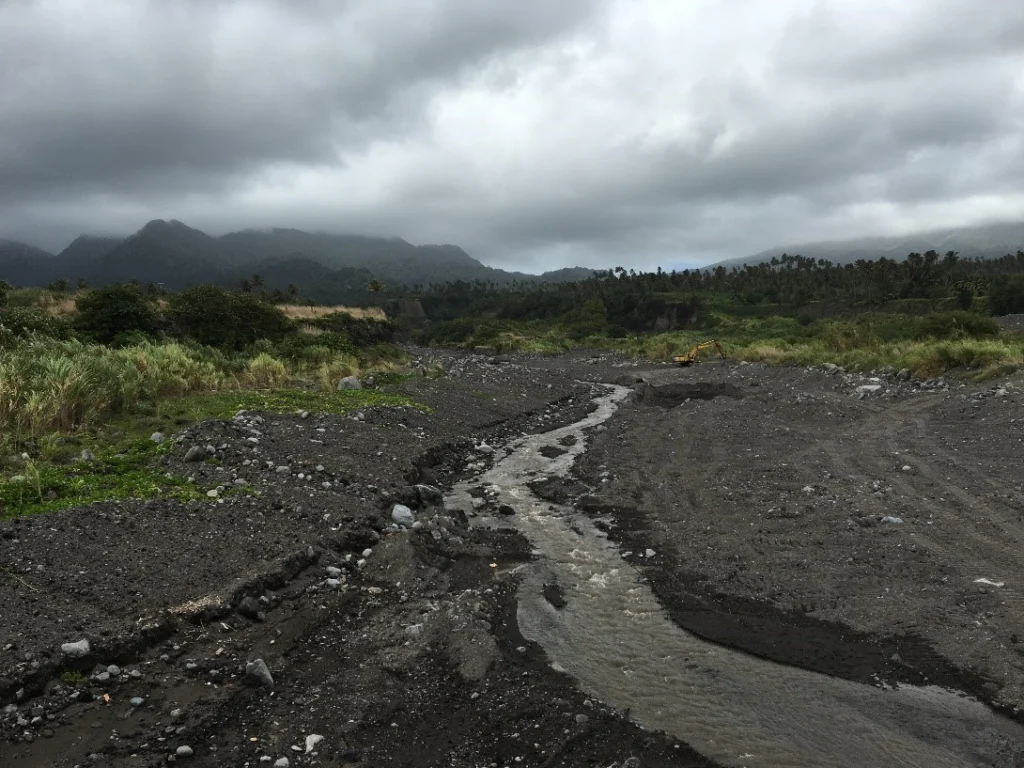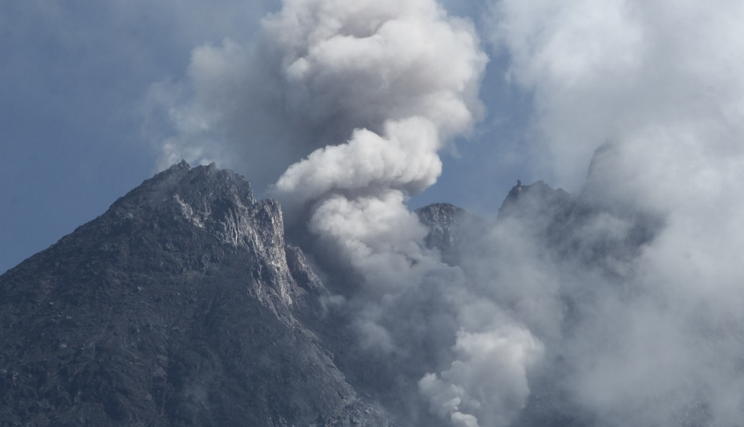
Introduction Humans have existed and lived alongside volcanoes for as long as we have been on the planet. For some, this has been beneficial and often, in fact, we can see how indigenous knowledge finds a sustainable approach living with them. However, in some cases, societies cannot cope and are overwhelmed with volcanic eruptions. There …[Read More]
Latest posts
Can limestone digestion by volcanoes contribute to higher atmospheric carbon dioxide levels?
By Frances Deegan and Ralf Halama Carbon – the element on everyone’s lips. Carbon is unquestionably one of the most important elements on Earth – terrestrial life is carbon-based and so are many of our energy sources. From the perspective of a human time-scale, biological and anthropogenic (caused by human activity) carbon fluxes are very …[Read More]
Cryo-adventures – Behind the scenes of cryo-fieldwork
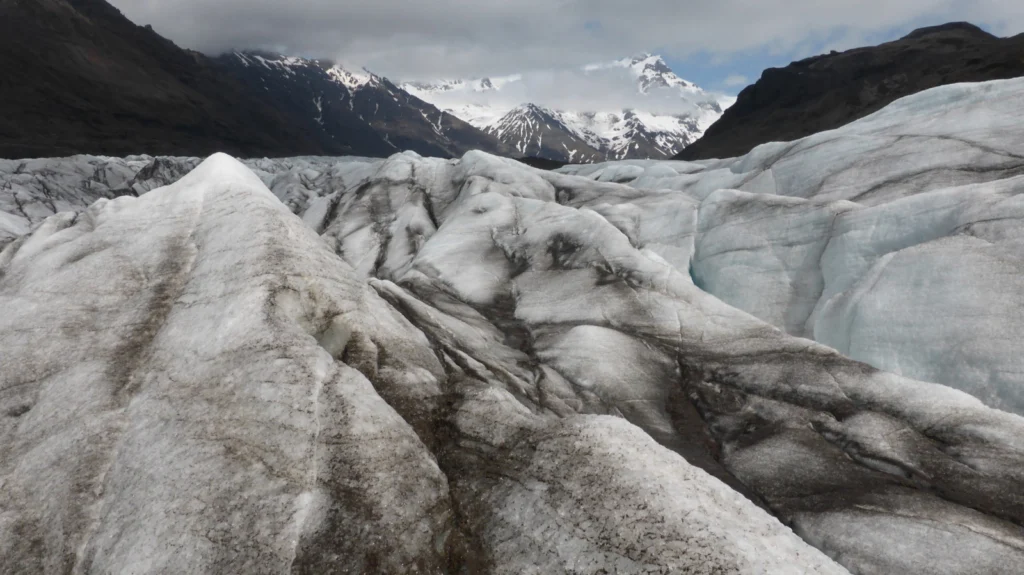
As the Arctic is warming faster than the global average, Arctic glaciers are rapidly melting. My research is about the fate of glacial organic carbon when the ice containing it melts. To investigate these processes, I travelled to several glaciers, an activity full of challenges… and rewards! My research Glacier ice covers about 11% of …[Read More]
Geothermal Energy and Structural Geology?
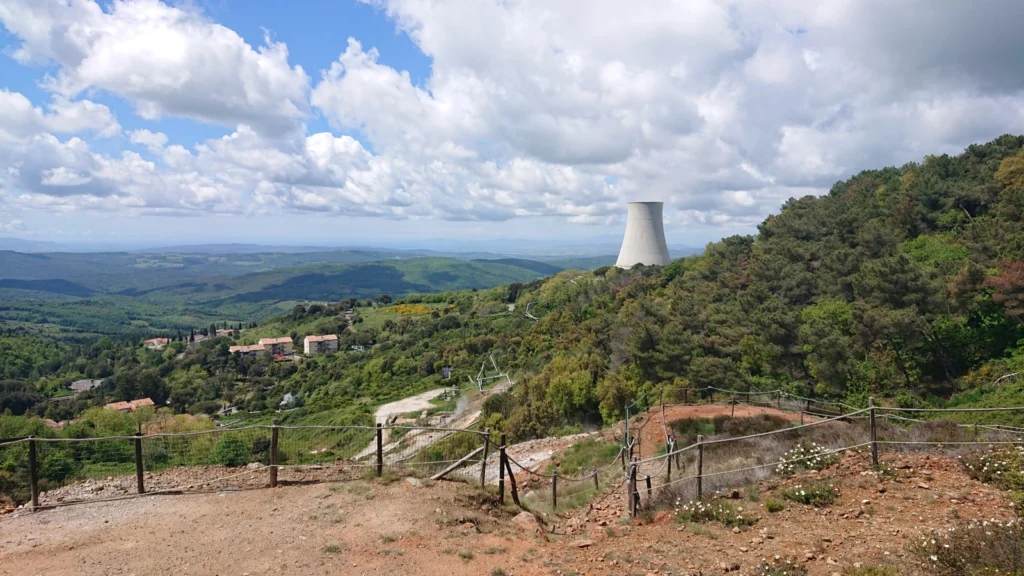
Fieldwork is a necessity to expand the brain, to kick-start 3D thinking. Field studies with a specific application in mind have – until now – usually been geared towards hydrocarbon reservoirs. However, with the increasing use of the subsurface, for example for CO2 storage and geothermal energy, alternative field studies gain importance. Here, we will …[Read More]
The Sassy Scientist – Earthquake Exoteries Nr. VI
Every week, The Sassy Scientist answers a question on geodynamics, related topics, academic life, the universe or anything in between with a healthy dose of sarcasm. Do you have a question for The Sassy Scientist? Submit your question here or leave a comment below. In a comment on a post about the key papers in geodynamics, …[Read More]
Geosciences Column: Taking a Breath of the Wild – are geoscientists more effective than non-geoscientists in determining whether video game world landscapes are realistic?
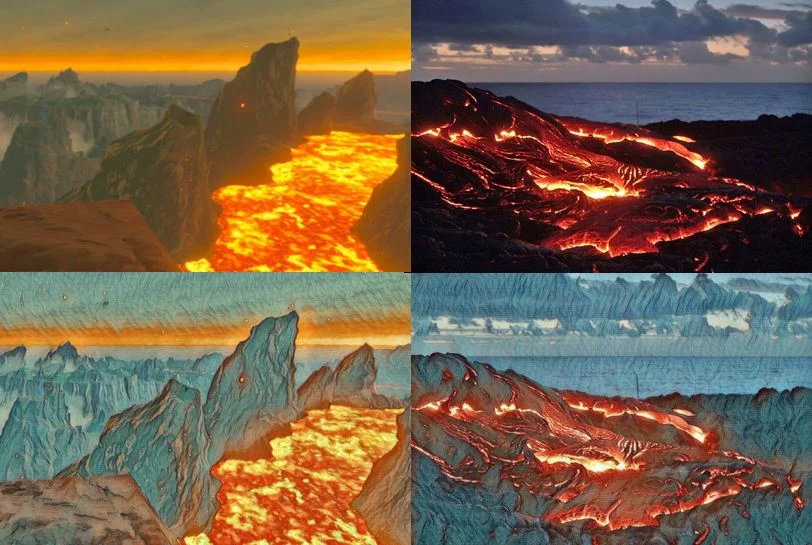
For years, geoscientists have been both fascinated and perplexed by the beautiful (yet often inaccurate) landscapes present in several video games. But are people with a geoscientific education better at telling ‘fake’ natural features from real ones? Rolf Hut, an assistant professor at Delft University of Technology in the Netherlands, and his colleagues sought to …[Read More]
Featured catchment series: Disentangling the ecohydrology of a tropical hotspot!
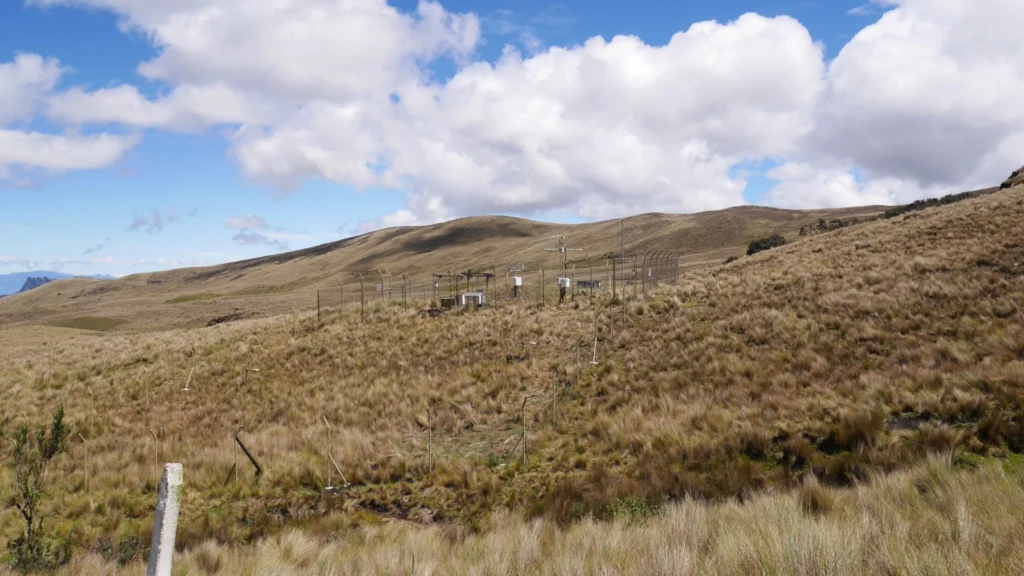
Zhurucay Ecohydrological Observatory: Critical zone observations at the top of the Andes! A natural laboratory of tropical alpine ecohydrology Tropical alpine ecosystems, known as the Páramo, extend to high elevations (3,000-5,000 m a.s.l.) mainly through the northern Andes of South America from Venezuela to northern Peru. Given their geographical location and elevation, Páramo areas are …[Read More]
Imaggeo on Mondays: The glacier surviving climate change
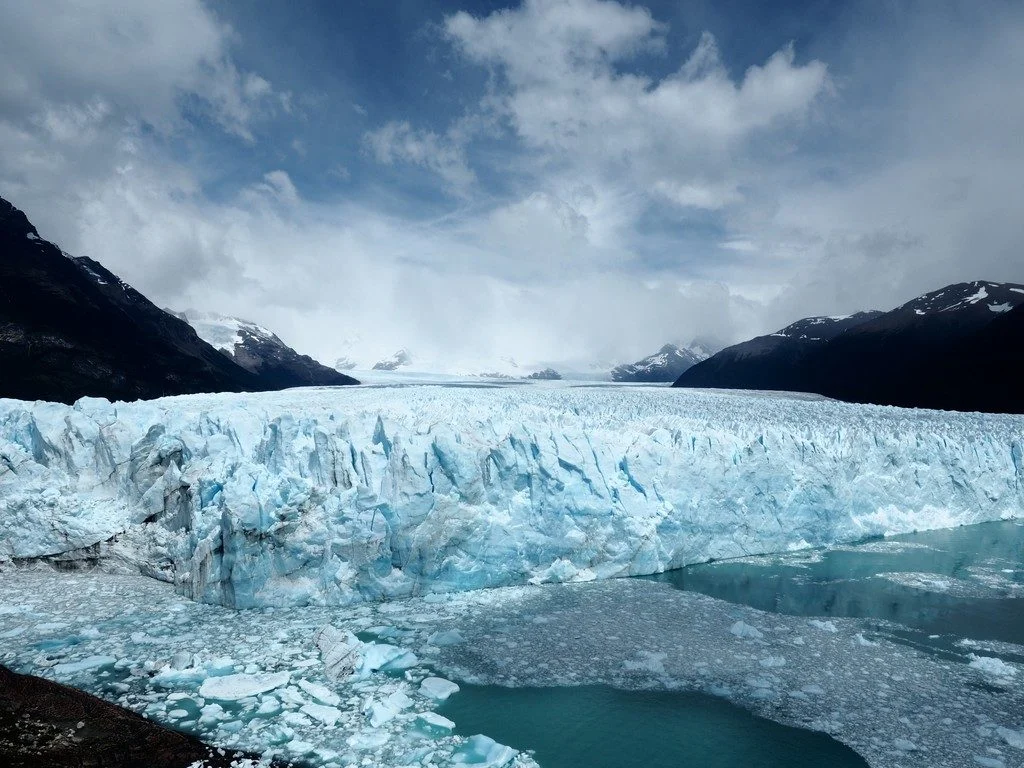
Human impacts on the climate are nowadays clearly discernible, and the changes to our climate that previously happened in geologic time scales are currently happening during the span of a human lifetime. Our planet is warming and temperature today is now more than 1°C higher than it was in the pre-industrial world and rises by …[Read More]
NP Interviews: the 2019 Lewis Fry Richardson Medallist Shaun Lovejoy
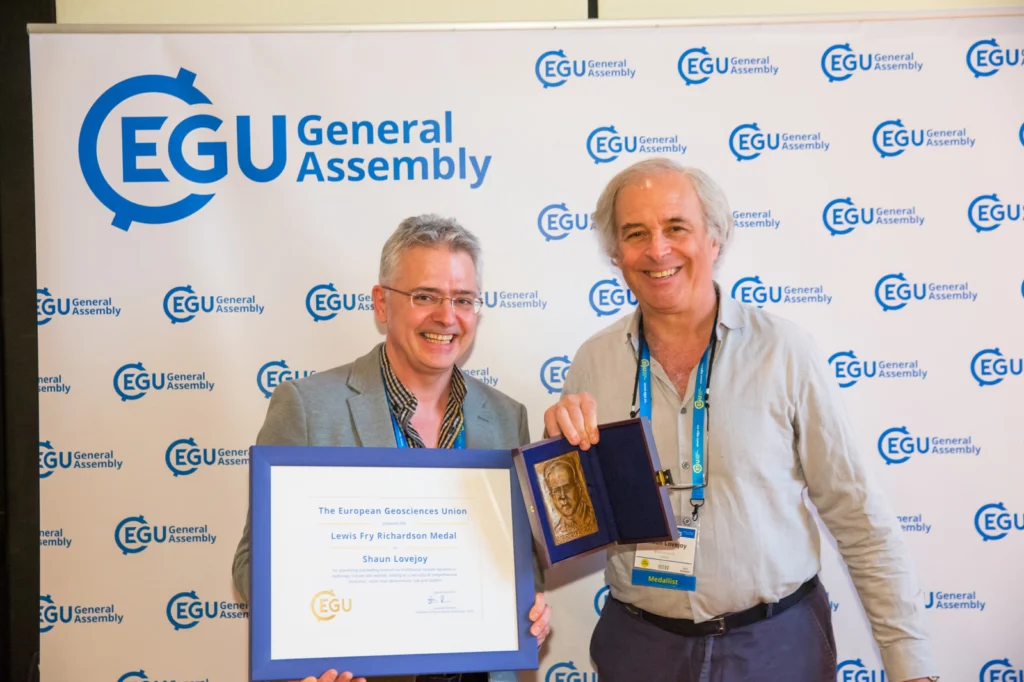
Today’s NP Interviews hosts the Lewis Fry Richardson Medallist Shaun Lovejoy. Shaun has degrees in physics from Cambridge and McGill University; he has been a McGill professor since 1985. For four decades, he has developed fractal, scaling ideas in the geosciences, contributing to advances in cascade processes, multifractals, anisotropic scale invariance, space-time multifractal modeling as …[Read More]
EGU General Assembly 2020: Apply to be our next artist in residence!
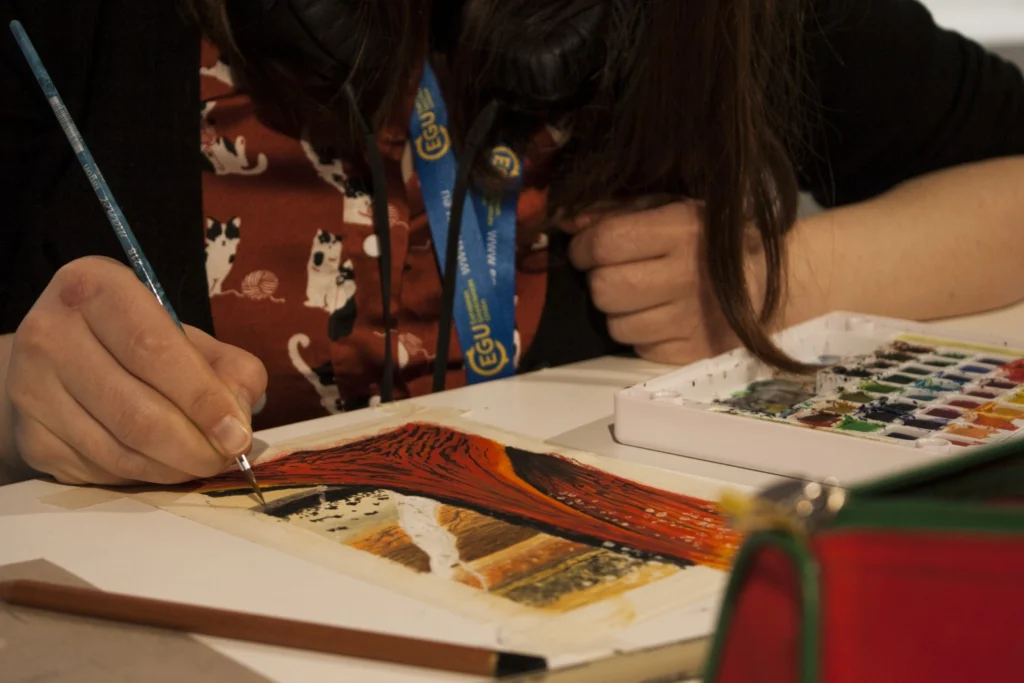
Calling all artists interested in the geosciences! For the third year in a row, the European Geosciences Union (EGU) will be providing artist in residence opportunities at its annual General Assembly. Our residency programme provides artists with an opportunity to engage with scientific research in a dynamic setting and be inspired by new scientific discoveries. …[Read More]