Due to the ongoing coronavirus outbreak, EGU has made the decision to cancel this year’s physical General Assembly in Vienna and instead offer a partial alternative meeting online, called #shareEGU20. Over the next few weeks in the run up to #shareEGU20, which will be held from the 4 – 8 May 2020, we will be …[Read More]
Latest posts
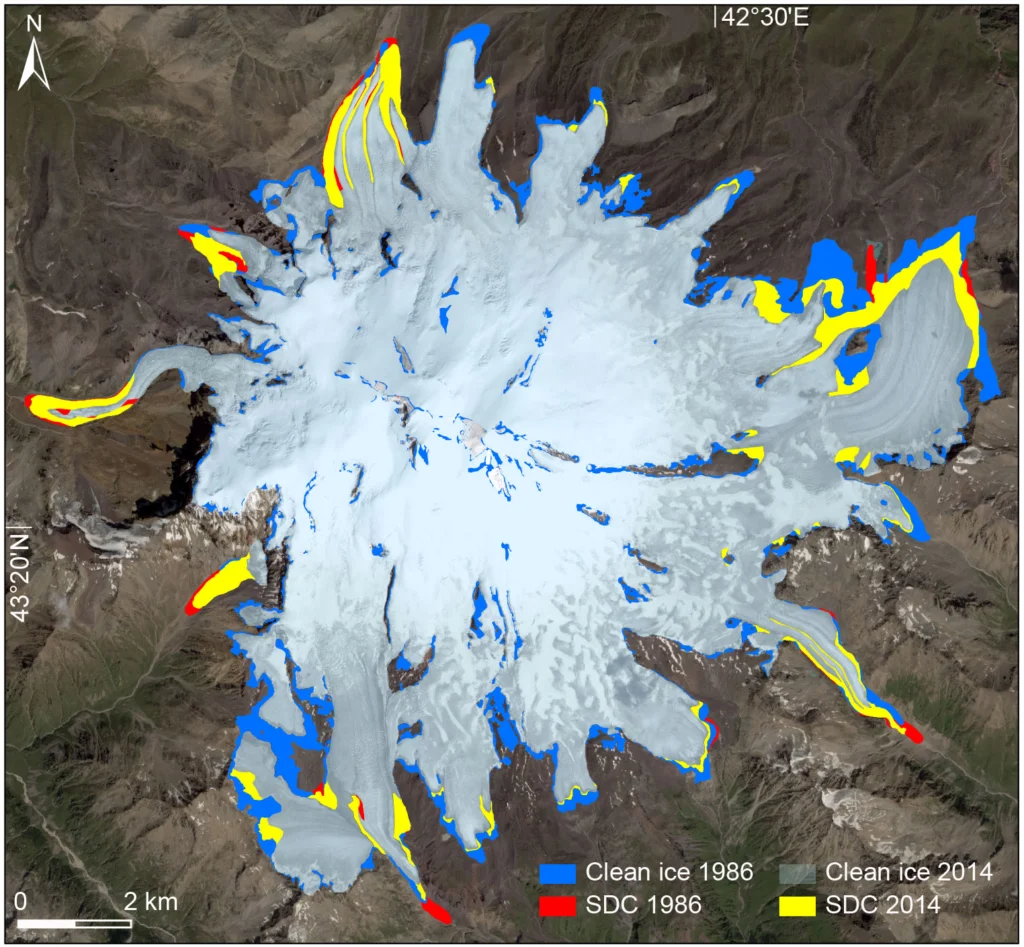
Does debris cover offset glacier retreat in the Greater Caucasus?
In this week’s blog, Levan Tielidze tells us about supra-glacial debris cover change for the Greater Caucasus. His recent study indicates more than a doubling in the area of supra-glacial debris cover for the Elbrus Massif‘s glaciers from 1986 to 2014, the largest glacierized massif in the whole region. Glaciers on the western slope of …[Read More]
The Sassy Scientist – Solely Sequestered
Embedded on a chair behind a laptop, with no access to the university labs in the foreseeable future and hands-on research activities stalling, Felicia resides ensconced: I need to access my lab to do my research, but I am not allowed to go. What can I do? Dear Felicia, Not very much by the looks …[Read More]
Seismology Job Portal
On this page, we regularly update open positions in Seismology for early career scientists. Do you have a job on offer? Contact us at ecs-sm@egu.eu Please, note that other available research positions are displayed on the EGU Jobs Portal.
#shareEGU20: planning your week of digital interaction!
Earlier this week, we announced that the new and revised schedule for #shareEGU20 has been released. If you missed that announcement you can take a look at the website for that here, it’s ok, we will wait… Now that you have had a quick look, maybe found your abstract, or session, you probably have …[Read More]
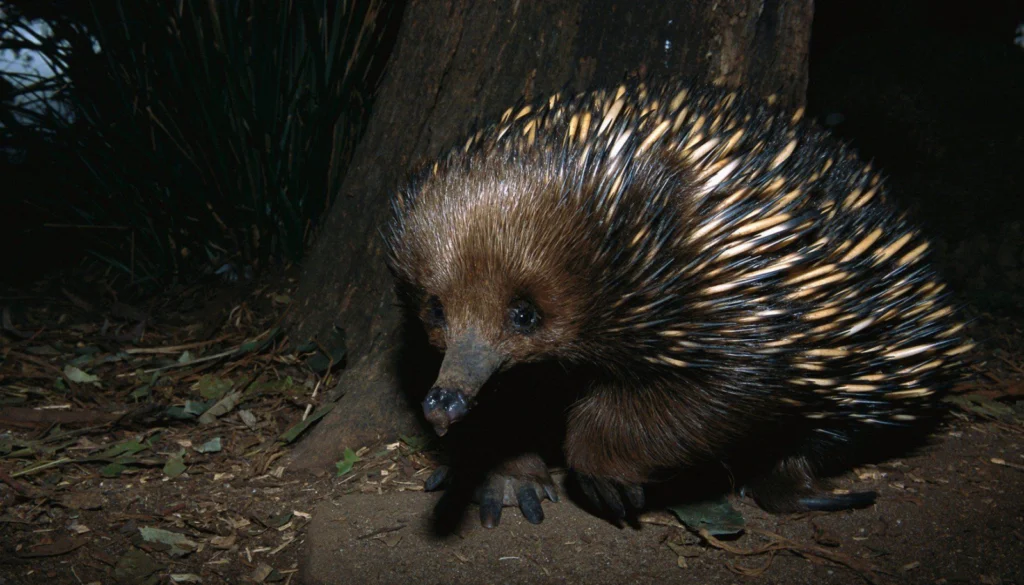
The spikey end of geodynamics: The story of the echidna and plate tectonics
This week, Craig O’Neill, Associate Professor and director of the Planetary Research Center at MacQuarie University shows that not only humans are suffering from the consequences of global warming. The recent Australian bushfire season has precipitated a shift in the Australian – and the world’s – perception of the urgency of addressing climate change. With …[Read More]
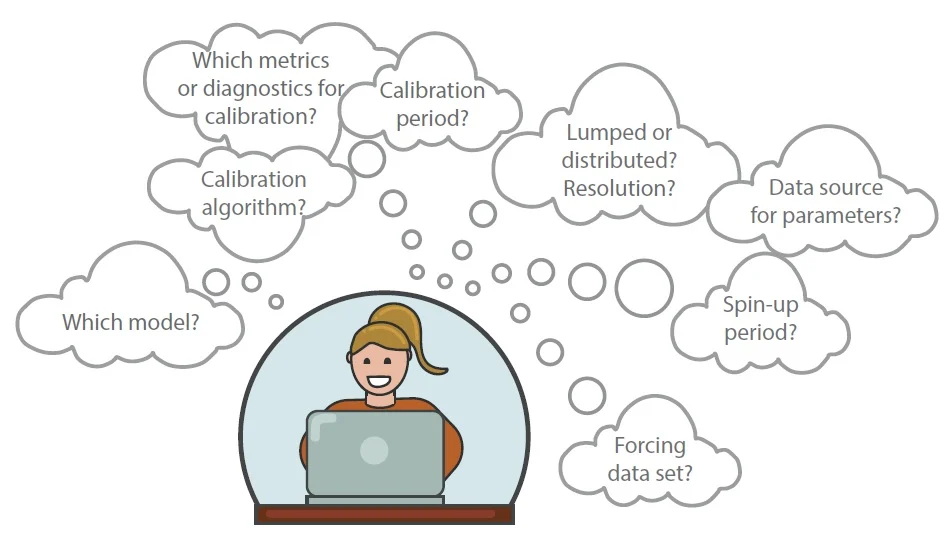
On modelers and modeling
Several studies were conducted and are ongoing where we investigate modelers, modeling decisions and modeling perceptions. Below I discuss the rationale and a summary of the (preliminary) results. Simulation models, conceptualizations of processes into a system of mathematical equations (hereafter simply referred to as models), are frequently used tools in the hydrological sciences. The literature …[Read More]
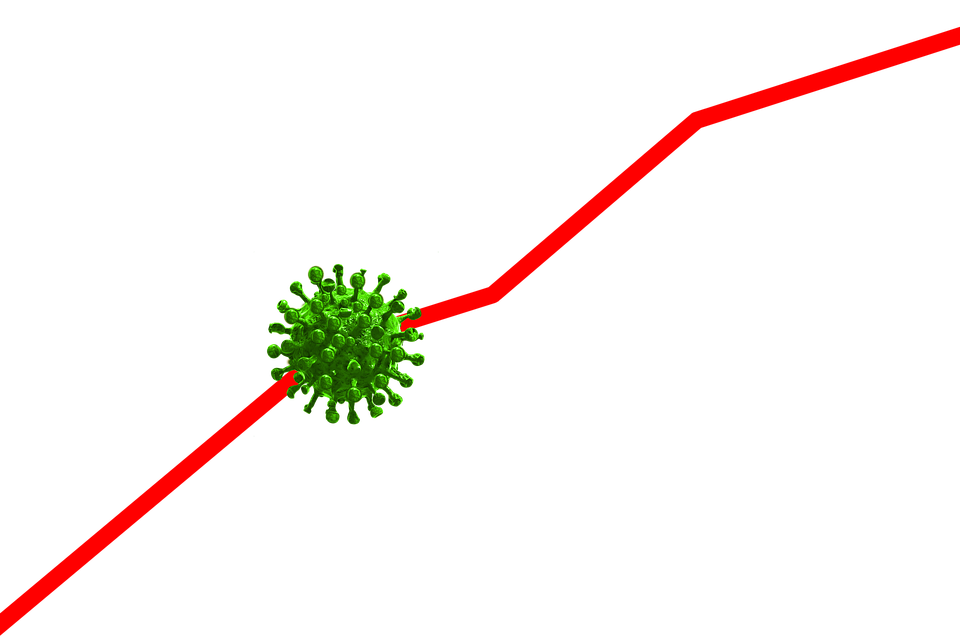
How Climate Sciences can help in understanding uncertainties in Covid-19 epidemic projections
COVID-19 is currently affecting over 180 countries in the world and poses serious threats to public health as well as economic and social stability of many countries. Modeling and extrapolating in near real-time the evolution of COVID-19 epidemics is a scientific challenge, which requires a deep understanding of the factors undermining the dynamics of the …[Read More]
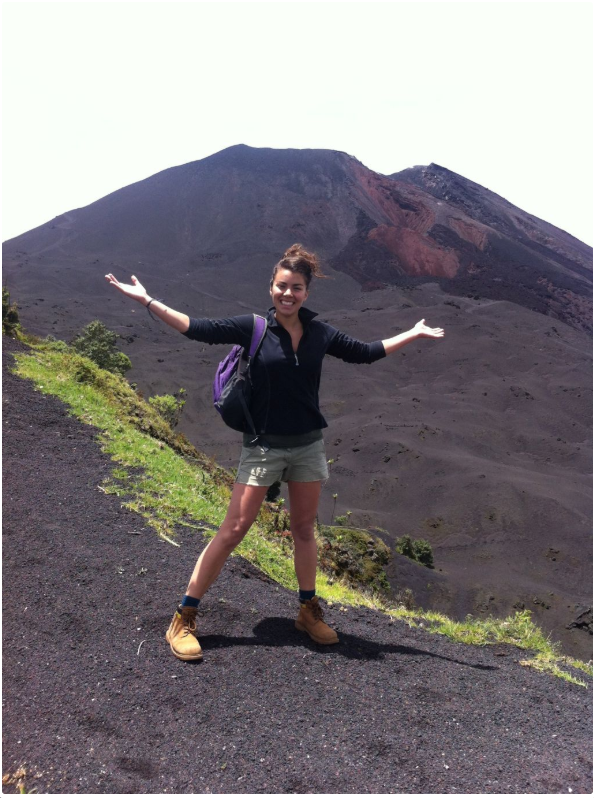
Introducing Our New Authors – Cecilia Reed
Over the next few weeks, we’d like to introduce you to some new faces on the GfGD blog, bringing fresh ideas and perspectives on topics relating to geoscience and sustainable development. We’re delighted to have their input and look forward to their posts. Today we interview Cecilia Reed – a creative earth science communicator and …[Read More]
underground social solidarity: rose, thorns and buds in the COVID-19 pandemic
Well, the world is certainly in a crazy time – one of the most enlightening tweets that I keep thinking about is: In a longer article, Klein asks a crucial question: can social solidarity replicate faster than the virus? So to encourage social solidarity in our dispersed global community of groundwater nerds, I suggested we …[Read More]