The paper describes how large, rigid, aseismic regions can be defined with Euler’s theorem, which describes the geometry of motion on a sphere, i.e. the Earth’s surface. Points on these large and rigid blocks move in relation to other blocks describing small circles set by their rotation pole. The paper describes this as “paving stone …[Read More]
Latest posts
Nonlinear Processes in Geosciences
NPG Paper of the Month: “Simulation-based comparison of multivariate ensemble post-processing methods”
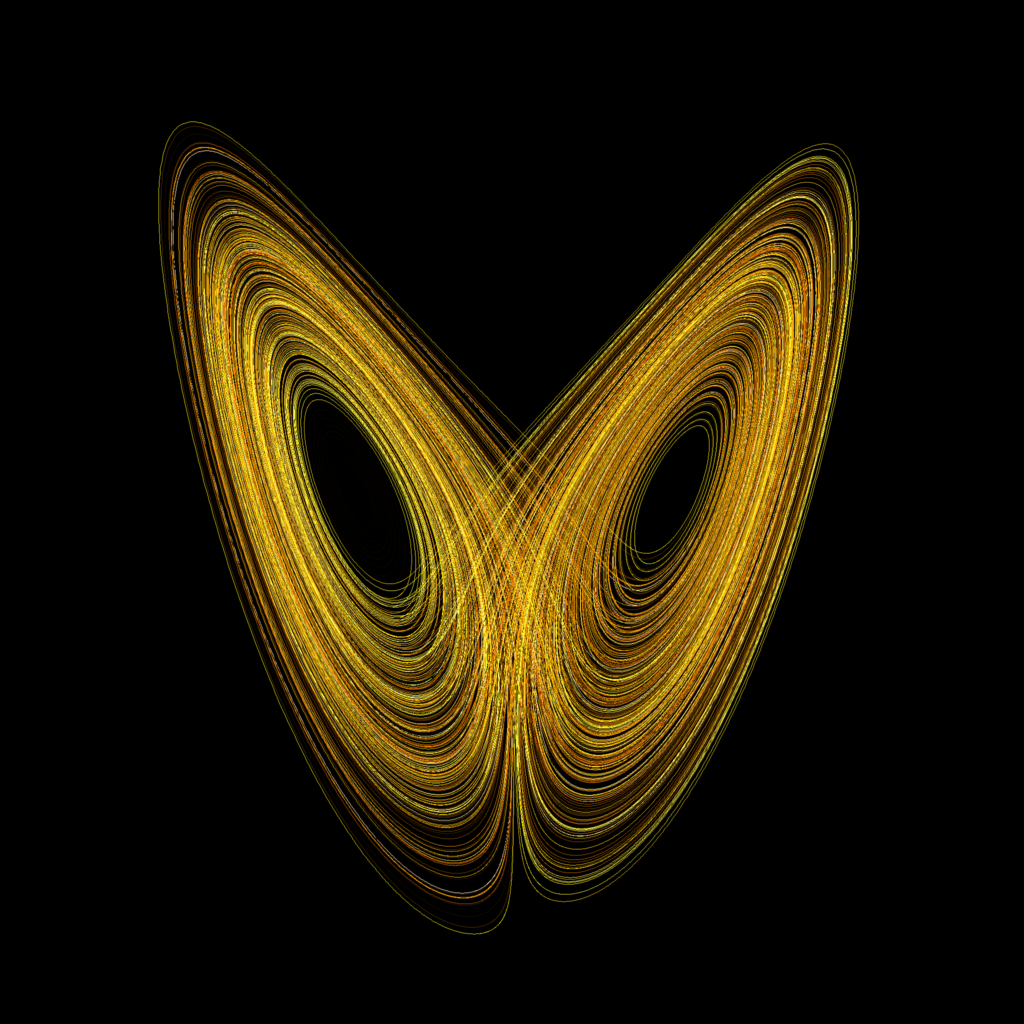
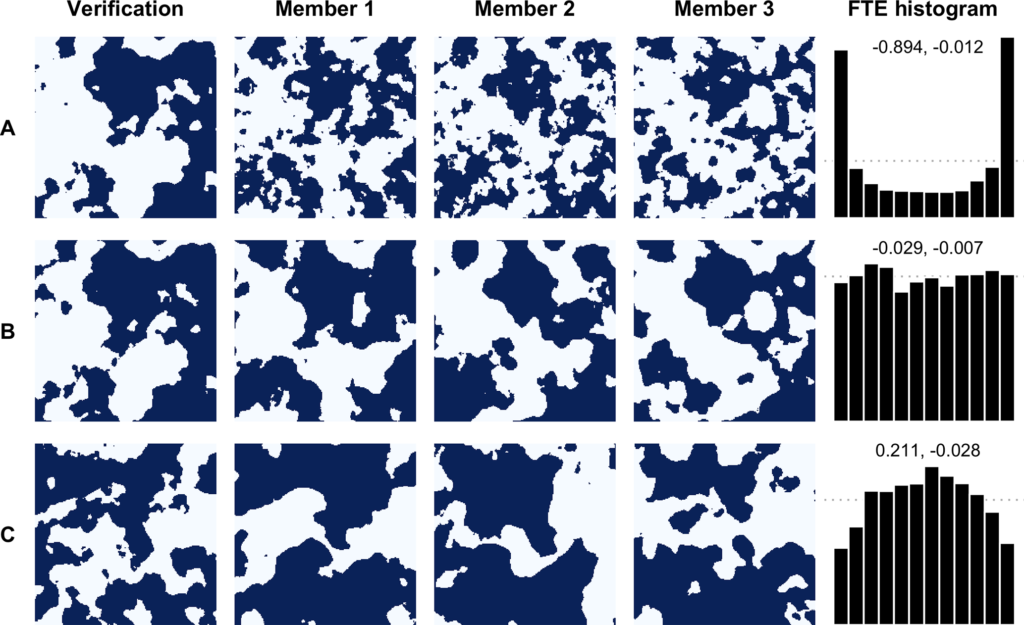
The June 2020 NPG Paper of the Month award goes to Sebastian Lerch and colleagues for their paper “Simulation-based comparison of multivariate ensemble post-processing methods” (https://doi.org/10.5194/npg-27-349-2020). Sebastian Lerch is a researcher at the Faculty of Mathematics of the Karlsruhe Institute Technology (KIT). He has a background in mathematics and statistics, his research interests include probabilistic …[Read More]
GeoLog
GeoRoundup: the highlights of EGU Journals published during September!
Each month we feature specific Divisions of EGU and during the monthly GeoRoundup we will be putting the journals that publish science from those Divisions at the top of the Highlights roundup. For September, the Divisions we are featuring are: Energy, Resources and Environment (ERE) and Geochemistry, Mineralogy, Petrology and Volcanology (GMPV). They are served …[Read More]
GeoLog
Imaggeo On Monday: Blue Olivine in an unusual basalt
Blue Olivine set in a matrix of pyroxene, magnetite and plagioclase in a basalt collected by the photographer, Bernardo Cesare, on the shore of the Sea of Galilee, Israel. Polarized light photomicrograph. Crossed polarizers and red tint plate. Width c. 2.7 mm. Who may have been throwing this stone a couple millennia ago? Description …[Read More]
Natural Hazards
Forests in danger: not only fires!
We often talk about forests for their importance in climate as a carbon sink and oxygen source. For their great role in the preservation of biodiversity, both for vegetation and as habitat for many animal species, for their potential in recreational activities. However, we do not talk a lot about forests in relation to natural hazards. …[Read More]
Climate: Past, Present & Future
Desert loess: formation, distribution, geoscientific value
Loess is an aeolian (wind-driven) silty sediment covering over 10% of the Earth’s land surface; it occurs predominantly in the mid-latitudes. On a global scale, loess is among the most widespread unconsolidated sediments, and of crucial importance for agricultural regions where loess deposits are known to form fertile soils because of its ability to store …[Read More]
GeoLog
Friedrich Mohs and the mineral scale of hardness
One of the most famous identification methods in the study of mineralogy is the Mohs Scale of Hardness. A comparative scale, based on the hardness of each mineral, it is a way geoscientists can compare minerals to each other and organise them based upon an easily testable physical characteristic. Each level of hardness has a …[Read More]
Seismology
Seismology Job Portal
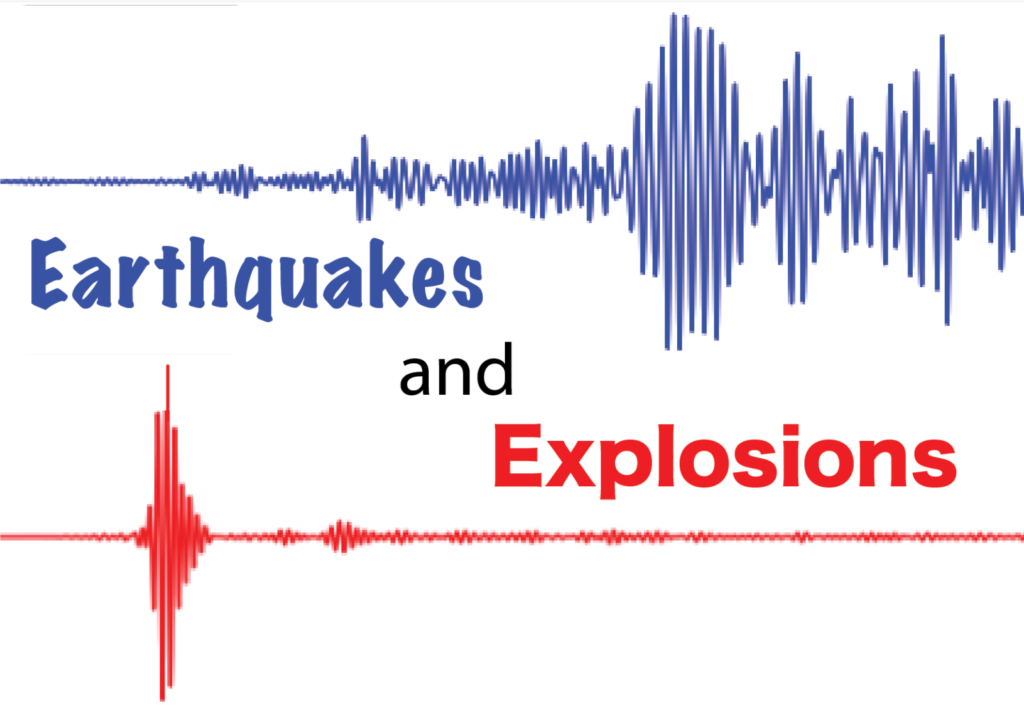
On this page, we regularly update open positions in Seismology for early career scientists. Do you have a job on offer? Contact us at ecs-sm@egu.eu Please, note that other available research positions are displayed on the EGU Jobs Portal.
Cryospheric Sciences
Climate Change & Cryosphere – A brief history of A68, the world’s largest iceberg
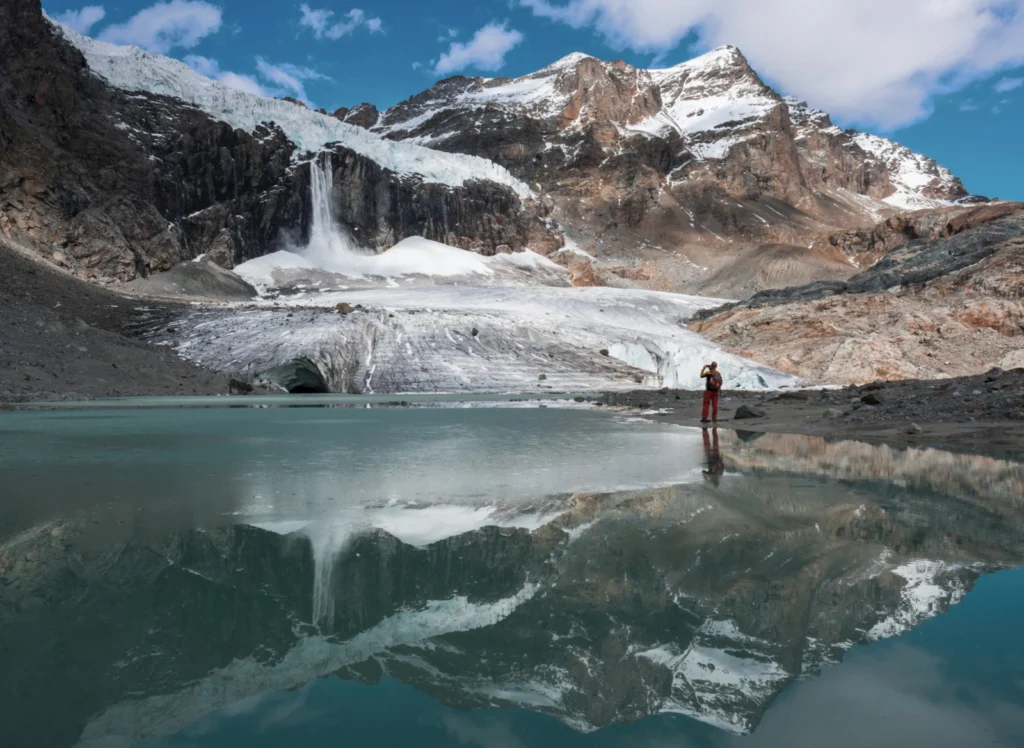
In July 2017, the world’s largest iceberg known as A68 calved from the Larsen C Ice Shelf, located in the western Weddell Sea, Antarctica. Since then, A68 has lost two chunks of ice, A68-B and A68-C, but still remains a giant after more than 3 years. How did it feel to be the greatest, A68? …[Read More]
Geodynamics
The Sassy Scientist – Only Time Will Tell
Being a geophysicist, Eocenia is well aware of the fundamental cyclical rhythm of life – inbox time, coffee time, lunch time, nap time, scream-at-the-cluster time, tea time, pub time, late-night-coding time. But apparently stratigraphers just don’t accept this universal cycle, leaving us all with the question: When will geologists figure out time? Dear Eocenia, Ma …[Read More]