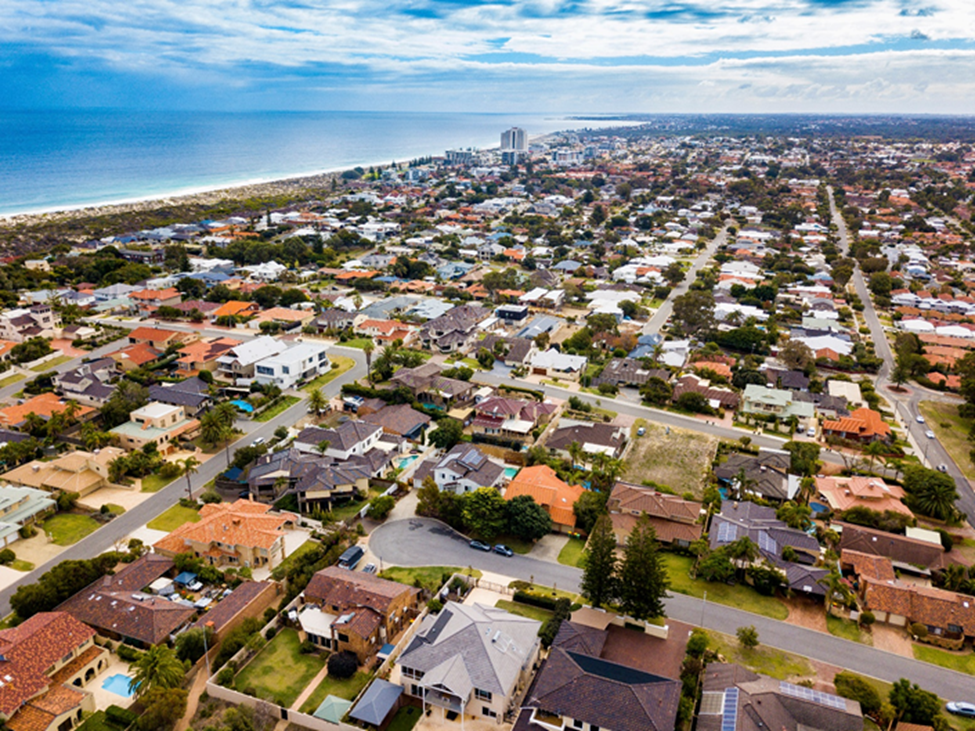
by Margaret Shanafield (Flinders University), Ana Manero (Australian National University), Sally Thompson (University of Western Australia), and Greg Claydon Few urban home buyers are picking their dream home based on depth to groundwater. Yet that water level can play an important role in the quality of life in their new home. Typically, it is only …[Read More]
Latest posts
Imaggeo On Monday: Diversity of resources in forest harvesting systems in the Dehesa (Sevilla, Spain)
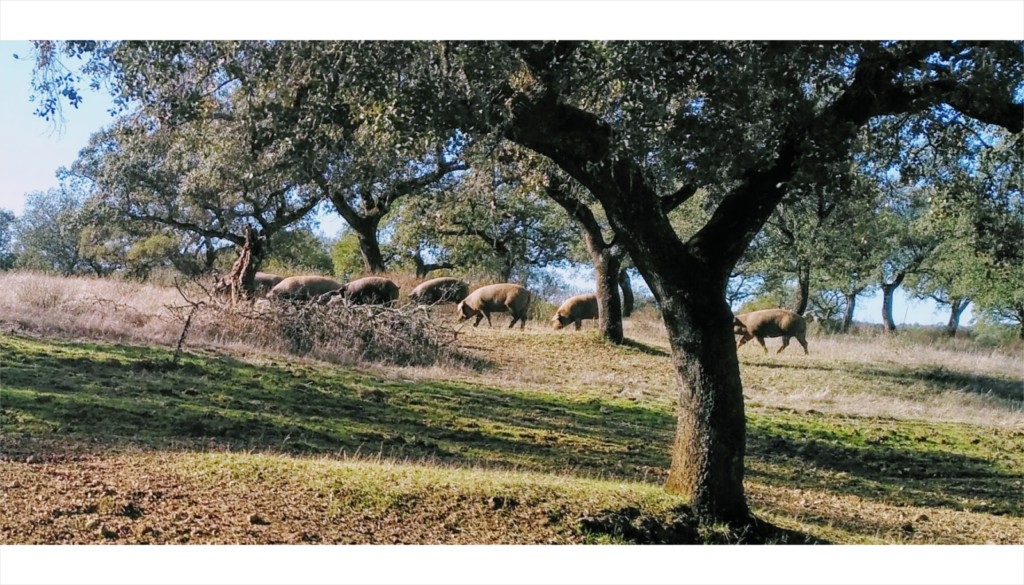
Spanish “dehesas” and Portuguese “montados” are grassland areas with sparse trees (usually oaks) that allow a diversity of agrosylvopastoral uses. Photo by Antonio Jordán, description as shown on imaggeo.egu.eu. Imaggeo is the EGU’s online open access geosciences image repository. All geoscientists (and others) can submit their photographs and videos to this repository and, since it is open …[Read More]
Seismic Field Work at the Equator
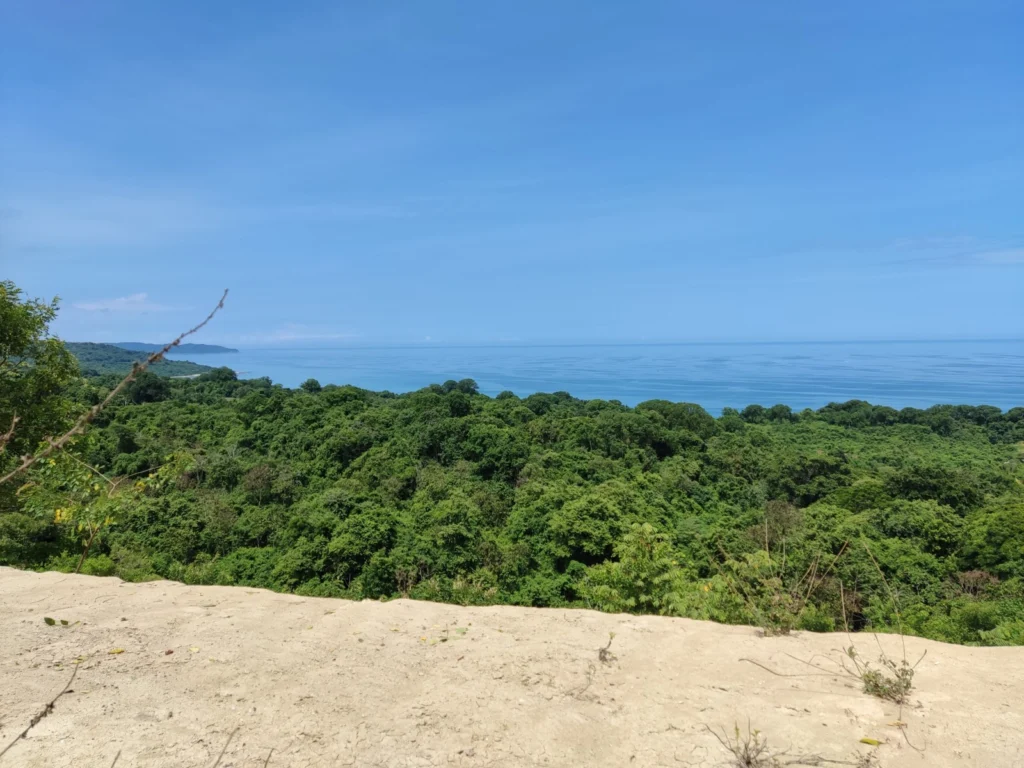
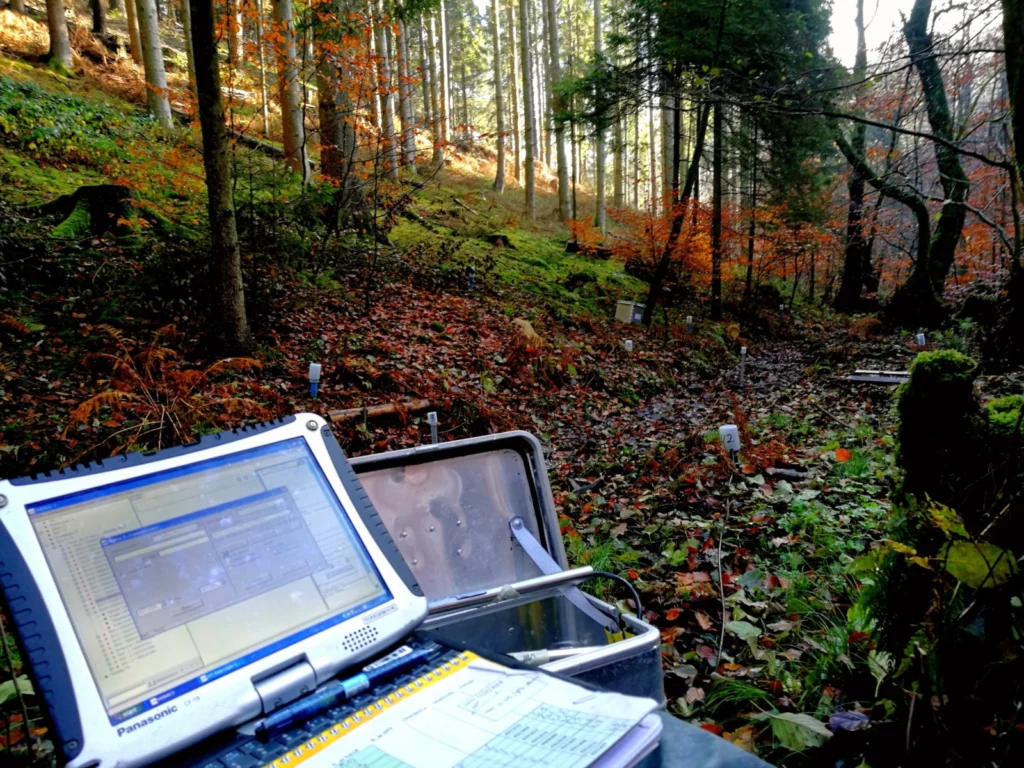
Benedikt Braszus – PhD student at Karlsruhe Institute of Technology, Germany – takes us on a seismic field trip to tropcial Ecuador. Scientists from Géoazur (CNRS/IRD/Observatoire de la Côte d’Azur/Université de la Côte d’Azur), Karlsruhe Institute of Technology, Instituto Geofísico / Escuela Politécnica Nacional (IG-EPN, Quito), Instituto Oceanográfico de la Armada del Ecuador (INOCAR, …[Read More]
To accept or not accept: what makes a good scientific editor
Researchers and those in academia sooner or later come across the scientific editor: the gatekeeper of scientific journals. The editor plays a key role in the publishing process, working closely with authors and reviewers to implement an unbiased peer-review process that upholds rigorous standards. They are often experienced scientists and experts in their field who …[Read More]
The Sassy Scientist – Perhaps Communication Isn’t Key
Lots of people think that the challenging things in academia all relate to the actual science, the nitty gritty coding, the paper writing, developing methodologies etc. However, I’m sure that you’ll be reassured by the fact that many of us are stuck with even the simplest of things. Thats why Alice has come to us …[Read More]
Winds and Antarctic sea-ice cover: what is the role of human activities?
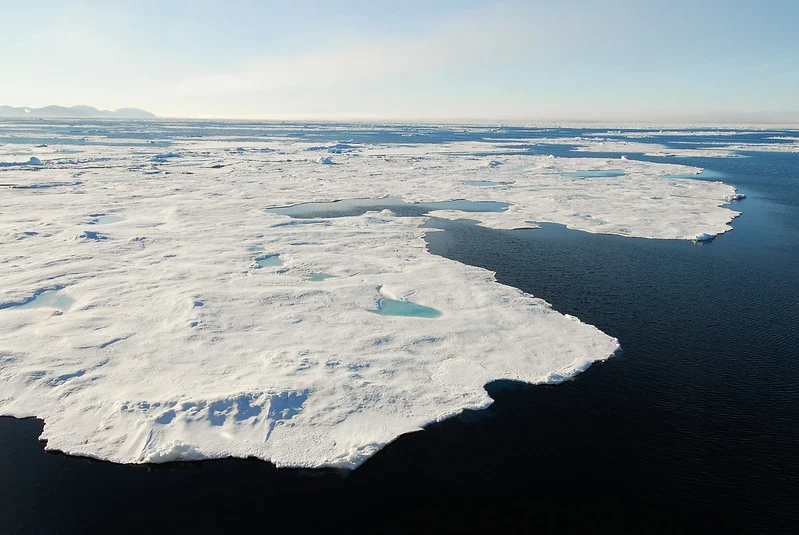
We may not often think about it, but climate in Antarctica can be very different depending on where we are exactly (do not expect palm trees though!). Winds play a big role in shaping these differences, which are reflected – among other things! – on sea ice. But how are these winds related to the …[Read More]
The digitalization of sedimentary outcrops
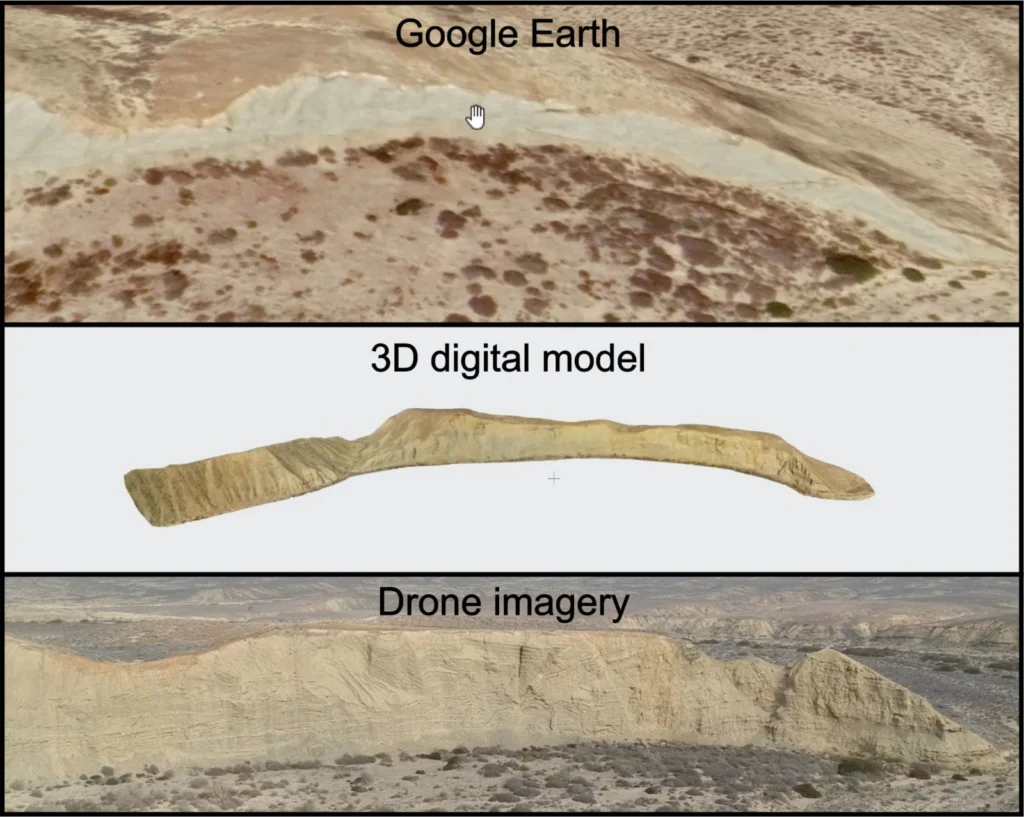
From sketches to first photos Knowledge of geology and, in particular of sedimentology, has successfully been transferred and shared for hundreds of years through sketches. Like a botanist or zoologist, a geologist is able to record data from the field with just a paper and a pencil in the form of drawings (see one of …[Read More]
Meet your BG team 2022/23
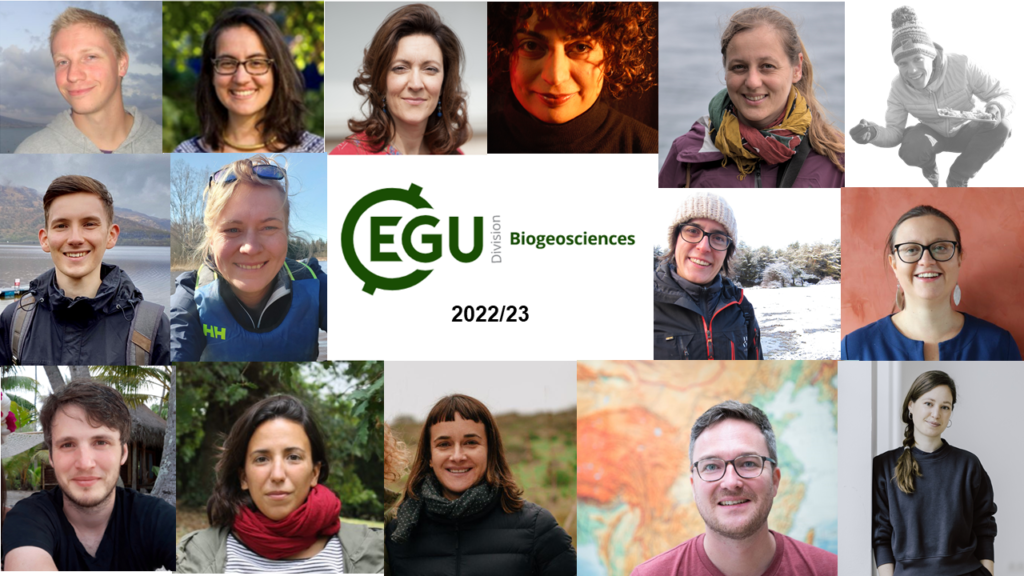
The Biogeosciences division is pleased to have substantially grown over the last year! In this blog post we’ll introduce you to our new representatives and detail how you can get involved in BG activities over the next year. President: Lisa Wingate (INRAE) Lisa (she/her) has been president of the BG division since 2020 and …[Read More]
Interactive peer review: The foundation of EGU’s open access journals
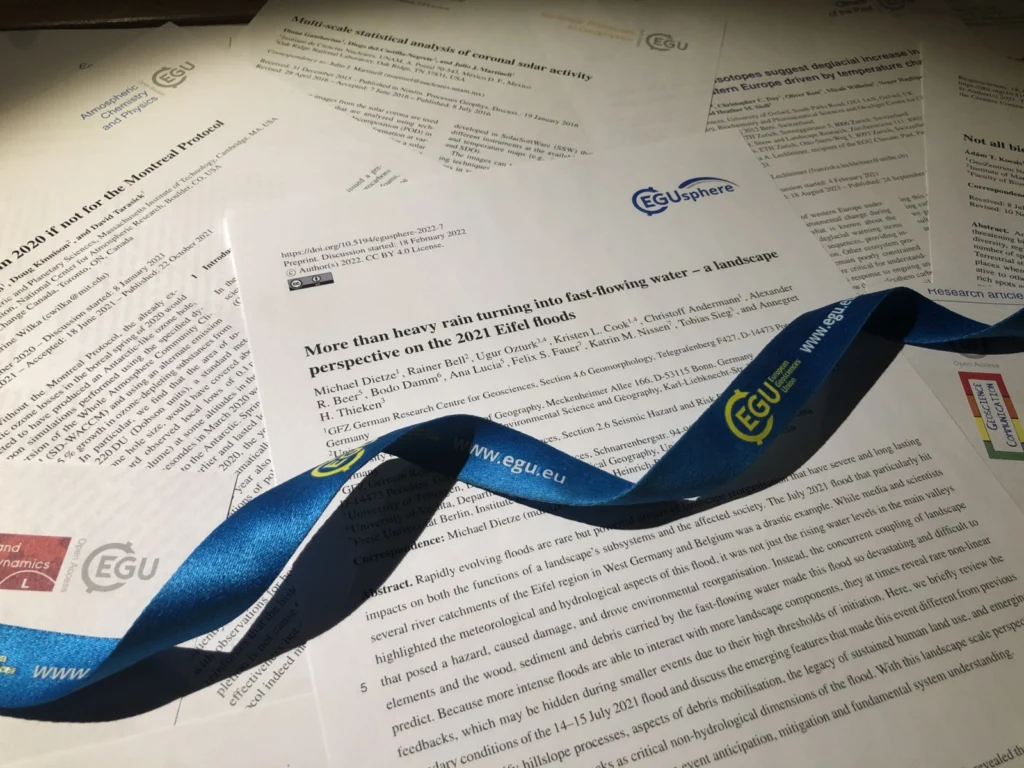
Some 20 years ago, a group of young atmospheric scientists united to shake up the scientific publishing world. Their novel idea was to make the peer review process transparent and allow the scientific community to participate in the discourse – in the truest sense of the word: “reviewed by the peers.” From day one, this …[Read More]
Meet the blog illustrators: Trud Antzée
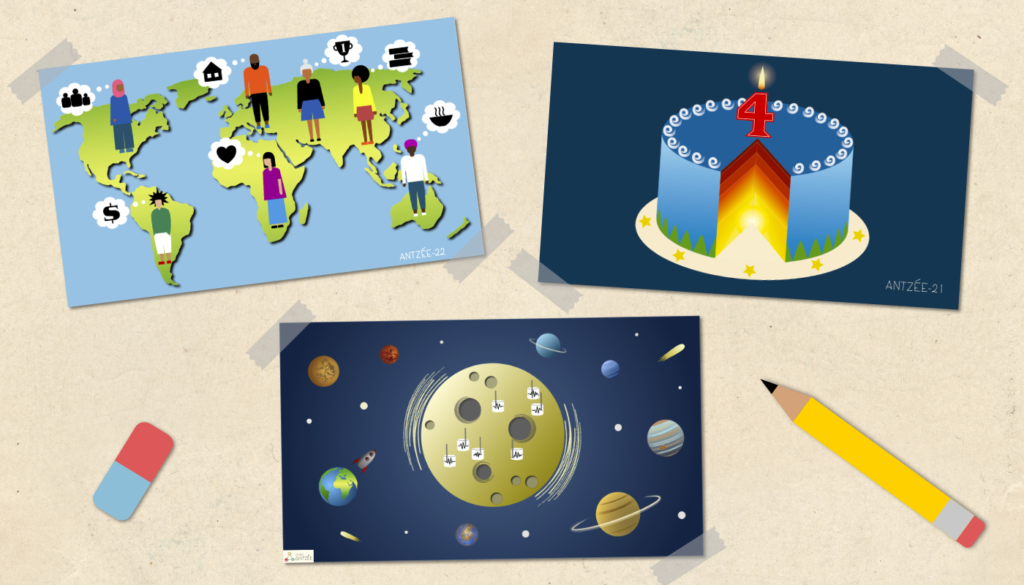
Communicating research to a broad audience is always difficult for scientists. Because of their ability to translate ideas into visuals that can be used to communicate information to a wide range of audiences, scientific illustrators are critical to the communication of scientific information. In this week’s blog, we are introducing Trud Antzée, one of our …[Read More]