We are looking forward to celebrating another excellent exhibition of soil science at this year’s EGU General Assembly. Of course, very little soils research could take place without the work carried out by technicians, laboratory assistants, and research support staff. This monthly blog post is our opportunity to thank these key individuals, and their tireless …[Read More]
Latest posts
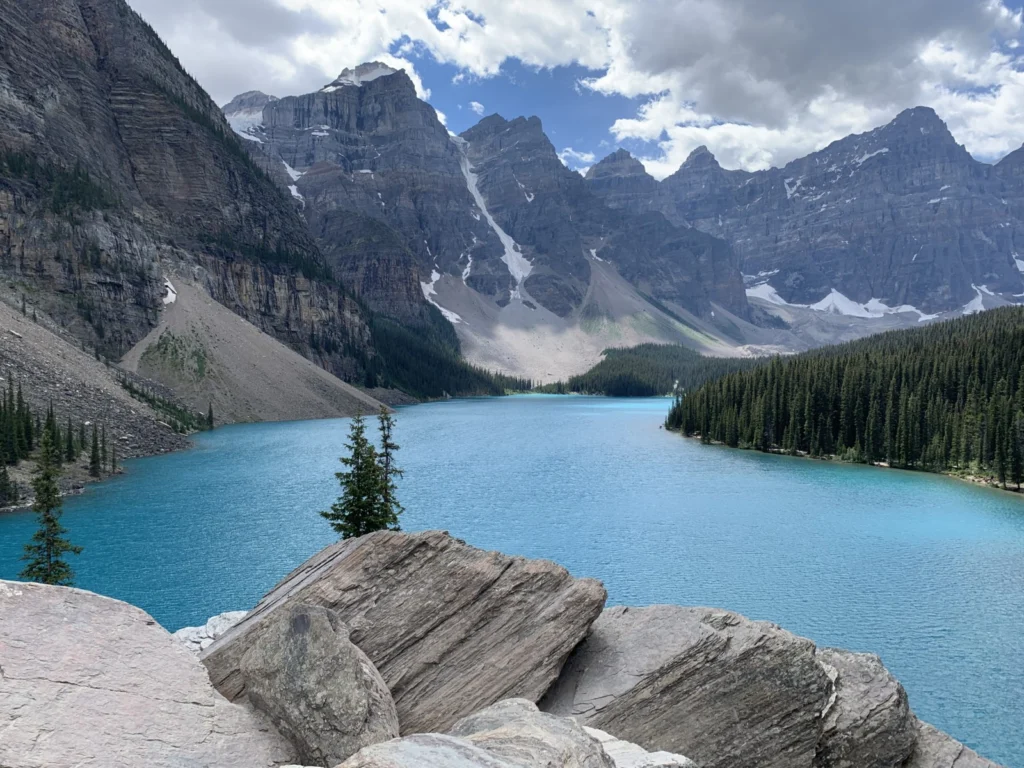
Outcrop analogues to Carbon Sequestration Targets: the Gog Quartzite of Alberta – including a short virtual field trip!
Introduction In 2022 I was asked to put together a virtual field trip looking at carbon sequestration (CCS). We are particularly lucky in Alberta in having three excellent Cambrian targets for CCS including the Basal Cambrian Sandstone, currently being used for CCS in Shell’s QUEST project, quartzites of the Deadwood Formation (being utilized for a …[Read More]
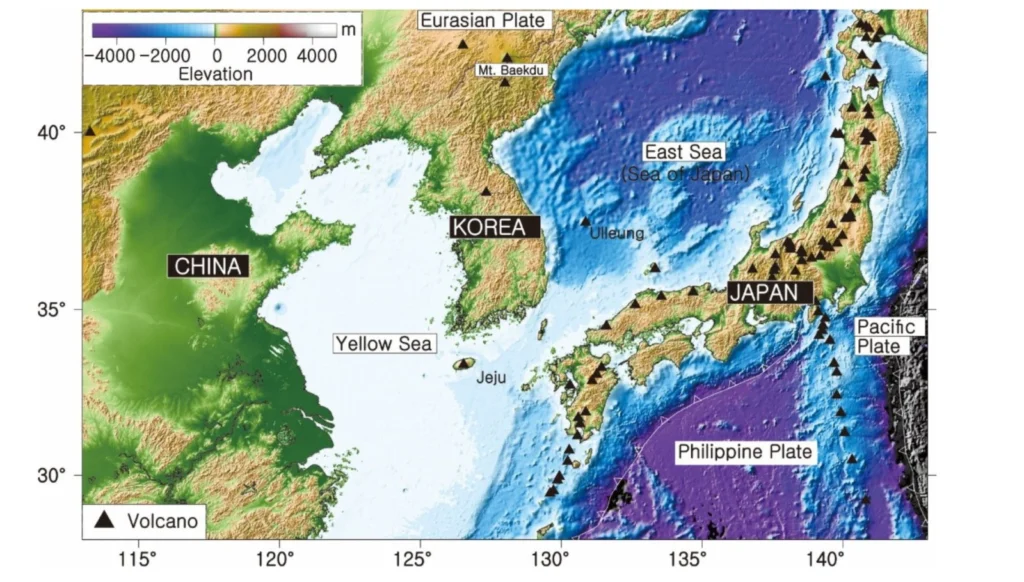
Arc and Intraplate Volcanism in Northeast Asia Since mid-Miocene: Numerical model studies
Northeast Asia may be one of the best natural laboratories to investigate both arc and intraplate volcanisms which have developed since the mid-Miocene. The arc volcanoes have occurred above the sinking young (Philippine) and old (Pacific) oceanic plates in Southwest and Northeast Japan subduction zones, respectively. The intraplate volcanoes across the Korean Peninsula and China …[Read More]
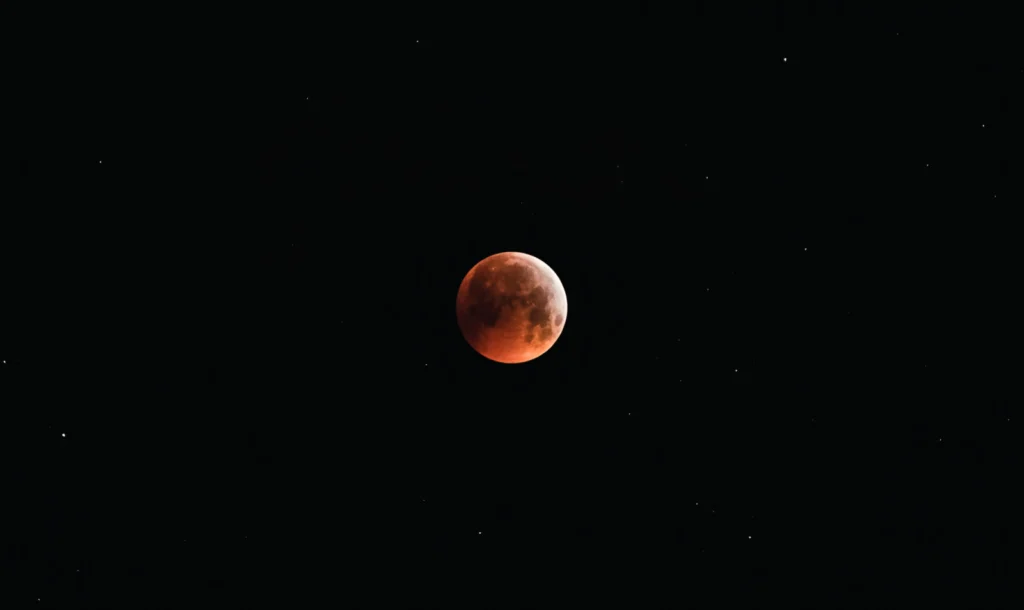
Imaggeo On Monday: Blood moon over Germany
A blood moon occurs during a total lunar eclipse. The sunlight falling through the air layers of the Earth’s atmosphere is refracted inwards, whereby especially the short-wave blue components are weakened by scattering. The long-wave red components, on the other hand, still reach the moon, which leads to the red colouring. Photo by Simon Fuhrmann …[Read More]
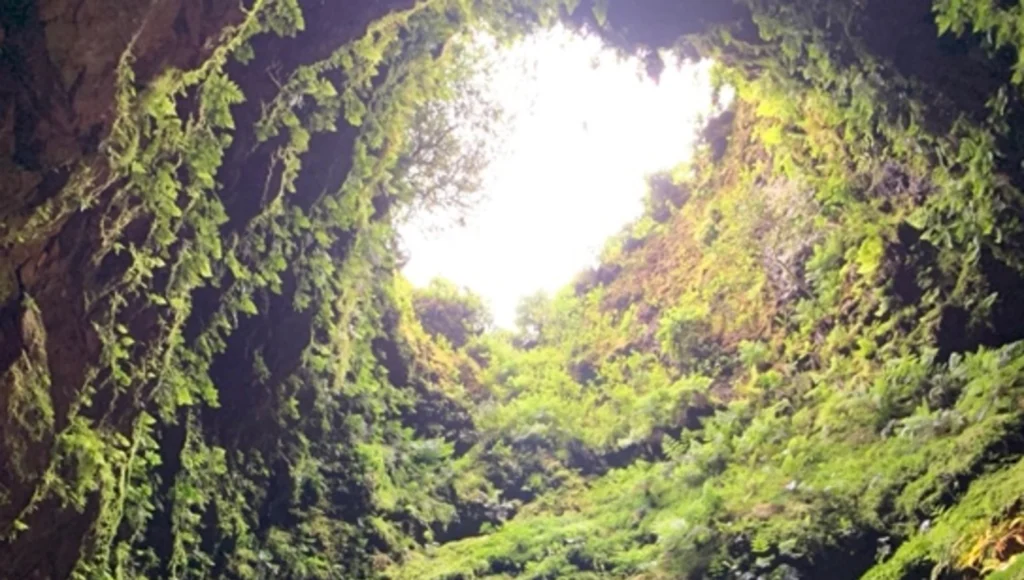
Seismic Swarms in the Azores
Will Sturgeon – Post-Doc at the Earth Sciences Department of University College London, UK – takes us on a journey to the Azores to deploy seismometers in response to the seismic swarm earlier in 2022… Protruding from the central Atlantic Ocean, about 1,400 km west of Lisbon, is an archipelago of nine volcanic islands, known …[Read More]
What’s new at EGU23?
EGU23 is back with longer talks, posters and PICO sessions! While EGU is always great to catch up with colleagues in classical sessions offered every year, here, we want to highlight some new sessions that will premier at EGU23. We have selected a few from each Subdivision to show the broad range of topics covered. …[Read More]
GeoPolicy: What’s coming up for 2023?
2022 was an exciting GeoPolicy year with many new science for policy projects and opportunities beginning and others being restored after a 2020/2021 pause due to COVID19. In 2023, we hope to build on EGU’s current initiatives and bring you yet more opportunities to engage and get involved in European policy! This blog post will …[Read More]
A touch of space weather! An EGU funded outreach project for blind and visually impaired students
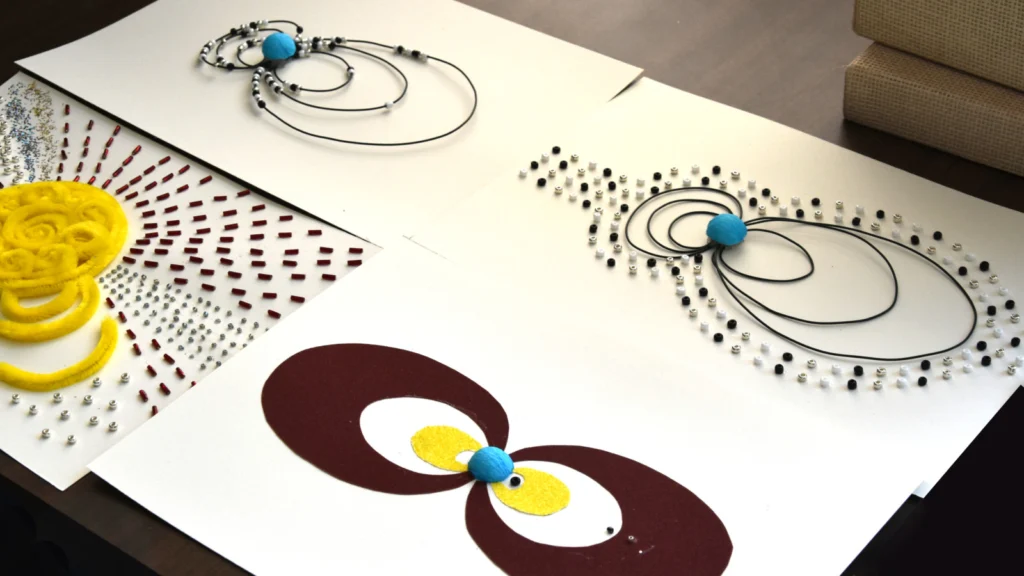
We can all probably agree that the Northern Lights are one of the world’s most spectacular natural displays. But how do we share this beauty with children who are blind? How do we explain the processes behind the aurora creation to the visually impaired when all the illustrations of Earth’s magnetosphere are in 2D? The …[Read More]
Can Artificial Intelligence replace scientists to explain Climate Change? Find it out in our first interview to… ChatGPT!
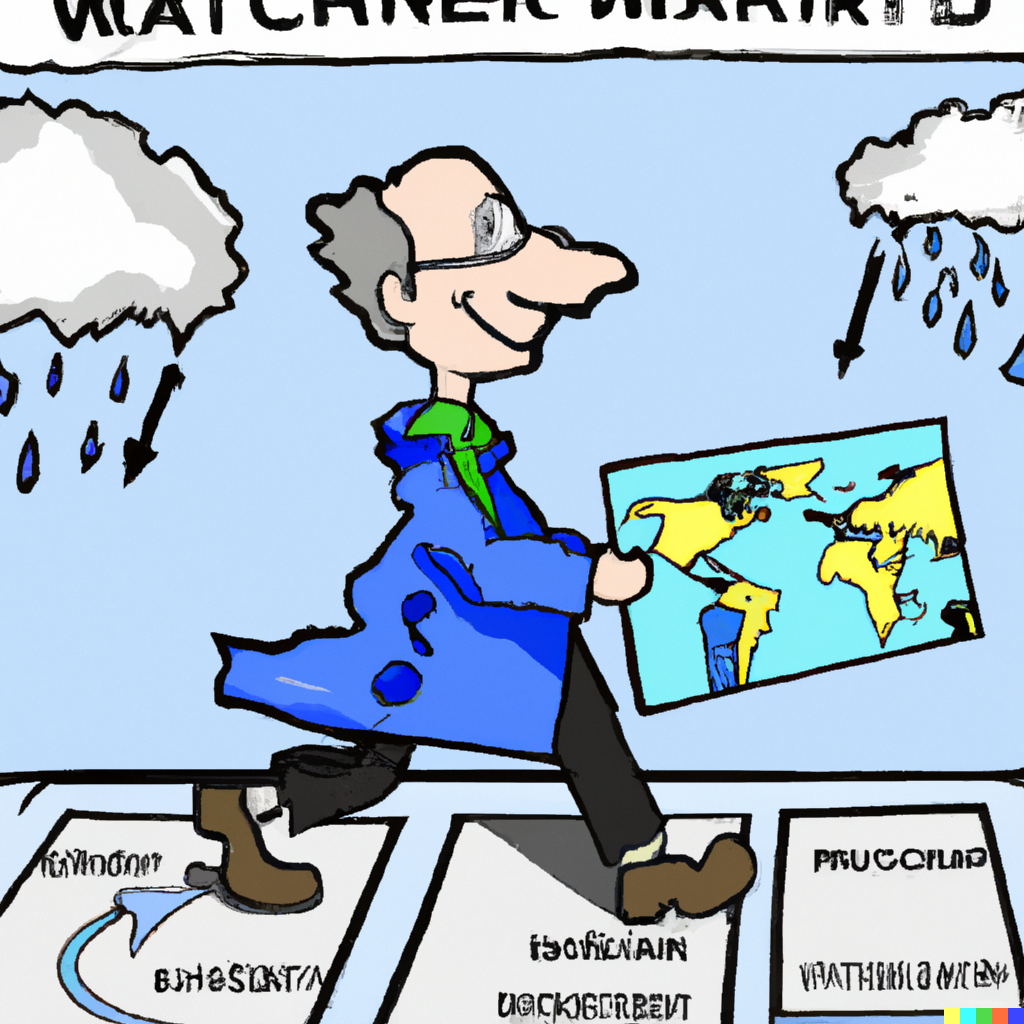
Figure: DallE (the visual cousin of ChatGPT) has produced this image when I asked for “a cartoon showing a climatologist with research articles walking on a weather map” As a communication officer of the division of Nonlinear Processes I started to write posts for the EGU blog a few years ago and I found …[Read More]
Imaggeo On Monday: Aurora show on the road
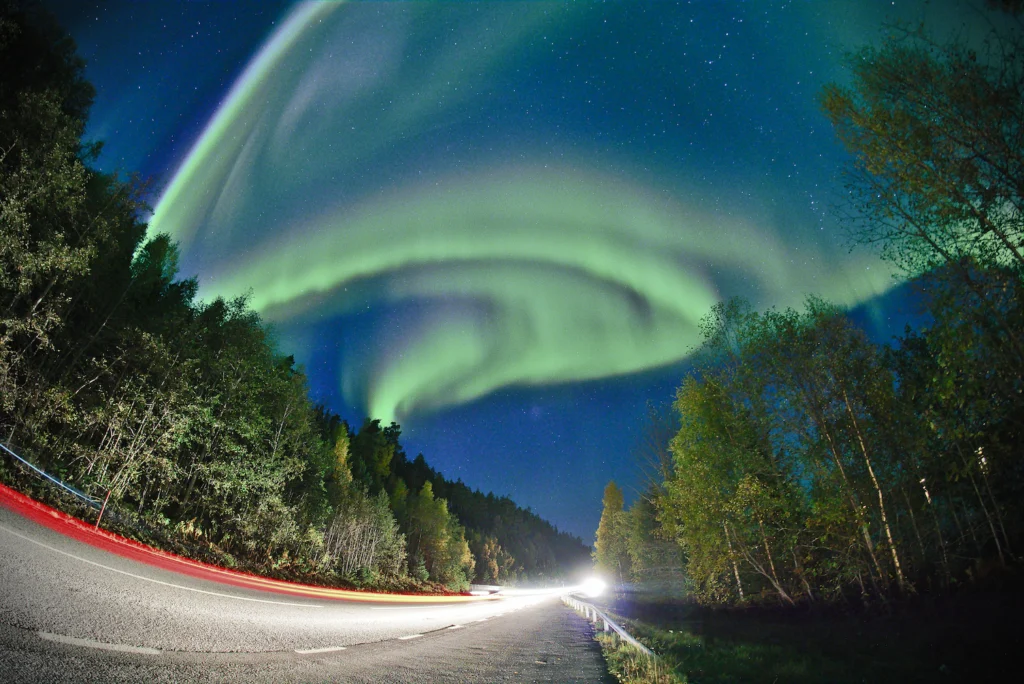
In Sweden a beautiful Northern Lights show proceeds unnoticed by the busy drivers passing by. The Northern Lights or Aurora Borealis are spectacular lights created as a result of disturbances in the Earth’s magnetosphere caused by solar winds. They are visible at both polar regions and or often seen as veils or lines of greenish-blue …[Read More]