Thinking about the past year, one of the highs of the year was definitely seeing the EGU General Assembly back to Vienna in May. The first-ever fully hybrid EGU meeting was a great success with over 12,000 presentations. Most of all, it was great seeing our hydrological sciences community meeting in person again. Many constraints …[Read More]
Latest posts
The Great Cold Debate: Is Climate Change to Blame for Extreme Cold Spells?
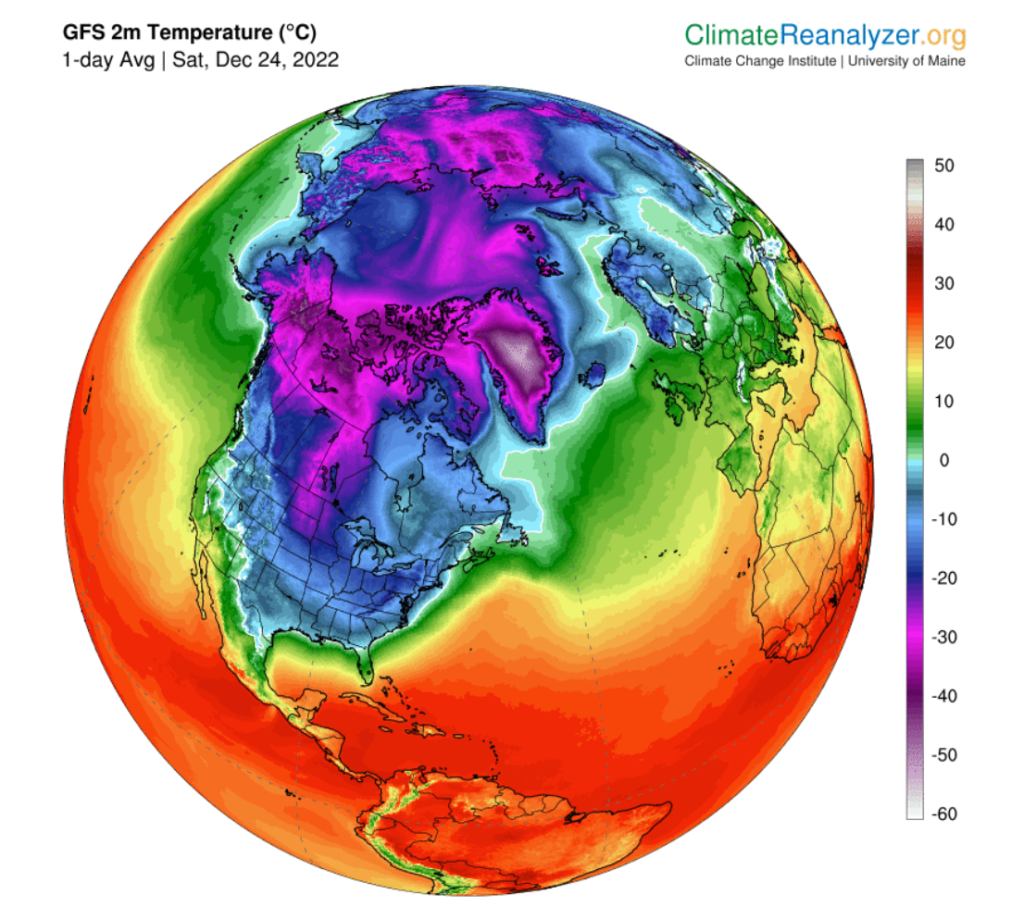
In December 2022, the United States experienced a severe cold spell, with record-low temperatures being recorded in many parts of the country. While it is natural for cold spells to occur, the question has arisen as to whether climate change is playing a role in the intensity and frequency of these events. There is ongoing debate …[Read More]
EGU’s Life-Work Balance Group shares their New Year’s resolutions
With 2023 just around the corner, we asked EGU’s Life-Work Balance Group members what their New Year’s resolutions are, and we want to share them with you! ‘I live in the Arctic, where we don’t get much sunlight and the brightest part of the day I usually spend in my (windowless) office. I will …[Read More]
Holiday movies to watch
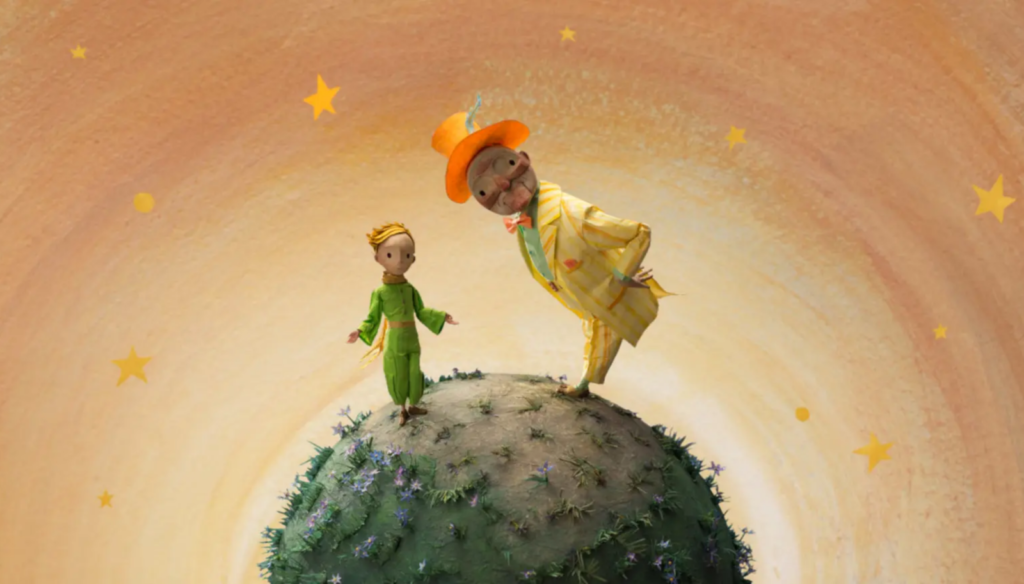
Iris and Menno have made fantastic science movie recommendations in the past couple of years – covering the base for bad-science movies. Since the AGU frenzy is finally over and the upcoming holidays beckon us, I went in a different direction and prepared a list of some of my feel-good holiday movies. 1. The Little …[Read More]
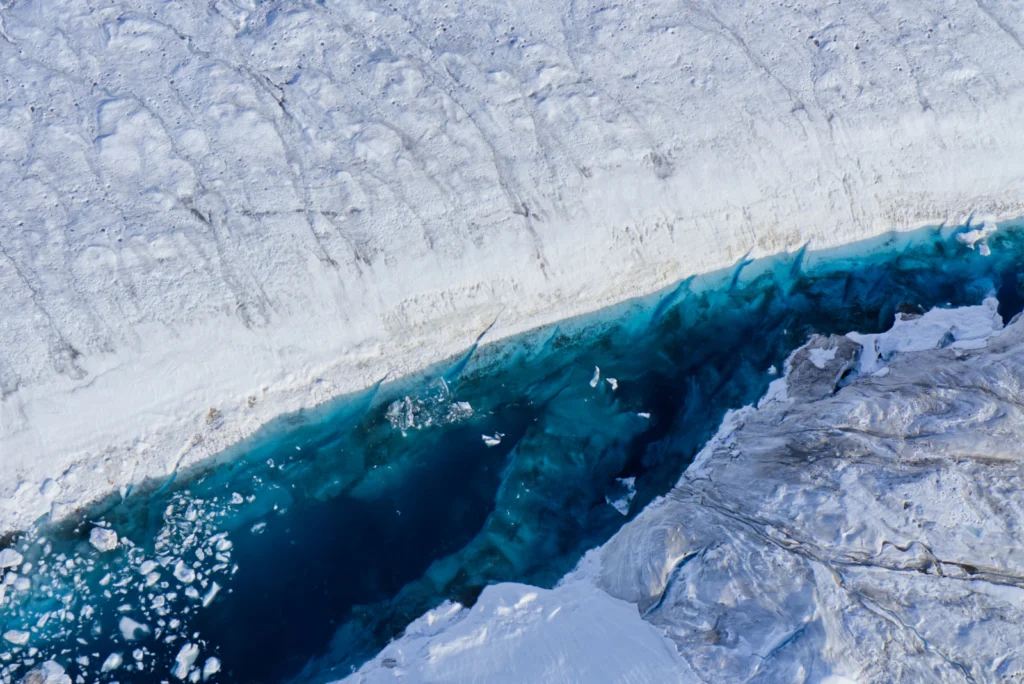
Imaggeo On Monday: Melt water lake on 79°N Glacier in Greenland
Melt water lakes are an impressive and beautiful consequence of warm summer temperatures on Greenlands glaciers. This photo of such a lake with clear blue water was taken from a helicopter on the 79°N Glacier in northeast Greenland during an expedition in July 2018. Supraglacial melt water runs along the surface slope into depressions where …[Read More]
The Sassy Scientist – Who Let The Dogs In?
Who doesn’t want to make themselves more at home at the office? We spend a lot of time there and there is nothing wrong in making it more homey for ourselves. But you wouldn’t want your colleagues to make themselves too much at home at the office. My office mates wouldn’t want me to keep …[Read More]
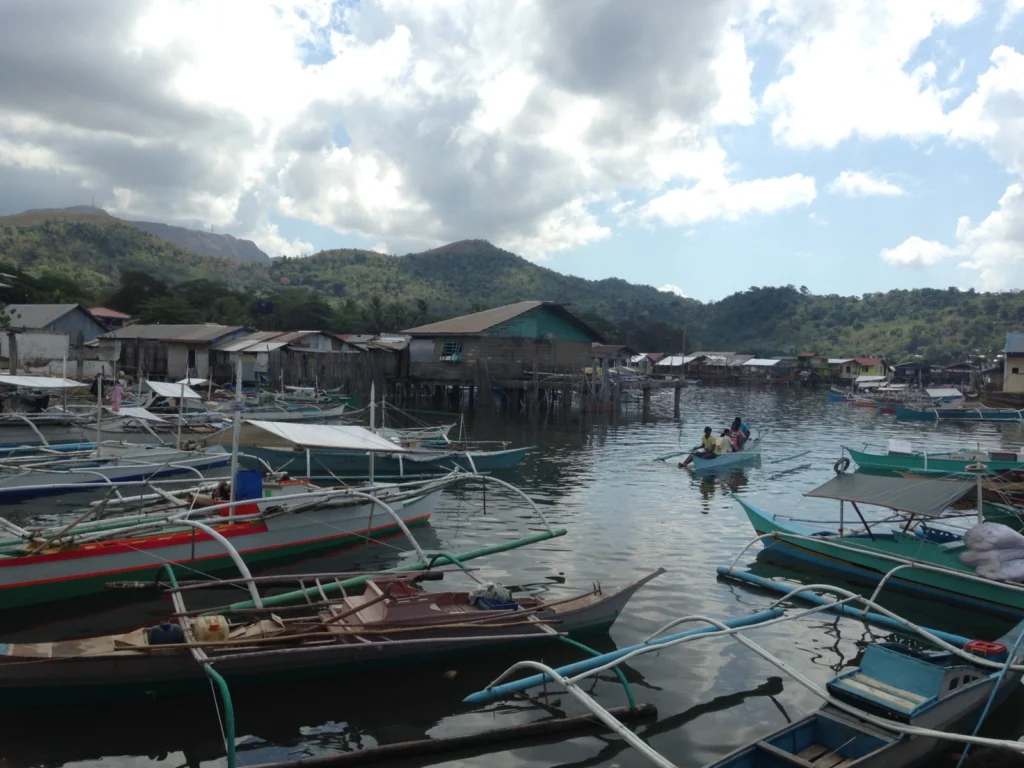
Reducing housing vulnerability to natural hazards – Interview with Dr Eefje Hendriks
The impact of natural hazards on vulnerable communities can be devastating, causing fatalities, damaging houses and livelihoods, and pushing people into poverty. These disasters make them even more vulnerable. A growing line of research identifies actions and tools to reduce vulnerability and make communities more resilient. An interesting and crucial part of this research investigates …[Read More]
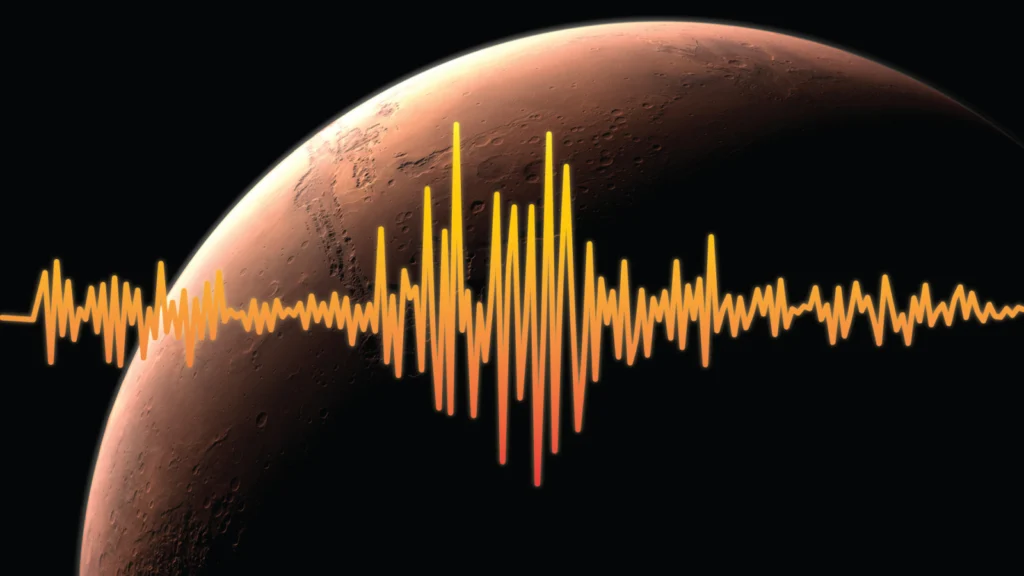
Marsquake Detection with Machine Learning Methods
We interview Nikolaj Dahmen, a PhD student at ETH Zurich’s Institute of Geophysics, about how he uses Machine Learning methods to detect Marsquakes using data from NASA’s InSight Mission…. Why are marsquakes important to detect? Marsquakes generate seismic waves that travel from its source through the interior of the planet. The recordings of these waves …[Read More]
The spinning life of early-career researchers – twirling until out of sync?
In the GMPV blog team we are a group of early career researchers (ECRs*) in their PhD or early postdoc stages. As ECRs we know that permanent positions in Academia are scarce and that we may face long postdoc careers, potentially entailing a rootless life for several years to come. In this blog, we highlight …[Read More]
Scientific disobedience: where are our catchment boundaries?
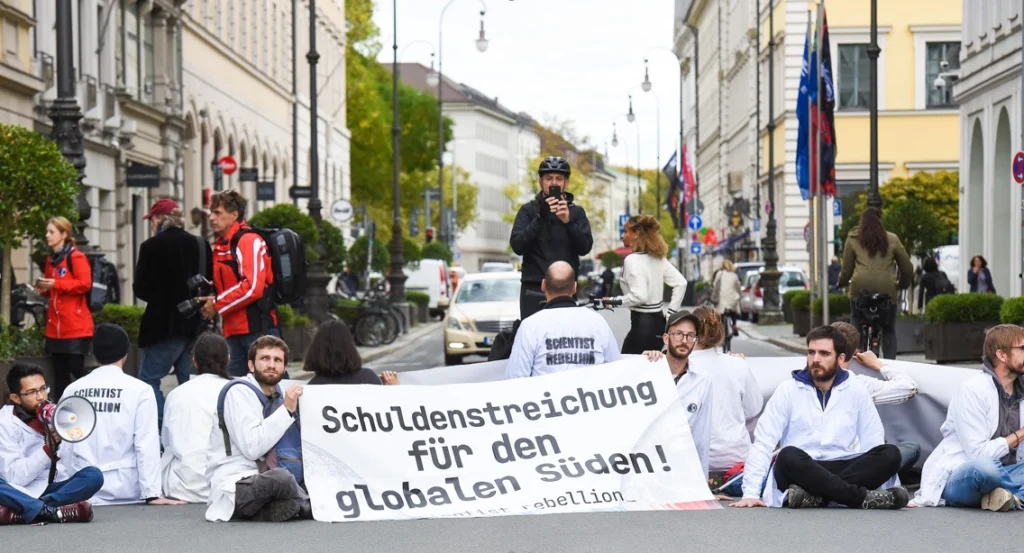
On the night preceding Halloween, somewhere in the main police station of Munich, 15 people appeared one by one before a judge of the local court who notified them their deprivation of liberty, deemed as “indispensable in order to prevent the imminent commission/continuation of a criminal/orderly offence of considerable importance for the general public”. For …[Read More]