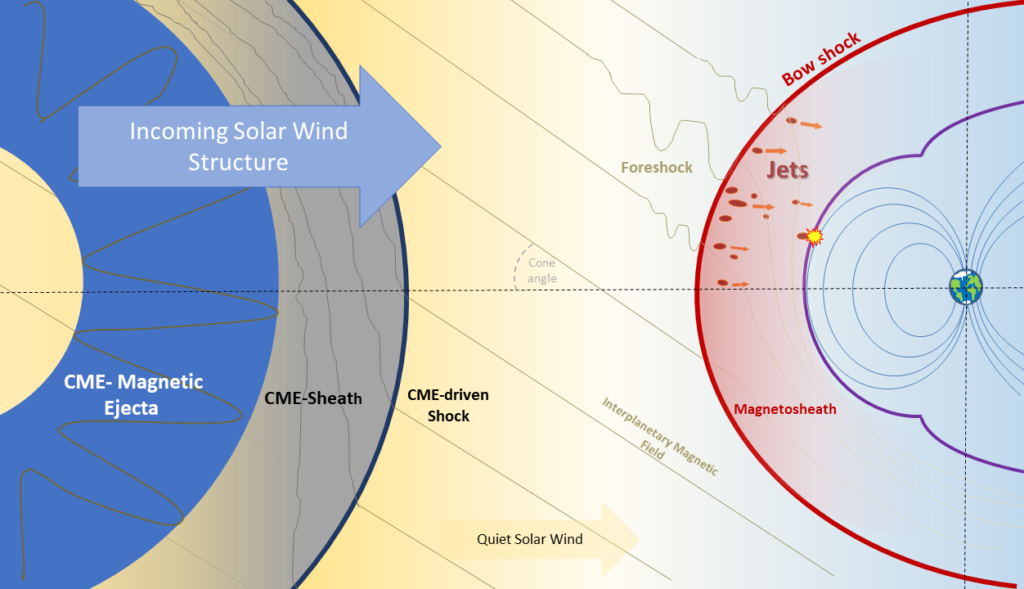
Dayside of the Earth’s magnetic field Our understanding of the relationship between Earth’s magnetic field and the particles from the Sun that constantly bombard it, known as the solar wind, has significantly advanced in recent decades. The availability of numerous spacecraft measurements has provided valuable insights into this interaction. The solar wind, composed of high-speed …[Read More]
Latest posts
Imaggeo On Monday: The movement of the tides
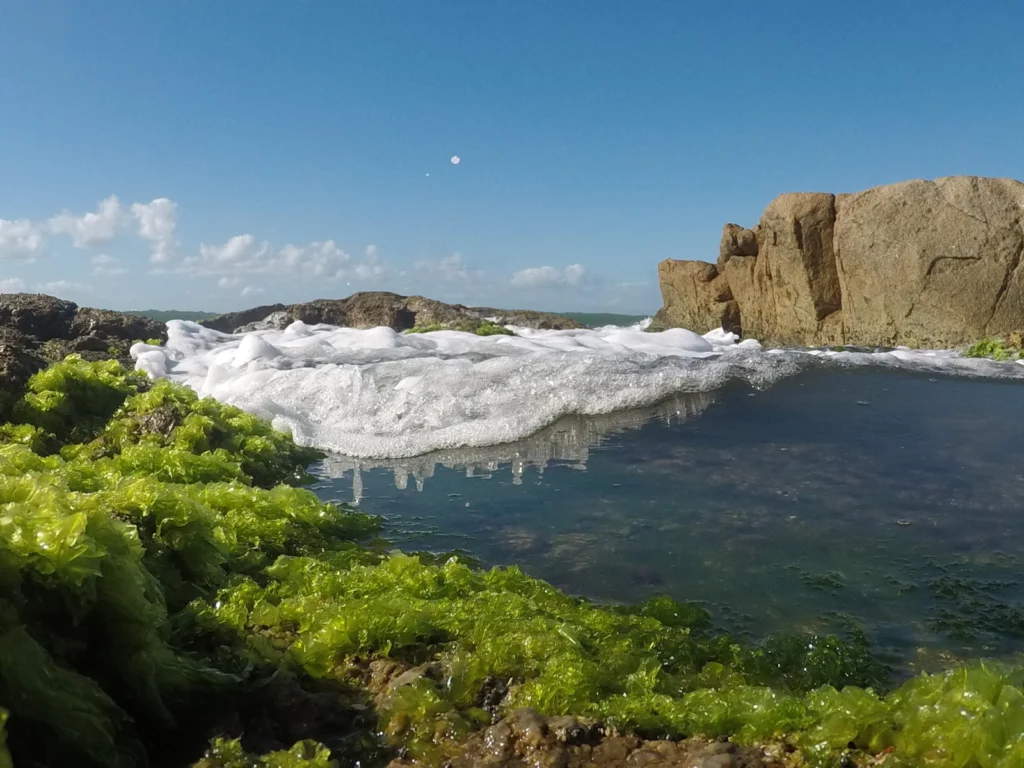
Tides are very long-period waves characterized by the rise and fall of sea levels. This phenomenon occurs in response to forces exerted jointly by the moon and sun, generated in the ocean, and propagating toward the coast. Tides can be divided into two main types: low tide and high tide. High tide occurs when sea …[Read More]
Five resources to up your knowledge of (and appreciate) our oceans
Yesterday (8 June) was globally observed as World Oceans Day. The United Nations announced that it is joining forces with decision-makers, indigenous leaders, scientists, private sector executives, civil society, celebrities, and youth activists to put the ocean first. This year’s theme is “Planet Ocean: tides are changing,” to encourage everyone – whether as individuals or …[Read More]
CryoNews – The WMO is making the cryosphere a global priority
To us, the cryosphere has always been a priority. It is our field of interest, research, maybe passion, it is the stuff that gets us excited. Now, the cryosphere also became a priority to the World Meteorological Organisation (WMO). In today’s post we cover a recent news item introducing this very decision made during WMO’s …[Read More]
Introducing GPlately
The ability to easily compile and quickly evaluate both geological and geophysical data is essential for geodynamicists to understand Earth’s evolution. This week Dr. Ben Mather, a Research Fellow at the University of Sydney, introduces us to GPlately, a new tool designed to accelerate spatio-temporal data analysis in GPlates. GPlately is a Python package that …[Read More]
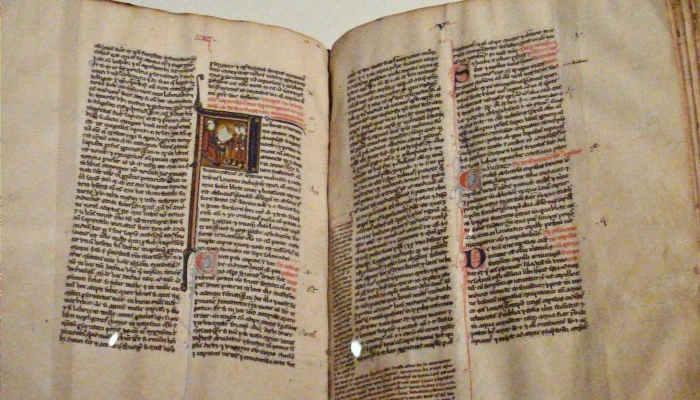
Elemental etymology – what’s in a name?
Like many scientists in the GMPV sphere, I work a lot with geochemistry – using chemical elements and their differing behaviours, abundances or isotopes as tools to understand Earth processes. While staring at the periodic table, something that’s always niggled at me is where the names of these come from: why is the stuff we …[Read More]
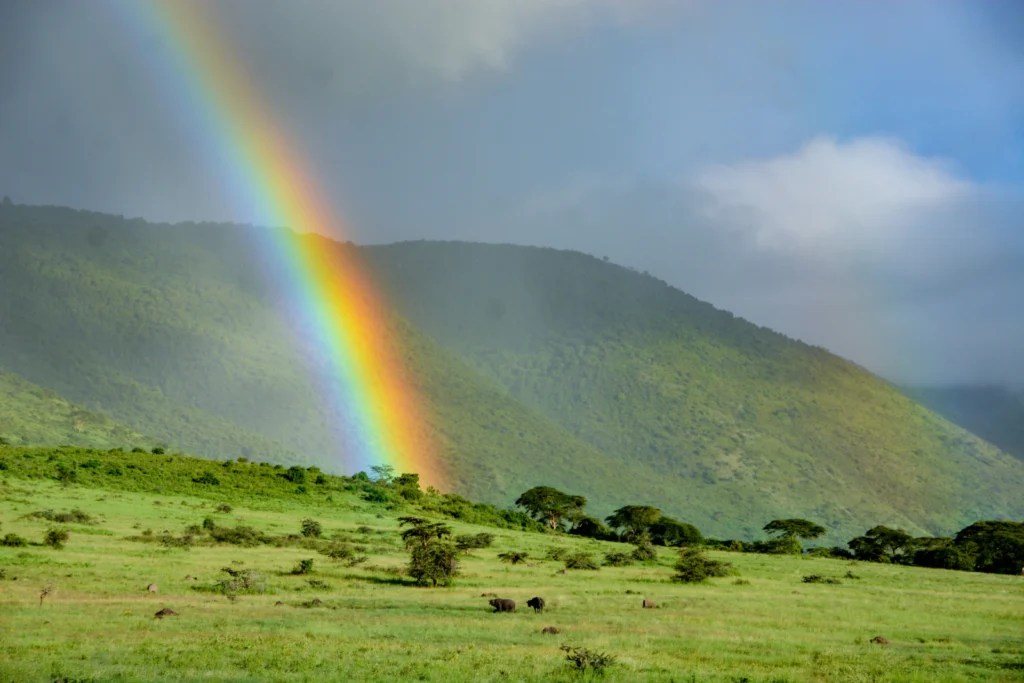
Imaggeo On Monday: Pot of Gold: Ngorongoro Crater
A double rainbow beams into the Ngorongoro Crater after rainfall as a couple of African buffalos graze within this UNESCO World Heritage Site. The largest intact caldera in the world, it extends 20 kilometres in diameter and is home to the Big 5 (lion, leopard, rhino, elephant, and African buffalo) – a true pot of …[Read More]
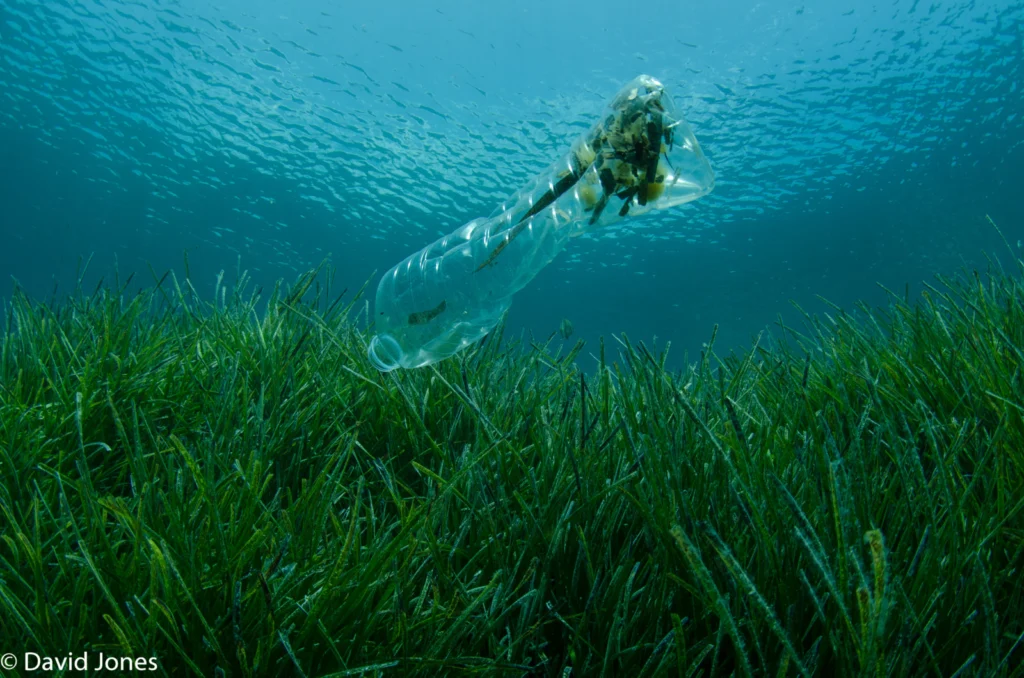
Why single solution strategies cannot solve the plastic pollution problem
It appears that plastics have well and truly invaded even our most inaccessible environments: the deepest point in the ocean (the Mariana trench) and the highest mountain peak in the world (Mt. Everest) both contain pieces of plastic from human activities miles away. With plastic waste flowing into aquatic ecosystems expected to nearly triple by …[Read More]
How over-consumption leads to reduced sea ice: Visualization through artwork
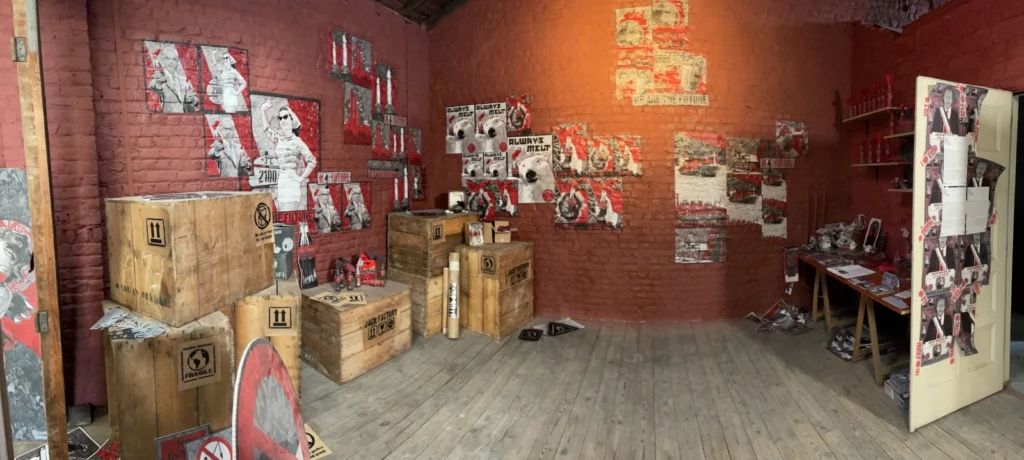
Do you think that it is sometimes challenging to understand science (as a reader or listener) or to explain it (as a scientist)? Then, art may be a good solution to the problem. Between April and June 2023, Zacharie Bodson (artist) and I (climate scientist) are participating in the Seas and Oceans exhibition to explain …[Read More]
GeoPolicy: Your summer time Science for Policy reading guide
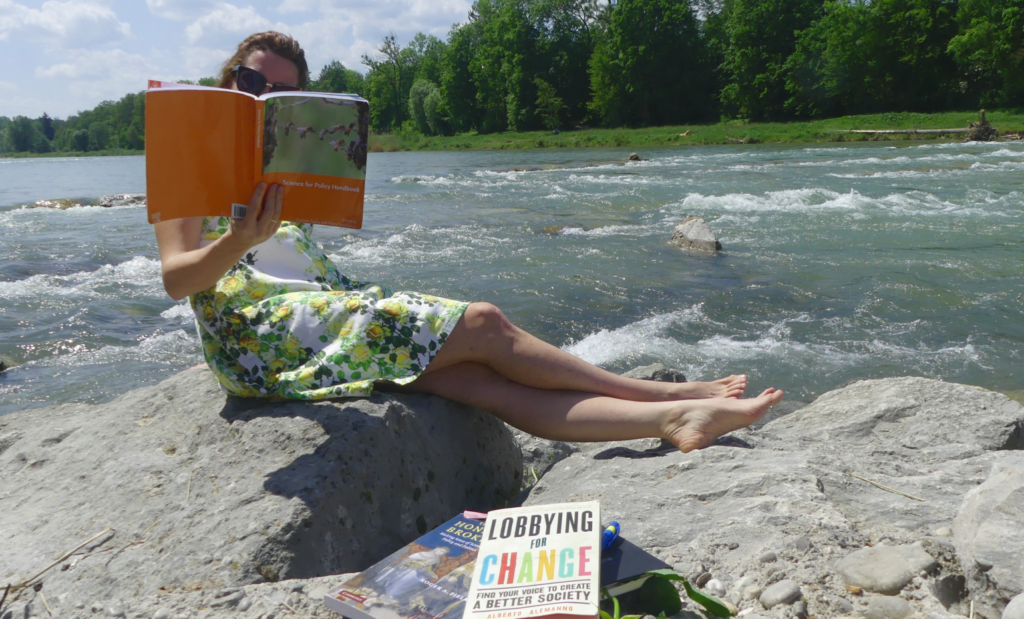
With summer just around the corner, you might be starting to think about some of the ways in which you’d like to relax during upcoming holidays or field work! It’s incredibly important for us all to be able to switch off from our work life. Not only does it allow us to mentally and physically …[Read More]