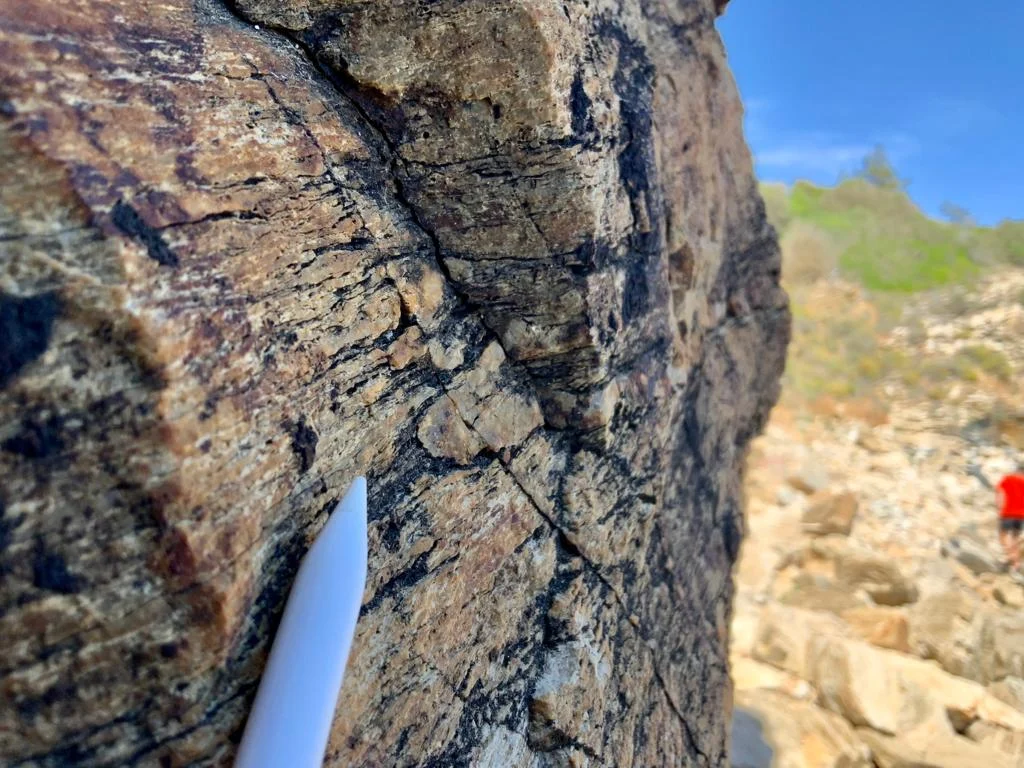
Geothermal resource development faces a major obstacle: the expensive exploration process. Unsuccessful drilled wells can discourage interest and disrupt economic plans. Understanding the relationship between geologic structures and geothermal fluid flow is critical to successful exploration. Various methods, such as geochemistry, geophysics, structural analysis and modeling, aim to create a reliable model to guide exploration …[Read More]
Latest posts
Exploration of Deep Earthquakes and Planetary Interiors
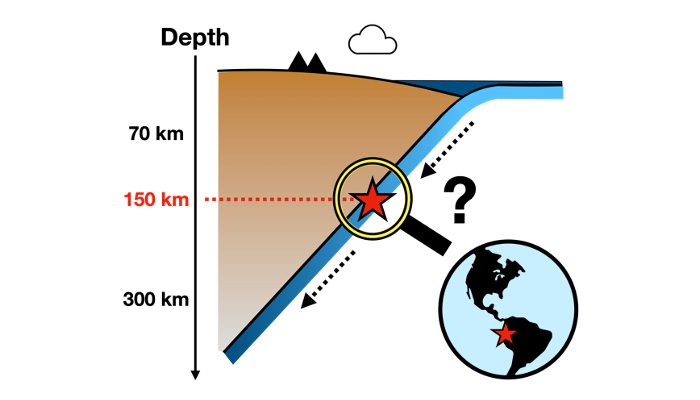
Most earthquakes on Earth start in the shallow, brittle part of the planet. However, there are several regions where earthquakes happen deep in the mantle. Where are these regions? Why do these earthquakes get so deep? In this week’s blog post, Ayako Tsuchiyama from the Massachusetts Institute of Technology (MIT) takes us on a journey …[Read More]
Earth Citizens and Natural Hazards: a few words from the perspective of our environment, the inhabited planet, Earth
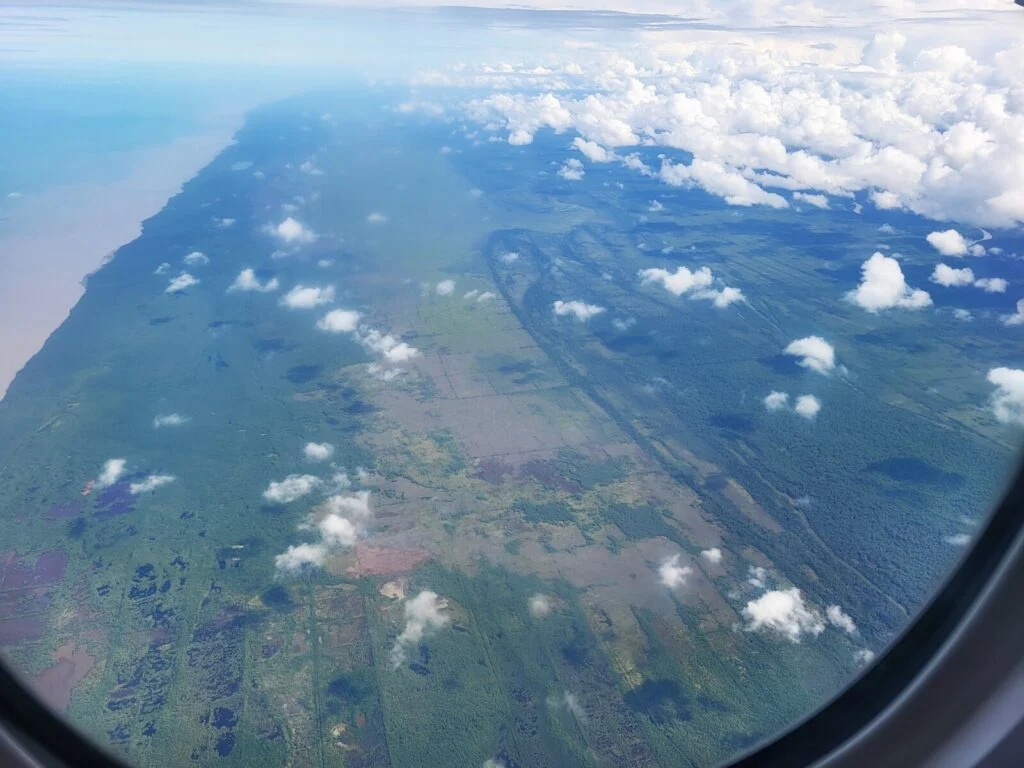
In January 2023, I visited the Amazon Forest in Suriname. During my visit, I met indigenous people known as the Saramaccers, a Maroon tribe residing in the heart of the Amazon Forest. I found it fascinating that the Saramaccers consider themselves an integral part of nature. Their motto is ‘If you respect nature, nature will …[Read More]
Antarctica Uncovered: Exploring the Exposed Surfaces Around the Melting Continent
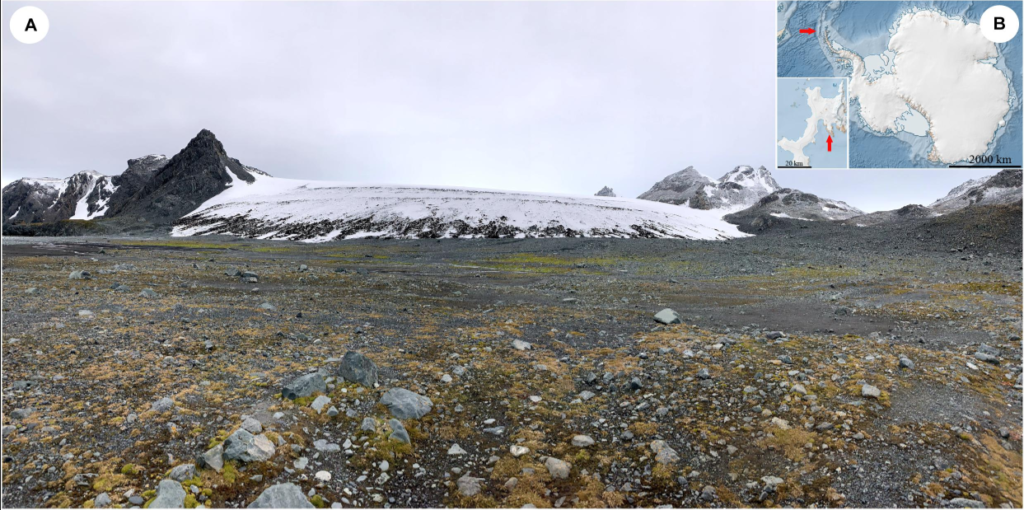
In 2020, ocean scientists discovered a new island off the Pine Island Glacier ice shelf, naming it after the Norse goddess, Sif. The island is one of many new regions being exposed in the wake of increased ice shelf melting and glacial retreat. While these newly-revealed lands have been discussed in the Arctic and alpine …[Read More]
What is Distributed Acoustic Sensing?
In this blog we give a succinct introduction to Distributed Acoustic Sensing for the starting seismologist, or the interested reader. The blog is by no means a complete overview and serves as a starting point for you to understand DAS and get started with the data. It was written by SM ECS members Ana Nap …[Read More]
Offshore Gaza: gas in deep-water sedimentary reservoir rocks as another element in the conflict
The conflict between the Israeli state and the Palestinian people revolves not only around the control of land but also extends to the ocean, particularly the sedimentary rocks beneath the seafloor (see oil and natural gas fields in the region in Figure 1). This article aims to analyse the geological aspect, specifically sedimentary rocks with …[Read More]
Mind Your Head: How to have a mindful December and holiday season
It’s December and the Life-Work-Balance group is recalling the “Mind Your Head” blog posts, a blogpost series which started in May 2018. We invite you to join our journey through 11 inspiring blog posts and five simple activities to foster our life-work-balance, revive knowledge and find new inspiration during this holiday season. A word at …[Read More]
Geodynamica: Earth & Planets – a new diamond open access journal!
Do you want to publish and access papers for free? Do you want to improve the system by promoting equitable publishing alternatives? Then read on to learn about Geodynamica: Earth & Planets: a new community-powered Diamond Open Access Journal (DOAJ)! Join the conversation on discord by following this link. Diamond Open What? Diamond Open Access …[Read More]
State of the ECS: wrapping up 2023!
We are glad to open our seismology advent calendar with this blog! Welcome to the State of the ECS, where our ECS members reflect on the year. Hello! Katinka here, writing from a snowy Zürich. Days are shorter, many layers of clothes are needed, and the last scientific effort before Christmas is being pushed …[Read More]
TS Must-Read – Bond et al. (2007) What do you think this is? “Conceptual uncertainty” in geoscience interpretation
The Must-Read paper by Bond et al. (2007) is a truly original piece of work, focusing on the conceptual uncertainty that occurs when earth scientists carry out a geological interpretation on data with limited resolution and/or spatial coverage. In this example it is about an interpretation of seismic reflection data (Fig. 1), but it can …[Read More]