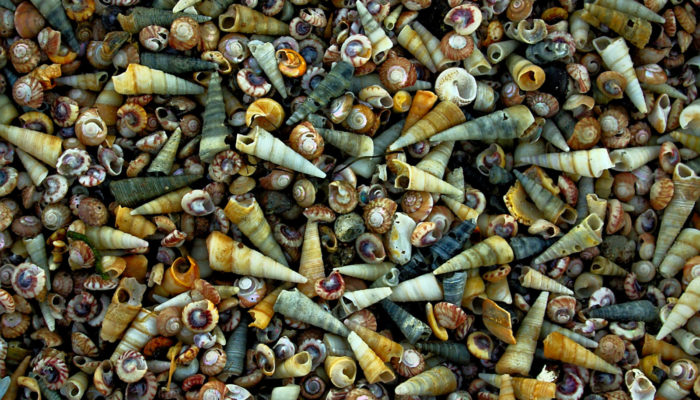
A collection of washed-up shells on a beach on the south island of New Zealand. Shore transport processes have produced a well-sorted drift of similarly sized (approx. 1-2 cm) shells and shell fragments. The main species represented are the common turret shell (Maoricolpus roseus) and wheel shell (Zethalia zelandica), both sea snails endemic to New Zealand. Description by Pontus Lurcock, af ...[Read More]
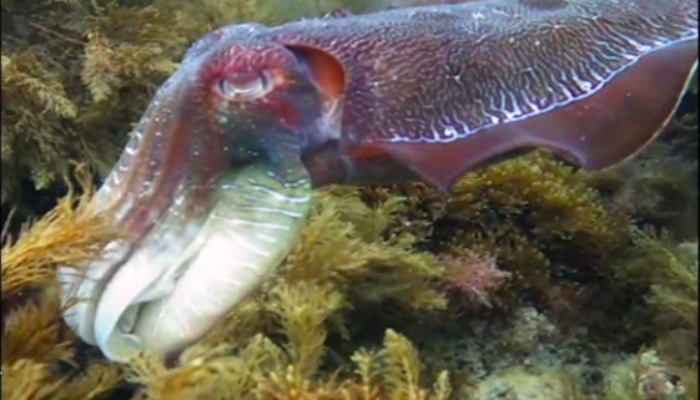
Imaggeo On Monday: Giant Australian Cuttlefish in the Spencer Gulf, South Australia
In the shadow of the Santos oil and gas processing plant and export terminal lies the only place in the world where cuttlefish come together by the tens of thousands to mate every winter. The unique geology of the area, with a seafloor composed of bedrock and tabular quartzite blocks, makes for an ideal egg-laying habitat, and thus is an attractive breeding ground for the Australian Giant Cuttlefi ...[Read More]
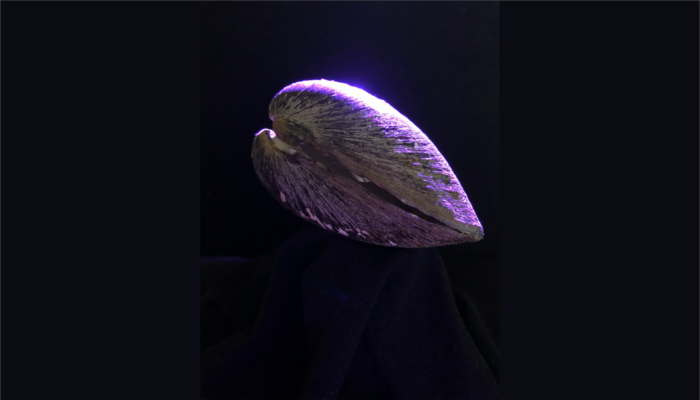
Imaggeo On Monday: Studying shell morphodynamics to improve climate models
Profile of a specimen of Arctica islandica, one of the longest lived marine bivalves known, undergoing a 3D scan. Their longevity is exploited for reconstruction of climate patterns in the North Atlantic. However, mathematical models of their morphodynamics are necessary to account for bias induced by their asymmetric growth (“morphodynamics” is the study of how an organisms’ gro ...[Read More]
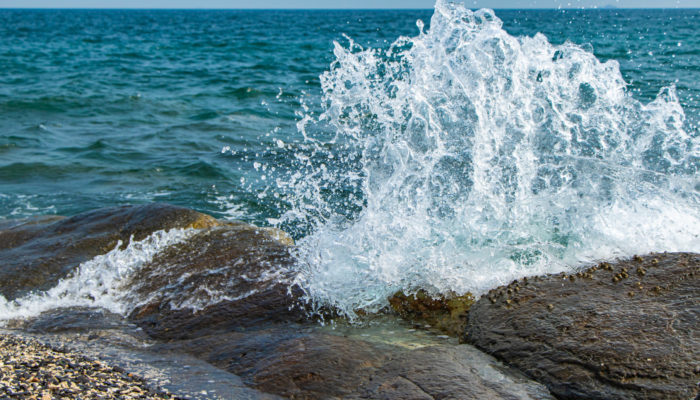
Imaggeo On Monday: Catch the wave hitting on the rocks
A wave is caught on camera when it hits the rocks on Tung Ping Chau, an offshore island in the northeastern corner of Hong Kong. Tung Ping Chau is unique island in Hong Kong that is mainly made up of sedimentary rock. Weathering and erosion have great impacts on forming the current landscape and geologic features such as wave-cut platforms and sea cliffs on Tung Ping Chau. Description by An ...[Read More]
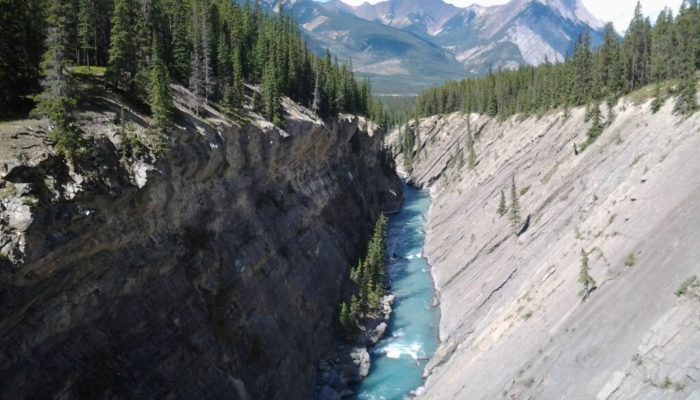
Imaggeo On Monday: Water Force
A force is a push or pull upon an object resulting from the object’s interaction with another object. This image shows the most magnificent force in nature; water, interacting with an inclined rock formation, with a backdrop of the magnificent landscapes of Canada. Description by Daniela Lobianco, after the description on imaggeo.egu.eu. Imaggeo is the EGU’s online open access ...[Read More]
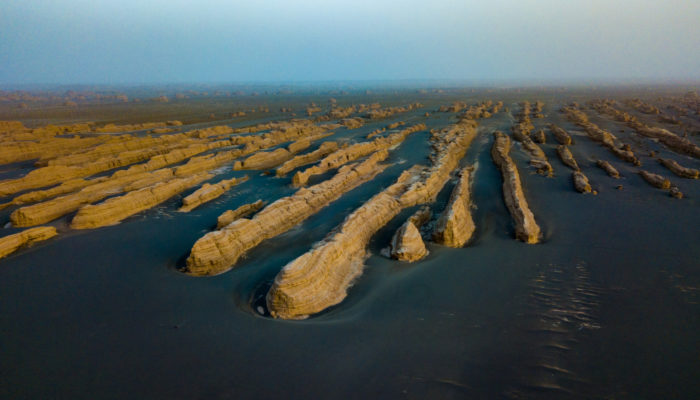
Imaggeo On Monday: Yardangs in the Gobi desert
Seeing the Yardang rock formations during sunset was a surreal experience. While they seem to have be standing in a sea of water that formed them, the fluid dynamics that actually lead to their existence is the result of wind abrasion by dust and sand and the removal of loose material by wind turbulence. The air flow and resulting pattern of erosion and the distribution of rocks determines their s ...[Read More]
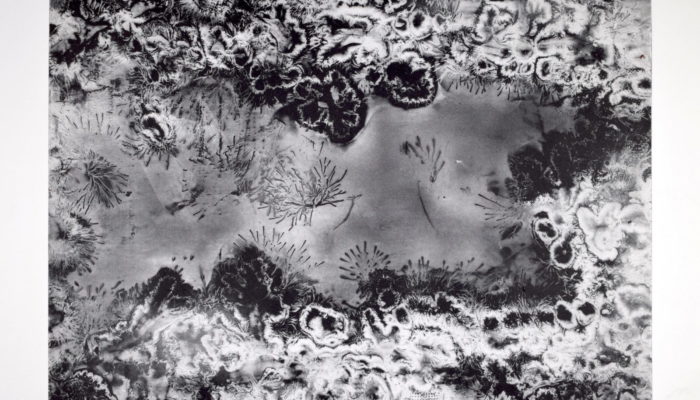
Imaggeo On Monday: Lichtenberg Figure Visualisation
A visualisation of an electrical charge moving through plastic. Machines are used to discharge electricity onto surfaces then metallic powders are used to visualise the static. The image is then exposed onto a photopolymer plate and etched with ink. Is is called the photogravure process. Description by Nicolas Strappini, after the description on imaggeo.egu.eu. Imaggeo is the EGU’s o ...[Read More]
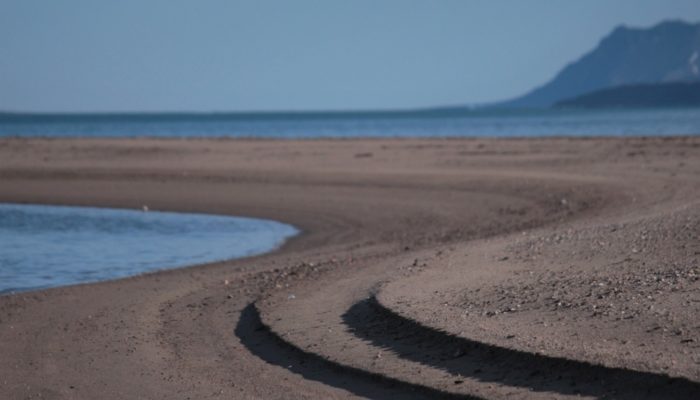
Imaggeo On Monday: Tides at Young Sound
The work of the autumn tides at Young Sound, Northeast Greenland, created a fine sand artwork just before the freezing in of the fjord with the approaching winter. Due to the changing sediment of the nearby Zackenberg river, the local coastal erosion is an object of great recent investigations. Description by Maria Scheel, after the description on imaggeo.egu.eu. Imaggeo is the EGU’s ...[Read More]
Imaggeo On Monday: the EGU Photo Competition – 2 DAYS LEFT!
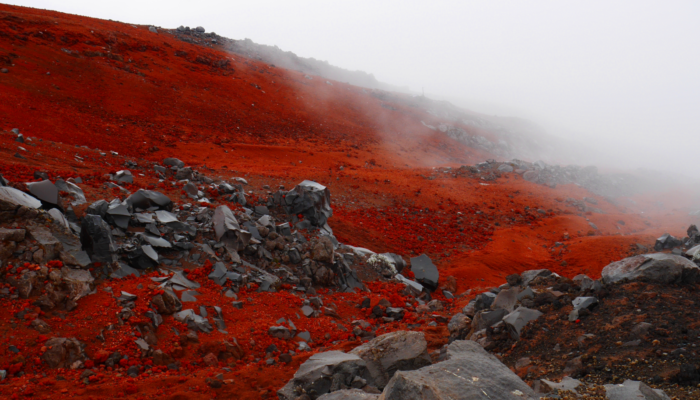
We are so excited for your images to show us other ways of seeing our wonderful planet in the EGU 2021 Photo Competition, just like Julia Miloczki did with this stunning image ‘Glimpse of a foreign planet‘ one of last year’s winners. Remember your image can be of anything, even a gif or a video, and can have been captured at any time – not just in the last year. You only ha ...[Read More]
Imaggeo On Monday: the EGU Photo Competition – beautiful thin-sections.
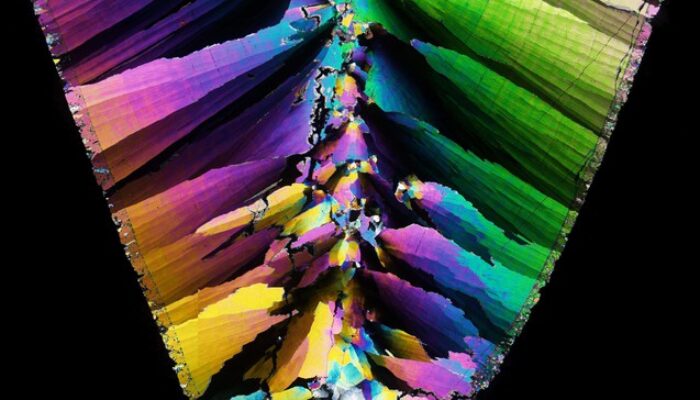
In 2010 EGU held our first annual Photo Competition at the General Assembly in Vienna. Since then hundreds of photos have been shared on imaggeo by geoscientists and researchers just like you, with a lucky few being selected each year to be highlighted during the meeting and voted on by our members. These images can be of anything to do with geology or geoscience – we get many beautif ...[Read More]