GeoLog

geomorphology

Looking for answers towards the stars: stone tools and nuclides unveil the earliest solid evidence of humans in Europe
Looking for answers towards the stars: stone tools and nuclides unveil the earliest solid evidence of humans in Europe
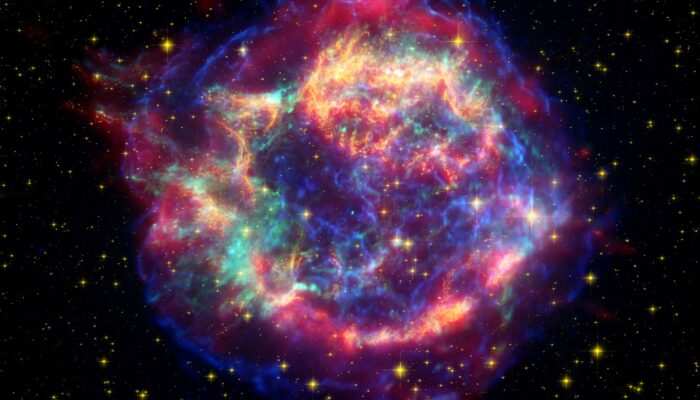
When stars explode, supernova-style, the explosion sets off streams of high energy particles across the universe, mainly protons and alpha particles, that after millions of years reach us here on Earth. Secondary cosmic rays pass through our bodies and almost everything around us, and they penetrate a few meters into the ground where they interact with atoms in soil and rock. This produces new iso ...[Read More]

Imaggeo On Monday: The Papingo’s rock pools

Imaggeo On Monday: The Papingo’s rock pools

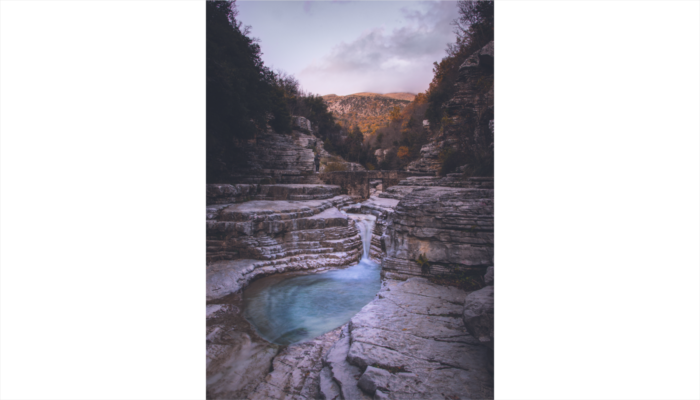
The Papingo’s rock pools are located at the mountainous area of Epirus in northwestern Greece, at an altitude of 980 meters. The Rogovo stream, over the years, has eroded the limestone rocks creating a complex of water falls and cavities (natural rock pools) with clear and cold running water, which the locals call “ovires”. Photo by Athanasios Serafeim, as described on imaggeo.egu.eu.   ...[Read More]

Imaggeo On Monday: Ninepin Group: the spectacular hexagonal columns

Imaggeo On Monday: Ninepin Group: the spectacular hexagonal columns

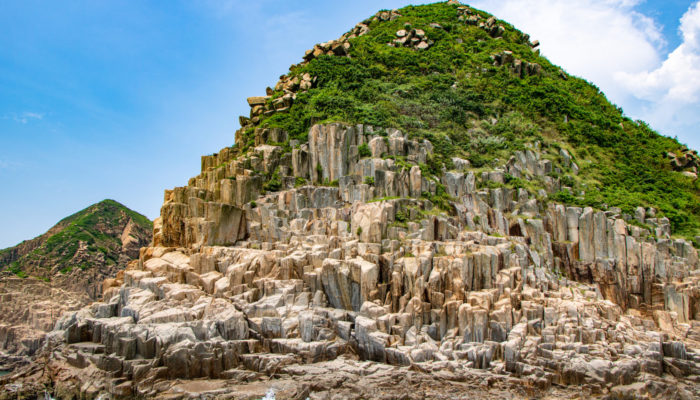
The picture shows the world’s rarest hexagonal rhyolitic volcanic rock columns on the northern island of the Ninepin Group in the easternmost waters of Hong Kong. These rocks columns are believed to form about 140 million years ago after a major volcanic eruption near Sai Kung. When the volcanic ash and lava slowly cooled down, joints and cracks started to develop on the surface and then extended ...[Read More]

Imaggeo On Monday: Glimpse of the Ranns of Kachchh, India

Imaggeo On Monday: Glimpse of the Ranns of Kachchh, India

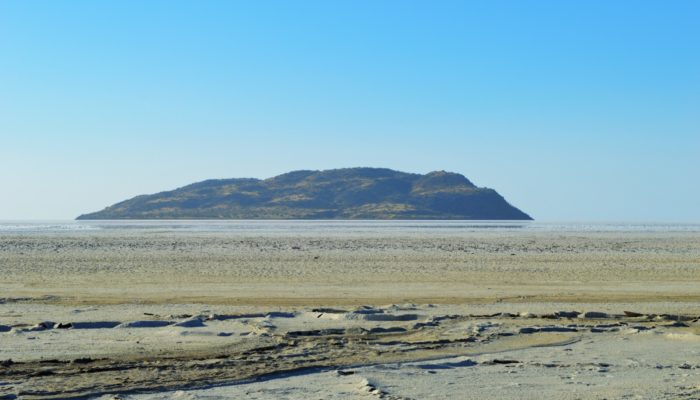
The Rann of Kachchh is a saline marshland located in the western part of India. This climatically arid, salt-covered mudflat was once home to one of the largest settlements of the Indus Valley Civilization in India. The UNESCO world heritage archaeological site of Dholavira is now located in the heart of the salt desert. Photo by Fulmati Ram, as described on imaggeo.egu.eu.   Imaggeo is the E ...[Read More]

Imaggeo On Monday: The desert of the cauliflowers

Imaggeo On Monday: The desert of the cauliflowers

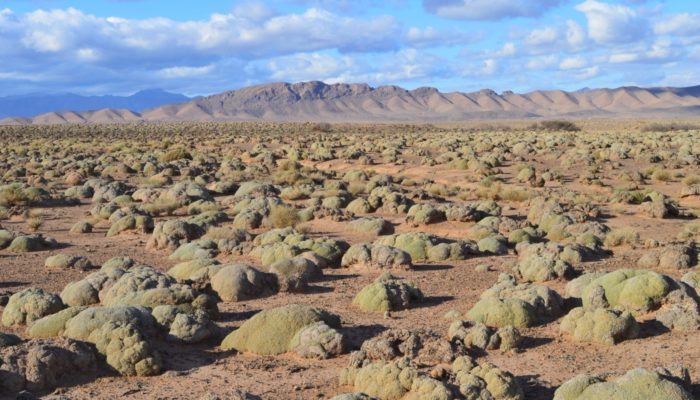
Bouâmama Cauliflowers (Fredolia aretioides) in the stony plateaus of the Eastern High Atlas near Ayt Wazag (Morocco). The compact, cushion-like habit, the tiny coriaceous leaves and the deep-reaching roots of this shrub allow it to thrive under arid climatic conditions. Photo by Luca Barale, as described on imaggeo.egu.eu.   Imaggeo is the EGU’s online open access geosciences image repository ...[Read More]

Artist in Residence – Plastic problems, hurdles, and nurdles

Artist in Residence – Plastic problems, hurdles, and nurdles

Microplastics are a big topic these days, so I take a look at some vital research… Plastic problems, hurdles, and nurdles A happy, healthy body has veins and arteries free from clogs and constrictions caused by build-up of lipid junk. This includes our external, shared body, a body on which we all rely, the landscape we live in. The veins and arteries of our landscape are rivers, clogged wit ...[Read More]

#shareEGU20: join our EMRP Division Early Career Scientists for a networking evening!

#shareEGU20: join our EMRP Division Early Career Scientists for a networking evening!

From Monday to Thursday during the week of #shareEGU20, the Early Career Scientists in our various Divisions are going to host a series of evening networking events. Find out more by clicking on the ‘Networking’ session search in the EGU Programme. If you are wondering if these events are for you, check out the Division description by the hosts included below. Every day this week we wi ...[Read More]

Travels in Geology: A World Turned Upside Down

Travels in Geology: A World Turned Upside Down

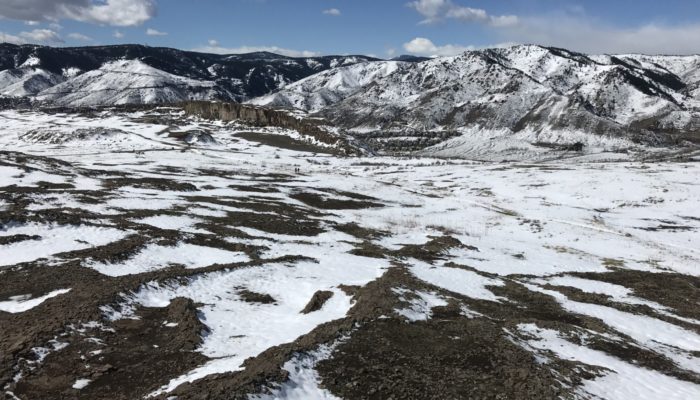
Last weekend, with a strict, stay-at-home coronavirus order looming on the horizon, I decided to practice social distancing by escaping on one last hike. Since I’m currently in Colorado, I chose to climb North Table Mountain, the remnant of an ancient basalt lava flow located on the outskirts of Denver.   Locally this mesa, along with its twin located a short distance to the south, are popula ...[Read More]