With more PhD and postdoc positions than there are tenured posts, landing a permanent job in academia is increasingly challenging. For some, years of funding and position uncertainty, coupled with having to relocate regularly is an unwelcome prospect. A changing job market also means that aspiring to the traditional, linear career path might be an unrealistic expectation. Skills acquired by those ...[Read More]
EGUecs
GeoTalk: Meet the EGU’s President, Jonathan Bamber
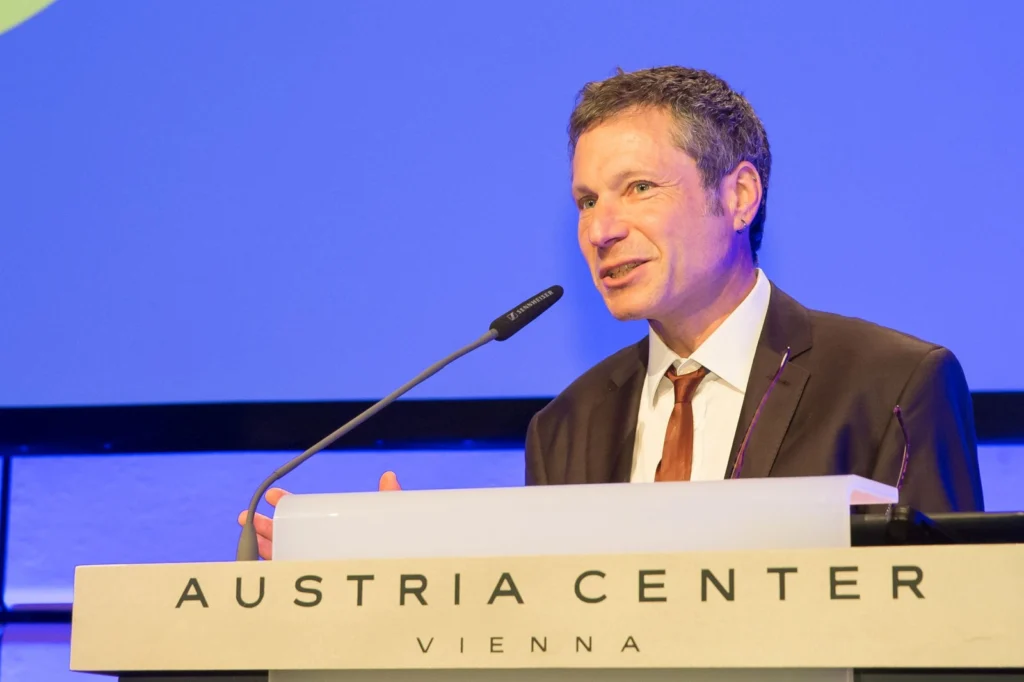
GeoTalk interviews usually feature the work of early career researchers, but this month we deviate from the standard format to speak to Jonathan Bamber, the EGU’s President. Jonathan has a long-standing involvement with the Union, stretching back almost 20 years. Following a year as vice-president, Jonathan was appointed President at this year’s General Assembly in Vienna. Here we talk ...[Read More]
Enmeshed in the gears of publishing – lessons from working as a young editor
Editors of scientific journals play an important role in the process research publication. They act as the midpoint between authors and reviewers, and set the direction of a given journal. However, for an early career scientist like me (I only defended my PhD in early December 2016) the intricacies of editorial work remained somewhat mysterious. Many academic journals tend to appoint established, ...[Read More]
May GeoRoundUp: the best of the Earth sciences from around the web
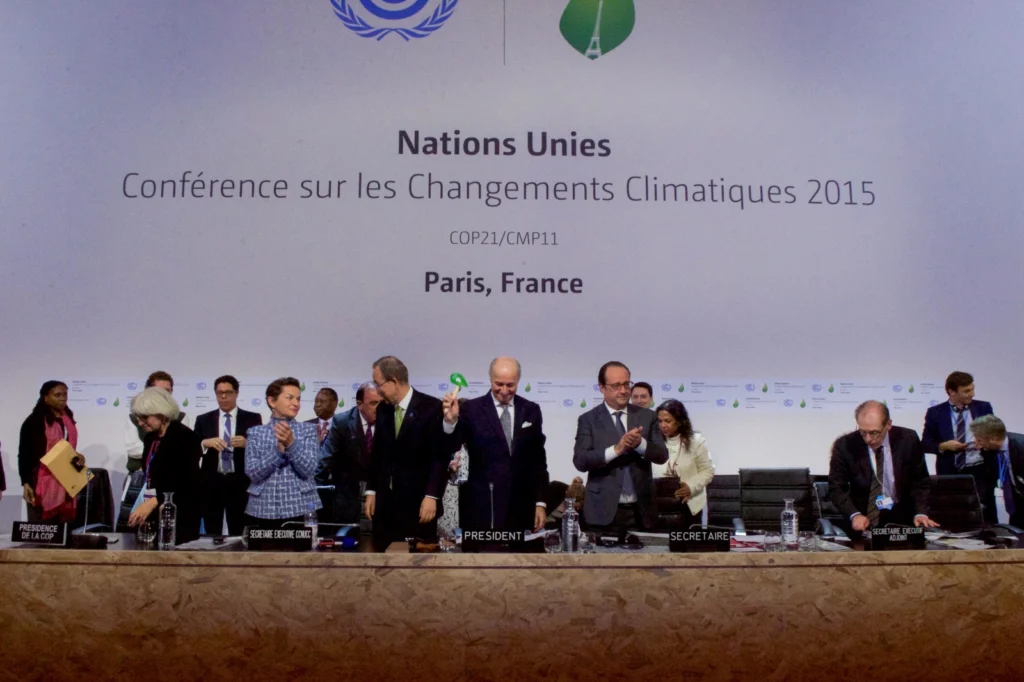
Drawing inspiration from popular stories on our social media channels, as well as unique and quirky research news, this monthly column aims to bring you the best of the Earth and planetary sciences from around the web. Major Story In the last couple of weeks of May, the news world was abuzz with the possibility of Donald Trump withdrawing from the Paris Agreement. Though the announcement actually ...[Read More]
What’s on for early career scientists at the Assembly in 2017
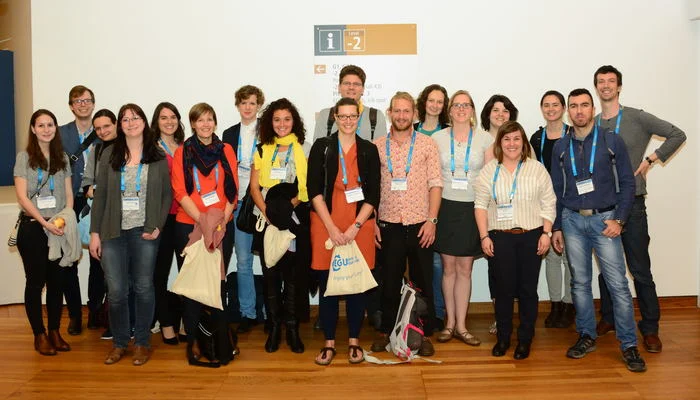
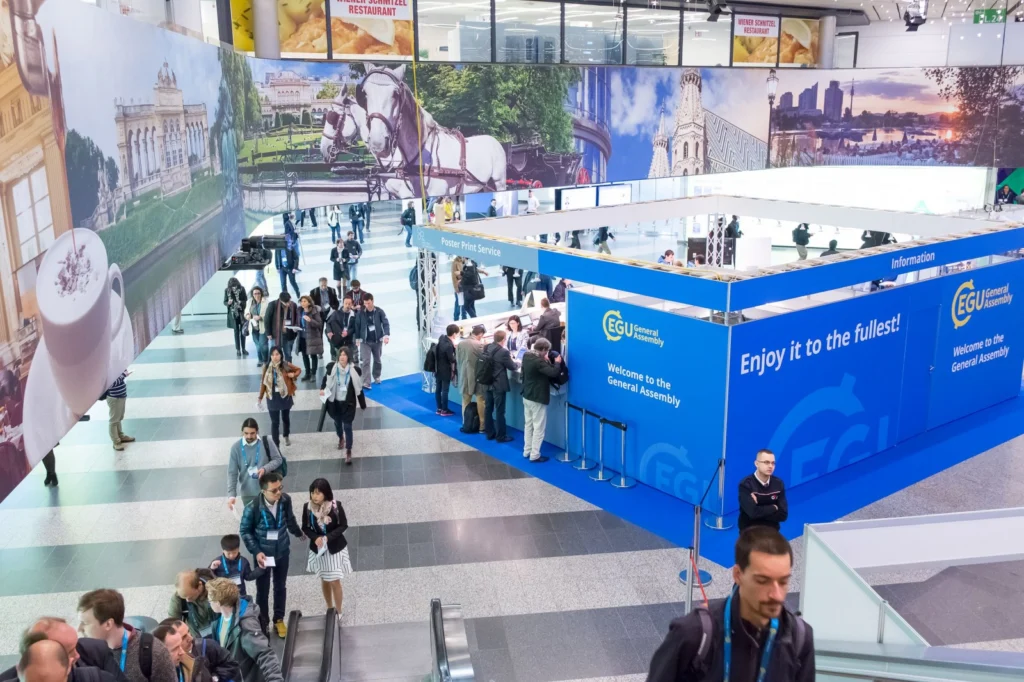
This year, there’s a great line-up of early career scientist (ECS) sessions at the General Assembly. Not only that, but there are opportunities to meet those that represent you in the Union, get to know other ECS in your field, and make the most of both the scientific and social sides of the conference… Networking First up for ECS is the icebreaker event on the Sunday before the meeting, while thi ...[Read More]
Making a poster or PICO presentation: top tips from the Outstanding Student Poster and PICO (OSPP) Award judges
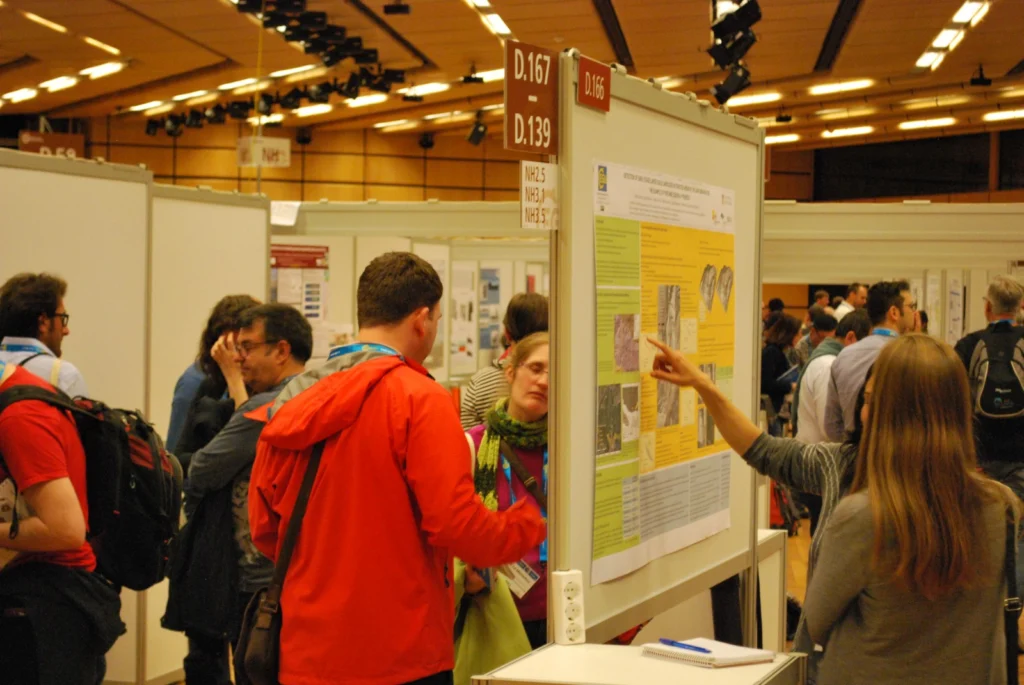
Every year at the General Assembly hundreds of students present their research at the conference with a lot of time and effort going into preparing these presentations. With the aim to further improve the overall quality of poster presentations and more importantly, to encourage early career scientists to present their work in the form of a poster, the OSP Awards (as they were formerly known), wer ...[Read More]
EGU 2017 General Assembly programme is now online!
The EGU General Assembly 2017 programme is available here. Take a look and – if you haven’t already – register for the conference by 16 March to make the early registration rates! Last year, we updated the scientific programme of the General Assemby and it includes Union-wide Sessions, such as Special Scientific Events (Medal Lectures, Great Debates and many more) short courses and topical meeting ...[Read More]
Try something different – choose a PICO session at EGU 2017!
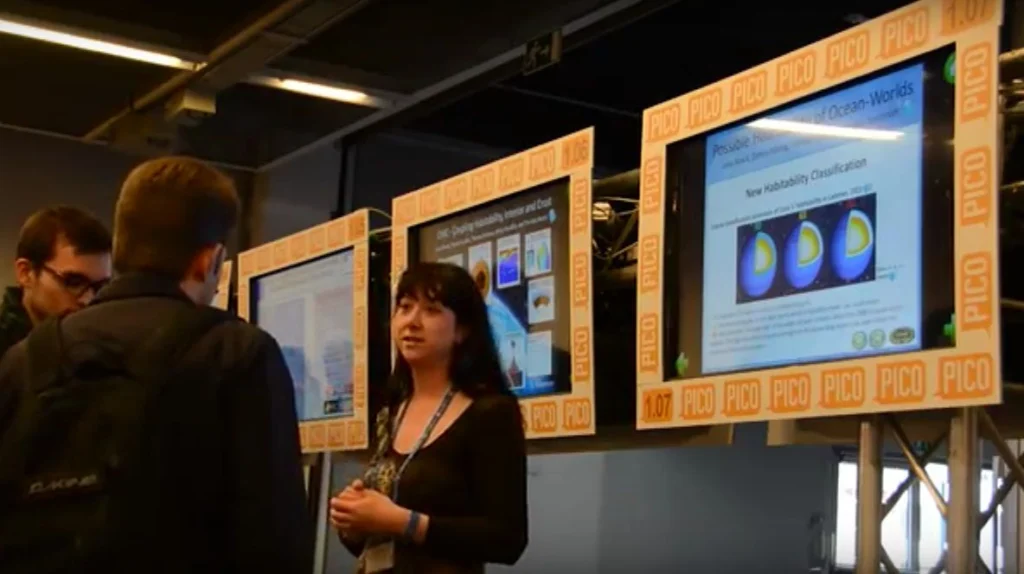
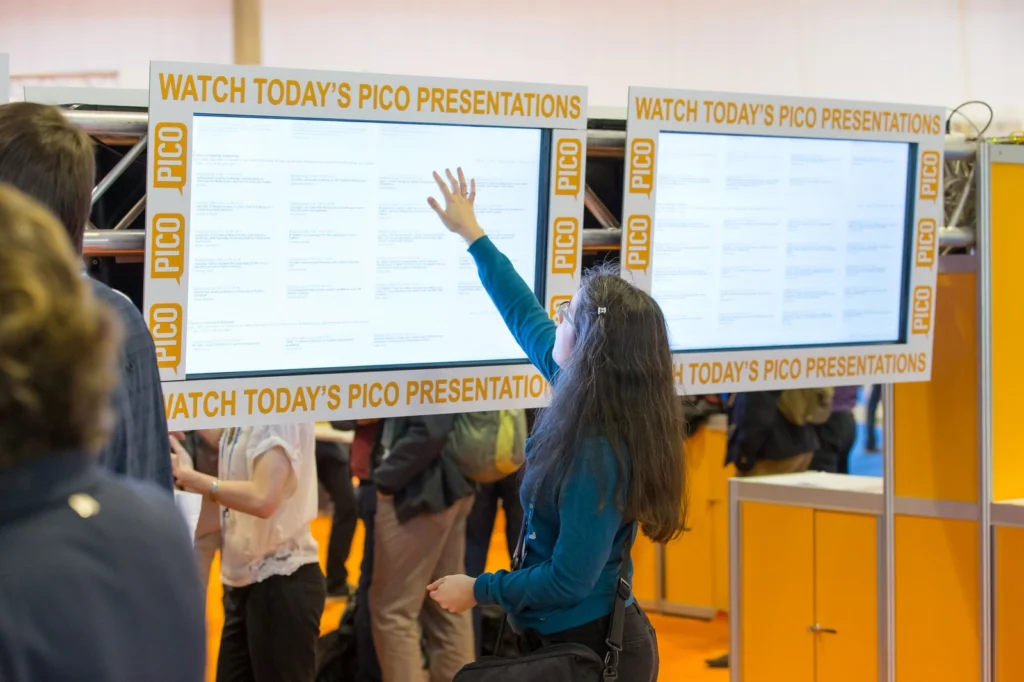
Some of the sessions scheduled for the upcoming EGU General Assembly are PICO only sessions. This means that, rather than being oral or poster format, they involve Presenting Interactive COntent (PICO). The aim of these presentations is to highlight the essence of a particular research area – just enough to get the audience excited about a topic without overloading them with information. What’s gr ...[Read More]
Making a poster or PICO presentation: top tips from the Outstanding Student Poster and PICO (OSPP) Award judges
Every year at the General Assembly hundreds of students present their research at the conference with a lot of time and effort going into preparing these presentations. With the aim to further improve the overall quality of poster presentations and more importantly, to encourage early career scientists to present their work in the form of a poster, the OSP Awards (as they were formerly known), wer ...[Read More]