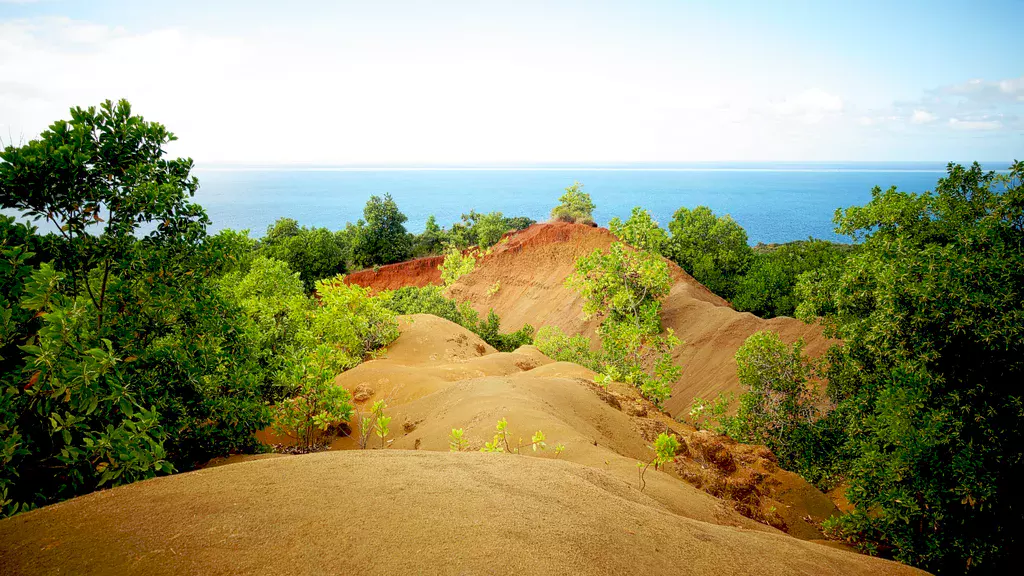
Mayotte, the so-called “perfume island”, is a volcanic island of the Comoros Archipelago and a French overseas department which hit the headlines in 2018-2019 with an enigmatic as well as frightening seismic swarm, recently linked to the appearance of a new submarine volcano nearby. Surrounded by one of the largest lagoons in the World and …[Read More]
Communicate Your Science
GeoTalk: A biogeocaching scavenger hunt for Earth science outreach
Did you know that the EGU has a public engagement grant scheme? We’ll be awarding three EGU members with 1500€ to help them develop an outreach project that aims to raise awareness of geosciences outside the scientific community. The 2020 call for applications is currently open. In this GeoTalk interview, Olivia Trani talks to Astrid …[Read More]
GeoPolicy: Communicate Geoscience? Let’s do it!
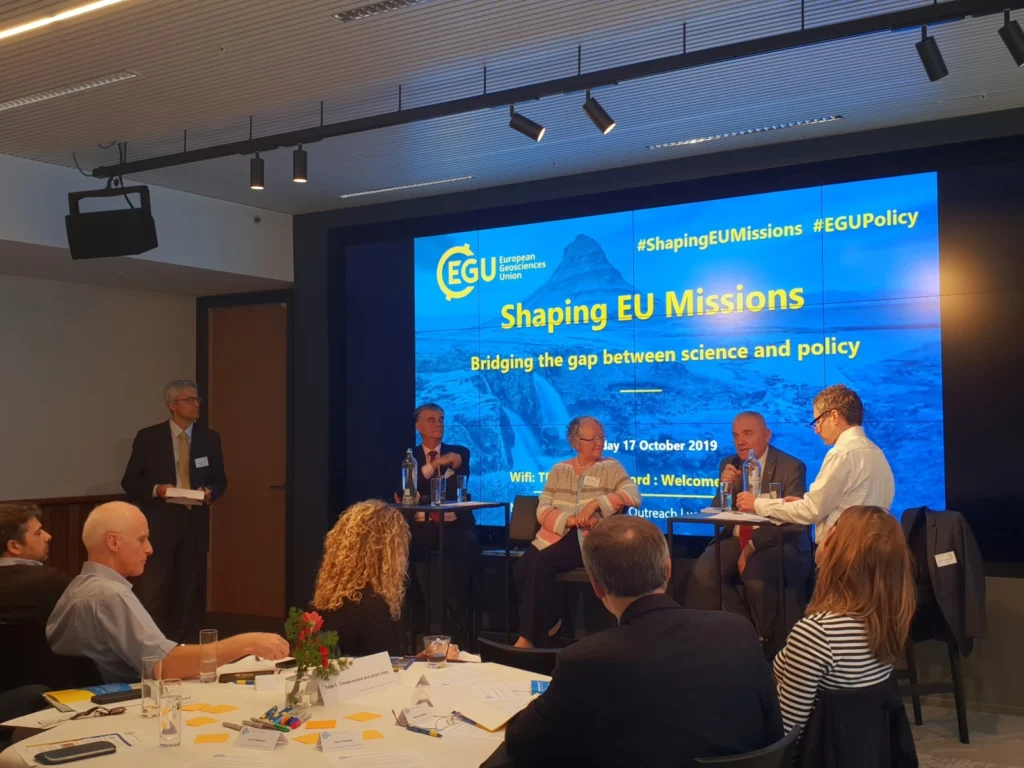
This month’s GeoPolicy Column was written by Alexander Roesner, a researcher at MARUM (the Center for Marine Environmental Sciences) and the winner of the EGU’s 2019 ECS Policy Competition, which provides the winner with funding to attend the EGU’s science-policy event, Shaping EU Missions in Brussels. Roesner outlines his motivation for applying for the competition …[Read More]
GeoPolicy: What really drives political decision-making?
On July 17 2019, the EU Commission’s Joint Research Centre (JRC) published a report highlighting how thinking is challenged by today’s information environment and the role of evidence-informed policymaking in a well-functioning democracy. Titled Understanding our political nature, the report was produced with the assistance of 60 international experts in the humanities, behavioural and social …[Read More]
GeoPolicy: Preventing mercury leakage from a WWII submarine
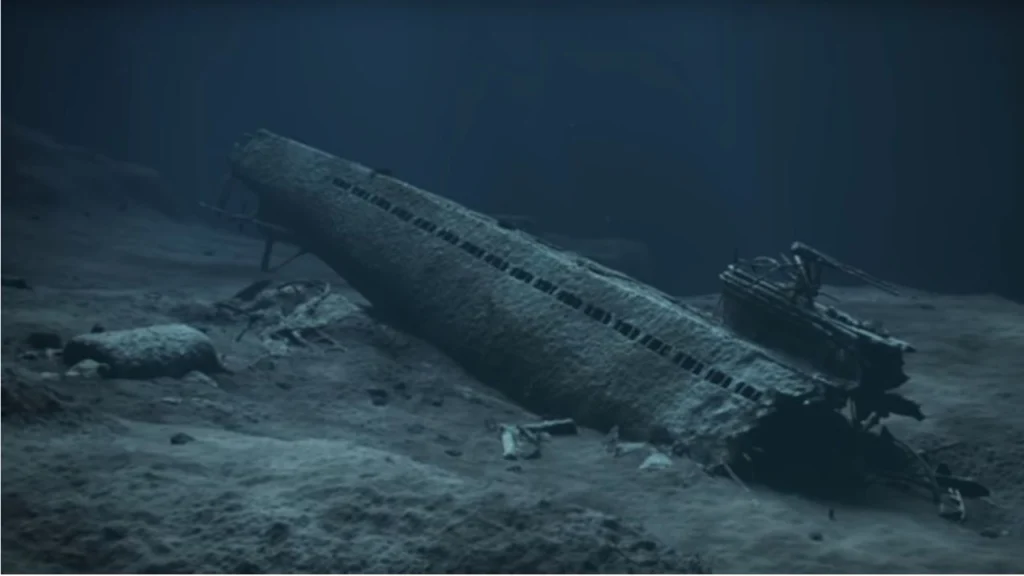
I recently had the opportunity to interview Matthias Kaiser, a professor at Bergen University and, at the time of the interview, Director of the Centre for the Study of the Sciences and the Humanities. He is part of an expert team that has given scientific advice to Norwegian policymakers, highlighting the issues that should be …[Read More]
GeoPolicy: Fake news and populism – a threat to science in Europe
The 2019 EGU General Assembly was a great success. Not only was it the largest in EGU history (with over 16,000 participants, 5,531 oral, 9,432 poster and 1,287 PICO presentations) but it also allowed scientists to connect geoscience and their research with global challenges and potential solutions. One of the highlights of this year’s General …[Read More]
GeoPolicy: What inspires you to be a scientist?
What inspires you to be a scientist? For me, the motivation comes from a strong desire to make the world a better place, to use our skills and knowledge as scientists to help society and shape the future. Increasing our collaboration and involvement is an excellent way to expand our influence, but for early career …[Read More]
GeoPolicy: Science in policymaking: Who is responsible?
Should scientists actively approach policymakers in order to guide their decision-making processes, or is it the policymakers’ responsibility to seek scientific advice? In the first of the Great Debates at this year’s European Geosciences Union General Assembly in Vienna a mixed panel of policymakers and geoscientists tried to answer who should be responsible for making sure …[Read More]
GeoPolicy: Science for Policy at the 2019 General Assembly!
The EGU General Assembly is the largest geoscience meeting in Europe. Not only does it have a diverse array of sessions that you can attend within your own area of expertise but there are also thousands of sessions that will be outside of your research field, as well as sessions on topics that can be …[Read More]
GeoPolicy: The importance of communicating your research with the public
Science and innovation are a central priority for the European Union with the current research framework, Horizon 2020, allocating almost €80 billion to research and innovation over seven years, until 2021. It appears that policymakers are currently happy with this investment as they are looking to increase research and innovation spending to at least €100 …[Read More]