The International Atomic Energy Agency (IAEA) has developed an online system to assist in improving the response capabilities of authorities in the event of an emergency caused by natural hazards. The Decision Support System for Nuclear Emergencies Affecting Food and Agriculture (DSS4NAFA), provides a clear overview of radioactive contamination of crops and agricultural lands through …[Read More]
Communicate Your Science
GeoPolicy: ESOF – putting scientists & policymakers in the same room!
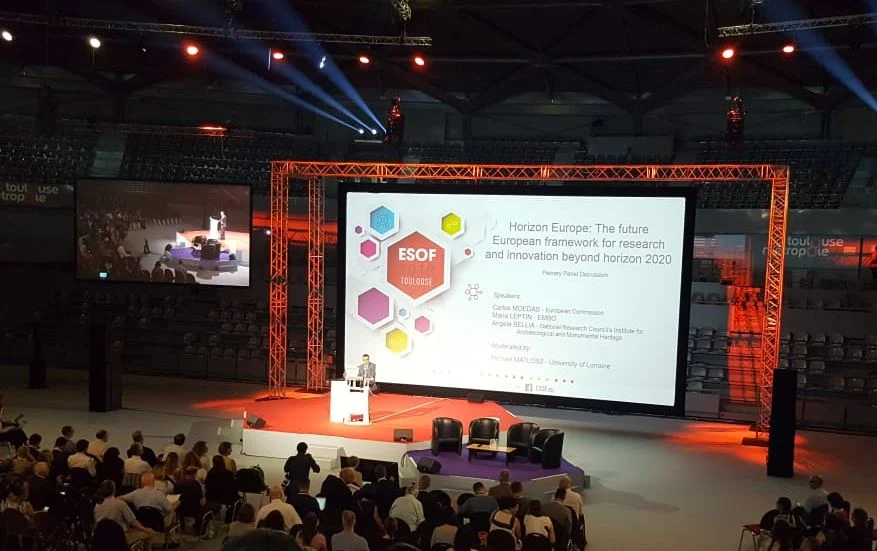
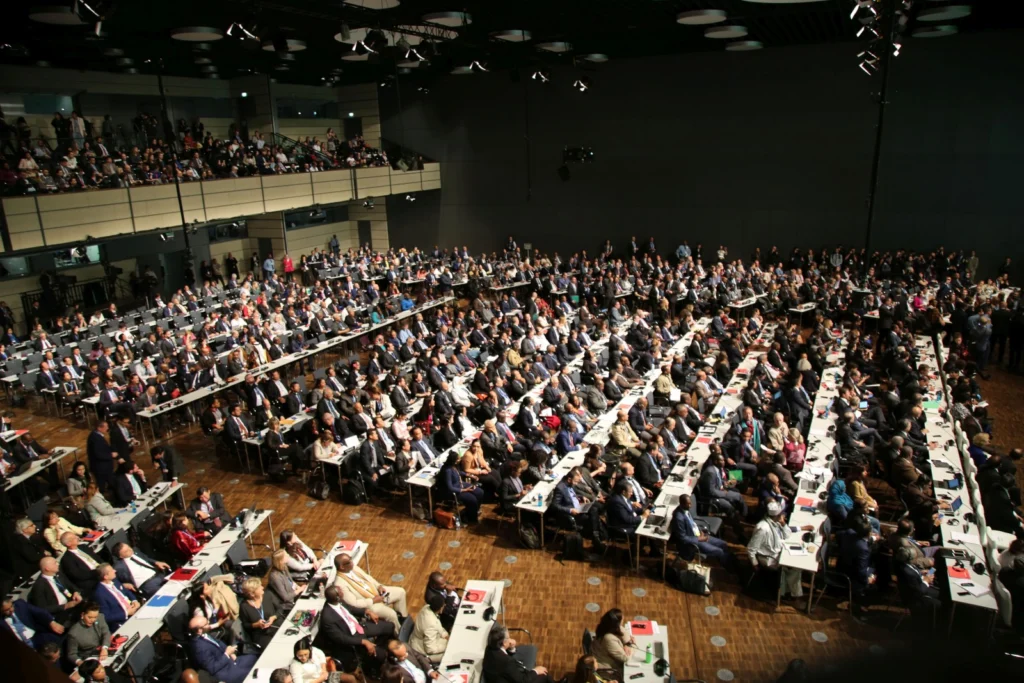
The EuroScience Open Forum (ESOF), the largest interdisciplinary science meeting in Europe, was held earlier this month in Toulouse, France and attracted scientists and policymakers from across the globe. Held every second year, ESOF provides an interface between science, policy and society. This year was my first ESOF. I attended as the EGU Policy Officer …[Read More]
GeoPolicy: How science supported the EU’s new land use and forestry regulation
What is the land use and forestry regulation? In October 2014, the EU agreed that all sectors, including land and forestry, should contribute to the EU’s 2030 climate & energy framework target to reduce greenhouse gas emissions by at least 40% by 2030 compared to 1990 levels. Almost 4 years later, in May 2018, the …[Read More]
GeoPolicy: Scientific research in a changing European Union
Scientific research in a changing European Union The 2018 EGU General Assembly was a huge success. Not only was it the biggest yet (with over 15,000 participants) but it also held a large variety of Short Courses, Townhalls and Union Symposia that gave the scientists attending a chance to step out of their comfort zone …[Read More]
GeoPolicy: Getting involved with policy at the 2018 General Assembly
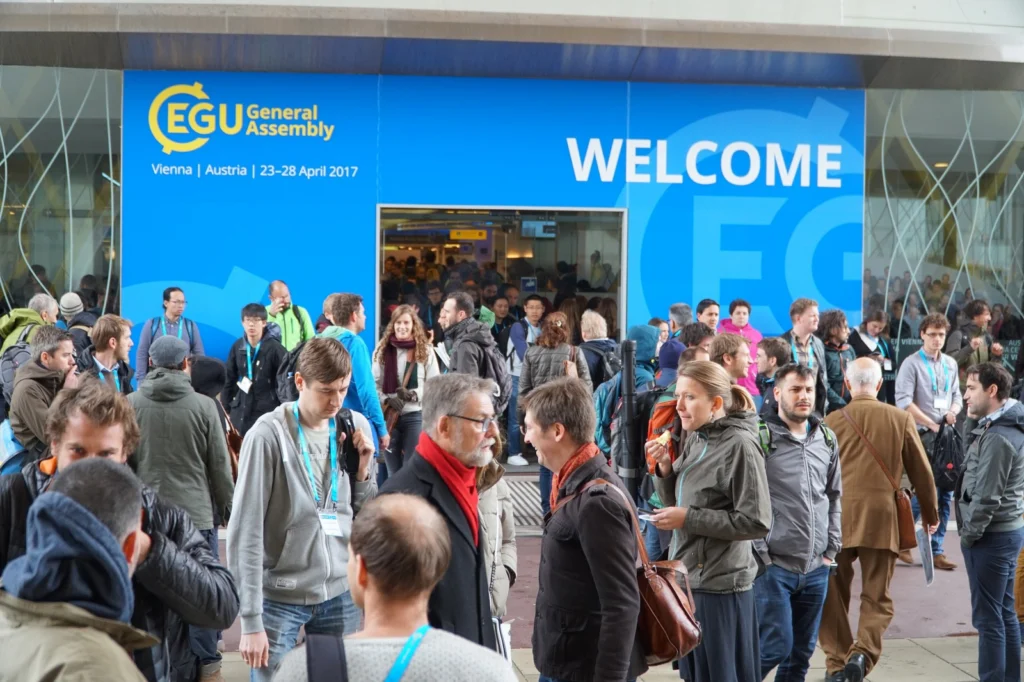
The EGU General Assembly is an amazing event, not only because of its size but also due to the number of disciplines represented! This gives scientists, who are diligently focused on their specific research for the majority of the year, the chance to let loose and learn something a bit different. This year’s assembly will …[Read More]
Imaggeo on Mondays: The birth of a new ocean
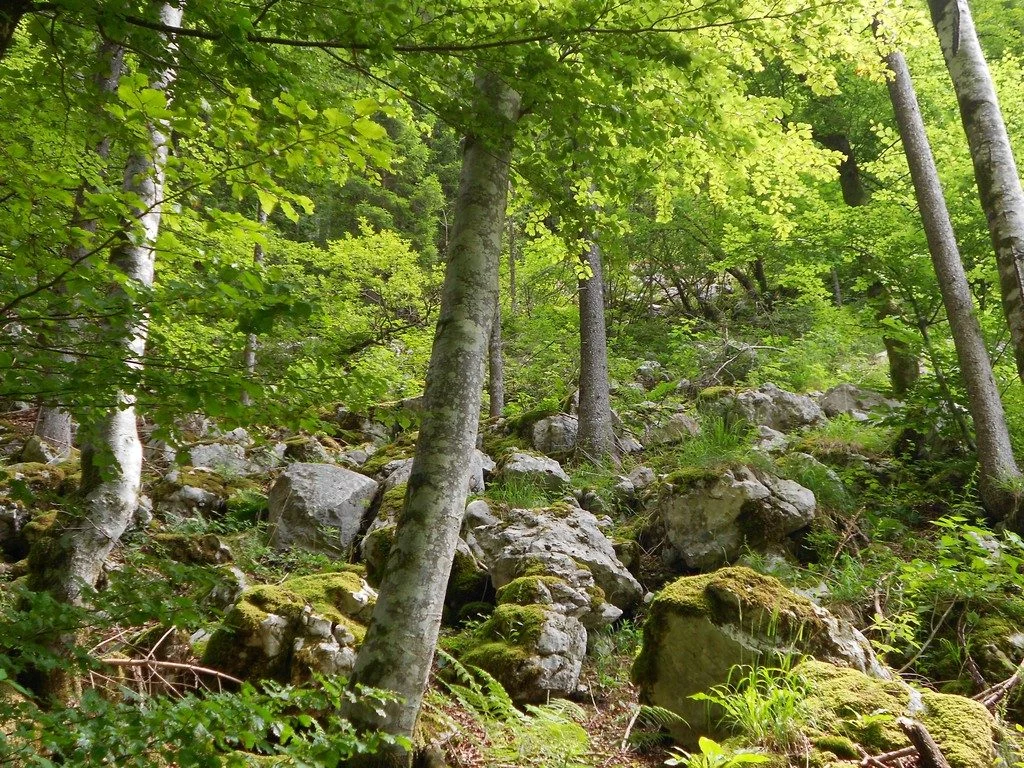
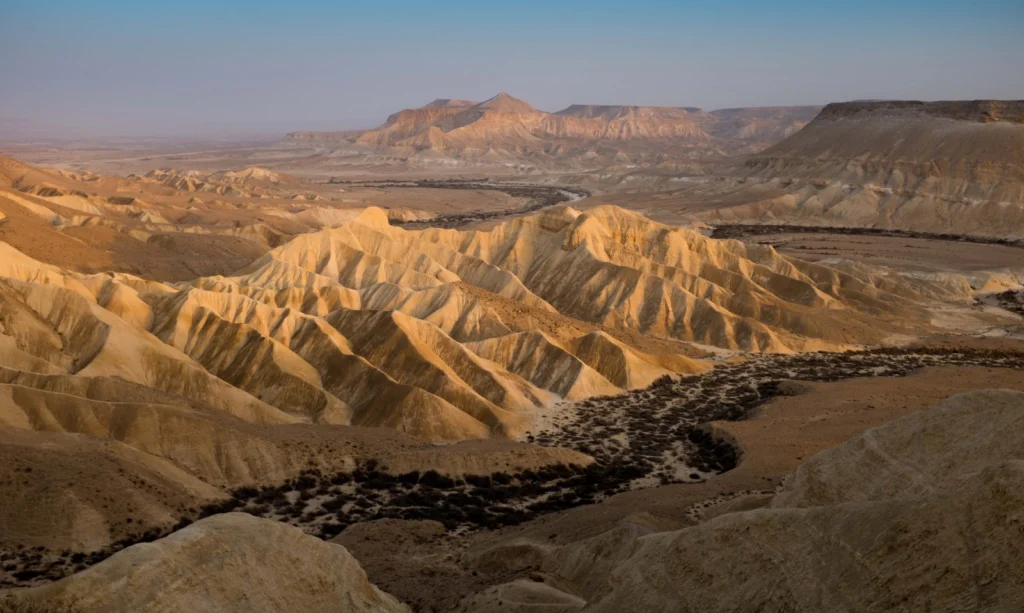
This is a photograph of Zin (or Tzin) Valley, taken from Midreshet Ben Gurion at Sede Boker, Negev Desert in Israel. The Zin Valley takes its name from the River Zin, which is now a dry river except for a few days of the year when heavy rainfall can form dangerous flash floods. The River Zin …[Read More]
GeoTalk: Eleanor Frajka-Williams, the 2017 Ocean Sciences Division Outstanding Early Career Scientists Awardee
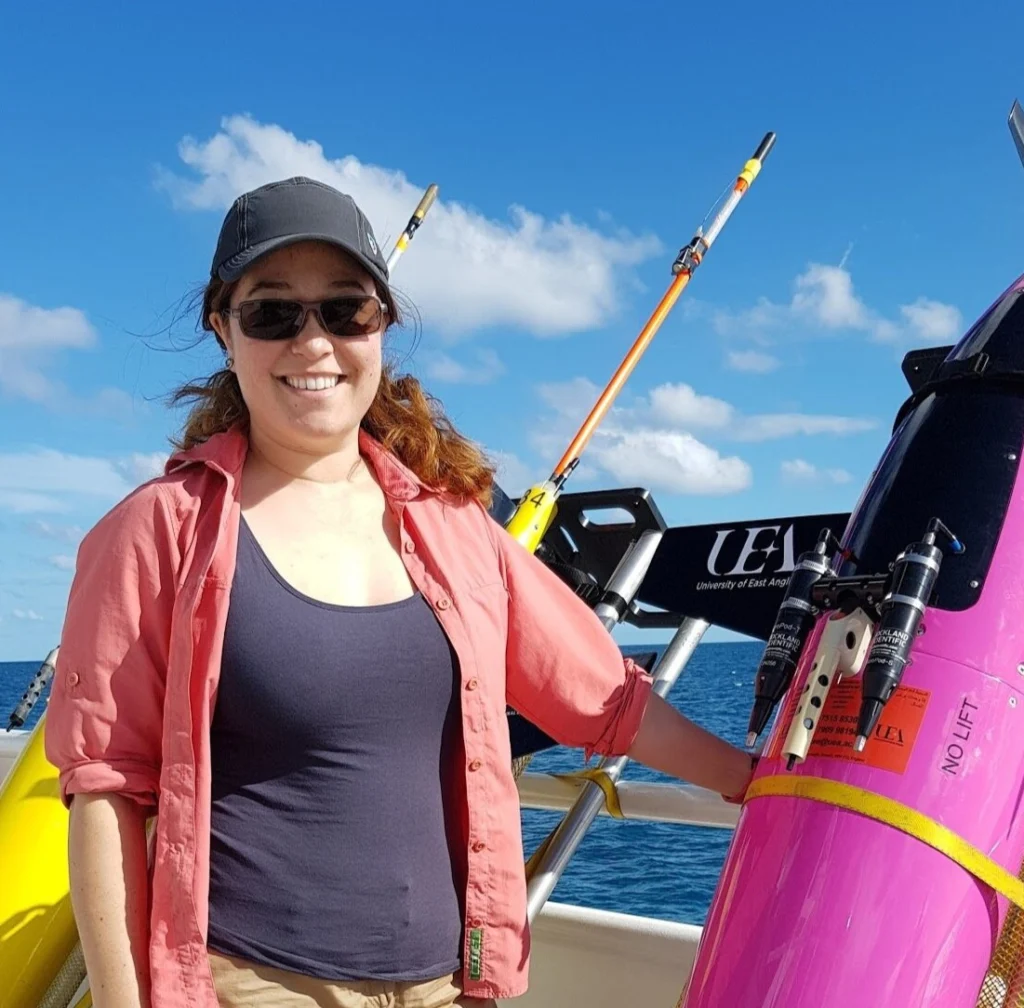
Geotalk is a regular feature highlighting early career researchers and their work. Following the EGU General Assembly, we spoke to Eleanor Frajka-Williams, the 2017 Ocean Sciences Division Outstanding Early Career Scientists awardee. In her work, Eleanor uses real-world measurements – from ships, satellites, sea gliders and moorings – to understand how the world’s oceans work. …[Read More]
Geopolicy: How does scientific uncertainty translate into policy?
Scientific uncertainty is one of the only things in science that is certain. It’s found in complex modelling systems, in the unpredictability of natural processes and even when there seems to be scientific consensus, a new scientific discovery can recreate ambiguity. But how do policymakers deal with scientific uncertainty when they are making decisions? Policymakers …[Read More]
GeoPolicy: COP23 – key updates and outcomes
What is COP23? Anthropogenic climate change is threatening life on this planet as we know it. It’s a global issue… and not one that is easily solved. The Conference of the Parties (COP) provides world leaders, policy workers, scientists and industry leaders with the space to share ideas and decide on how to tackle climate …[Read More]
GeoPolicy: What are science-policy placements and are they for you?
This month’s GeoPolicy blog will examine science-policy internships, fellowships, secondments and pairing-schemes in closer detail – highlighting the reasons for undertaking a placement and interviewing Dr Michelle Cain, an EGU member who participated in NERC’s Policy Placement Fellowship Scheme Science-policy placements provide scientists with the opportunity to use their knowledge within a policy-orientated organisation. This could include working …[Read More]