
Display "Following Carbon Dioxide Through the Atmosphere" from YouTube Click here to display content from YouTube. Learn more in YouTube’s privacy policy (opens in a new tab). Please enable JavaScript in your browser to load this content. Always display content from YouTube Open "Following Carbon Dioxide Through the Atmosphere" directly Carbon dioxide plays a significant …[Read More]
33 search results for "dust in the desert"
If you didn't find what you were looking for, try searching again.
Imaggeo on Mondays: The unique bogs of Patagonia
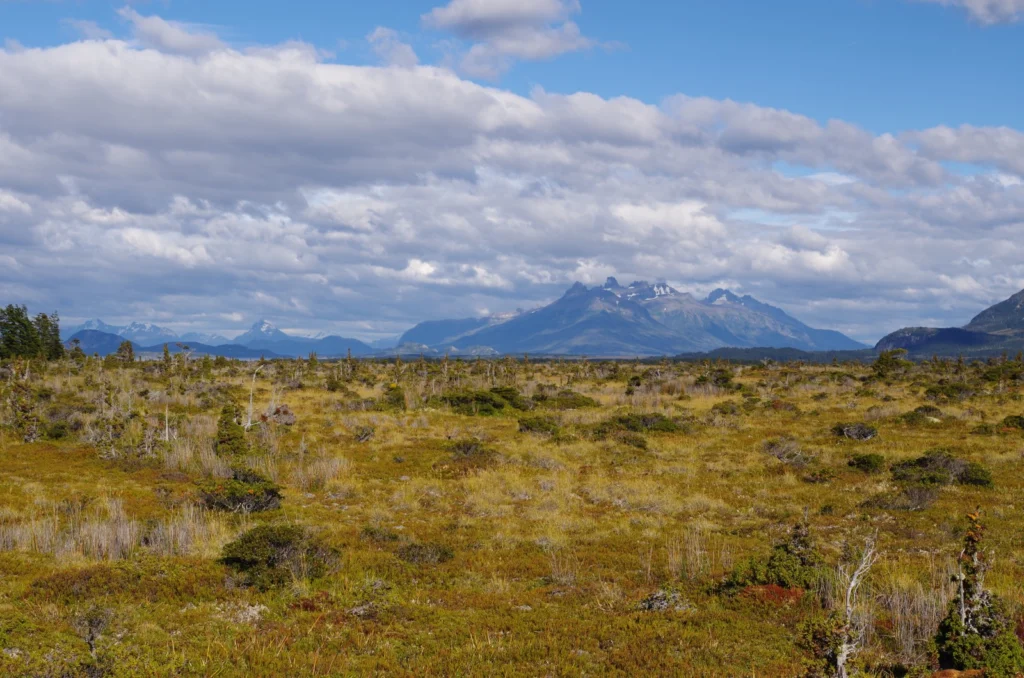
Patagonia, the region in southernmost tip of South America, is as diverse as it is vast. Divided by the Andes, the arid steppes, grasslands and deserts of Argentina give way to the temperate rainforests, fjords and glaciers of Chile. Also on the Chilean side are rolling hills and valleys of marshy topography: Patagonia’s bogs. Today, …[Read More]
Artificial floods: Restoring the ecological integrity of rivers
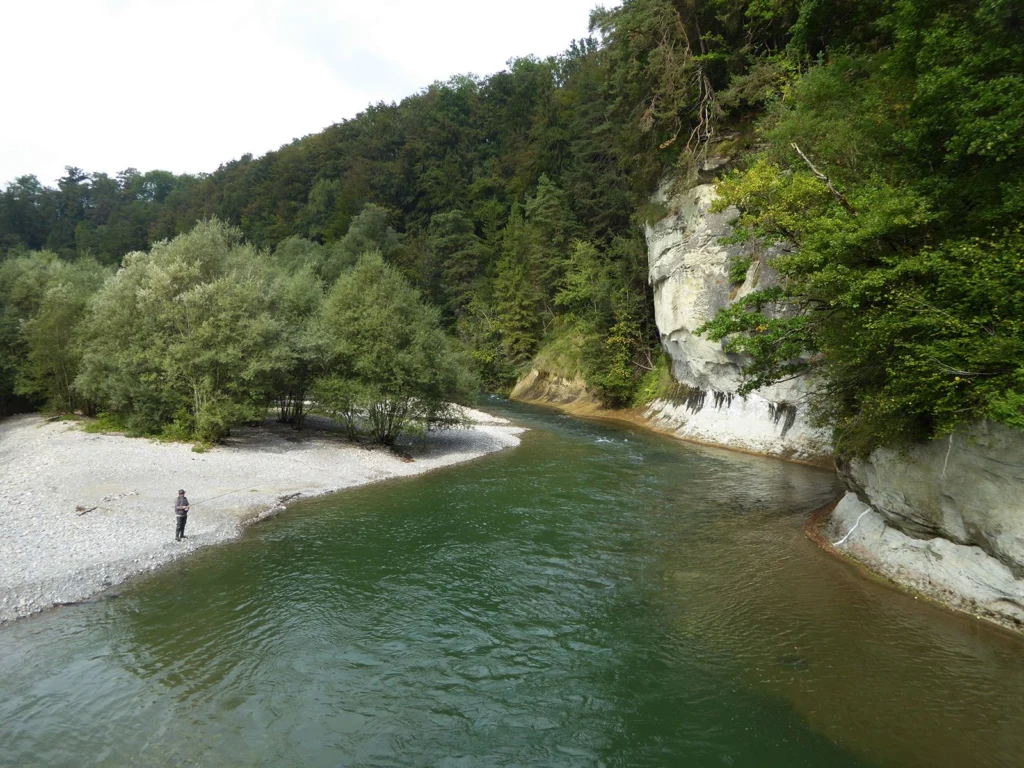
“You can never step into the same river, for new waters are always flowing on to you.” —Heraclitus of Ephesus Rushing rivers, with their unremitting twists and turns and continuous renewal, are often used as a metaphor for life, but the analogy is just as appropriate for scientific research, I reflected as I walked along …[Read More]
Imaggeo on Mondays: America’s dead sea
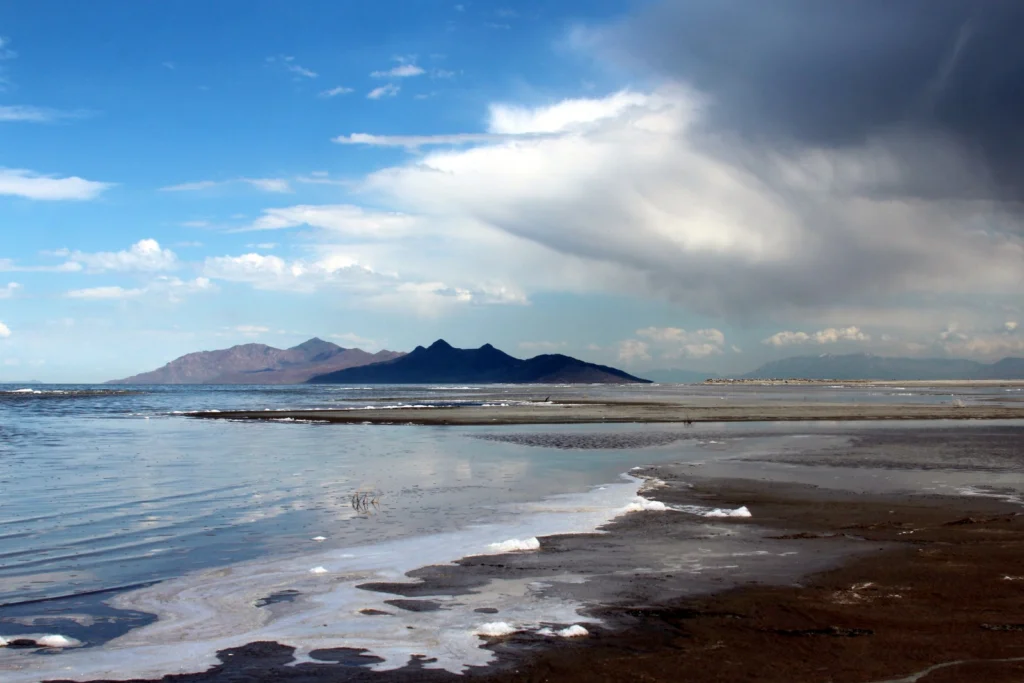
On the blog today, Jennifer Ziesch, a researcher at the Leibniz Institute for Applied Geophysics, takes us on a tour of the Great Salt Lake, located in the north of Salt Lake City (Utah). Did you know it is one of the largest salt water lakes in the world? The large salt lake and Salt …[Read More]
Geosciences Column: The World’s soils are under threat
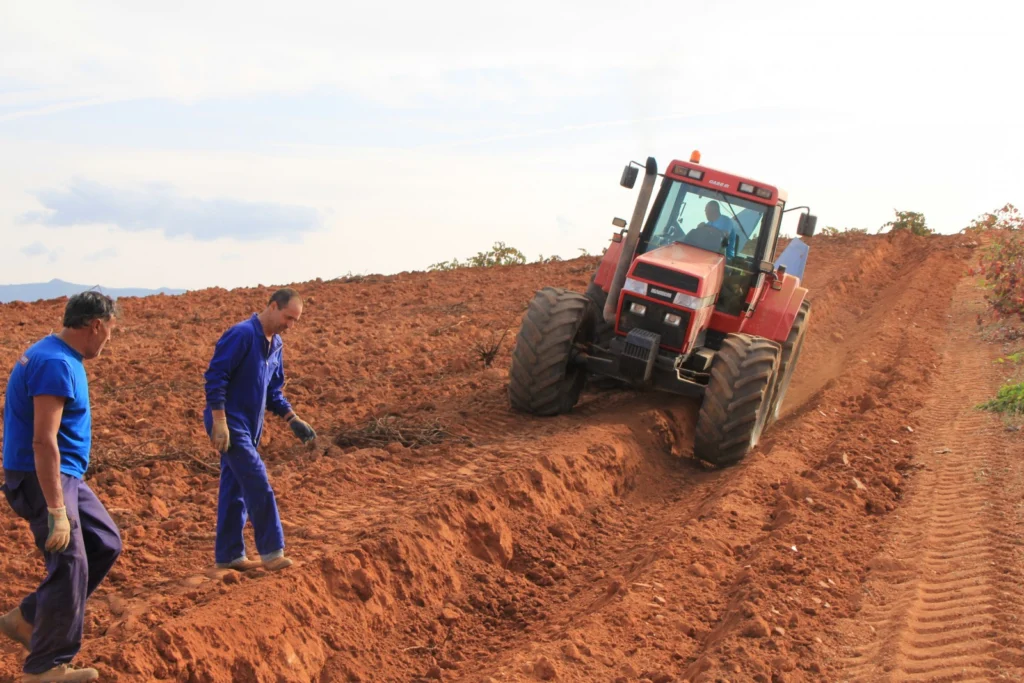
An increasing global population means that we are more dependant than ever on soils. Soils are crucial to securing our future supplies of water, food, as well as aiding adaptation to climate change and sustaining the planet’s biosphere; yet with the decrease in human labour dedicated to working the land, never have we been more …[Read More]
GeoPolicy: How to communicate science to policy officials – tips and tricks from the experts
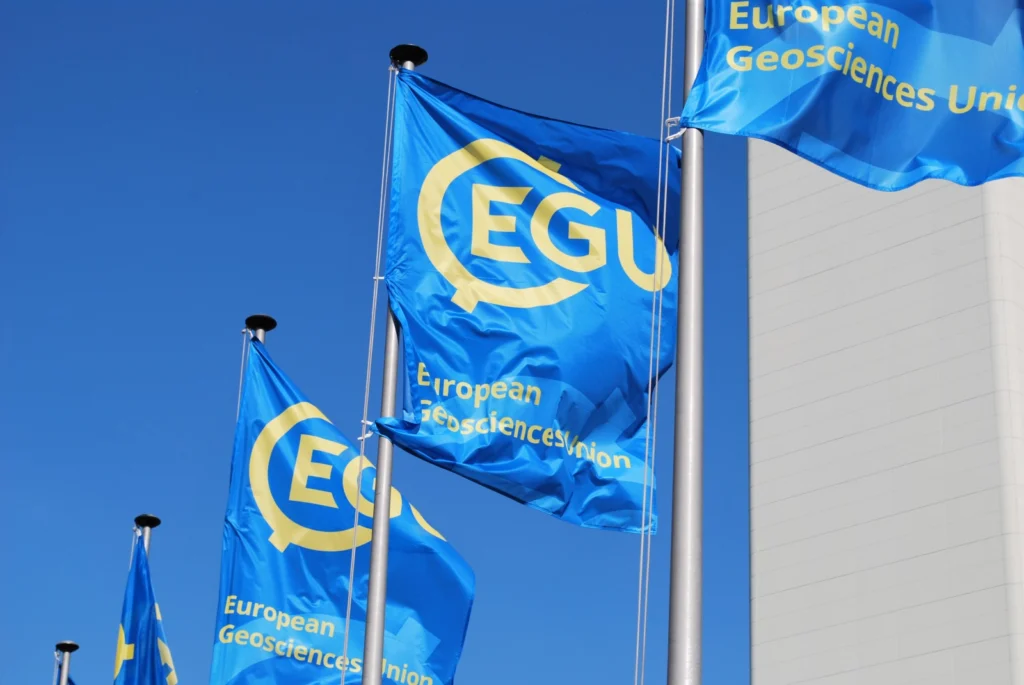
The EGU General Assembly was bigger than ever this year. Over 16,500 people attended more than 500 sessions. Although many sessions featured policy-relevant science, the short course entitled ‘Working at the science policy interface‘ focused purely on the role of scientists within the policy landscape. For those of you that couldn’t attend, this month’s GeoPolicy post …[Read More]
Geosciences Column: The quest for life on Mars
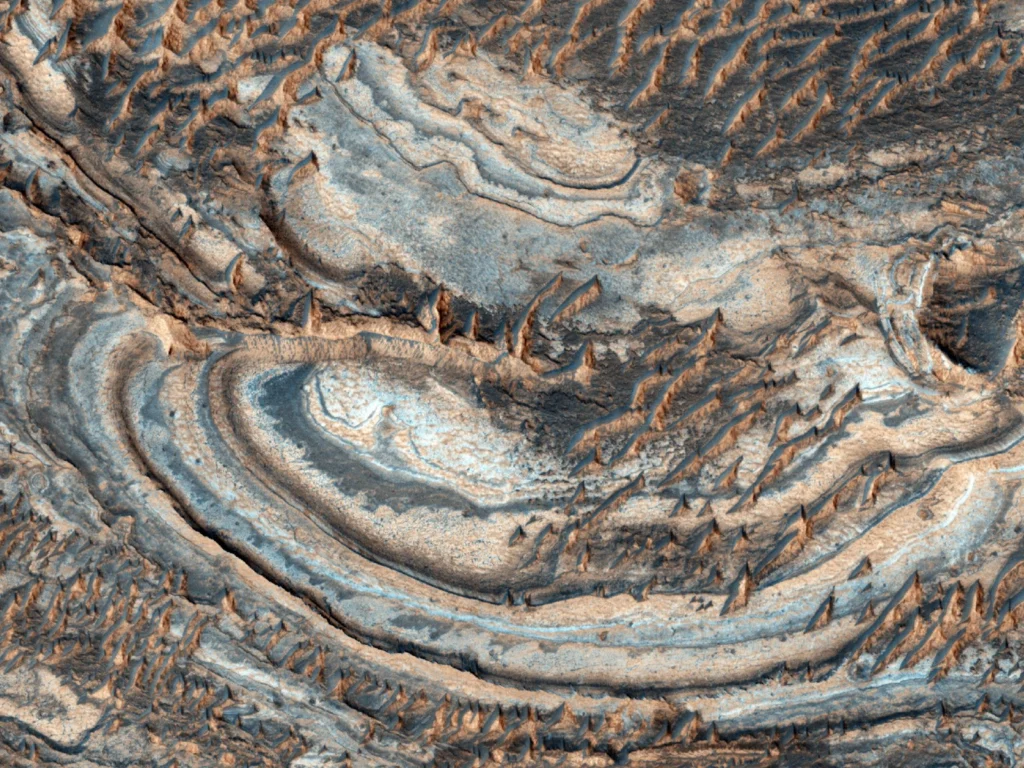
Understanding where we come from and whether Earth is the only habitable planet in the Solar System has been a long standing conundrum in science. Partly because it is our nearest neighbour, partly because of its past and current similarities with our own home, Mars, the red planet, is a likely contender in the quest …[Read More]
Geosciences Column: Is it possible to quantify the effect of natural emissions on climate?
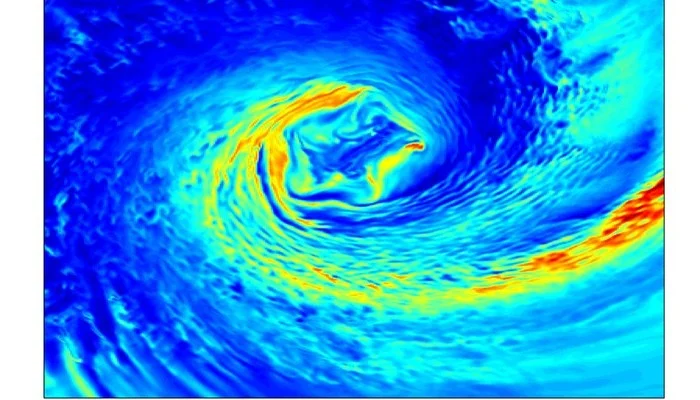
The air we breathe is full of tiny particles that can have a big impact on our climate. Industrial activities have greatly increased the number of these particles, cooling the climate and potentially offsetting some of the warming due to greenhouse gases. In this post Kirsty Pringle introduces new research that suggests that it might …[Read More]
Imaggeo on Mondays: Soil and water conservation in the Dogon Plateau, Mali
Velio Coviello, a scientist from the Research Institute for Hydrogeological Protection, Italy, and one of the winners of the EGU 2014 Photo Contest, brings us this week’s Imaggeo on Mondays. He sheds light on his winning image and the problems associated with conserving soils and water in Western Africa… This picture was taken on Mali’s …[Read More]
Imaggeo on Mondays: Stirring up a sandstorm
These are the outwash plains for the Icelandic volcano, Katla: An outwash plain (or sandur) is a broad, shallowly sloping region ahead of a glacial front. They are made up of material that has been deposited by glacial meltwater, released either by geothermal heating or a subglacial eruption. The extensive volcanism and abundance of ice-capped volcanoes …[Read More]