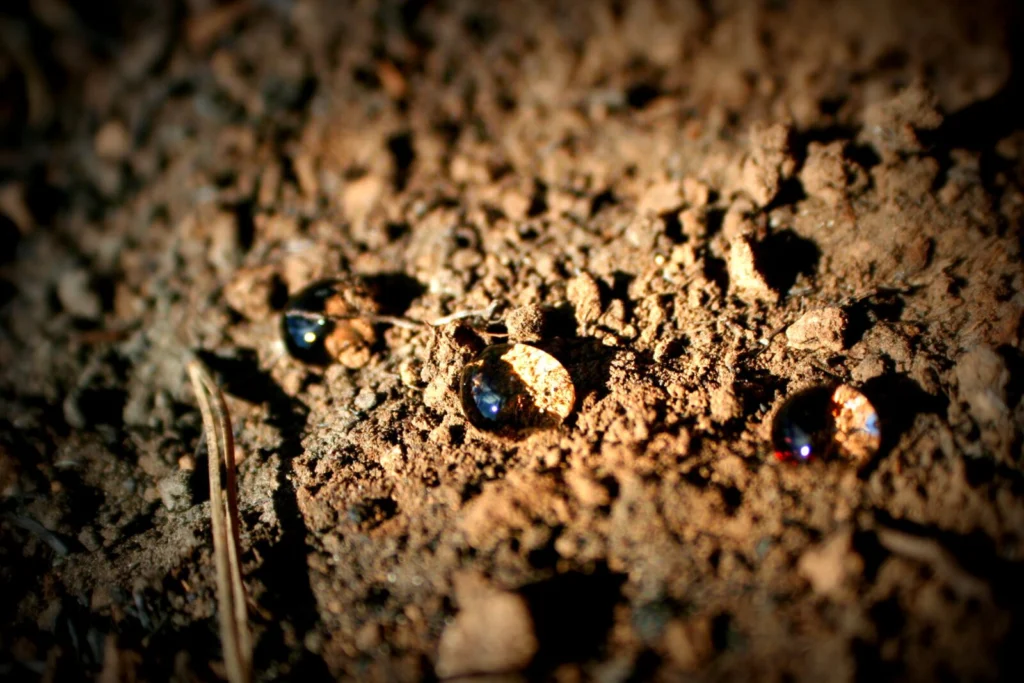
Next time you’re outdoors, in a park or anywhere where there is no pavement, look down at the patch of earth beneath your feet. To many people, it’s just mud, dirt, or maybe soil, something passive that things grow in. But to a soil scientist, that handful of soil represents a dynamic ecosystem that supports …[Read More]
33 search results for "dust in the desert"
If you didn't find what you were looking for, try searching again.
“Are you aug?” A strategic foresight into human enhancement, climate adaptation, and access disparities
The Geneva Science and Diplomacy Anticipator (GESDA) placed human augmentation on a 5–10 year timeline, identifying it as a key area where technological advancement could soon reshape societies. Their GESDA radar platform tracks over 500 emerging science breakthroughs including enhanced cognition, programmable biology, and climate-resilient bioengineering. The foresight is clear: we are entering an era …[Read More]
AI: the good, the bad, and the forgotten
AI is here, and when I say here, I mean e-v-e-r-y-w-h-e-r-e. For all you know, this blog may have been written by an algorithm (it wasn’t — I’m not a robot, promise. Or am I?). In what feels like the blink of an eye, AI has gone from a curiosity to a fully-fledged co-pilot in …[Read More]
GeoCinema: coming soon to the EGU25 General Assembly!
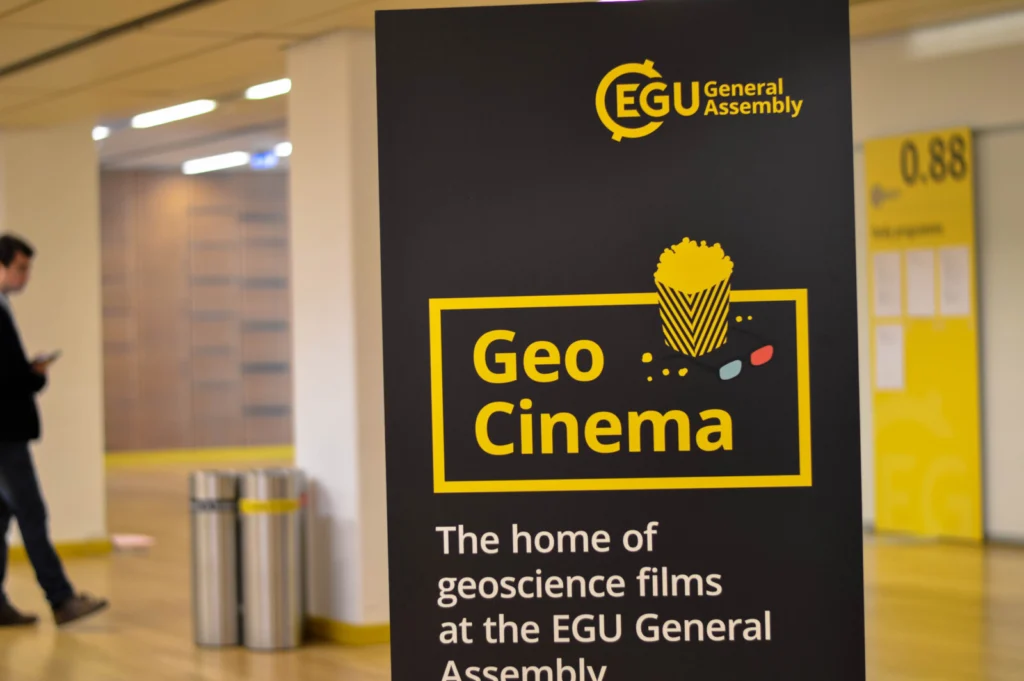
After a big success last year, GeoCinema is back for EGU25! As many of you know, doing science is very rarely just about the research, but also involves sharing that research in several forms and formats. For many talented researchers this means using films. Either working with a film-maker or creating something themselves, several of …[Read More]
Meet the Amazighs: Morocco’s indigenous women and their pivotal role in leading climate resilience initiatives
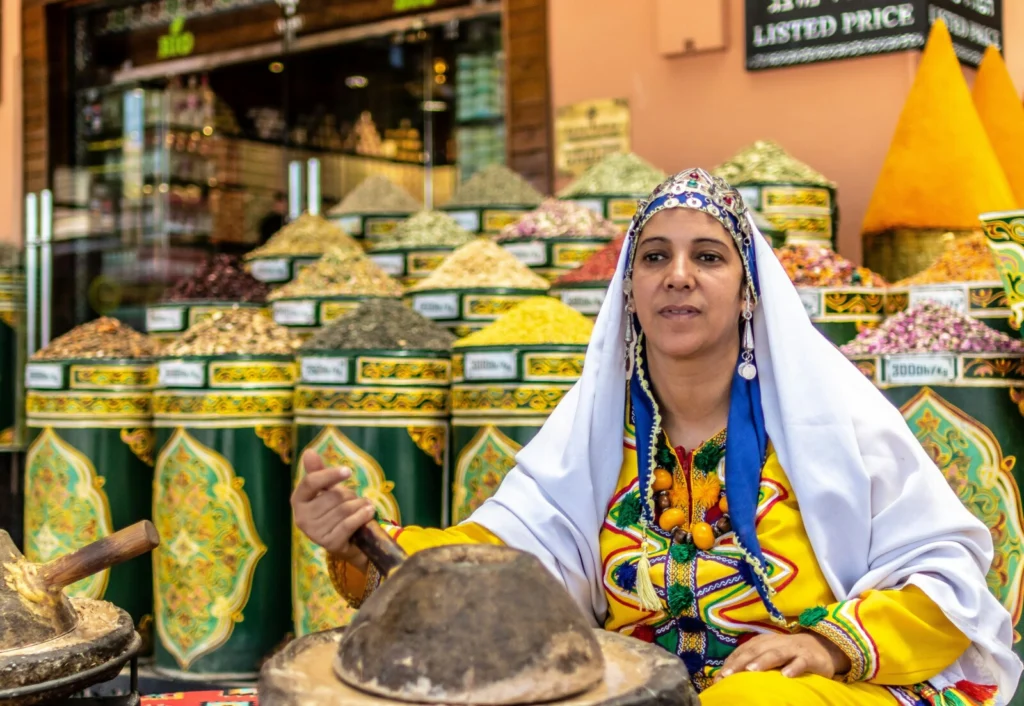
The International Day of the World’s Indigenous Peoples, observed each year on August 9, seeks to raise awareness and protect the rights of indigenous communities around the globe. To honour this, I have invited a few guest authors to write a series of blog posts that celebrate indigenous knowledge and highlight the intersection of natural …[Read More]
GeoPolicy: How geoscience can support the European Green Deal
Earlier this year, the EGU hosted the Integrating science into the EU Green Deal event in collaboration with the Intergroup on Climate Change, Biodiversity and Sustainable Development to outline how the geosciences can most effectively support the European Green Deal and ensure its ambitious biodiversity and zero-pollution targets are reached. The event provided policymakers, scientists and …[Read More]
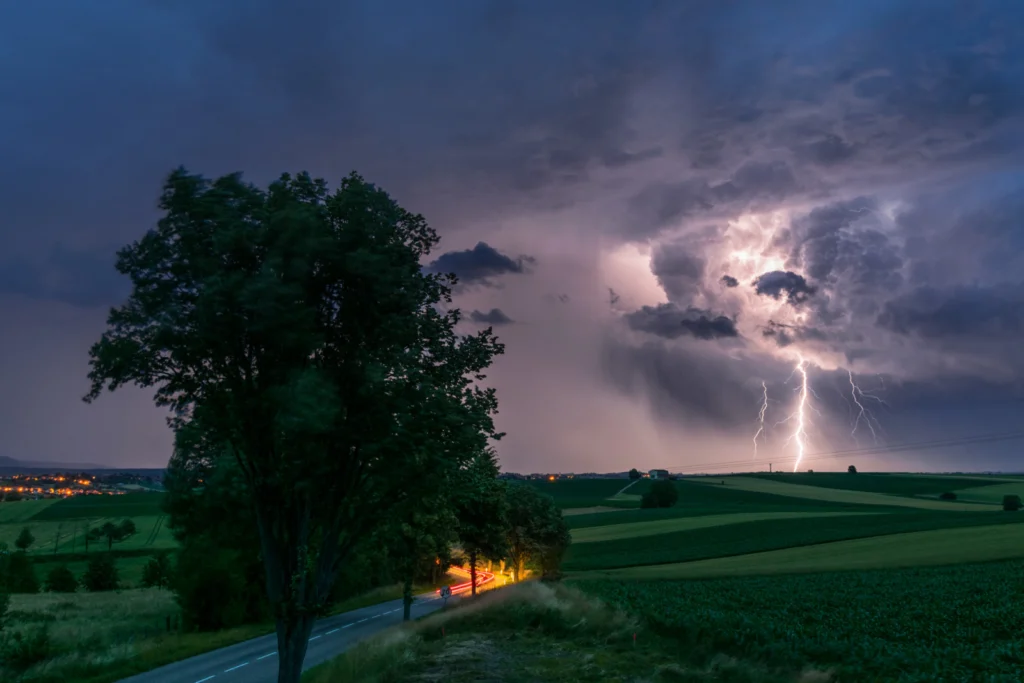
Geosciences Column: Thunderstorm asthma, the unexpected impact of lightning storms on pollen allergies.
In October 2015 a series of massive thunderstorms rolled across the Eastern Mediterranean. In the hours and days that followed many people living along the Israeli coast had to go to their nearest medical centre because they were experiencing respiratory problems, which appeared very similar to asthma. But what could have caused these breathing problems? …[Read More]
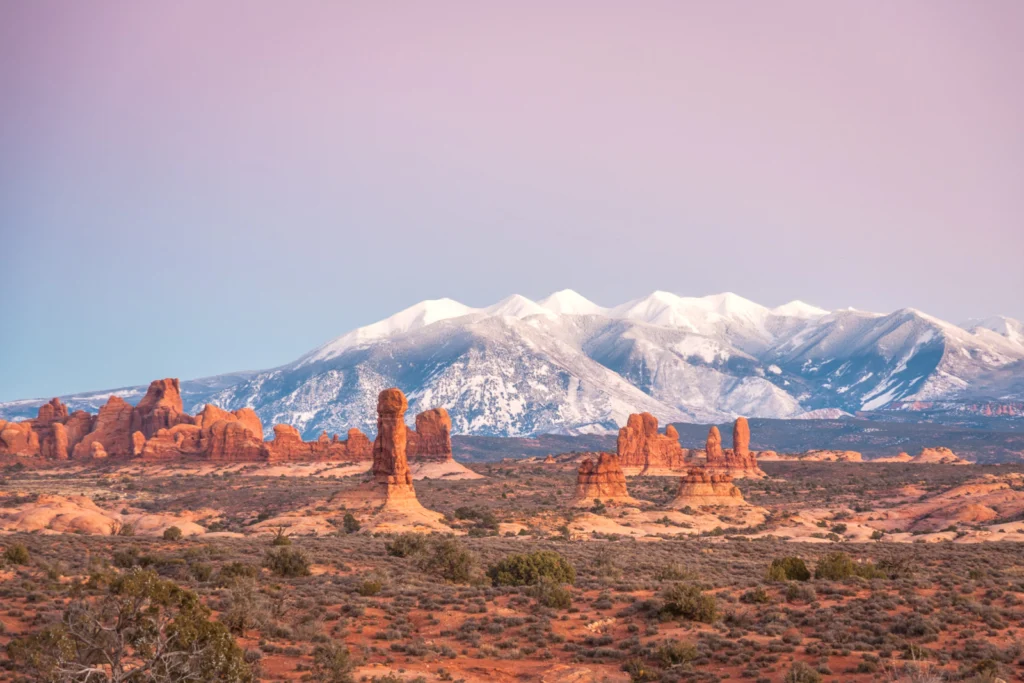
Imaggeo On Mondays: Contrasting Colors of Pinnacles and Mountains
Despite its rugged appearance of sandstone pinnacles and arches, the ecosystem of Arches National Park in Utah, U.S.A. is very fragile. Beyond the normal ‘high desert’ environment, this beautiful landscape is home to microbial communities in the soil called cryptobiotic crusts. These biological soil crusts are very vulnerable to damage and when harmed they can …[Read More]
July GeoRoundUp: the best of the Earth sciences from around the web
Drawing inspiration from popular stories on our social media channels, major geoscience headlines, as well as unique and quirky research, this monthly column aims to bring you the latest Earth and planetary science news from around the web. Major story The world soaks up the sun This summer our planet experienced the hottest June in …[Read More]
Giving back to the city: First EGU Public Lecture at the General Assembly 2018 in Vienna
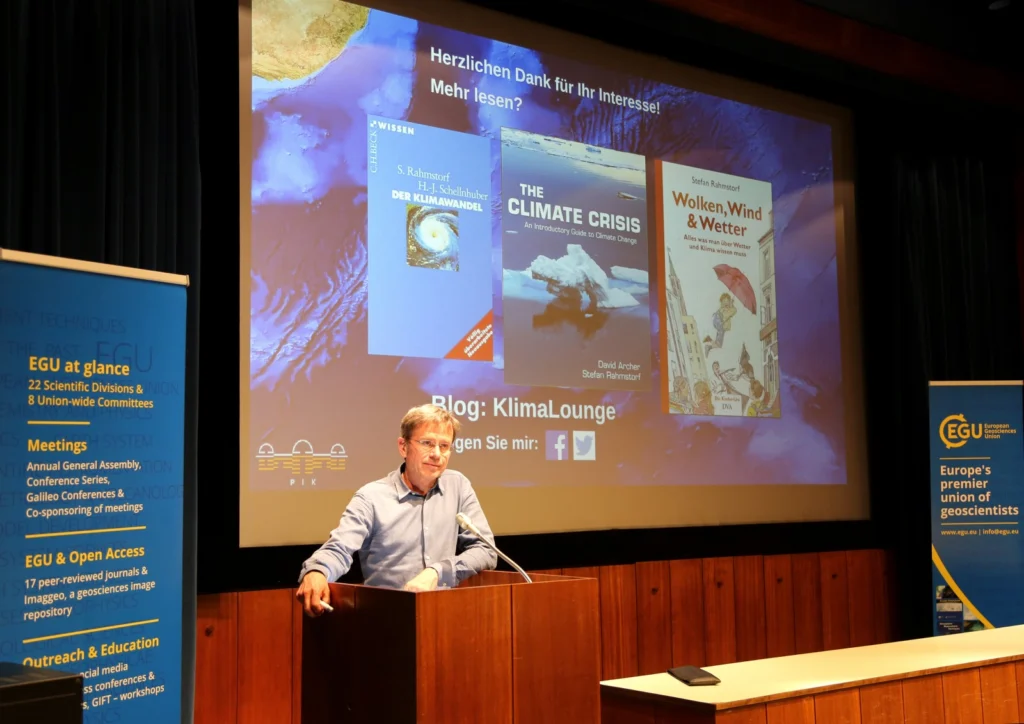
The inaugural EGU Public Lecture, titled ‘After Paris: Are we getting the climate crisis under control?’, took place last April at the 2018 General Assembly in the Natural History Museum of Vienna. In this first public lecture, Stefan Rahmstorf, a climate scientist at the Potsdam Institute for Climate Impact Research in Germany, took the audience …[Read More]