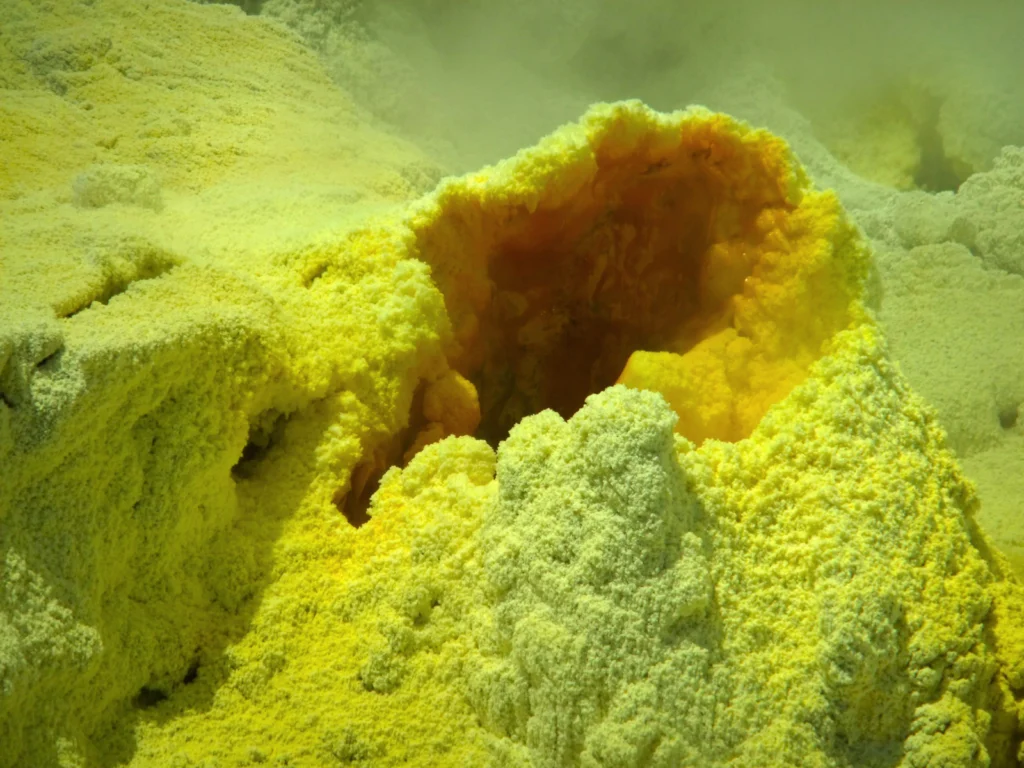
This photograph was taken in 2012 on a guided tour to Whakaari/White Island, an active volcano 50 km off the east coast of the North Island of New Zealand. The volcano lies on the northern end of the Taupo Volcanic zone and has possibly been active for the past 150,000 years. How dangerous this island is, was demonstrated by a number of explosive eruptions in recent history, the latest of which oc ...[Read More]
GeoLog
EGU General Assembly 2020 cancellation: Alberto Montanari and Susanne Buiter talk about the decision – and what comes next
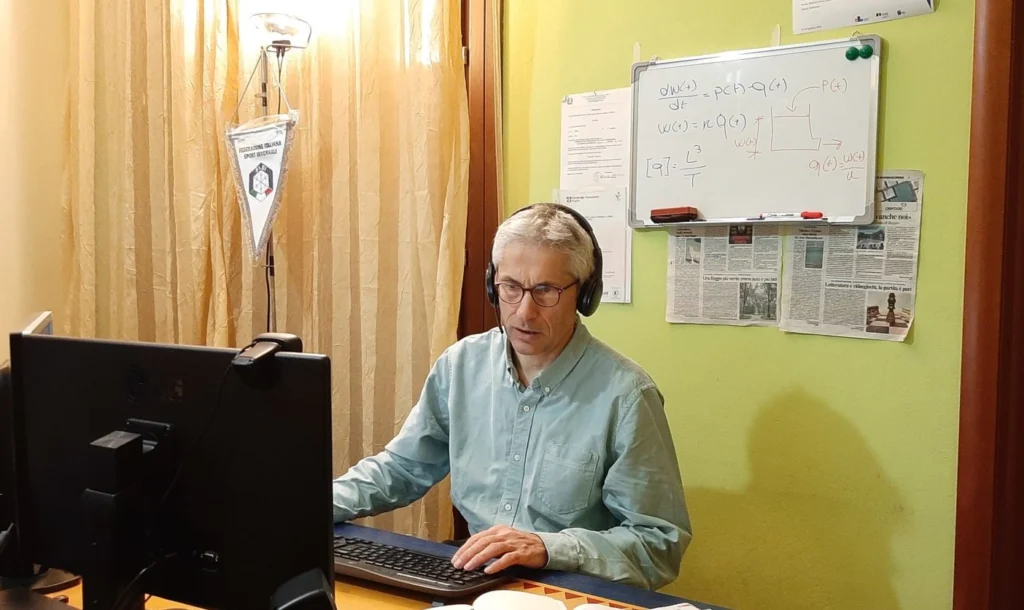
On 19 March EGU announced that it has cancelled the physical EGU General Assembly 2020 in Vienna, Austria. We spoke to the Union President Alberto Montanari and Programme Committee Chair Susanne Buiter to get some more information about what this means, how this decision was made and what comes next. Hello Alberto and Susanne, thank you for answering my questions. Today we found out the EGU ...[Read More]
EGU President Alberto Montanari introduces the new EGUsphere
The European Geosciences Union (EGU) just announced the launch of EGUsphere, a new online platform designed to promote global networking and open discussion within the Earth, planetary and space science community. EGUsphere will serve as a central repository for all contributions, presentations and manuscripts presented to EGU. In particular, EGUsphere will host abstracts and presentations from th ...[Read More]
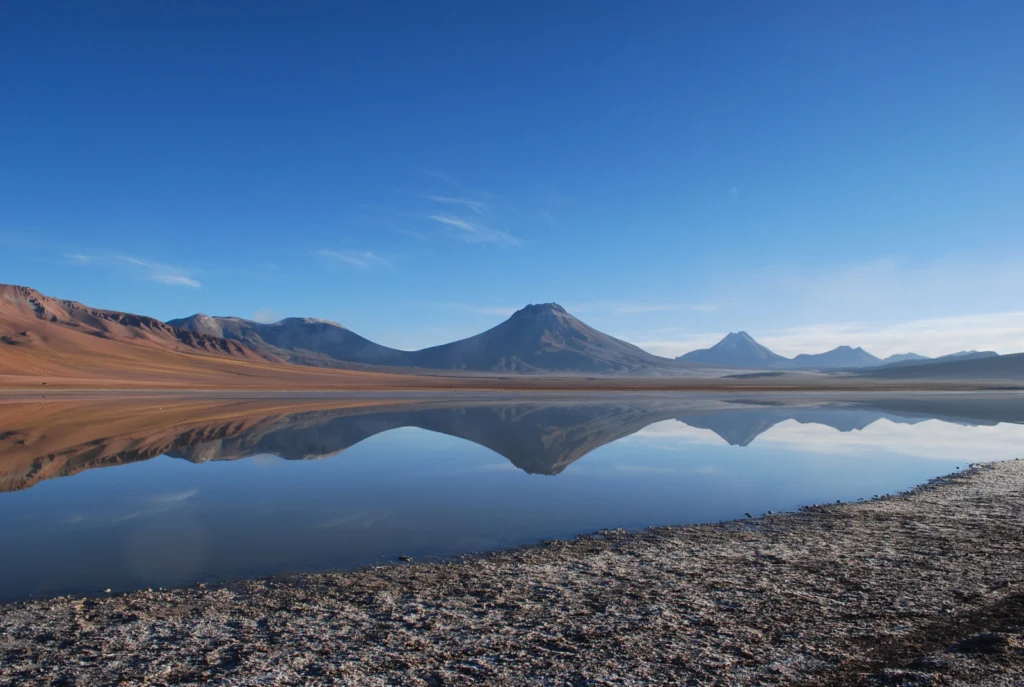
Imaggeo on Mondays: The mirror of the volcano
Lascar volcano is located in the Antofagasta Region of Chile. This stratovolcano (a conical volcano built up over time through successive eruptions of lava, tephra and ash) of the Central Volcanic Zone of the Andes is the most active volcano of the region, with a height of 5.592 m (18,34 ft). The last phase of eruptive activity before this photo was taken was on October 30, 2015, which produced an ...[Read More]
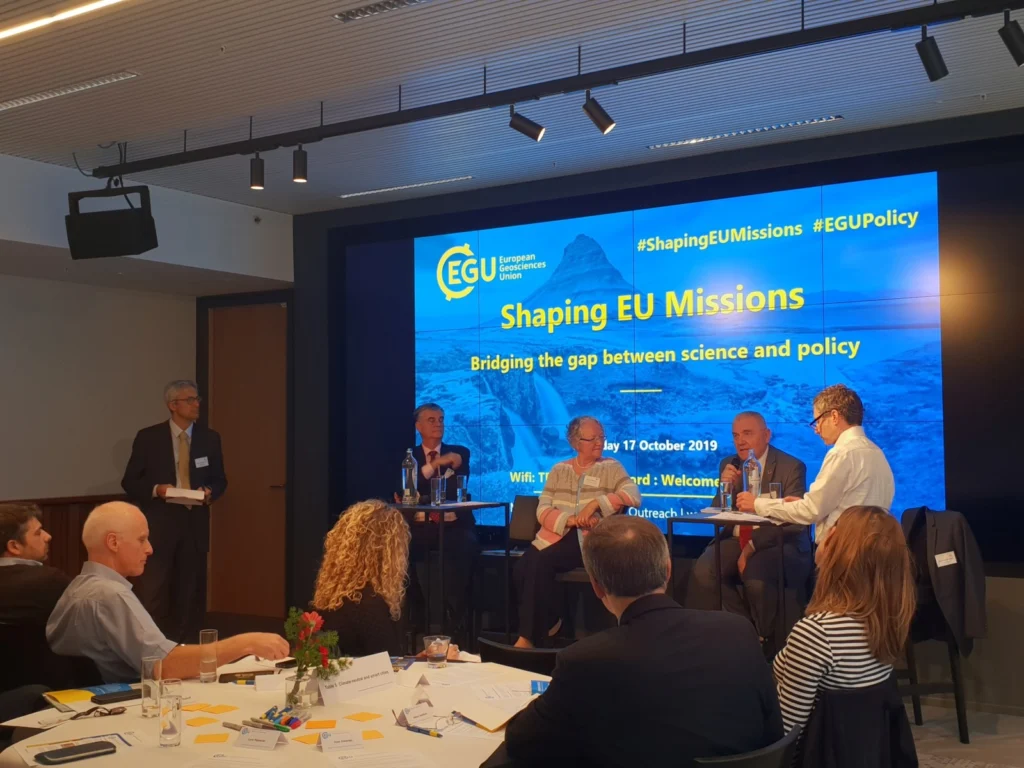
GeoPolicy: Interview with the former President of the European Research Council – Jean-Pierre Bourguignon
I recently had the honour of interviewing Professor Jean-Pierre Bourguignon, who completed his six-year term as the President of the European Research Council (ERC) at the end of 2019. As an award-winning mathematician, he has been a fellow of the Centre National de la Recherche Scientifique for most of his career. Bourguignon held a Professor position at École Polytechnique (1986-2012) and served ...[Read More]
Imaggeo on Monday: Time-proven shelter in drifting snow
During my PhD I was working at the German Neumayer III station in Antarctica for my research on polar atmospheric chemistry. Since my instrument was set up on an observatory south of the main station, every day I would walk past a Scott pyramid tent to go and do my research. One day, in the midst of an Antarctic storm, I caught sight of the tent deep in the drifting snow, and took this picture. Th ...[Read More]
GeoTalk: Meet the EGU’s next president, Helen Glaves
GeoTalk interviews usually feature the work of early career researchers, but this month we deviate from the standard format to speak to Helen Glaves, the incoming president of the EGU. Helen has been involved with the Union for many years, also serving as Earth and Space Science Informatics Division President. Following a year as President-elect, Helen will become President at the 2021 General Ass ...[Read More]
Accessibility at EGU: Top 10 tips for visually accessible presenting – the sequel!
Do you remember a time when everyone else around you started laughing, but you didn’t notice a joke? By designing presentations that are inaccessible – either in PICO, poster or oral presentation format – sometimes people in your audience have this experience of feeling left out. Last month we posted our top 10 tips for making a presentation ‘accessible’ following the announcement that EGU ...[Read More]
Imaggeo on Mondays: Tertiary Flying Saucers
Besides for the purposes of documenting my research, I like to take photos of rocks under the microscope also because of their aesthetic appeal. It’s an hidden, marvelous world. These flying-saucer-looking objects are in fact the fossil skeletons of a Nummulites (the larger) and a Discocyclina (the one on top left), both belong to the phylum of Foraminifera. These single-celled organisms occupyied ...[Read More]
GeoPolicy: How to become a Seconded National Expert for the European Commission
The European Seconded National Expert programme is a fantastic opportunity for scientists who are currently working in a national, regional or local public administration of an EU member state or an intergovernmental organisation to gain experience working within a European policy institution. In most cases, secondments are between six months and four years during which time the Seconded National ...[Read More]